The jungles of Vietnam, a verdant labyrinth that swallowed men and machines, became the unforgiving stage for a conflict where the line between victory and defeat was often blurred by the fog of war and the intricate dance of deception. For the United States military, the Vietnam War presented a unique set of challenges, forcing a re-evaluation and adaptation of tactical doctrines. Beyond brute force and overwhelming firepower, American forces increasingly found themselves engaged in a subtler, more insidious form of warfare: the art of deception. This was not merely about tricking the enemy into a disadvantageous position, but about shaping perceptions, sowing confusion, and leveraging psychological warfare as a potent weapon alongside conventional arms.
The initial American approach to Vietnam often underestimated the cunning and resilience of the Viet Cong and the North Vietnamese Army (NVA). These adversaries were deeply intertwined with the civilian population, their movements fluid and their motivations rooted in a deeply ingrained nationalistic fervor. This created an environment where traditional military intelligence and conventional battlefield indicators were frequently unreliable. Understanding this inherent ambiguity was the first step in the American military’s gradual, and often painful, embrace of deception.
The Elusive Enemy: Blurring the Lines Between Combatant and Civilian
One of the most significant challenges for American forces was the Viet Cong’s ability to disappear into the civilian population. Unlike conventional armies that occupied defined territories, the Viet Cong operated as a decentralized network, often living and working alongside the very people they were fighting against. This made identification and targeting extremely difficult. American patrols often found themselves in villages where they were greeted with politeness by day and potentially attacked by shadows in the dark. The constant uncertainty bred a pervasive sense of paranoia, which, while a burden on American soldiers, also served as a psychological weapon for the enemy.
To counter this, deception tactics began to emerge, albeit often born out of necessity rather than pre-planned strategy. This included the use of camouflage by both sides, not just for physical concealment but to create a sense of the unknown. American units might employ elaborate decoys, false trails, or even feigned movements to draw enemy attention away from their true objectives. The Viet Cong, in turn, excelled at feigning surrender, setting booby traps disguised as ordinary objects, and using the dense jungle to create an illusion of overwhelming numbers when in fact they were few.
The Jungle as a Weapon: Manipulating Visibility and Movement
The Vietnamese terrain itself was a formidable adversary, and the American military learned to use deception to mitigate its challenges and exploit its characteristics. The dense jungle canopy, the intricate network of tunnels, and the pervasive humidity created a constant battle against visibility and predictable movement. Deception tactics were employed to exploit these environmental factors.
For instance, the use of ambushes was a classic tactic, but the Viet Cong perfected it through intricate knowledge of the terrain and the element of surprise. American forces, in response, began to employ deceptions to counter these ambushes. This could involve sending out reconnaissance patrols in unusual formations, using noise-makers to create the illusion of larger patrols, or even deliberately revealing their presence in one area to draw enemy fire, thereby revealing their positions for a counter-attack. The NVA’s mastery of tunnel warfare, creating subterranean cities that allowed them to appear and disappear at will, also presented a unique challenge. American efforts to counter this involved psychological operations aimed at demoralizing the enemy within the tunnels, as well as the use of specialized units trained to navigate and clear these claustrophobic environments.
In exploring the complexities of American military deception during the Vietnam War, one can gain further insights by reading the article available at In the War Room. This piece delves into the strategies employed by U.S. forces to mislead enemy troops and the implications of these tactics on the overall conduct of the war. Understanding these deceptions provides a deeper perspective on the challenges faced by military leaders and the ethical considerations that arose during this tumultuous period in history.
Psychological Warfare: Shaping Perceptions and Undermining Morale
Beyond the physical battlefield, the Vietnam War was a profound contest of wills, and psychological warfare became an increasingly important tool in the American arsenal. The goal was not just to inflict casualties but to erode the enemy’s resolve, sow doubt, and influence their decision-making.
Operation Wandering Soul: A Ghostly Presence in the Night
Perhaps one of the most infamous and ethically debated deception tactics employed by the U.S. military was Operation Wandering Soul. This operation, primarily conducted in 1967, aimed to exploit Vietnamese superstitions and beliefs in the afterlife. The concept was simple yet chilling: to create the illusion of spirits of dead Viet Cong soldiers haunting the jungle, whispering their regrets and encouraging their living comrades to defect.
The execution involved playing prerecorded eerie sounds, including fake Vietnamese voices lamenting their deaths and begging others to abandon the fight. These recordings were broadcast from loudspeakers, often mounted on helicopters or deployed along suspected enemy infiltration routes. The intention was to create an atmosphere of fear and psychological distress among Viet Cong units, hoping to drive them to surrender or at least weaken their fighting spirit. While the effectiveness of Operation Wandering Soul is debated, with some soldiers reporting instances of enemy units being visibly spooked, it represents a significant foray into using psychological manipulation as a battlefield tactic.
Leaflet Drops and Radio Broadcasts: The War for Hearts and Minds
Leaflet drops and radio broadcasts were more conventional, yet still powerful, forms of psychological warfare. Millions of leaflets were dropped across South Vietnam, urging Viet Cong soldiers to defect, promising safety and good treatment if they surrendered. These often featured graphic depictions of the consequences of continued resistance and highlighted the perceived futility of their struggle.
Similarly, U.S. military radio stations broadcasted propaganda messages aimed at both the enemy and the civilian population. These broadcasts sought to demoralize the Viet Cong, emphasize the perceived strength and invincibility of American forces, and promote the legitimacy of the South Vietnamese government. The effectiveness of these campaigns was often difficult to quantify, but they represented a strategic effort to win the “hearts and minds” of the Vietnamese people and to undermine the enemy’s narrative.
Deception in Tactical Operations: Mimicry and Misdirection

On a more tactical level, American units employed a range of deception techniques to gain an advantage in combat engagements. These methods aimed to confuse the enemy about American intentions, force them into unfavorable positions, and conserve American lives.
False Trails and Decoy Positions: Luring the Enemy into Traps
The creation of false trails and decoy positions was a common tactic. American units might deliberately leave behind evidence of their presence in one area – such as discarded ration packs, footprints, or even staged signs of a prolonged encampment – to draw enemy reconnaissance or patrols away from their true location. Conversely, dummy positions, complete with fake weapons and positions, could be established to draw enemy artillery fire or air attacks, thus revealing their own positions and conserving American resources.
The Viet Cong were also masters of this, using their intimate knowledge of the terrain to create a multitude of false trails and traps. American forces had to be constantly vigilant, employing their own deceptions to counter these enemy tactics and avoid being lured into ambushes. This constant back-and-forth, a cat-and-mouse game played out in the dense jungle, underscored the importance of deception as a fundamental element of combat.
Feigning Retreats and Reinforcements: Orchestrating the Battlefield
The art of feigning a retreat or simulating the arrival of overwhelming reinforcements could be used to great effect. A unit under pressure might execute a controlled withdrawal, leading the enemy to believe they were routed. This could draw the pursuing enemy into a pre-planned ambush or allow for the repositioning of American forces for a more advantageous counter-attack.
Similarly, the sound of incoming helicopters, or the visible deployment of dummy troop transports, could create the illusion of significant reinforcements arriving, potentially deterring an enemy attack or forcing them to reconsider their tactical approach. These maneuvers required precise coordination and a deep understanding of enemy psychology to be effective.
The Role of Technology in Deception: Sophistication and Surprise

As the war progressed, technological advancements began to play a more significant role in American deception tactics. These tools offered new ways to manipulate the battlefield and confuse the enemy on a larger scale.
Electronic Warfare and Deception: Jamming and Mimicking
Electronic warfare became a crucial component of American military operations in Vietnam, and deception was a key aspect of its application. This involved jamming enemy communications, creating false radar signals, and even mimicking enemy electronic signatures. The goal was to disrupt enemy command and control, sow confusion about the location and strength of American forces, and deny them critical intelligence.
The U.S. military invested heavily in electronic countermeasures designed to detect and disrupt enemy radar, communications, and weapons systems. By creating electronic “noise” or generating false signals, American forces could make it difficult for the enemy to track their movements or coordinate their attacks, thereby creating an element of surprise and disarray.
Deceptive Air Operations: Ghost Flights and False Intelligence
Air power was a dominant force in Vietnam, and deception tactics were integrated into air operations. This included “ghost flights” where aircraft would fly routes designed to appear as if they were on reconnaissance or attack missions in one area, while the actual mission was taking place elsewhere. False intelligence about intended targets could also be leaked or disseminated to draw enemy attention and resources away from the real objectives.
The extensive use of helicopters, while vital for troop insertion and extraction, also presented opportunities for deception. Helicopters could be used to create the illusion of troop movements or to draw enemy fire, revealing their positions for air or ground attacks. The speed and maneuverability of helicopters allowed for rapid repositioning and the creation of dynamic and unpredictable battlefield scenarios, further enhanced by deceptive tactics.
The complexities of American military deception during the Vietnam War have been the subject of extensive analysis, shedding light on the strategies employed to mislead both the enemy and the public. For a deeper understanding of these tactics and their implications, you can explore a related article that discusses various aspects of military strategy and deception in this context. This insightful piece can be found here, providing valuable perspectives on the challenges faced by U.S. forces during this tumultuous period.
The Ethical and Strategic Implications of Deception
| Operation Name | Objective | Outcome |
|---|---|---|
| Operation Northwoods | To create a pretext for military intervention in Cuba | Plan was not implemented |
| Operation Rolling Thunder | To gradually intensify the bombing of North Vietnam | Did not achieve its intended objectives |
| Operation Igloo White | To disrupt the Ho Chi Minh Trail through electronic surveillance | Had limited success in interdicting supplies |
The art of deception in warfare, while often effective, is a double-edged sword, raising significant ethical questions and demanding careful strategic consideration.
The Blurring of Truth and Morality: The Human Cost of Deception
The use of deception, particularly psychological warfare, inevitably blurs the lines between truth and morality. While intended to achieve military objectives and potentially save American lives, these tactics often preyed on the fears and beliefs of individuals, leading to profound psychological distress. The ethical implications of manipulating human psychology, even in the context of war, remain a subject of debate.
The “kill zones” created by intelligence about enemy movements, the psychological toll on soldiers who were trained to deceive and be deceived, and the lasting impact on civilian populations who were caught in the crossfire of manipulated information all highlight the complex human cost of deception in warfare.
Deception as a Strategic Necessity: The Long-Term Impact
In the context of the Vietnam War, deception evolved from a tactical tool to a strategic necessity. The unconventional nature of the conflict, the elusive enemy, and the challenging terrain forced the U.S. military to adapt and innovate. While deception offered advantages in specific engagements, its long-term strategic impact is a matter of historical analysis.
The reliance on deception could sometimes mask underlying strategic weaknesses or an incomplete understanding of the enemy’s political and social motivations. While successful in confusing the enemy in the short term, it did not ultimately resolve the fundamental political and ideological conflicts that fueled the war. The art of deception, therefore, played a crucial role in the tactical landscape of Vietnam, but its ultimate contribution to achieving overarching strategic goals remains a complex and debated aspect of this contentious conflict. The lessons learned, both positive and negative, continue to inform military doctrine and the ongoing discussion about the ethics and efficacy of deception in modern warfare.
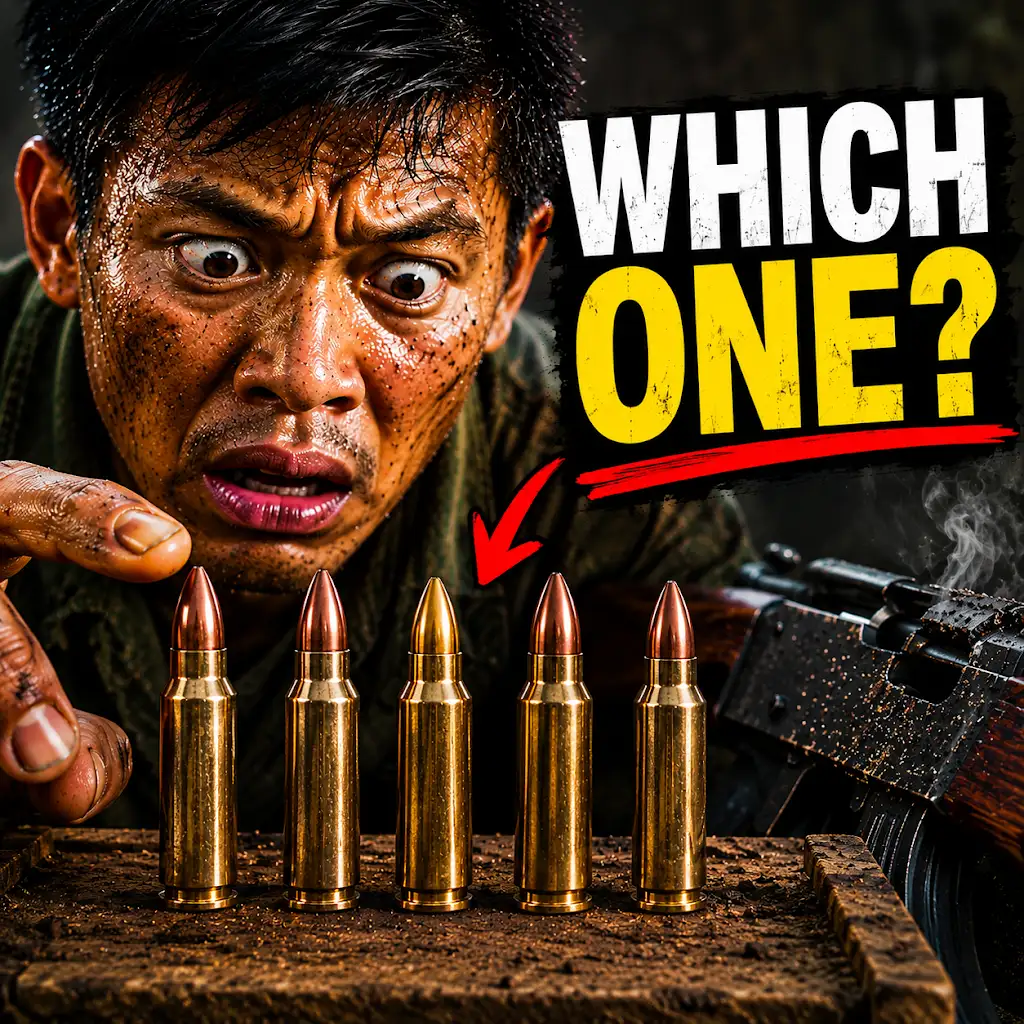
The Vietnam Plot That Made Soldiers Fear Their Own Guns
FAQs
What is military deception in the context of the Vietnam War?
Military deception in the context of the Vietnam War refers to the deliberate attempt by the American military to mislead the enemy about their intentions, capabilities, and operations. This could involve creating false impressions through the use of decoys, camouflage, disinformation, and other tactics.
What were some specific examples of military deception used by the American military in Vietnam?
Some specific examples of military deception used by the American military in Vietnam include the use of fake bases and equipment to divert enemy attention, the dissemination of false intelligence to mislead the enemy about troop movements, and the use of psychological operations to influence enemy perceptions and behavior.
How effective was military deception in Vietnam?
Military deception in Vietnam was a mixed bag in terms of effectiveness. While some deception operations were successful in confusing and misleading the enemy, others were less effective or even backfired. Overall, military deception played a role in the larger strategy of the war, but its impact varied depending on the specific tactics and circumstances.
What were the ethical considerations surrounding military deception in Vietnam?
The use of military deception in Vietnam raised ethical considerations, particularly in terms of the potential for civilian casualties or the manipulation of public opinion. There were debates about the morality of deceiving both the enemy and the American public, as well as concerns about the long-term consequences of using deceptive tactics in warfare.
How does the use of military deception in Vietnam compare to other conflicts?
The use of military deception in Vietnam was part of a long history of such tactics in warfare. While the specific methods and technologies may have differed, the underlying principles of deception in Vietnam were similar to those used in other conflicts throughout history. However, the unique challenges and dynamics of the Vietnam War also shaped the use and impact of military deception in that particular context.