The Orca XL Unmanned Underwater Vehicle (UUV) represents a significant leap forward in the realm of underwater exploration and technology. Designed to operate autonomously, this advanced vehicle is engineered to navigate the depths of the ocean with precision and efficiency. The Orca XL is not merely a tool for researchers; it embodies a new era of marine exploration, where human limitations are transcended by innovative technology.
As the oceans cover over 70% of the Earth’s surface, the need for sophisticated tools to explore these vast, uncharted territories has never been more pressing. The Orca XL is equipped with cutting-edge technology that allows it to perform a variety of tasks, from scientific research to environmental monitoring. Its design reflects a deep understanding of the challenges posed by underwater environments, including extreme pressure, low temperatures, and limited visibility.
By harnessing advanced engineering and software capabilities, the Orca XL is poised to revolutionize how scientists and researchers interact with the ocean, providing insights that were previously unattainable.
Key Takeaways
- Orca XL is an advanced unmanned underwater vehicle designed for ocean exploration and marine science.
- The technology behind Orca XL includes advanced sensors, high-resolution cameras, and autonomous navigation capabilities.
- Orca XL has applications in ocean exploration, underwater archaeology, environmental monitoring, and offshore energy exploration.
- The features and capabilities of Orca XL include deep-sea exploration, real-time data collection, and long-duration missions.
- Orca XL is advancing marine science by providing researchers with valuable data and insights from the ocean depths.
The Technology Behind Orca XL
At the heart of the Orca XL’s capabilities lies its sophisticated technology, which integrates advanced sensors, artificial intelligence, and robust communication systems. The vehicle is equipped with an array of sensors that can collect data on water temperature, salinity, pressure, and even biological activity. This data is crucial for understanding marine ecosystems and monitoring changes over time.
The integration of artificial intelligence allows the Orca XL to process this information in real-time, enabling it to make autonomous decisions about navigation and data collection. Moreover, the Orca XL employs advanced propulsion systems that allow for agile maneuverability in complex underwater environments. Its design minimizes drag and maximizes efficiency, enabling longer missions without the need for frequent recharging.
The vehicle’s communication systems are equally impressive, utilizing acoustic modems to transmit data back to researchers on the surface. This capability ensures that valuable information is relayed in real-time, allowing for immediate analysis and response to any findings.
Applications of Orca XL in Ocean Exploration
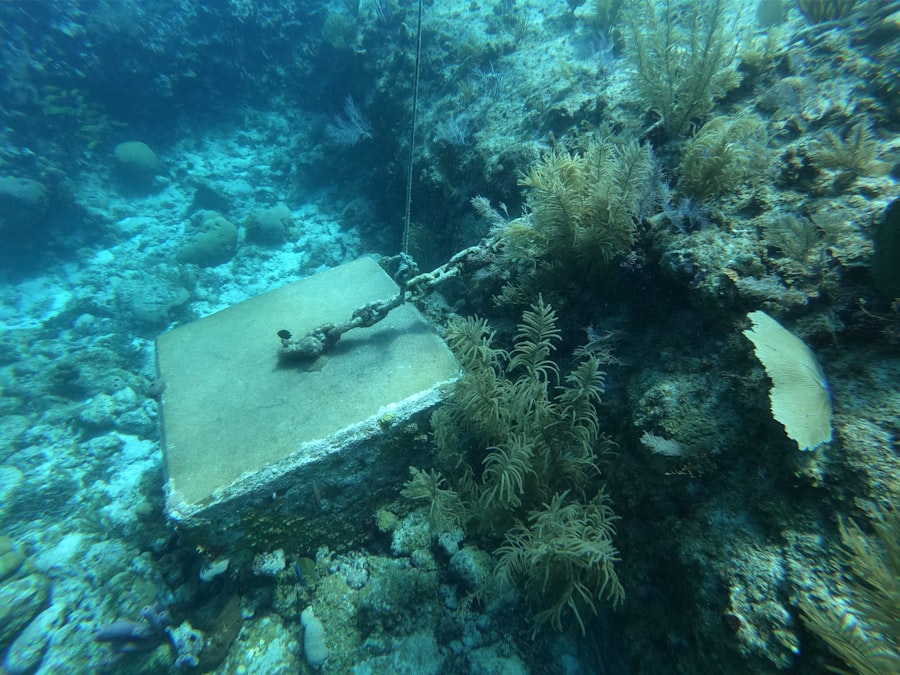
The applications of the Orca XL in ocean exploration are vast and varied, making it an invaluable asset for researchers and scientists alike. One of its primary uses is in marine biology, where it aids in studying underwater ecosystems and monitoring marine life populations. By collecting data on species distribution and behavior, researchers can gain insights into the health of marine environments and the impacts of climate change.
In addition to biological studies, the Orca XL is instrumental in geological surveys of the ocean floor. Its ability to map underwater topography with high precision allows scientists to identify geological formations and understand tectonic processes better. This information is crucial for predicting natural disasters such as tsunamis and earthquakes, as well as for exploring potential resources located beneath the ocean floor.
Features and Capabilities of Orca XL
| Features and Capabilities of Orca XL | |
|---|---|
| Size | Extra-large |
| Weight Capacity | Up to 400 lbs |
| Material | Durable plastic |
| Design | Ergonomic and comfortable |
| Usage | Indoor and outdoor |
The Orca XL boasts a range of features that enhance its operational capabilities and versatility. One notable feature is its modular design, which allows for easy customization based on specific mission requirements. Researchers can equip the vehicle with different sensors or tools depending on whether they are conducting biological surveys, geological mapping, or environmental monitoring.
This adaptability makes the Orca XL suitable for a wide array of missions. Another significant capability of the Orca XL is its endurance. With advanced battery technology and energy-efficient systems, the vehicle can operate for extended periods without needing to resurface.
This endurance is particularly beneficial for long-term studies or missions in remote areas where human access is limited. Additionally, its autonomous navigation system enables it to follow pre-programmed routes or adapt to changing conditions in real-time, ensuring that it can complete its objectives efficiently.
How Orca XL is Advancing Marine Science
The impact of the Orca XL on marine science cannot be overstated. By providing researchers with a reliable platform for data collection, it has opened new avenues for understanding complex marine ecosystems. The vehicle’s ability to operate at various depths allows scientists to explore previously inaccessible areas of the ocean, leading to discoveries that could reshape our understanding of marine life.
Furthermore, the data collected by the Orca XL contributes significantly to ongoing research efforts related to climate change and its effects on oceanic systems. By monitoring changes in temperature, salinity, and biodiversity over time, researchers can better understand how these factors interact and influence one another. This knowledge is essential for developing effective conservation strategies and mitigating the impacts of human activity on marine environments.
Orca XL in Underwater Archaeology

In addition to its applications in marine biology and geology, the Orca XL has made significant strides in the field of underwater archaeology. The vehicle’s advanced imaging capabilities allow archaeologists to survey submerged sites with remarkable detail. By mapping ancient shipwrecks or submerged settlements, researchers can gain insights into historical human activity and cultural practices.
The use of the Orca XL in underwater archaeology also enhances safety for researchers. Traditional methods often involve divers who face numerous risks when exploring deep or hazardous sites. By utilizing an unmanned vehicle, archaeologists can conduct their work without putting themselves in potentially dangerous situations.
This shift not only improves safety but also allows for more extensive exploration of sites that may have been previously deemed too risky.
Orca XL in Environmental Monitoring
Environmental monitoring is another critical area where the Orca XL excels.
The Orca XL can be deployed to assess water quality, track pollution sources, and monitor changes in marine habitats over time.
By collecting data on pollutants such as microplastics or heavy metals, researchers can identify trends and develop strategies to mitigate their impact on marine ecosystems. Additionally, the vehicle’s ability to monitor changes in biodiversity provides valuable insights into ecosystem health and resilience. This information is crucial for informing policy decisions aimed at protecting vulnerable marine environments.
Orca XL in Offshore Energy Exploration
The offshore energy sector has also benefited from the capabilities of the Orca XL. As energy companies seek to explore new resources beneath the ocean floor, the vehicle serves as a vital tool for conducting geological surveys and assessing potential drilling sites. Its ability to map underwater terrain with precision allows companies to make informed decisions about where to invest resources.
Moreover, the Orca XL can assist in monitoring environmental impacts associated with offshore energy extraction. By tracking changes in water quality and marine life around drilling sites, researchers can ensure that operations are conducted responsibly and sustainably. This dual role as both an exploration tool and an environmental monitor positions the Orca XL as a key player in balancing energy needs with ecological preservation.
The Future of Orca XL in Underwater Exploration
Looking ahead, the future of the Orca XL in underwater exploration appears promising. As technology continues to advance, it is likely that future iterations of the vehicle will incorporate even more sophisticated sensors and capabilities. Innovations such as enhanced artificial intelligence could enable more autonomous decision-making processes, allowing the vehicle to adapt dynamically to changing underwater conditions.
Additionally, collaborations between research institutions and industry partners may lead to new applications for the Orca XL beyond its current uses. As global challenges such as climate change and resource scarcity become more pressing, tools like the Orca XL will be essential for gathering data that informs solutions. The potential for this technology to contribute to sustainable practices in various sectors underscores its importance in future marine exploration efforts.
Challenges and Limitations of Orca XL
Despite its many advantages, the Orca XL is not without challenges and limitations. One significant hurdle is the cost associated with developing and deploying such advanced technology. While prices may decrease over time as production scales up, initial investments can be substantial for research institutions or organizations looking to utilize this technology.
Additionally, while the Orca XL is designed for autonomy, there are still limitations regarding its operational range and battery life. In extremely deep or remote areas of the ocean, communication signals may weaken or become unreliable, hindering data transmission back to researchers on land. Addressing these challenges will be crucial for maximizing the effectiveness of the Orca XL in future missions.
The Impact of Orca XL on Underwater Exploration
In conclusion, the Orca XL Unmanned Underwater Vehicle stands as a testament to human ingenuity in overcoming the challenges posed by underwater exploration. Its advanced technology has transformed how researchers study marine ecosystems, conduct archaeological investigations, monitor environmental health, and explore offshore energy resources. As it continues to evolve alongside advancements in technology, the potential applications for the Orca XL are boundless.
The impact of this remarkable vehicle extends beyond mere exploration; it plays a vital role in informing conservation efforts and promoting sustainable practices within marine environments.
The future of underwater exploration looks bright with innovations like the Orca XL leading the way into uncharted waters.
The Orca Extra Large Unmanned Underwater Vehicle (XLUUV) represents a significant advancement in naval technology, designed to enhance maritime operations with its autonomous capabilities. For more insights into the strategic implications and operational uses of such advanced underwater vehicles, you can read a related article on this topic at In the War Room. This article delves into the evolving landscape of unmanned systems and their impact on modern warfare.
WATCH THIS! The Secret Russian Weapon That Terrifies NATO
FAQs
What is an Orca Extra Large Unmanned Underwater Vehicle (XLUUV)?
The Orca XLUUV is a type of unmanned underwater vehicle designed for long-endurance autonomous operation. It is capable of carrying out various missions such as intelligence, surveillance, and reconnaissance (ISR), mine countermeasures, anti-submarine warfare, and more.
What are the key features of the Orca XLUUV?
The Orca XLUUV is designed to be modular, reconfigurable, and capable of carrying multiple mission payloads. It has a large payload capacity, long endurance, and the ability to operate autonomously for extended periods.
What are the potential applications of the Orca XLUUV?
The Orca XLUUV can be used for a wide range of maritime missions, including intelligence gathering, underwater mapping, mine detection and neutralization, and anti-submarine warfare. It can also be used for scientific research and environmental monitoring.
How is the Orca XLUUV different from other unmanned underwater vehicles?
The Orca XLUUV is larger and has a greater payload capacity compared to other unmanned underwater vehicles. It is designed for long-endurance missions and can operate autonomously for extended periods without the need for human intervention.
What are the advantages of using the Orca XLUUV?
The Orca XLUUV offers the advantage of long-endurance autonomous operation, which reduces the need for human presence in potentially hazardous underwater environments. It also provides a cost-effective and versatile platform for carrying out a wide range of maritime missions.