The attack on Pearl Harbor on December 7, 1941, remains a pivotal moment in world history, forever etched into collective memory as the event that propelled the United States into the Second World War. For Japan, it was a daring gambit, a calculated risk intended to cripple the American Pacific Fleet and secure their burgeoning empire in Asia. Yet, beneath the thunderous roar of bombs and the fiery inferno of burning ships, a subtler narrative unfolds – one of missed opportunities, strategic oversights, and the critical failure to fully exploit the immense damage inflicted. The Japanese Imperial Navy, while achieving a stunning tactical victory, faltered in capitalizing on the immense disarray they sowed, leaving behind a legacy of “what ifs” that continue to fascinate historians and military strategists alike.
The Dawn of a Devastating Surprise
The success of the initial Japanese assault was undeniable. A meticulously planned and flawlessly executed surprise attack by Admiral Isoroku Yamamoto’s carrier strike force achieved near-total tactical surprise against the unsuspecting American forces at Pearl Harbor. The first wave of aircraft, launched under the cover of predawn darkness, descended upon the naval base with devastating effect.
The Precision of the Initial Assault
The Japanese pilots, highly trained and motivated, targeted the heart of the American Pacific Fleet. Battleships, the symbols of naval power, were primary objectives. The torpedo bombers, flying low to skim the water and avoid early detection, unleashed their deadly payload with remarkable accuracy. The dive bombers and horizontal bombers followed, showering the decks of the ships with high-explosive and incendiary bombs.
Targeting the Battleship Row
The infamous Battleship Row bore the brunt of the attack. The USS Arizona, struck by an armor-piercing bomb that detonated its forward magazine, was completely destroyed in a spectacular explosion, killing over 1,100 of her crew. The USS Oklahoma capsized after being hit by multiple torpedoes, trapping hundreds of sailors inside. Other battleships, including the USS West Virginia, USS California, and USS Nevada, suffered severe damage, some sinking in shallow water, others listing heavily. The sheer effectiveness of the concentrated attack on these capital ships was a testament to Japanese planning and pilot skill.
The Infliction of Damage Beyond Repair
Beyond the outright destruction of the Arizona and Oklahoma, the damage inflicted on the remaining battleships was significant. The USS Maryland, USS Pennsylvania, and USS Tennessee, while surviving the initial onslaught, sustained heavy damage from bombs and near misses. Repairing these vessels would be a lengthy and costly undertaking, requiring extensive dry-dock facilities and specialized expertise. This immediate incapacitation of the U.S. Pacific Fleet’s most powerful assets was the primary objective, and in this, the Japanese were overwhelmingly successful.
The attack on Pearl Harbor on December 7, 1941, was a pivotal moment in World War II, yet Japan missed several strategic targets that could have significantly altered the course of the war. For an in-depth analysis of these missed opportunities and their implications, you can read the article titled “Targets Japan Missed at Pearl Harbor” on In The War Room. This article explores the key military installations that were overlooked during the attack and discusses how their destruction could have changed the dynamics of the Pacific theater. For more information, visit In The War Room.
The Ghosts of What Might Have Been: Unforeseen Targets
While the primary objective of neutralizing the American fleet was achieved, the Japanese assault was not without its strategic blind spots. Several key targets, if successfully attacked or destroyed, could have had a far more profound and lasting impact on the United States’ ability to wage war in the Pacific. These “unforeseen targets,” though perhaps not the primary focus of the attack, represent significant missed opportunities.
The Crucial Oil Storage Facilities
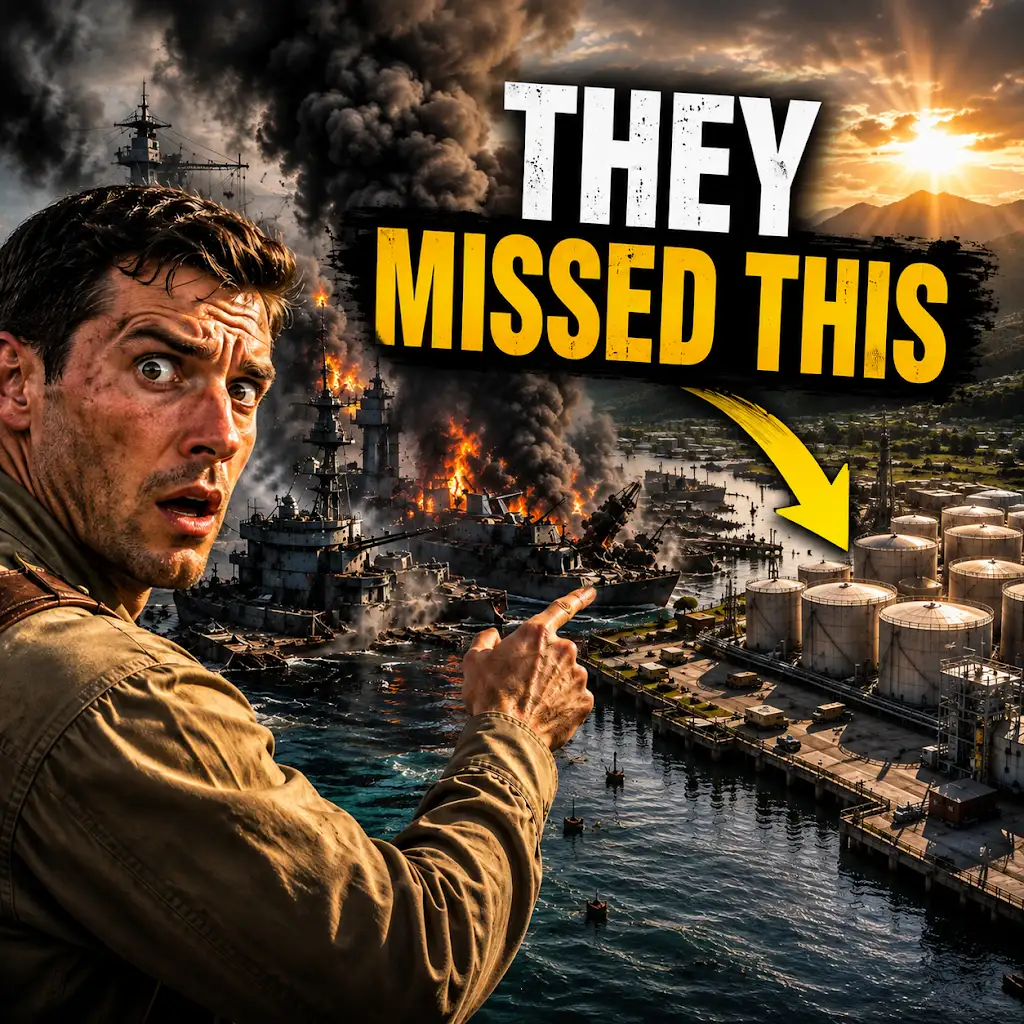
Perhaps the most glaring missed opportunity was the failure to target and destroy the vast oil storage facilities located on and around the island of Oahu. These tanks held the lifeblood of any modern navy, particularly the fuel required for ships and aircraft. Their destruction would have crippled the U.S. Pacific Fleet’s operational capacity for months, if not years.
The Vulnerability of the Fuel Depots
The Japanese did know of the existence of these facilities. Indeed, reconnaissance flights had noted their presence. However, they were not deemed a primary target for the initial strike. The prevailing belief, perhaps, was that the destruction of the battleships would render the fleet impotent regardless of fuel availability. Yet, the strategic implications of denying the U.S. Navy its fuel supply were immense.
The Long-Term Ramifications of Undamaged Oil Reserves
The survival of these oil reserves meant that the U.S. Navy, despite its crippled fleet, could begin to rebuild and refuel its remaining vessels. While the battleships were damaged, the cruisers, destroyers, and submarines were largely untouched. With access to fuel, these ships could continue to operate, engaging in anti-submarine warfare and commerce raiding, thus hindering Japanese supply lines. Had the oil depots been targeted and destroyed, the United States would have faced a far more protracted and challenging period of recovery, potentially altering the strategic balance in the Pacific.
The Shipyard and Repair Facilities
Complementing the oil storage facilities, the extensive shipyard and repair infrastructure at Pearl Harbor represented another critical, though largely untouched, target. The ability to repair damaged vessels quickly is paramount in naval warfare. The Japanese attack severely damaged several battleships, but the facilities capable of repairing them remained largely intact.
The Capacity for Repair and Reconstruction
The Pearl Harbor Naval Shipyard was one of the most advanced in the Pacific. It housed dry docks, machine shops, and a skilled workforce capable of undertaking complex repairs. While some damage occurred from stray bombs and explosions, the core infrastructure was spared. This meant that the U.S. Navy could begin the arduous process of repairing its damaged ships with relative speed.
Denying the Enemy the Means to Recover
Had the Japanese focused a portion of their attack on these facilities, they could have significantly prolonged the U.S. Pacific Fleet’s incapacitation. Destroying the dry docks, crippling the machinery, and disrupting the supply of critical repair parts would have presented a far greater obstacle to American naval recovery. This would have bought Japan invaluable time to consolidate its gains in Southeast Asia and the Pacific before the full might of the United States could be brought to bear.
The Strategic Impact of Unhit Infrastructure
The omission of these vital infrastructure targets was not merely an oversight; it was a strategic miscalculation with profound long-term consequences. While the symbolic victory of sinking battleships was significant, the failure to cripple the logistical and repair capabilities of the U.S. Pacific Fleet allowed America to rebound far more quickly than anticipated.
The Unforeseen Resilience of American Industry
The attack on Pearl Harbor, intended to be a decisive blow, ultimately galvanized American resolve. The destruction of the battleships, while tragic, did not represent the entirety of the U.S. naval power. More importantly, it underestimated the sheer industrial might and resilience of the United States.
The Swift Mobilization of Production
Despite the initial shock and the loss of battleships, American shipyards, particularly on the West Coast, were already operating at high capacity. The attack spurred an even greater mobilization of resources and manpower towards naval construction. Within months, new cruisers, destroyers, and aircraft carriers began to roll off the production lines, quickly filling the void left by the damaged capital ships.
The Untapped Potential of Aircraft Carriers
Crucially, the Japanese attack largely missed the U.S. Navy’s aircraft carriers, which were at sea during the raid. This proved to be a critical error. The future of naval warfare was rapidly shifting towards carrier-based aviation, and the survival of America’s nascent carrier fleet would prove instrumental in the eventual Allied victory. Had the Japanese prioritized the destruction of the carriers, alongside the battleships, the naval balance in the Pacific would have been drastically different.
The Psychological Fallout and its Unforeseen Consequences
The attack on Pearl Harbor was intended to demoralize the United States and force a swift conclusion to the conflict in Asia. However, the psychological impact was the exact opposite. Instead of inducing fear and a desire for appeasement, the unprovoked attack ignited a firestorm of national anger and a unified commitment to victory.
The Galvanizing Effect of a “Day of Infamy”
The phrase “a date which will live in infamy,” coined by President Roosevelt, perfectly encapsulated the American reaction. The attack was seen not as a strategic maneuver but as a treacherous act of aggression. This galvanized public opinion, erased any lingering isolationist sentiment, and created a powerful mandate for total war.
The Underrated Determination of the American People
The Japanese leadership may have underestimated the depth of American patriotism and the nation’s capacity for retribution. The bombing of Pearl Harbor, intended to instill fear, instead fostered an unwavering determination to defeat the aggressor. This psychological element, while not a direct military target, proved to be a crucial factor in the long-term trajectory of the war.
The Aftermath: A Fleeting Dominance
Following the initial success at Pearl Harbor, the Japanese military machine continued its rapid expansion across the Pacific and Southeast Asia. This period of seemingly unchecked advance, however, was built on a foundation that was ultimately unsustainable. The missed opportunities at Pearl Harbor, combined with the inherent limitations of Japan’s resources and strategic vision, meant that their initial dominance was destined to be fleeting.
The Strategic Overreach of the Japanese Empire
The swift victories in the opening months of the war led to a sense of overconfidence within the Japanese leadership. The vastness of the territories they conquered placed immense strain on their logistical capabilities and military resources.
The Unwinnable War of Attrition
Japan, a nation with limited natural resources and a smaller industrial base than the United States, embarked on a conflict that ultimately became a war of attrition. The continued ability of the U.S. to produce ships, aircraft, and munitions at an unprecedented rate, a direct consequence of not fully crippling their infrastructure at Pearl Harbor, meant that Japan was fighting an unwinnable battle in the long run.
The Gradual Erosion of Japanese Naval Power
While the battleships were out of commission, the survival of the aircraft carriers and the ability to repair damaged vessels meant that the U.S. Navy could gradually reclaim dominance. The Battles of the Coral Sea and Midway, occurring in the months following Pearl Harbor, marked critical turning points where American naval power, bolstered by its surviving carriers and rapidly expanding industrial capacity, began to decisively defeat the Japanese fleet.
The Unintended Consequences of American Survival
The survival of key American infrastructure and naval assets at Pearl Harbor had a direct and significant impact on the course of the war. What Japan achieved in terms of tactical surprise and initial destruction was ultimately undermined by the enemy’s capacity to recover and retaliate.
The Swift Return of the U.S. Pacific Fleet
The repairs to damaged battleships, though lengthy, were completed far sooner than anticipated. The USS West Virginia, for example, was repaired and returned to service within a year. This meant that the battleships, while not the primary offensive weapon they once were, still played a role in the later stages of the war.
The Rise of the Aircraft Carrier as the Dominant Force
The most profound unintended consequence was the rise of the aircraft carrier. With its battleships severely damaged or sunk, the U.S. Navy increasingly relied on its carrier task forces. These mobile airbases proved to be the decisive weapon of the Pacific War, launching devastating strikes against Japanese targets and ultimately paving the way for victory. The failure to destroy these carriers at Pearl Harbor was a strategic gamble that did not pay off.
The attack on Pearl Harbor on December 7, 1941, was a pivotal moment in World War II, yet Japan missed several critical targets that could have significantly altered the course of the conflict. For a deeper understanding of the strategic miscalculations made during this surprise assault, you can read more in this insightful article about the targets Japan missed at Pearl Harbor. The analysis highlights how these oversights contributed to the eventual failure of Japan’s broader military objectives. To explore this topic further, visit this article.
Conclusion: A Pyrrhic Victory and a Legacy of Missed Opportunities
The attack on Pearl Harbor was a masterpiece of tactical execution, a devastating blow that left the U.S. Pacific Fleet reeling. However, in the grand sweep of history, it is also a stark reminder of how strategic vision and the exploitation of critical targets can be as important as the initial strike. Japan achieved tactical surprise and inflicted immense damage, but by failing to eliminate the crucial logistical and repair infrastructure, and by underestimating the resilience and resolve of the United States, they set the stage for their eventual defeat. The “unforeseen targets” – the oil depots, the shipyards, and implicitly, the nation’s industrial capacity and unwavering spirit – proved to be the true victors of that fateful day, ensuring that Japan’s stunning initial success would ultimately morph into a profound and enduring legacy of missed opportunities.
Japan Won Pearl Harbor—So Why Did It Lose the War?
FAQs

1. What were the targets that Japan missed at Pearl Harbor?
Japan missed several key targets at Pearl Harbor, including the aircraft carriers and the fuel storage facilities. The absence of these targets limited the long-term impact of the attack on the US Pacific Fleet.
2. Why were the aircraft carriers not at Pearl Harbor during the attack?
The aircraft carriers of the US Pacific Fleet were not at Pearl Harbor during the attack because they were out at sea on training exercises. This fortunate circumstance allowed the carriers to escape destruction and play a crucial role in the subsequent battles in the Pacific.
3. What impact did the missed targets have on the US response to the attack?
The missed targets, particularly the aircraft carriers, allowed the US to quickly recover from the attack and maintain a strong naval presence in the Pacific. This enabled the US to launch counteroffensives and ultimately turn the tide of the war in the Pacific.
4. How did the missed targets affect Japan’s overall strategy in the Pacific?
The failure to destroy the aircraft carriers and fuel storage facilities at Pearl Harbor forced Japan to adjust its strategy in the Pacific. The continued presence of the US Pacific Fleet and its ability to project power limited Japan’s ability to expand its territorial gains.
5. What lessons were learned from the targets Japan missed at Pearl Harbor?
The missed targets at Pearl Harbor highlighted the importance of adaptability and the need to anticipate and prepare for unforeseen circumstances in military operations. It also underscored the critical role of naval power and the impact of strategic decisions on the outcome of a conflict.