The road to Pearl Harbor was not a sudden, spontaneous act of aggression, but rather a complex and multifaceted journey paved with escalating tensions, diplomatic failures, and deeply entrenched ideological differences. Understanding this descent into war requires examining the intricate web of events that transformed two nations, once distant on the global stage, into bitter adversaries locked in a conflict that would forever alter the course of history. This explanation delves into the key factors that propelled Japan towards its fateful attack on the American naval base in Hawaii.
Japan’s metamorphosis from an isolated island nation to a burgeoning imperial power was a driving force behind its expansionist policies. Following the Meiji Restoration in 1868, Japan embarked on a rapid program of modernization, industrialization, and military build-up. This period marked a fundamental shift, as Japan actively sought to emulate Western powers and assert its dominance in East Asia.
The Meiji Restoration: A Paradigm Shift
The Meiji Restoration was a pivotal moment, dismantling the feudal shogunate and restoring imperial rule. This political upheaval coincided with a keen awareness of Western technological and military superiority. Japan’s leaders understood that to survive and thrive in the rapidly changing global landscape, they needed to adopt Western methods while retaining their distinct cultural identity. This led to the selective adoption of Western science, technology, and military organization, laying the groundwork for future military ambitions.
Early Victories and Growing Confidence
The success of the Sino-Japanese War (1894-1895) and the Russo-Japanese War (1904-1905) significantly boosted Japan’s national confidence and its standing on the international stage. These victories demonstrated Japan’s military prowess and its ability to defeat established Western powers, further fueling its imperial aspirations. The acquisition of territories like Taiwan and Korea provided valuable resources and strategic advantages, cementing the idea that further expansion was both desirable and achievable.
The “Greater East Asia Co-Prosperity Sphere”: A Vision of Dominance
The concept of the “Greater East Asia Co-Prosperity Sphere” became a central tenet of Japanese foreign policy in the late 1930s and early 1940s. Ostensibly promoted as a way to liberate Asian nations from Western colonial rule, it was, in reality, a thinly veiled justification for Japanese hegemony over the region. This vision involved establishing a self-sufficient economic bloc under Japanese leadership, excluding Western influence and control. The underlying belief was that Japan was destined to lead Asia, and this vision provided a moral and ideological framework for its aggressive expansion.
The events leading up to the attack on Pearl Harbor are complex and multifaceted, and a deeper understanding can be gained by exploring related historical analyses. For instance, the article “The Road to Pearl Harbor: A Comprehensive Analysis” on In The War Room delves into the political and military decisions that shaped the United States’ path to war. You can read more about this critical period in history by visiting this article.
The Shadow of Expansionism: Japan’s Encroachment into China
Japan’s aggressive actions in China were a significant and escalating source of tension with the Western powers, particularly the United States. The pursuit of its imperial ambitions in China directly clashed with the Open Door policy and the territorial integrity of China, principles championed by the United States.
The Invasion of Manchuria (1931): A Prelude to War
The Mukden Incident in 1931, a staged event used as a pretext for Japan’s invasion of Manchuria, marked a critical turning point. Despite international condemnation and the League of Nations’ disapproval, Japan established the puppet state of Manchukuo. This blatant disregard for international law and agreements demonstrated Japan’s willingness to pursue its goals through military force, setting a dangerous precedent for future actions and signaling a growing defiance of the global order.
The Second Sino-Japanese War (1937-1945): A Protracted Conflict
The full-scale invasion of China in 1937 plunged Japan into a protracted and costly war. While Japan achieved initial military successes, the Chinese resistance, supported by the United States and other Allied powers, proved far more tenacious than anticipated. The war drained Japanese resources and manpower, increasing its dependence on external supplies and pushing its leadership to seek solutions beyond the Chinese mainland, ultimately leading them to consider a broader confrontation.
The Nanjing Massacre (1937): A Stain on History
The horrors of the Nanjing Massacre, where Japanese soldiers committed widespread atrocities against Chinese civilians and prisoners of war, remain a deeply disturbing chapter in history. This event, and other similar acts of brutality, solidified international condemnation of Japanese military conduct and further eroded any goodwill Japan might have had on the global stage. It highlighted the brutal nature of Japan’s expansionist agenda and fueled anti-Japanese sentiment.
Rising Tensions with the West: The United States’ Response
The United States, while initially hesitant to directly intervene in Asian conflicts, found its interests increasingly threatened by Japan’s aggressive expansion. A series of diplomatic exchanges and economic measures reflected America’s growing unease and its determination to curb Japanese ambitions.
The Open Door Policy: A Principle Under Threat
The Open Door policy, articulated by the U.S. in the late 19th century, aimed to ensure equal trading opportunities for all nations in China and to preserve China’s territorial and administrative integrity. Japan’s actions in Manchuria and its broader ambitions in China were seen as a direct challenge to this fundamental principle, which was viewed by the United States as crucial for its own economic and strategic interests in the region.
Economic Sanctions: A Tool of Diplomacy
As Japan’s aggression escalated, the United States began to employ economic sanctions as a means of pressure. These sanctions, initially limited in scope, gradually tightened, targeting key Japanese industries and resources. The most significant of these was the oil embargo imposed in July 1941, which severely crippled Japan’s ability to wage war and its industrial economy. This economic pressure was intended to force Japan to alter its course, but it also served to heighten tensions and push Japan towards a more drastic response.
Diplomatic Stalemate and Failed Negotiations
Throughout the late 1930s and early 1940s, numerous diplomatic attempts were made to de-escalate the situation between the United States and Japan. However, these negotiations were plagued by fundamental disagreements and a lack of genuine compromise from either side. Japan was unwilling to abandon its territorial gains and its vision of regional dominance, while the United States remained steadfast in its demand for Japan’s withdrawal from China and its adherence to international norms. The inability to find common ground created a diplomatic stalemate that ultimately paved the way for conflict.
The Final Steps Towards War: The Tripartite Pact and the Path to Conflict

The formation of alliances and the hardening of positions in the lead-up to the attack on Pearl Harbor were crucial in solidifying the inevitability of war. Japan’s strategic calculations and its perception of American intentions played a significant role in its decision-making.
The Tripartite Pact (1940): An Axis of Power
The signing of the Tripartite Pact in September 1940, allying Japan with Nazi Germany and Fascist Italy, was a significant development that further isolated Japan from the Western democracies and emboldened its aggressive stance. This pact signaled a shared ideological opposition to the existing world order and a mutual commitment to challenging it through military means. For Japan, it provided a potential deterrent against American intervention and a promise of support in a broader conflict.
The Southern Expansion Strategy: Securing Resources
Following the imposition of the oil embargo, Japan’s leadership intensified its focus on a “southern expansion strategy.” This strategy aimed to secure vital resources, particularly oil and rubber, from Southeast Asia, which was largely under European colonial control. The realization of this strategy necessitated the removal of Western influence from the region, inevitably leading to a confrontation with the United States and its allies.
The Decision for Preemptive Strike: A Gamble for Survival
Faced with the debilitating effects of the oil embargo and the perceived intransigence of the United States, Japan’s military and political leadership made the fateful decision to launch a preemptive strike against the U.S. Pacific Fleet at Pearl Harbor. The strategy was to cripple the American naval power, buy time for Japan to secure its conquests in Southeast Asia, and hopefully force the United States to negotiate a peace settlement favorable to Japan. This was a high-stakes gamble, based on a belief that the war would be short and decisive.
The events leading up to the attack on Pearl Harbor are complex and multifaceted, and for those looking to delve deeper into this pivotal moment in history, a related article provides valuable insights. Understanding the geopolitical tensions and military strategies of the time can enhance one’s comprehension of the circumstances surrounding the attack. To explore this further, you can read the article on the road to Pearl Harbor, which offers a detailed analysis of the factors that contributed to this significant event.
The Attack on Pearl Harbor: The Climax of Escalation
| Event | Date | Details |
|---|---|---|
| Attack on Pearl Harbor | December 7, 1941 | Surprise military strike by the Imperial Japanese Navy against the United States naval base at Pearl Harbor, Hawaii. |
| Japanese Expansion | 1930s-1940s | Japan’s aggressive expansion in East Asia, leading to tensions with the United States and other Western powers. |
| US-Japan Relations | 1930s | Increasing diplomatic and economic tensions between the United States and Japan. |
| US Embargo | 1940 | The United States imposed an embargo on oil and other resources to Japan in response to its expansionist policies. |
| Ultimatum | November 1941 | The United States issued an ultimatum to Japan, demanding a withdrawal from China and Indochina. |
The attack on Pearl Harbor on December 7, 1941, was the culmination of years of escalating tensions, diplomatic failures, and Japan’s relentless pursuit of imperial ambitions. It was a moment that shocked the world and irrevocably drew the United States into World War II.
The Strategic Imperative: Crippling the American Fleet
The primary objective of the Pearl Harbor attack was to neutralize the U.S. Pacific Fleet, thereby removing the immediate threat to Japan’s planned expansion into Southeast Asia. Admiral Isoroku Yamamoto, the mastermind behind the attack, recognized the overwhelming industrial might of the United States and understood that a protracted war would ultimately be unwinnable for Japan. He believed that a swift and decisive blow could cripple the American navy and create a window of opportunity for Japan to consolidate its gains.
The Surprise Element: A Calculated Risk
The element of surprise was paramount to the success of the Pearl Harbor operation. Japanese naval forces launched their attack without a formal declaration of war, a breach of diplomatic protocol that further fueled outrage in the United States. The meticulous planning and execution of the raid, involving multiple waves of aircraft, aimed to overwhelm the American defenses and inflict maximum damage on the battleships and other naval assets stationed at Pearl Harbor.
The Aftermath: A Nation Awakens
The attack on Pearl Harbor had a profound and immediate impact on the United States. The “day of infamy,” as President Franklin D. Roosevelt famously described it, galvanized American public opinion and ended the nation’s isolationist sentiment. The attack led directly to the United States’ formal entry into World War II, dramatically altering the global balance of power and setting the stage for a conflict that would rage for years to come. The road to Pearl Harbor was a stark reminder of how miscalculations, unchecked ambition, and a failure of diplomacy could lead to catastrophic global conflict.
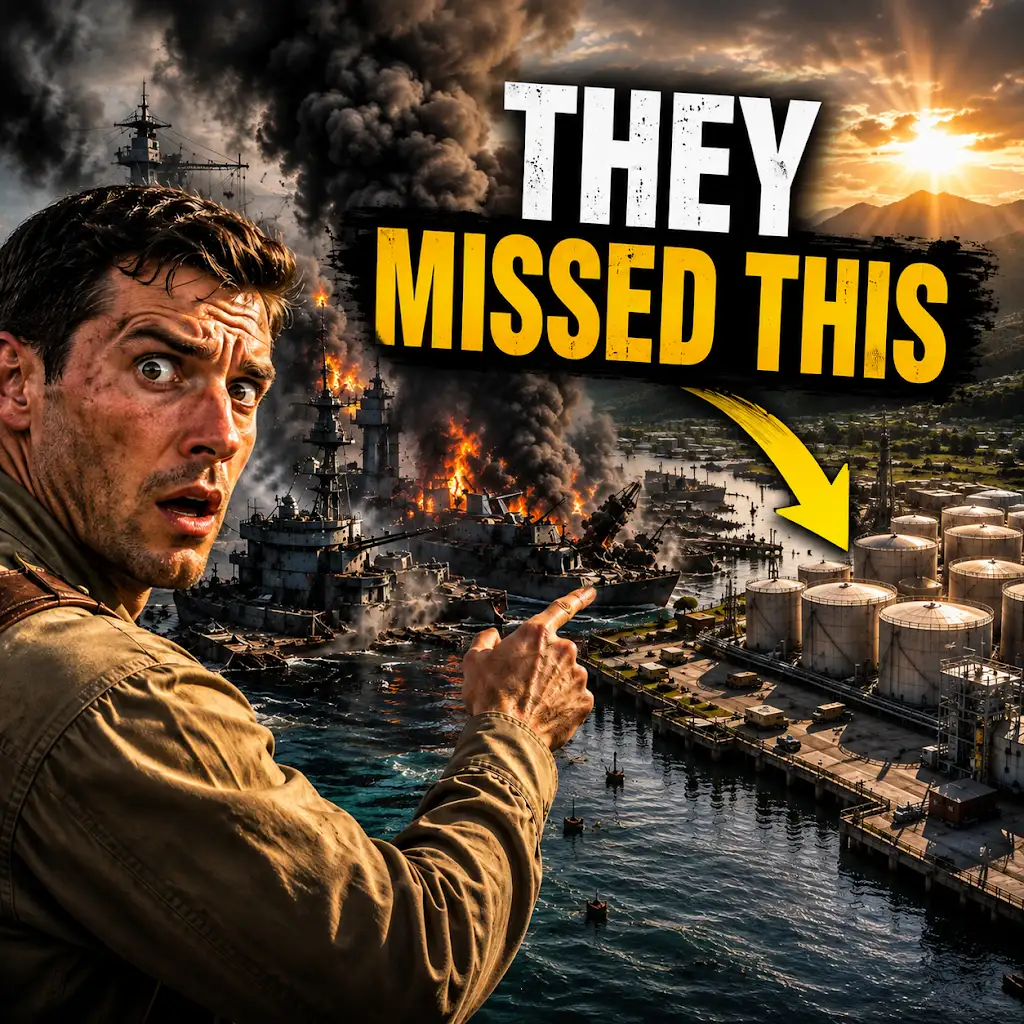
Japan Won Pearl Harbor—So Why Did It Lose the War?
FAQs
What events led to the attack on Pearl Harbor?
The attack on Pearl Harbor was a surprise military strike by the Imperial Japanese Navy Air Service against the United States naval base at Pearl Harbor, Hawaii, on the morning of December 7, 1941. The attack was a result of rising tensions between the United States and Japan over Japan’s expansionist policies in Asia.
How did the United States respond to the attack on Pearl Harbor?
Following the attack on Pearl Harbor, the United States declared war on Japan, officially entering World War II. This led to a series of significant military and political developments, including the United States’ involvement in the Pacific theater of the war.
What were the consequences of the attack on Pearl Harbor?
The attack on Pearl Harbor resulted in significant damage to the United States Pacific Fleet, with numerous ships being sunk or damaged. The attack also led to the deaths of over 2,400 Americans and the injury of over 1,000 others. Additionally, the attack prompted the United States to fully commit to the war effort, ultimately leading to the defeat of the Axis powers.
What role did intelligence play in the lead-up to the attack on Pearl Harbor?
Intelligence played a crucial role in the lead-up to the attack on Pearl Harbor. The United States had received various warnings and indications of a potential Japanese attack, but a failure to effectively interpret and act on this intelligence ultimately contributed to the surprise nature of the attack.
How did the attack on Pearl Harbor impact the course of World War II?
The attack on Pearl Harbor had a profound impact on the course of World War II. It led to the United States’ full-scale involvement in the conflict, significantly altering the balance of power in the Pacific theater. The attack also galvanized public opinion in the United States, leading to a unified and determined war effort.