December 7th, 1941. The date is etched into the collective memory of a nation, a stark reminder of a sudden and devastating assault that propelled the United States into the heart of World War II. The attack on Pearl Harbor was not merely a military engagement; it was a profound shockwave that rippled through American society, altering its trajectory forever. For those seeking a comprehensive and poignant understanding of this pivotal moment, the documentary “Remembering Pearl Harbor: A History Documentary” offers an immersive and deeply informative journey into the events, the people, and the enduring legacy of that fateful day. This film meticulously reconstructs the unfolding tragedy, drawing on a wealth of archival footage, expert interviews, and personal testimonies to paint a vivid and unforgettable picture.
The Shadow of Growing Tensions
The documentary masterfully sets the stage for the attack, eschewing a simplistic portrayal of a sudden, unprovoked assault. Instead, “Remembering Pearl Harbor” delves into the complex geopolitical landscape of the late 1930s and early 1940s, illustrating how the seeds of conflict were sown long before the first bombs fell. The film emphasizes the escalating tensions between the United States and Japan, fueled by Japan’s imperial ambitions in Asia and the United States’ increasingly vocal opposition.
A Rising Sun, A Strained Relationship
The documentary dedicates significant time to exploring Japan’s expansionist policies, particularly its invasion of Manchuria and its subsequent engagement in the Second Sino-Japanese War. It details how these actions were viewed with growing alarm by the international community, including the United States. The film highlights the economic and political leverage the U.S. possessed, particularly through oil embargoes, and how these measures were perceived by Japan as a direct threat to its national interests. The narrative carefully traces the diplomatic exchanges, the missed opportunities for de-escalation, and the growing sense of inevitability that permeated the period.
The Japanese Perspective: Strategy and Justification
“Remembering Pearl Harbor” goes beyond a one-sided narrative by offering insights into the Japanese strategic thinking that led to the decision to attack. Through interviews with historians and scholars specializing in Japanese military history, the documentary explores the rationale behind the strike, including the belief that a swift, decisive blow would cripple the American Pacific Fleet and allow Japan to consolidate its gains in Southeast Asia. It examines the prevailing sentiment within the Japanese leadership, the desire to break free from perceived American economic strangulation, and the gamble that a preemptive strike would force the U.S. to the negotiating table, albeit on Japan’s terms.
American Policy and the Path to Conflict
Conversely, the film meticulously outlines American foreign policy during this period. It scrutinizes the growing isolationist sentiment within the U.S. alongside the increasing recognition by some policymakers of the threat posed by Axis aggression. The documentary showcases the crucial role of intelligence gathering and code-breaking efforts, detailing the warnings and intelligence reports that were, in retrospect, remarkably prescient but ultimately failed to prevent the attack. The film underscores the complex web of decisions and indecisions, the hope for a diplomatic resolution that ultimately proved futile, and the gradual shift in American public opinion towards intervention.
The Illusion of Peace in Paradise
The documentary vividly portrays the sense of normalcy and peace that prevailed in Hawaii in the days and weeks leading up to the attack. “Remembering Pearl Harbor” highlights the relaxed atmosphere on the naval base, the daily routines of servicemen and their families, and the stark contrast between this idyllic setting and the impending storm. This element serves to amplify the shock and disbelief that characterized the immediate aftermath of the attack.
Life on the Eve of War
The film uses personal accounts and archival photographs to depict the everyday lives of the sailors, soldiers, and civilians stationed at Pearl Harbor. These segments offer a humanizing perspective, showcasing the camaraderie, the leisure activities, and the mundane aspects of military life that were so brutally interrupted. The audience is invited to connect with these individuals on a personal level, making the subsequent tragedy all the more impactful.
Warnings Unheeded: The Intelligence Gap
A critical component of the documentary’s examination of the pre-attack period is its focus on intelligence failures. “Remembering Pearl Harbor” delves into the information that was available to American authorities, including intercepted Japanese communications and reports from reconnaissance flights. It explores the reasons why these warnings were not fully heeded or acted upon with the necessary urgency. The film avoids assigning blame in a simplistic manner but rather highlights the systemic issues and communication breakdowns that contributed to the intelligence gap.
For those interested in delving deeper into the history surrounding the events of Pearl Harbor, a compelling article can be found at this link: Pearl Harbor History Documentary. This article provides an insightful overview of the attack on Pearl Harbor, exploring its significance in World War II and the lasting impact it had on American military strategy and foreign policy. It serves as a valuable resource for anyone looking to understand the complexities of this pivotal moment in history.
The Day of Infamy: A Symphony of Chaos and Devastation
The core of “Remembering Pearl Harbor” is its meticulous and harrowing reconstruction of the attack itself. The documentary employs a masterful blend of historical footage, dramatic reenactments, and expert analysis to immerse the viewer in the unfolding horror. The pacing is deliberate, building tension and conveying the sheer speed and ferocity of the Japanese assault.
The Dawn Raid: Precision and Brutality
The film details the precise timing and execution of the Japanese attack. It showcases the coordinated waves of aircraft, the types of ordnance employed, and the strategic targets chosen. The documentary’s use of aerial footage, both contemporary and recreated, allows the audience to witness the attack from the perspective of the pilots and the sailors on the ground. The narration is sober and informative, explaining the tactical objectives of each wave and the devastating impact on the American fleet.
The First Wave: A Surprise Like No Other
“Remembering Pearl Harbor” captures the sheer disbelief and confusion that gripped Pearl Harbor as the first bombs began to fall. The documentary highlights the initial moments of the attack, the sudden realization that this was no drill, and the desperate scramble to defend the base. Personal testimonies from survivors recall the deafening explosions, the screams, and the surreal sight of ships erupting in flames. The film emphasizes the element of surprise and the devastating effectiveness of the Japanese aerial onslaught.
The Second Wave: Escalating Destruction
The documentary does not shy away from the continued destruction wrought by the second wave of Japanese aircraft. It illustrates how the attackers continued their assault, targeting remaining ships and shore installations. The film’s detailed account of the damage inflicted on vessels like the USS Arizona, USS Oklahoma, and USS Utah serves as a stark reminder of the human cost of the attack. The visual evidence presented is often graphic, underscoring the immense loss of life and the destruction of naval power.
The Human Cost: Stories of Courage and Sacrifice
Beyond the strategic and tactical analyses, “Remembering Pearl Harbor” places a profound emphasis on the human element of the tragedy. The documentary weaves together the personal stories of individuals who experienced the attack firsthand, offering a deeply emotional and resonant portrayal of the day’s events. These narratives underscore the immense bravery, the profound loss, and the enduring spirit of those who lived through the ordeal.
Survivors’ Accounts: Echoes from the Past
One of the most powerful aspects of the documentary is the inclusion of interviews with Pearl Harbor survivors. These men and women, now elderly, share their vivid recollections of that day, their voices filled with a mixture of sorrow, resilience, and unwavering patriotism. Their personal narratives provide an invaluable and intimate glimpse into the lived experience of the attack, detailing acts of heroism, moments of profound fear, and the profound impact the event had on their lives. The documentary allows these voices to speak directly to the audience, ensuring that their experiences are not forgotten.
Gallantry Under Fire: Unsung Heroes
The film highlights numerous instances of extraordinary courage and sacrifice. It tells the stories of sailors who fought fires on burning ships, of medical personnel who worked tirelessly in chaotic conditions, and of individuals who risked their lives to save others. “Remembering Pearl Harbor” celebrates these acts of gallantry, reminding viewers that even in the face of overwhelming devastation, the human capacity for courage and selflessness shone through. These narratives serve as a testament to the spirit of those who defended Pearl Harbor.
The Immediate Aftermath: Shock, Resolve, and a Nation Awakens
The documentary effectively captures the immediate aftermath of the attack, detailing the confusion, the devastation, and the dawning realization of the scale of the catastrophe. It then shifts to the unified and resolute response of the American people and government, demonstrating how the attack, while devastating, ultimately galvanized the nation and set it on a path to total war.
The history of Pearl Harbor is a pivotal moment in World War II, and for those interested in exploring this topic further, a fascinating article can be found on the In the War Room website. This piece delves into the events leading up to the attack and its lasting impact on American military strategy. To read more about this significant event, you can check out the article here.
Assessing the Damage: A Scarred Harbor
“Remembering Pearl Harbor” provides a sobering assessment of the physical damage inflicted upon Pearl Harbor. The documentary uses archival footage and photographs to showcase the wrecked ships, the smoldering ruins, and the sheer scale of the destruction. It details the loss of life, the injuries sustained, and the profound impact on the U.S. Pacific Fleet. The visual evidence is stark and undeniably effective in conveying the magnitude of the Japanese victory on that day.
The Fallen and the Injured: A Nation Mourns
The film dedicates time to acknowledging the immense human toll of the attack. It details the number of American servicemen killed and wounded, and the profound grief that swept across the nation. The documentary touches upon the efforts to identify and honor the fallen, as well as the long-term physical and psychological scars carried by the survivors. This aspect of the film is crucial in understanding the emotional weight of the event.
The Destroyed and the Damaged: A Fleet Crippled
A significant portion of the documentary is dedicated to detailing the fate of the naval vessels present at Pearl Harbor. The film meticulously outlines which ships were sunk, which were heavily damaged, and which managed to escape relatively unscathed. It explains the strategic implications of this damage, acknowledging that the Japanese achieved a significant tactical victory by crippling a substantial portion of the U.S. Pacific Fleet.
Roosevelt’s Address and the Declaration of War
A pivotal moment in the documentary, and indeed in American history, is the recounting of President Franklin D. Roosevelt’s “Day of Infamy” speech. “Remembering Pearl Harbor” analyzes the impact of this address, which famously declared December 7th, 1941, as “a date which will live in infamy.” The film showcases the immediate and overwhelming public support for a declaration of war, demonstrating how the attack unified a previously divided nation.
“A Date Which Will Live in Infamy”: The President’s Words
The documentary recontextualizes Roosevelt’s iconic speech, highlighting the gravitas and the emotion with which it was delivered. It explains the strategic purpose of the speech – to rally the nation, to garner international support, and to articulate the righteous cause for which America would now fight. The film emphasizes the profound shift in American sentiment, moving from a reluctant observer to an active participant in the global conflict.
The United States Enters the War: A New Global Role
“Remembering Pearl Harbor” effectively illustrates how the attack on Pearl Harbor irrevocably altered America’s role in the world. The documentary details the swift declaration of war on Japan, followed by Germany and Italy’s declarations of war on the United States. It marks the definitive entry of the U.S. as a major global power, committed to the Allied cause and the eventual defeat of the Axis powers. The film sets the stage for the immense military and industrial effort that would follow.
The Enduring Legacy: Remembrance and Reflection
“Remembering Pearl Harbor: A History Documentary” concludes by reflecting on the enduring legacy of the attack. The film emphasizes the importance of remembering this pivotal moment, not only as a historical event but as a potent symbol of the dangers of aggression and the importance of vigilance. It explores how the memory of Pearl Harbor continues to shape American identity and foreign policy.
The National Memorial: A Place of Solemn Tribute
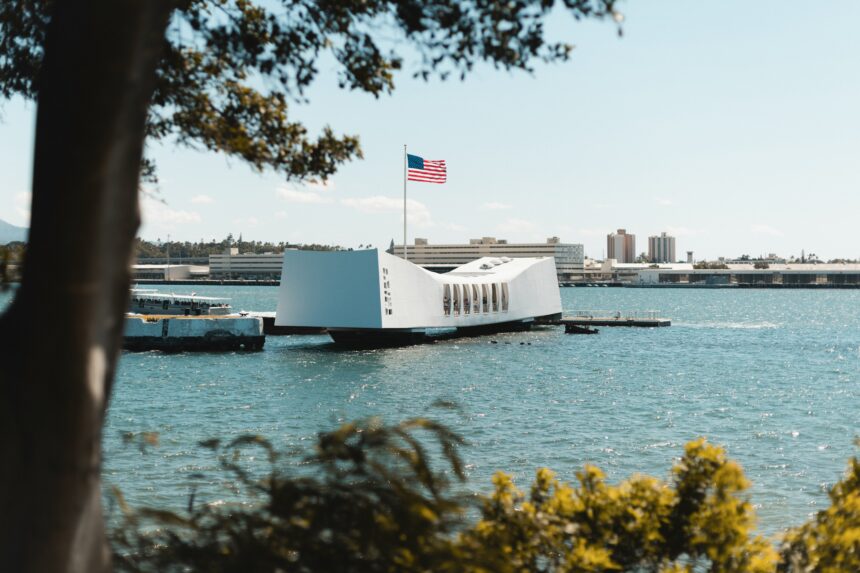
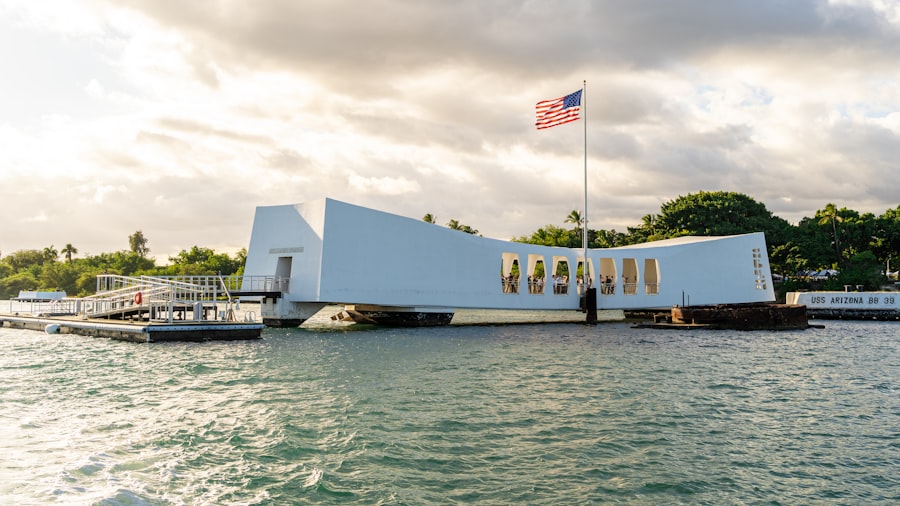
The documentary dedicates time to the Pearl Harbor National Memorial, showcasing its significance as a place of remembrance and reflection. The film highlights the USS Arizona Memorial, a poignant reminder of the sacrifices made on that day. It explores the ongoing efforts to preserve the site and to educate future generations about the events of December 7th, 1941.
Honoring the Fallen: The USS Arizona Memorial
The film provides a moving depiction of the USS Arizona Memorial, the final resting place for many of the sailors who perished. It explains the history of its construction and its enduring power as a symbol of the attack’s devastating impact. The documentary emphasizes the sacred nature of the site and the continuous stream of visitors who come to pay their respects.
Preserving the Memory: Education and Awareness
“Remembering Pearl Harbor” underscores the vital importance of historical preservation and education. The documentary highlights the work of historians, archivists, and educators who strive to ensure that the lessons of Pearl Harbor are not lost to time. It emphasizes the need for future generations to understand the sacrifices made and the consequences of unchecked aggression.
Lessons Learned: A Call for Peace and Preparedness
The documentary concludes with a powerful reflection on the lessons learned from Pearl Harbor. It argues that the attack serves as a perpetual reminder of the fragility of peace and the importance of maintaining a strong defense. The film encourages viewers to consider the ongoing relevance of these lessons in contemporary global affairs, promoting a message of remembrance, vigilance, and a commitment to preventing future tragedies. The film leaves the audience with a profound sense of the weight of history and the enduring significance of that fateful day.

Japan Won Pearl Harbor—So Why Did It Lose the War?
FAQs
What is the Pearl Harbor history documentary about?
The Pearl Harbor history documentary explores the events leading up to and following the attack on Pearl Harbor on December 7, 1941. It provides a comprehensive look at the historical context, the attack itself, and its impact on the United States and the world.
Who produced the Pearl Harbor history documentary?
The Pearl Harbor history documentary was produced by [Production Company Name]. The documentary features interviews with historians, survivors, and experts, as well as archival footage and reenactments to provide a detailed account of the events surrounding the attack.
Where can I watch the Pearl Harbor history documentary?
The Pearl Harbor history documentary is available for streaming on [Streaming Platform Name] or for purchase on DVD/Blu-ray. It may also be available for rental or purchase through various online platforms and retailers.
What makes the Pearl Harbor history documentary unique?
The Pearl Harbor history documentary offers a comprehensive and in-depth look at the events surrounding the attack on Pearl Harbor, featuring interviews with survivors and experts, as well as rare archival footage. It provides a detailed and nuanced understanding of the historical context and impact of the attack.
How long is the Pearl Harbor history documentary?
The length of the Pearl Harbor history documentary may vary depending on the version or edition. Typically, it ranges from 60 minutes to 120 minutes, providing a thorough exploration of the historical events and their significance.