The Second World War, a global conflagration that reshaped continents and ideologies, also served as an unprecedented catalyst for the dramatic ascent of American industrial might. While the United States entered the conflict relatively late, its immense productive capacity, when fully mobilized, proved to be a decisive factor in the Allied victory. This surge in industrial output was not merely an increase in existing capacity; it was a fundamental transformation, driven by innovation, strategic planning, and an unparalleled mobilization of resources. The nation transitioned from a peacetime economy to a wartime behemoth, churning out the matériel that would ultimately overwhelm the Axis powers.
The phrase “Arsenal of Democracy,” coined by President Franklin D. Roosevelt in 1940, was more than just rhetoric; it was a prescient declaration of intent and a harbinger of the industrial revolution that was about to grip the United States. Even before the attack on Pearl Harbor galvanized the nation into direct combat, American factories were already operating at near-capacity, supplying crucial war materials to Allied nations under programs like the Lend-Lease Act. This pre-war ramping up of production laid the groundwork for the all-out war effort that would soon follow. The sheer scale of demand, coupled with a national will to resist aggression, spurred an unprecedented level of industrial activity.
Shifting Gears: From Consumer Goods to Combat Machines
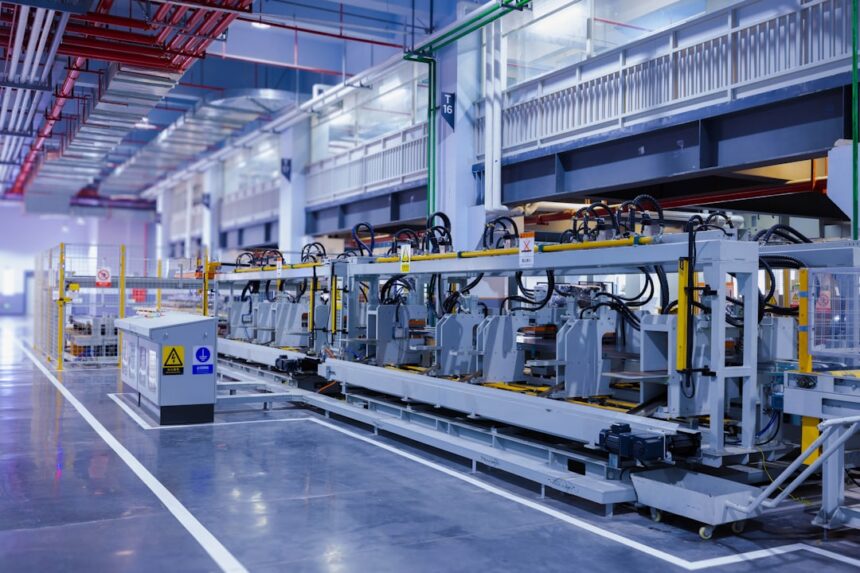
The transition from a consumer-driven economy to one focused on military production was a monumental undertaking. Factories that once produced automobiles began churning out tanks and aircraft. Those that manufactured washing machines shifted to producing shell casings and ammunition. This dramatic pivot required not only a retooling of machinery but also a profound reorientation of labor and management.
The Automotive Industry’s Pivotal Role
The American automobile industry, already a titan of mass production, became the engine of the war effort. Companies like Ford, General Motors, and Chrysler, renowned for their assembly lines and efficiency, repurposed their facilities to produce a staggering volume of military hardware.
Tank Production: Armored Behemoths Rolling Off Assembly Lines
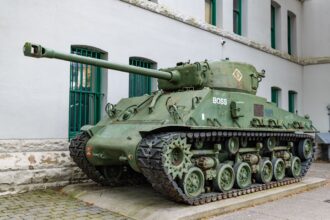
The production of tanks, a crucial element of modern warfare, saw the automotive industry rise to the occasion. The M4 Sherman tank, a workhorse of the Allied ground forces, was produced in prodigious numbers, exceeding 50,000 units. This feat of mass production, enabled by standardized parts and efficient assembly, ensured a steady stream of armored vehicles for battlefields across Europe and the Pacific. The adaptability of these factories allowed for rapid iteration and improvement, with different variants of the Sherman being introduced throughout the war to meet evolving combat needs.
Aircraft Production: Dominance of the Skies
Similarly, the aviation industry experienced an explosive growth. Companies like Boeing, Douglas, and North American Aviation became synonymous with the planes that would secure Allied air superiority. The B-17 Flying Fortress, a symbol of American air power, was produced in thousands, capable of delivering devastating payloads deep into enemy territory. The P-51 Mustang, a fighter aircraft renowned for its speed and range, played a critical role in escorting bomber fleets and achieving air superiority over enemy territory. The sheer volume of aircraft produced overwhelmed the Axis powers’ ability to contest the skies.
The Impact of Lend-Lease: Fueling the Allied War Machine
The Lend-Lease Act of 1941 was a critical piece of legislation that allowed the United States to supply Allied nations with war materials without immediate payment. This act, initially met with some debate, proved to be a masterstroke. It provided vital resources to countries like Great Britain and the Soviet Union, allowing them to continue their fight against Nazi Germany and Imperial Japan while the United States prepared its own full-scale entry into the war. The industrial output of the U.S. became a lifeline, sustaining the Allied war effort and preventing potential collapse.
Supplying the Soviet Union: A Vital Partnership
The Soviet Union, bearing the brunt of the initial German onslaught, received vast quantities of trucks, aircraft, and raw materials through Lend-Lease. These supplies were crucial in enabling the Red Army to sustain its massive counteroffensives and ultimately drive the German forces out of Soviet territory. The sheer volume of material aid helped compensate for the devastating losses incurred by the Soviets in the early years of the war.
Supporting Great Britain: The Bulwark Against Nazism
Great Britain, isolated and under constant threat of invasion, also relied heavily on American industrial output. Aircraft, ships, tanks, and munitions poured into the United Kingdom, bolstering its defenses and enabling it to continue the fight. The flow of supplies was critical in preventing a potential British surrender, which would have dramatically altered the course of the war.
During World War II, the industrial power of the United States played a crucial role in the Allied victory, as factories rapidly transitioned from peacetime production to manufacturing military equipment and supplies. This transformation not only boosted the economy but also showcased the ingenuity and resilience of American workers. For a deeper understanding of how U.S. industrial capabilities were mobilized during this pivotal time, you can read the insightful article available at In the War Room.
The Mobilization of American Industry: A National Undertaking
The transition to a total war economy required an unprecedented level of national mobilization, impacting every facet of American society and industry. Government intervention, strategic planning, and the collective effort of millions of Americans were essential to harnessing the nation’s industrial potential.
Government Intervention and Strategic Planning
The U.S. government played a crucial role in directing the war effort, establishing agencies and implementing policies to maximize industrial output and allocate resources effectively. The War Production Board (WPB), established in 1942, was instrumental in coordinating production, setting priorities, and resolving bottlenecks.
The War Production Board: Orchestrating the Industrial Symphony
The WPB was a powerful entity that wielded significant authority over American industry. It determined which goods were to be produced, how much of each, and to whom they would be allocated. This centralized control helped ensure that vital war materials were prioritized over less essential civilian production, preventing waste and maximizing efficiency. The board also played a role in encouraging innovation and streamlining production processes.
Setting Production Quotas and Priorities
The WPB set ambitious production quotas for key war materials, from aircraft to artillery shells. These quotas were often significantly higher than pre-war levels, pushing industries to their absolute limits. The board also established strict priority systems, ensuring that the military received the resources it needed first, before any civilian needs were considered.
Material Allocation and Rationing
Crucial raw materials like steel, rubber, and aluminum were in high demand and short supply. The WPB implemented stringent allocation systems to ensure these materials went to the most critical war production facilities. Civilian consumption of many goods was also rationed to conserve resources for the war effort.
The Human Factor: Labor’s Crucial Contribution
The industrial boom required a massive workforce, and American men and women answered the call. Millions entered the workforce, taking on jobs previously held by men who had gone to fight. The nation’s ability to mobilize its human capital was as vital as its manufacturing capabilities.
Women in the Workforce: “Rosie the Riveter” and Beyond
The iconic image of “Rosie the Riveter” symbolized the crucial role women played in the war effort. Women entered factories in unprecedented numbers, taking on skilled and unskilled labor roles in munitions plants, aircraft factories, and shipyards. This influx of female labor was essential to filling the void left by men serving in the military.
Breaking Barriers and Entering New Industries
Women not only filled existing roles but also broke into traditionally male-dominated industries, proving their capabilities in demanding and often dangerous work. Their contributions were vital to maintaining the pace of production and ensuring the war effort did not falter. The experience of working in these industrial settings also had a profound impact on women’s roles in society post-war.
The Rise of Unions and Labor Relations
The war effort also saw a significant shift in labor relations. Unions played a vital role in supporting the war effort, often agreeing to no-strike pledges in exchange for improved working conditions and government recognition. This period saw a complex interplay between labor, industry, and government, often resulting in increased productivity.
The industrial power of the United States during World War II played a crucial role in the Allied victory, as factories transformed to produce vast quantities of war materials. This remarkable shift not only showcased American ingenuity but also highlighted the importance of industrial mobilization in times of conflict. For a deeper understanding of how this transformation occurred, you can explore a related article that delves into the specifics of wartime production and its impact on the economy. To read more about this fascinating topic, visit this article.
Technological Innovation: Driving Efficiency and Superiority
The demands of war spurred rapid technological innovation, leading to advancements that not only aided the war effort but also had lasting impacts on post-war industries. From new materials to improved manufacturing techniques, innovation was a constant driving force.
Advancements in Metallurgy and Materials Science
The need for stronger, lighter, and more durable materials led to significant advancements in metallurgy and materials science. New alloys were developed for aircraft components, and improved steel alloys were essential for tanks and weaponry. These innovations contributed to the superior performance of Allied war machines.
The Revolution in Manufacturing Processes
The war pushed the boundaries of mass production. New assembly line techniques, precision machining, and advancements in quality control were developed and refined. These innovations not only increased output but also ensured the reliability and effectiveness of the vast quantities of war matériel produced.
The Scale of Production: A Numerical Testament to Power
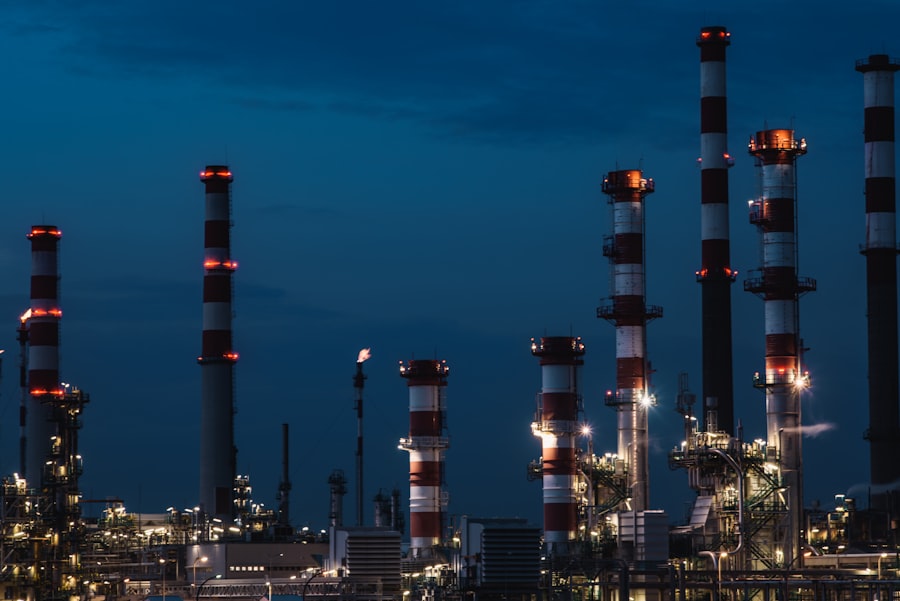
The sheer numbers generated by American industry during World War II are staggering and serve as a quantifiable testament to its rise in global power. The output of ships, aircraft, tanks, and other war materials dwarfed that of any other nation, including those on the Axis side.
The Mighty American Navy: Dominance on the Seas
The United States emerged from the war with the most powerful navy in the world. The shipbuilding industry, a cornerstone of American industrial might, produced an astonishing number of vessels, from aircraft carriers to destroyers and landing craft. This naval supremacy was crucial in projecting power across the vast Pacific and Atlantic oceans.
Aircraft Carrier Construction: The Floating Airfields of Victory
The construction of aircraft carriers was a monumental undertaking. These colossal vessels, the backbone of naval air power, were built in record time, allowing the U.S. Navy to project air power far from its shores. The sheer number of carriers built gave the U.S. a decisive advantage in naval battles.
Liberty Ships and Victory Ships: The Lifeline of the Allies
The production of cargo ships, particularly the Liberty ships and later Victory ships, was essential for transporting troops and supplies across the oceans. Thousands of these vessels were built, ensuring that Allied forces were consistently supplied and reinforced, a feat of logistical and industrial prowess.
The Air Force’s Unmatched Strength: Dominating the Skies
The rapid expansion of the U.S. Army Air Forces and the parallel growth of the aviation industry ensured Allied air superiority. The production figures for bombers, fighters, and transport aircraft are a testament to this dominance.
Bomber Production: Delivering the Payload
The relentless production of heavy bombers like the B-17 and B-24 allowed the Allies to conduct strategic bombing campaigns against Axis industrial centers and infrastructure. The sheer volume of bomber sorties and the tonnage of bombs dropped inflicted significant damage and contributed to the erosion of enemy war-making capacity.
Fighter Aircraft: Escorting Bombers and Achieving Air Superiority
The output of fighter aircraft, such as the P-51 Mustang and P-47 Thunderbolt, was critical in protecting bomber formations from enemy fighters and in achieving air superiority over battlefronts. The ability to contest and win air battles was a crucial element of Allied victories.
Ground Forces’ Reliance: The Sheer Volume of Armaments
The armies that fought on land were equipped with an overwhelming array of American-produced armaments. The scale of production for tanks, artillery, small arms, and ammunition ensured that Allied ground forces were consistently well-supplied.
Tank and Armored Vehicle Production: Rolling Off the Assembly Lines
As mentioned earlier, the production of tanks, particularly the M4 Sherman, reached extraordinary levels. This ensured that Allied armies had the armored superiority needed to break through enemy lines and advance across continents.
Artillery and Ammunition: The Unending Barrage
The production of artillery pieces and the vast quantities of ammunition required to sustain prolonged engagements were also critical. The ability to generate overwhelming artillery fire was a hallmark of Allied offensives and played a significant role in battlefield victories.
The Economic Transformation: A Lasting Legacy
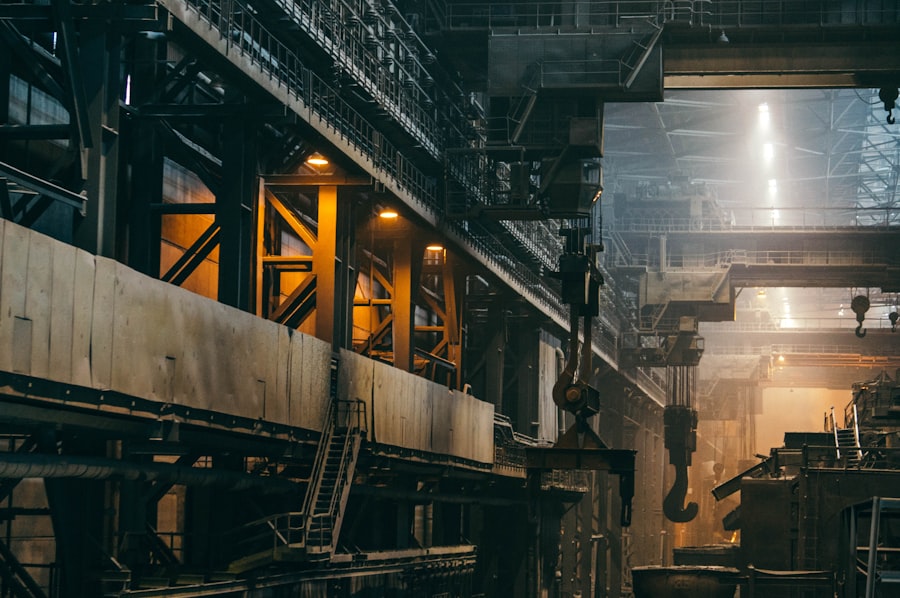
The industrial surge of World War II was not just a temporary wartime phenomenon; it fundamentally transformed the American economy, laying the groundwork for post-war prosperity and America’s emergence as a global economic superpower.
Full Employment and Economic Growth
The war effort effectively ended the Great Depression by creating millions of jobs and stimulating unprecedented economic growth. The demand for labor was so high that it led to full employment, a stark contrast to the pre-war economic climate.
The End of the Great Depression
The massive government spending on war production and the subsequent demand for labor provided the stimulus that the American economy desperately needed. Factories hummed with activity, and unemployment plummeted.
Increased Consumer Spending Power
With full employment and increased wages, American consumers had more disposable income than ever before. Although many goods were rationed during the war, pent-up demand laid the foundation for a post-war consumer boom.
The Rise of New Industries and Technologies
The wartime innovations and the expansion of existing industries created new sectors and technologies that would continue to drive economic growth after the war. The advancements made in fields like aviation, electronics, and petrochemicals had lasting impacts.
The Dawn of the Jet Age
While propeller-driven aircraft dominated World War II, the war also saw significant early development in jet engine technology, foreshadowing the dawn of the jet age and its transformative impact on aviation and transportation.
Advancements in Electronics and Computing
The war accelerated the development of radar, sonar, and early forms of computing. These technologies, initially developed for military purposes, would later form the bedrock of the modern electronics and information technology industries.
America’s Global Economic Dominance
By the end of the war, the United States possessed an industrial capacity and economic might unparalleled in the world. This position allowed it to play a leading role in shaping the post-war global order, establishing institutions like the International Monetary Fund and the World Bank, and influencing international trade and development for decades to come. The industrial power forged in the crucible of World War II cemented America’s position as the preeminent global economic and industrial force.

Japan Won Pearl Harbor—So Why Did It Lose the War?
FAQs
What was the role of US industrial power in World War II?
During World War II, the United States played a crucial role in supplying the Allied forces with the necessary materials and equipment. The US industrial power was instrumental in producing weapons, ammunition, vehicles, and other supplies needed for the war effort.
How did US industrial power contribute to the Allied victory in World War II?
The US industrial power allowed for mass production of war materials, which helped to supply not only the US military but also the Allied forces. This production capability played a significant role in tipping the balance of power in favor of the Allies and ultimately contributed to their victory in World War II.
What were some key industries that contributed to US industrial power during World War II?
Key industries that contributed to US industrial power during World War II included automobile manufacturing, steel production, aircraft manufacturing, shipbuilding, and the production of munitions and other war materials.
How did US industrial power impact the economy during World War II?
The massive production and expansion of industries during World War II led to a significant boost in the US economy. The war effort created millions of jobs and stimulated economic growth, helping the country recover from the Great Depression.
What long-term effects did US industrial power during World War II have on the country?
The industrial power and technological advancements achieved during World War II laid the foundation for the United States to become a global economic and industrial powerhouse in the post-war era. The experience gained from wartime production also influenced future industrial and technological developments.