The Pearl Harbor attack, a swift and devastating surprise assault launched by the Imperial Japanese Navy Air Service against the United States naval base at Pearl Harbor, Hawaii, on December 7, 1941, remains one of the most pivotal and tragic moments in American history. This unprovoked act of aggression plunged the United States into World War II, irrevocably altering the course of the global conflict and shaping the geopolitical landscape for decades to come. Understanding the intricate web of factors that led to this infamous event, the attack itself, and its far-reaching consequences is crucial for grasping the complexities of 20th-century history and the enduring impact of the “day that will live in infamy.”
The seeds of the Pearl Harbor attack were sown years before the bombs fell, germinating from a complex interplay of escalating tensions between the United States and Imperial Japan. These tensions were rooted in differing ambitions, economic rivalries, and a growing sense of nationalist fervor that propelled Japan towards a militaristic expansionist agenda.
Japan’s Imperial Ambitions and the “Greater East Asia Co-Prosperity Sphere”
Since the late 19th century, Japan had embarked on a rapid modernization and industrialization program, fueled by a desire to assert its dominance in East Asia. This ambition was encapsulated in the concept of the “Greater East Asia Co-Prosperity Sphere,” a Japanese-led bloc intended to liberate Asian nations from Western colonial rule and establish Japan as the preeminent power in the region. This vision, however, masked a strategic imperative to secure vital resources – particularly oil, rubber, and minerals – that were essential for Japan’s burgeoning industrial and military complex.
The Invasion of Manchuria and China
The first significant outward manifestation of Japan’s expansionist policies was the invasion of Manchuria in 1931, followed by the full-scale Second Sino-Japanese War in 1937. These aggressive actions were met with international condemnation, including sanctions from the United States and other Western powers. Japan viewed these sanctions not as a deterrent, but as an infringement on its perceived right to expand and secure its future. The prolonged and brutal conflict in China further strained Japan’s resources and solidified its resolve to break free from what it saw as an encircling and hostile international order.
The Role of Western Powers and U.S. Economic Sanctions
The United States, along with Great Britain and the Netherlands, held significant colonial possessions and economic interests in Asia. Their presence and influence were seen by Japan as obstacles to its grand ambitions. As Japan’s aggression intensified, the U.S. gradually tightened economic sanctions, aiming to cripple Japan’s war-making capacity.
The Oil Embargo of 1941
The most critical of these sanctions was the oil embargo imposed by the United States in July 1941. Japan was heavily reliant on imported oil, with the United States being its primary supplier. This embargo was a decisive blow, threatening to bring Japan’s economy and military machine to a standstill within a matter of months. For Japan’s militaristic leadership, this was an unacceptable ultimatum. They saw it as a direct challenge that left them with two stark choices: capitulate to American demands and abandon their imperial aspirations, or strike decisively to secure the resources they needed and break the perceived American stranglehold.
The Inevitability of War and the Decision for a Preemptive Strike
Faced with the crippling oil embargo and a belief that war with the United States was inevitable, Japan’s military leaders began to seriously consider a preemptive strike. The prevailing strategic thinking within the Imperial Japanese Navy was that a swift and decisive blow could cripple the U.S. Pacific Fleet, thereby gaining Japan the time needed to consolidate its gains in Southeast Asia and create an impenetrable defensive perimeter.
Yamamoto’s Strategic Vision
Admiral Isoroku Yamamoto, Commander-in-Chief of the Combined Fleet, was a key architect of the Pearl Harbor plan. Despite his reservations about a protracted war with the United States, which he famously described as a “mechanical monster,” Yamamoto believed that a successful surprise attack was the only way to achieve Japan’s objectives. He envisioned an attack that would neutralize the U.S. Pacific Fleet, allowing Japan to seize vital resource-rich territories in the Dutch East Indies and Southeast Asia before the United States could effectively respond. His strategic gamble was based on the hope that such a devastating blow would demoralize the American public and government, potentially leading to a negotiated peace favorable to Japan.
The Pearl Harbor attack, a pivotal moment in World War II, is thoroughly examined in a related article that delves into the events leading up to December 7, 1941, and the subsequent impact on American military strategy. For a deeper understanding of this historical event, you can read more in the article available at this link.
The Planning and Execution of the Attack
The attack on Pearl Harbor was a meticulously planned operation, characterized by innovation, secrecy, and a degree of audacity that bordered on the reckless. Japanese strategists understood the psychological and strategic impact of targeting the heart of the U.S. Pacific Fleet.
The Development of the Torpedo Bomber
One of the most significant technological innovations that made the Pearl Harbor attack feasible was the development of a shallow-water torpedo. Standard naval torpedoes were designed to run at depths of around 20-30 feet, making them unsuitable for the relatively shallow waters of Pearl Harbor, which were around 40-50 feet deep. Japanese engineers successfully modified torpedoes to run at shallower depths, enabling them to be deployed effectively in the harbor. This seemingly minor adjustment was crucial for the success of the air raid.
Special Torpedo Modifications
These specialized torpedoes, often referred to as “Type 91” torpedoes, were fitted with wooden fins to prevent them from diving too deeply upon entering the water. This ingenious modification allowed them to maintain their trajectory and hit their targets effectively, turning a potential technical hurdle into a decisive advantage for the attackers.
The “Kido Butai” – The Striking Force
The core of the Japanese attack force was the Kido Butai, a carrier strike force comprised of six aircraft carriers: Akagi, Kaga, Soryu, Hiryu, Shokaku, and Zuikaku. This massive fleet, carrying over 400 aircraft, sailed from the Kuril Islands in secrecy, navigating through treacherous waters and employing strict radio silence to avoid detection. The sheer scale of this carrier force was unprecedented and represented a significant shift in naval warfare doctrine, emphasizing the power of concentrated air power at sea.
The First and Second Waves
The attack itself was carried out in two distinct waves. The first wave, launched just before 8:00 AM on December 7th, targeted the battleships moored at Ford Island and the airfields on Oahu, aiming to cripple the U.S. fleet and neutralize its air defenses. The second wave, launched about an hour later, focused on further damage to ships and shore installations. The element of surprise was paramount, and the attackers achieved it with devastating effectiveness.
The Element of Surprise: Intelligence Failures and Miscalculations
Despite Japan’s meticulous planning, the success of the attack was also a result of significant intelligence failures and miscalculations on the part of the United States. While U.S. cryptanalysts had broken Japanese diplomatic codes (known as “Magic”), the intelligence was not fully disseminated or interpreted to anticipate an attack of this magnitude and location.
Broken Codes and Missed Warnings
American intelligence had intercepted numerous coded messages indicating heightened Japanese military activity and aggressive intentions. However, the focus remained on potential conflict in Southeast Asia and the Philippines, and the possibility of a direct attack on Pearl Harbor was largely discounted. Furthermore, warnings about potential air attacks on Pearl Harbor had been issued previously, but they were often vague and lacked specific details, leading to a complacency that proved disastrous.
The Sunday Morning Assault
The choice of a Sunday morning was also a deliberate tactic by the Japanese to maximize surprise and inflict maximum damage. The U.S. naval personnel were largely off-duty or engaged in routine Sunday activities, with ships moored tightly together, presenting an ideal, albeit tragic, target.
The Devastation of Pearl Harbor
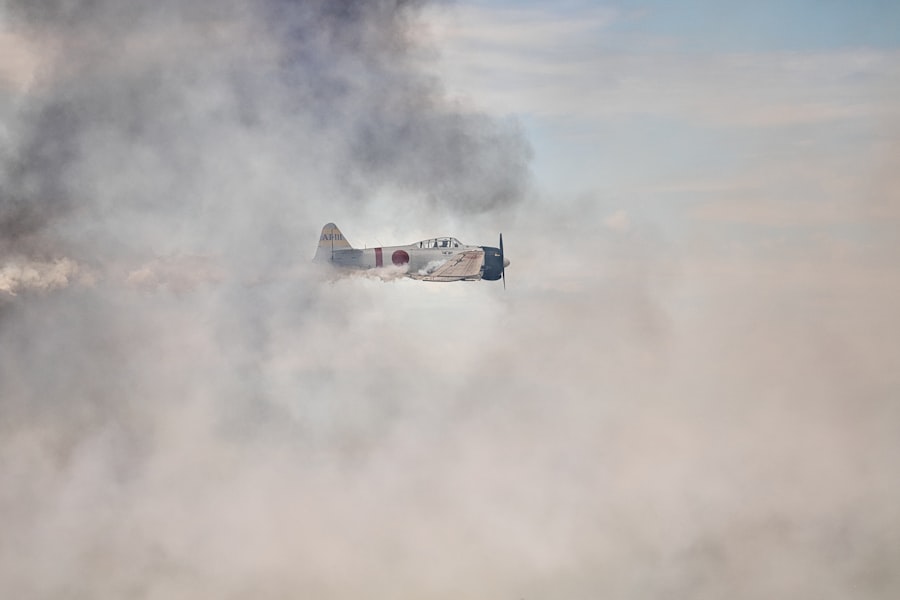
The attack on Pearl Harbor was a brutal and swift onslaught that inflicted immense damage and loss of life. The sheer ferocity and effectiveness of the Japanese assault shocked the American military and public alike.
The Sinking and Damage of U.S. Naval Vessels
The primary targets of the Japanese attack were the battleships of the U.S. Pacific Fleet, moored in Battleship Row. In a matter of hours, eight battleships were damaged, with four sunk: the USS Arizona, USS Oklahoma, USS California, and USS West Virginia. The USS Utah also capsized, and the USS Maryland, USS Pennsylvania, and USS Tennessee sustained significant damage.
The USS Arizona: A Symbol of Sacrifice
The sinking of the USS Arizona was particularly catastrophic. Hit by multiple bombs, the battleship’s forward magazine exploded, causing the vessel to break in half and sink within minutes, taking with it 1,177 of its crew. The remains of the USS Arizona now serve as a poignant memorial, a stark reminder of the human cost of the attack.
Loss of Aircraft and Infrastructure
Beyond the naval vessels, the attack also decimated the U.S. air power stationed at various airfields across Oahu. Hundreds of American aircraft – including fighters, bombers, and reconnaissance planes – were destroyed on the ground before they could even get airborne. This included significant damage to naval air facilities and Army Air Corps bases, severely hampering the U.S. ability to respond immediately.
The Destruction of Airfields
Airfields like Hickam Field, Wheeler Field, and Bellows Field were targeted by Japanese bombers and strafing runs, turning hangars into infernos and runways into debris-strewn obstacles. This effective neutralization of American air power left the fleet vulnerable and the island exposed.
The Human Cost: Casualties and Injuries
The human toll of the attack was staggering. Over 2,400 Americans were killed, and more than 1,100 were wounded. The majority of the fatalities were U.S. Navy personnel, but Army soldiers and civilians also perished in the onslaught. The suddenness and brutality of the attack left families across America reeling from grief and shock.
A Day of Infamy
The attack on Pearl Harbor became known as “a date which will live in infamy,” a phrase immortalized by President Franklin D. Roosevelt in his address to Congress the following day. This phrase encapsulates the profound shock and outrage that swept through the United States, galvanizing public opinion and solidifying the resolve to enter the war.
The Immediate Aftermath: Mobilization and Declaration of War
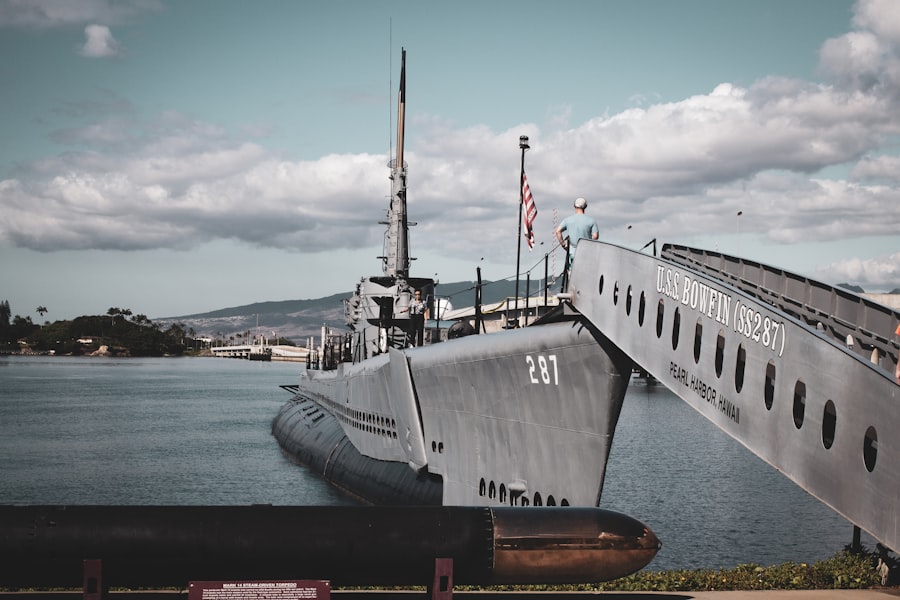
The day after the attack, the United States formally declared war on Japan, marking its entry into World War II. The impact of Pearl Harbor was immediate and profound, transforming the political and military landscape of the world.
President Roosevelt’s Address to Congress
In his historic speech to a joint session of Congress on December 8, 1941, President Roosevelt declared that December 7th was “a date which will live in infamy.” He requested a declaration of war against the Empire of Japan, a request that was met with an almost unanimous vote. The nation, which had previously been divided on the issue of entering the war, was now united in its determination to fight.
The Uniting Force of Aggression
The unprovoked nature of the attack served as a powerful unifying force for the American people. The isolationist sentiment that had previously held sway was largely swept away by a wave of patriotism and a deep-seated desire for retribution.
Germany and Italy Declare War on the U.S.
In a crucial strategic miscalculation, Germany and Italy, allies of Japan through the Tripartite Pact, declared war on the United States on December 11, 1941. This move, which was not explicitly required by the pact, effectively brought the United States into the European theater of the war as well, transforming a Pacific conflict into a truly global conflagration.
Expanding the Global Conflict
The declarations of war by Germany and Italy meant that the United States now faced a two-front war against formidable Axis powers. This cemented the global nature of World War II and set the stage for the massive mobilization of American resources and manpower that would ultimately contribute to the Allied victory.
The Beginning of the War in the Pacific
The attack on Pearl Harbor was not just an isolated incident; it was the spark that ignited the full-scale Pacific War. Japan, emboldened by its initial successes, rapidly expanded its territorial gains throughout Southeast Asia and the Pacific in the ensuing months.
Japanese Expansion in the Early Months
Following Pearl Harbor, Japanese forces quickly overran Malaya, Singapore, the Philippines, the Dutch East Indies, and Burma, achieving their objective of securing vital resources and establishing their defensive perimeter. This period of rapid Japanese advance created a sense of immense urgency for the Allied powers to regroup and mount a counteroffensive.
The Pearl Harbor attack remains one of the most significant events in American history, marking the United States’ entry into World War II. For those seeking a deeper understanding of the circumstances and implications surrounding this pivotal moment, an insightful article can be found at In The War Room. This resource offers a comprehensive analysis of the events leading up to the attack, the immediate aftermath, and its lasting impact on U.S. military strategy.
The Long-Term Consequences and Legacy
| Aspect | Details |
|---|---|
| Date | December 7, 1941 |
| Location | Pearl Harbor, Hawaii |
| Attackers | Imperial Japanese Navy |
| Objective | To destroy the US Pacific Fleet and prevent US intervention in the Pacific |
| Damage | 8 US battleships, 3 cruisers, 4 destroyers, and 188 aircraft destroyed |
| Casualties | 2,403 Americans killed, 1,178 wounded |
| Aftermath | US entry into World War II |
The attack on Pearl Harbor had far-reaching and enduring consequences, shaping not only the outcome of World War II but also the post-war world order and the trajectory of international relations.
The Turning Point of World War II
While the immediate impact of Pearl Harbor was devastating for the U.S. Pacific Fleet, it ultimately proved to be a strategic blunder for Japan. The attack galvanized American public opinion, united a divided nation, and propelled the United States into the war with full force. This influx of American industrial might and military power, coupled with the nation’s resolve, proved to be a decisive factor in the eventual Allied victory.
The Industrial Might of America
The United States, with its vast industrial capacity and relatively untouched mainland, was able to mobilize for war on an unprecedented scale. The resources and manpower unleashed by America tipped the balance of power in favor of the Allies, enabling them to eventually overwhelm the Axis powers.
The Rise of the United States as a Global Superpower
The United States emerged from World War II as the world’s preeminent economic and military superpower. The war effort significantly expanded its industrial base, technological capabilities, and global influence. The experience of fighting a global war and its subsequent role in rebuilding the war-torn world solidified America’s position on the international stage.
Post-War Global Influence
The post-war era saw the United States play a leading role in establishing international institutions like the United Nations and the Bretton Woods system, shaping the global economic and political order. Its military presence and alliances extended across the globe, marking a significant shift from its pre-war isolationist stance.
The Transformation of Naval Warfare
The success of carrier-based air power at Pearl Harbor, and its subsequent evolution throughout World War II, fundamentally transformed naval warfare. The battleship, once the dominant symbol of naval power, was largely superseded by the aircraft carrier as the capital ship. This shift ushered in a new era of maritime strategy, emphasizing speed, maneuverability, and the overwhelming power of aerial projection.
The Dominance of Aircraft Carriers
The battleships sunk or damaged at Pearl Harbor represented the end of an era. The subsequent decades of naval development were dominated by the rise of the aircraft carrier, which became the central component of modern naval fleets, projecting power across vast distances.
The Enduring Memory and Lessons Learned
The attack on Pearl Harbor remains a potent symbol of the dangers of surprise attacks, the importance of intelligence preparedness, and the devastating human cost of war. It serves as a constant reminder of the fragility of peace and the necessity of vigilance in international relations.
The Importance of Preparedness and Diplomacy
The legacy of Pearl Harbor underscores the critical importance of maintaining a strong defense, fostering robust intelligence capabilities, and engaging in active diplomacy to prevent conflicts. The memory of that fateful day continues to inform strategic thinking and policy decisions, urging leaders to learn from history and strive for a more peaceful world. The attack on Pearl Harbor, a moment of profound tragedy, also served as a catalyst for change, forever altering the course of history and leaving an indelible mark on the global consciousness.
Japan Won Pearl Harbor—So Why Did It Lose the War?
FAQs
What was the date of the Pearl Harbor attack?
The Pearl Harbor attack occurred on December 7, 1941.
Who was responsible for the Pearl Harbor attack?
The attack on Pearl Harbor was carried out by the Imperial Japanese Navy.
What were the consequences of the Pearl Harbor attack?
The attack on Pearl Harbor led to the United States’ entry into World War II. It also resulted in significant damage to the US Pacific Fleet and the loss of over 2,400 American lives.
How did the United States respond to the Pearl Harbor attack?
Following the attack on Pearl Harbor, the United States declared war on Japan and officially entered World War II.
What is the significance of the Pearl Harbor attack in history?
The Pearl Harbor attack is considered a pivotal moment in history, as it led to the United States’ involvement in World War II and ultimately shaped the course of the war.