The specter of conflict in the Taiwan Strait casts a long shadow across global security, and with it, a renewed focus on the readiness of the United States military. The potential for a large-scale, high-intensity engagement with a peer adversary like the People’s Republic of China (PRC) demands an unflinching assessment of America’s ability to project power, sustain operations, and achieve its strategic objectives. This is not a hypothetical exercise confined to war games; it is a pragmatic imperative that shapes defense budgets, training doctrines, and the very structure of the U.S. armed forces. The ability of the United States to deter aggression and, if necessary, to fight and win in such a scenario hinges on a complex interplay of factors, from the technological sophistication of its weaponry to the resilience of its logistical networks and the training of its personnel.
The security environment surrounding Taiwan has become increasingly complex and volatile. For decades, the primary concern was the PRC’s gradual military modernization. However, in recent years, this modernization has accelerated at an unprecedented pace, transforming the People’s Liberation Army (PLA) into a formidable force capable of challenging U.S. dominance in the Indo-Pacific. This shift is not merely quantitative; it represents a qualitative leap in China’s military capabilities, particularly in areas relevant to a Taiwan contingency.
The PLA’s Modernization and Its Implications for Readiness
The PLA has embarked on a comprehensive modernization program that spans all domains of warfare. Its naval expansion has been particularly striking, with the commissioning of new aircraft carriers, advanced destroyers, and a growing fleet of submarines. This naval buildup is designed to extend China’s reach and create anti-access/area denial (A2/AD) capabilities that could impede U.S. naval operations in the region. Similarly, the PLA Air Force has acquired modern fighter jets, bombers, and advanced air-to-air missiles, bolstering its ability to contest air superiority.
Ballistic and Cruise Missile Capabilities
A critical component of the PLA’s A2/AD strategy is its vast and sophisticated arsenal of ballistic and cruise missiles. These weapons, including intermediate-range ballistic missiles (IRBMs) and anti-ship ballistic missiles (ASBMs), are specifically designed to target naval vessels and critical infrastructure. Their proliferation and increasing accuracy pose a significant threat to U.S. naval assets operating in the Western Pacific, including aircraft carriers and amphibious assault ships, which are vital for projecting power and supporting a Taiwan defense. The ability of the U.S. military to counter or neutralize these missile threats, through advanced missile defense systems and offensive capabilities, is a paramount concern for readiness.
Cyber and Space Warfare Capabilities
Beyond the traditional kinetic domains, the PRC has made substantial investments in cyber and space warfare capabilities. These domains offer the PLA asymmetric advantages that can be leveraged to disrupt U.S. command and control, degrade sensor networks, and interfere with communications. A conflict over Taiwan would almost certainly involve extensive cyberattacks and potential operations in space, aiming to blind and disorient U.S. forces. The U.S. military’s readiness in these non-kinetic domains, including its ability to defend its own networks and exploit adversary vulnerabilities, is as crucial as its ability to engage in conventional warfare.
The Geography of the Taiwan Strait and its Challenges
The Taiwan Strait itself presents a unique and challenging operational environment. The strait is relatively narrow, making it susceptible to concentrated naval and air interdiction. Furthermore, Taiwan’s mountainous terrain and dense urban areas would complicate any amphibious assault or ground invasion by Chinese forces. However, these same geographical features also present challenges for U.S. forces attempting to intervene, particularly in terms of establishing secure bases and projecting power across significant distances.
The Tyranny of Distance and Logistics
The vast expanse of the Pacific Ocean is a significant factor in assessing U.S. military readiness for a Taiwan conflict. The United States would need to transport and sustain a massive amount of personnel, equipment, and supplies across thousands of miles. This “tyranny of distance” places immense strain on logistical networks, including sealift and airlift capabilities, as well as the availability of forward operating bases. Ensuring the resilience and redundancy of these logistical chains, especially in the face of potential attacks on these vulnerable nodes, is a critical element of readiness.
The Role of Allies and Partners
The United States cannot and would not confront a Taiwan conflict alone. The support of regional allies and partners, such as Japan, South Korea, Australia, and potentially others, is indispensable. These nations not only provide crucial geographic proximity and basing options but also contribute military capabilities and intelligence. The integration of allied forces into U.S. operational plans and the interoperability of their systems are key aspects of readiness that require continuous development and exercise.
Recent discussions surrounding U.S. military readiness in the context of a potential conflict over Taiwan have gained significant attention. An insightful article that delves into this topic can be found at In the War Room, where experts analyze the implications of military preparedness and strategic positioning in the Asia-Pacific region. This piece highlights the challenges the U.S. faces in ensuring its forces are equipped and ready to respond effectively to any escalation in tensions involving Taiwan.
U.S. Military Strengths and Capabilities
Despite the formidable challenges, the United States military possesses significant strengths and capabilities that are vital to its readiness for a Taiwan contingency. These strengths are the result of decades of investment in advanced technology, rigorous training, and a global presence.
Technological Superiority in Key Areas
The U.S. military has long prided itself on its technological edge, and this remains a crucial advantage. Investments in advanced aircraft, naval vessels, and intelligence, surveillance, and reconnaissance (ISR) platforms provide the U.S. with superior situational awareness and combat power.
Fifth-Generation Aircraft and Naval Dominance
The U.S. Air Force’s fleet of fifth-generation fighter jets, such as the F-22 Raptor and F-35 Lightning II, offers unparalleled stealth, situational awareness, and combat capabilities. These aircraft are designed to penetrate contested airspace and engage advanced enemy air defenses. Similarly, the U.S. Navy operates the most advanced fleet of aircraft carriers, guided-missile destroyers, and submarines in the world, providing a robust platform for power projection and sea control. The ability to maintain air and sea superiority is fundamental to any successful defense of Taiwan.
Advanced ISR and Command and Control Networks
Effective ISR is the bedrock of any modern military operation. The U.S. military employs a sophisticated array of satellites, drones, and manned aircraft to gather intelligence and maintain situational awareness. These capabilities, coupled with advanced command and control (C2) networks, allow U.S. commanders to make informed decisions and coordinate complex operations across vast distances. The survivability and resilience of these C2 networks in a high-intensity conflict are critical to U.S. readiness.
The Importance of Joint Operations and Interoperability
A conflict in the Taiwan Strait would necessitate a truly joint effort, involving the coordinated actions of all branches of the U.S. military: the Army, Marine Corps, Navy, Air Force, and Space Force. The ability of these services to operate seamlessly together, sharing information and coordinating their fires, is paramount.
Training and Exercises for Joint Warfare
The U.S. military conducts a wide range of joint exercises and training evolutions designed to hone these interoperability skills. These exercises, often conducted in realistic operational environments, allow different service components to practice integrated operations, identify potential friction points, and refine their tactical and strategic approaches. The scale and complexity of exercises like “Valiant Shield” and “Pacific Rim” are indicative of the commitment to developing joint fighting capabilities.
Interoperability with Allied Forces
Beyond the U.S. services, interoperability with allied forces is equally vital. For a Taiwan contingency, this means ensuring that U.S. platforms and communication systems can seamlessly integrate with those of key partners, such as Japan and Australia. This interoperability extends to shared doctrine, procedures, and training, allowing for a cohesive and effective multinational response.
The Human Element: Training, Doctrine, and Morale
Ultimately, the effectiveness of any military rests on the quality of its personnel. U.S. military personnel are renowned for their professionalism, dedication, and adaptability. However, maintaining this edge requires continuous investment in training, the development of relevant doctrines, and the cultivation of high morale.
Modern Training Regimes and Simulations
The U.S. military employs sophisticated training regimes that increasingly incorporate high-fidelity simulations and virtual environments. These advanced training tools allow personnel to practice complex scenarios, from dogfights to amphibious assaults, in a safe and cost-effective manner. The emphasis is on developing critical thinking, problem-solving skills, and the ability to adapt to rapidly evolving situations.
Doctrine Development and Adaptability
Military doctrine is not static; it must evolve to meet emerging threats. The U.S. military is actively engaged in updating its doctrines to address the challenges posed by peer adversaries and the complexities of the Indo-Pacific operating environment. This includes developing new approaches to distributed operations, information warfare, and the integration of emerging technologies. The ability to adapt doctrine quickly in response to battlefield realities is a key indicator of readiness.
Challenges to U.S. Military Readiness
Despite its strengths, the U.S. military faces significant challenges that could impact its readiness for a Taiwan conflict. These challenges are multifaceted and require sustained attention and investment to overcome.
The Strain on U.S. Global Presence and Force Posture
The U.S. military is currently engaged in operations across the globe, from counter-terrorism missions in the Middle East to deterring aggression in Eastern Europe. This global presence, while necessary, stretches U.S. resources and can create a strain on forces that may be needed for a primary contingency in the Indo-Pacific.
The “Great Power Competition” Strain
The current emphasis on “great power competition” with China and Russia has shifted U.S. strategic focus. This shift, while essential, has required a reallocation of resources and attention that can divert capabilities and personnel from other critical theaters. The constant demand on forward-deployed forces and the need to maintain readiness across multiple theaters creates a complex balancing act.
The Importance of Strategic Basing and Forward Presence
Maintaining a robust forward presence in the Indo-Pacific region is crucial for deterring aggression and enabling rapid response. This involves the ability to project power from bases in countries like Japan, South Korea, and Guam. However, the vulnerability of these bases to long-range missile attacks and the potential for political instability in host nations pose significant challenges to sustained readiness.
The Impact of Budgetary Constraints and Acquisition Processes
The U.S. defense budget, while substantial, must be carefully managed to ensure that resources are allocated effectively to address the most pressing threats. Furthermore, the defense acquisition process can be notoriously slow and cumbersome, delaying the fielding of much-needed new capabilities.
The Pace of Technological Advancement vs. Acquisition
The pace of technological change in the military domain is accelerating. Adversaries are rapidly developing and fielding new capabilities, and the U.S. defense acquisition process, which can take years or even decades, sometimes struggles to keep pace. This can lead to a gap between the capabilities needed and those that are actually fielded.
The Need for Agile and Responsive Procurement
To counter this, there is a growing recognition of the need for more agile and responsive procurement processes. This includes exploring options like rapid prototyping, modular design, and the use of commercial off-the-shelf (COTS) technologies to accelerate the fielding of advanced systems. The ability to quickly acquire and deploy new technologies is a critical component of readiness.
The Growing Threat of Cyber and Electronic Warfare
As previously mentioned, the PRC has made significant strides in cyber and electronic warfare capabilities. These domains represent a persistent and evolving threat to U.S. military readiness, as they can be used to disrupt communications, degrade sensor systems, and compromise critical infrastructure.
Defending Against Advanced Cyberattacks
The U.S. military faces the challenge of defending its own complex and interconnected networks against sophisticated cyberattacks. This requires continuous investment in cybersecurity technologies, training for cyber defense personnel, and the development of robust incident response plans.
Countering Adversary Electronic Warfare Capabilities
Adversary electronic warfare capabilities can jam radar systems, disrupt communications, and blind sensors. The U.S. military must maintain a sophisticated understanding of these capabilities and develop effective countermeasures to ensure its freedom of maneuver and operational effectiveness. This includes investing in resilient communication systems and advanced electronic warfare technologies.
Enhancing U.S. Military Readiness for Taiwan Contingency
Addressing the challenges to U.S. military readiness requires a multifaceted and sustained effort. A proactive approach that emphasizes adaptation, innovation, and investment is essential.
Investing in Advanced Capabilities and Technologies
Continued investment in cutting-edge military technologies is paramount. This includes not only traditional platforms but also emerging areas like artificial intelligence, hypersonic weapons, and advanced unmanned systems.
The Development of Next-Generation Naval and Air Assets
The future of naval and air power in the Indo-Pacific will likely involve a greater reliance on unmanned systems, distributed lethality, and advanced propulsion technologies. The U.S. military must accelerate the development and deployment of these next-generation assets to maintain its qualitative edge.
The Importance of Space-Based Capabilities
Space-based assets are critical for communication, navigation, intelligence gathering, and missile warning. Ensuring the resilience and survivability of these assets against potential adversary attacks is a top priority for U.S. military readiness.
Strengthening Alliances and Partnerships
The U.S. military’s readiness is inextricably linked to the strength of its alliances and partnerships. Deepening these relationships through joint training, exercises, and the standardization of procedures is crucial.
Joint Exercises and Interoperability Initiatives
Regular and realistic joint exercises with allies, such as those conducted in the Pacific, are essential for building trust, refining tactics, and ensuring seamless interoperability. These exercises should increasingly focus on scenarios that simulate a Taiwan contingency.
Burden Sharing and Collaborative Defense Planning
Encouraging greater burden-sharing among allies and engaging in collaborative defense planning can enhance collective security. This involves identifying complementary strengths and developing joint strategies that leverage the capabilities of all partners.
Modernizing Training and Simulation Environments
The U.S. military must continue to modernize its training and simulation environments to provide personnel with the most realistic and effective preparation possible. This includes embracing emerging technologies and adapting training methodologies to reflect the evolving nature of warfare.
The Use of AI and Virtual Reality in Training
Artificial intelligence and virtual reality (VR) offer unprecedented opportunities to create immersive and adaptive training scenarios. These technologies can provide personnel with realistic practice in complex situations, improving decision-making and operational proficiency.
Red Teaming and Adversarial Training
The U.S. military must also invest in robust “red teaming” capabilities and adversarial training to rigorously test its own systems and tactics against realistic and challenging simulations of adversary capabilities. This continuous evaluation is essential for identifying weaknesses and driving improvements.
Recent discussions surrounding US military readiness in the context of a potential conflict over Taiwan have gained significant attention. An insightful article on this topic can be found at In the War Room, where experts analyze the strategic implications of American forces in the Indo-Pacific region. The piece delves into the challenges and considerations that the US military faces as tensions rise, highlighting the importance of preparedness in ensuring stability in the area.
Conclusion: A State of Vigilant Readiness
| Metrics | Data |
|---|---|
| Number of US military personnel in the Asia-Pacific region | Approximately 60,000 |
| Number of US military bases in the Asia-Pacific region | Over 100 |
| US military budget for Asia-Pacific operations | Over 100 billion |
| Number of US aircraft carriers in the Pacific Fleet | Approximately 7 |
| Number of US military exercises in the region per year | Dozens |
The question of U.S. military readiness in the face of a potential Taiwan conflict is not one with a simple yes or no answer. It is a dynamic and evolving assessment, subject to continuous evaluation and adaptation. The United States military possesses significant strengths in technology, training, and alliances, which are crucial assets in deterring aggression and, if necessary, responding effectively. However, the accelerating military modernization of the PRC, coupled with the inherent challenges of the Indo-Pacific operating environment, demand a constant state of vigilance and a commitment to ongoing investment and adaptation.
The Imperative of Continuous Assessment and Adaptation
The U.S. military must maintain a rigorous and honest assessment of its readiness, acknowledging both its strengths and its vulnerabilities. This assessment should be continuous, informed by intelligence, operational experience, and rigorous analysis. Adaptation is not a one-time event; it is an ongoing process that must be embedded in the culture of the U.S. armed forces.
The Role of Deterrence and Diplomatic Engagement
Ultimately, the most effective way to ensure peace in the Taiwan Strait is through robust deterrence and active diplomatic engagement. A credible military posture, backed by strong alliances and clear communication of resolve, is essential to dissuade any potential aggressor. Simultaneously, diplomatic efforts to de-escalate tensions and promote stability in the region remain paramount. The readiness of the U.S. military is a critical component of this broader strategy, ensuring that America has the capability to uphold its commitments and contribute to a secure and stable Indo-Pacific. The path forward requires sustained focus, strategic foresight, and a steadfast commitment to maintaining a military that is ready for any challenge.
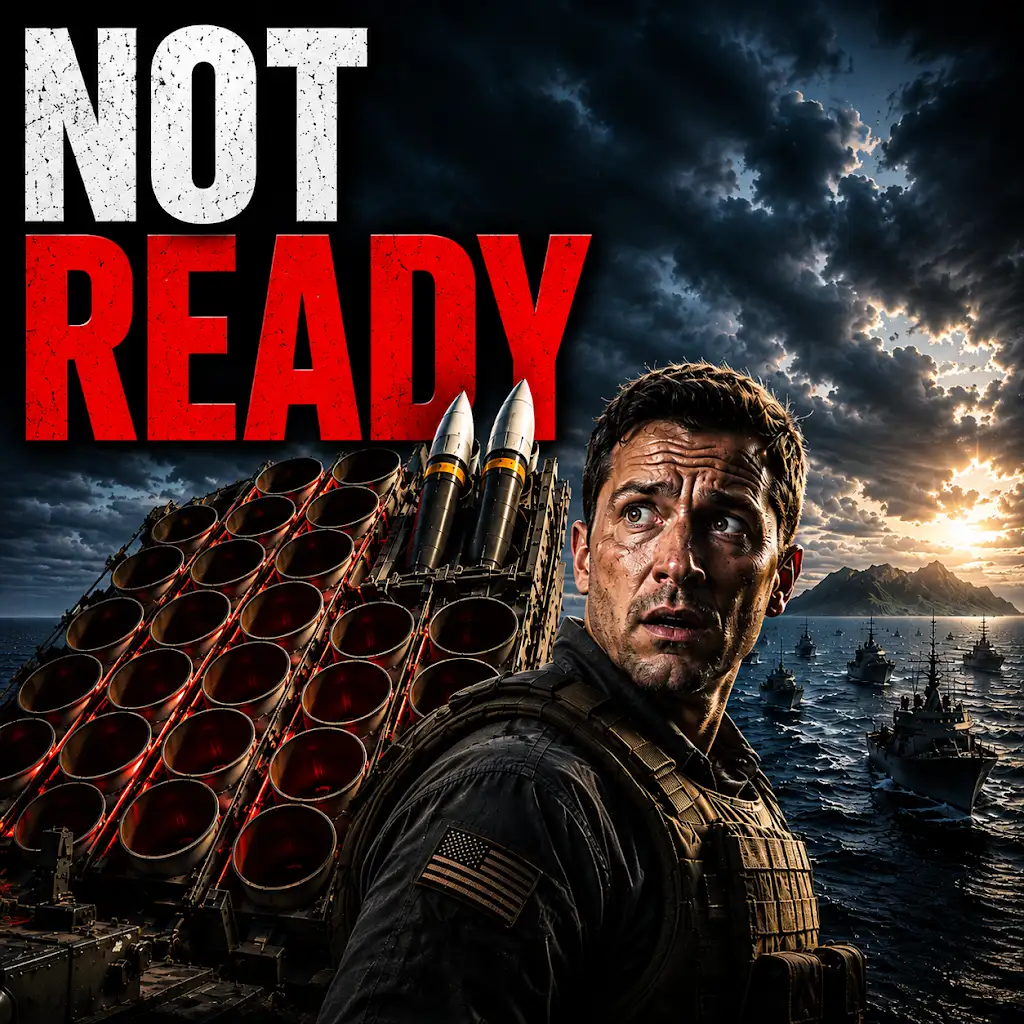
What Happens If China Moves Before America Rearms?
FAQs
What is the current state of US military readiness in the event of a conflict with Taiwan?
The US military is constantly monitoring and assessing its readiness for potential conflicts, including those involving Taiwan. The US has a strong military presence in the Asia-Pacific region, including naval and air assets, and regularly conducts joint military exercises with regional allies to maintain readiness.
What role does the US military play in the defense of Taiwan?
The US has a long-standing commitment to the defense of Taiwan and has provided military support to the island, including arms sales and security cooperation. The US military plays a crucial role in deterring aggression and maintaining stability in the region.
How does the US military coordinate with Taiwan’s military in terms of readiness and defense planning?
The US and Taiwan maintain close military ties, including regular communication and cooperation on defense planning and readiness. The US provides training and support to the Taiwanese military to enhance their capabilities and preparedness.
What are the potential challenges or obstacles to US military readiness in the event of a conflict involving Taiwan?
Potential challenges to US military readiness in a Taiwan conflict could include logistical issues related to the distance from US bases to the region, as well as the need to navigate complex political dynamics and potential opposition from other regional powers.
How does the US military’s readiness in the Taiwan conflict impact broader geopolitical dynamics in the Asia-Pacific region?
The US military’s readiness in the Taiwan conflict is a key factor in shaping broader geopolitical dynamics in the Asia-Pacific region. It sends a signal of US commitment to regional security and stability, and can influence the behavior of other actors in the region.