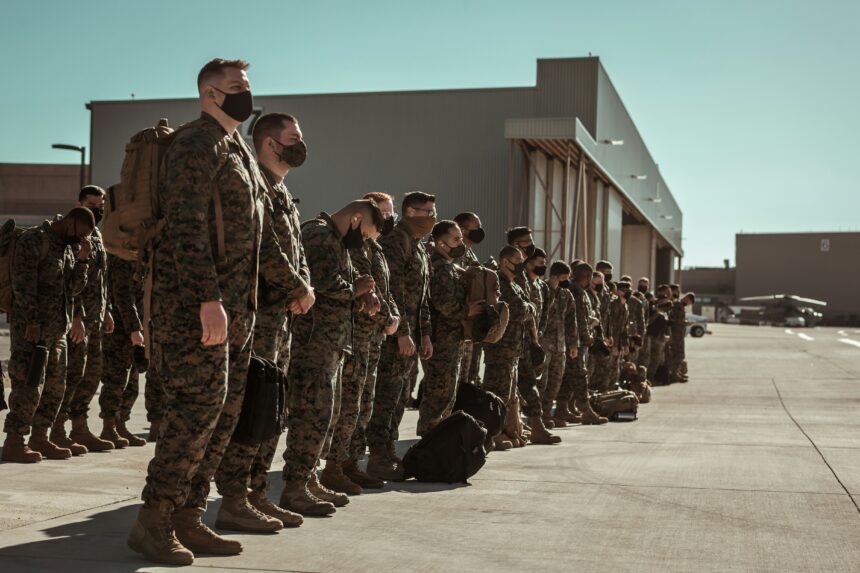
The United States military operates under a doctrine of maintaining a two-war capability. This strategic imperative, forged through decades of global engagement and evolving geopolitical realities, signifies the nation’s readiness to concurrently engage in and win two major conflicts of significant scale and scope. It is a cornerstone of American defense policy, demanding a constant state of preparedness that permeates every facet of the armed forces, from personnel training and equipment procurement to strategic planning and logistical support. The underlying principle is that America must be able to defend its interests and allies in one theater while simultaneously projecting power and deterring aggression in another, without compromising its ability to achieve victory in either. This complex undertaking is not merely a theoretical construct but a tangible reality that shapes the operational tempo, resource allocation, and future development of the U.S. military.
The concept of a two-war capability is deeply rooted in the historical experiences and perceived threats to American national security. It evolved from a recognition that the United States, as a global superpower with extensive alliances and worldwide interests, could not afford to be caught off guard or be forced to choose which vital area to prioritize in a crisis. The implications of failing to meet such a challenge are profound, potentially leading to the erosion of global stability, the emboldening of adversaries, and significant damage to American credibility and influence.
Historical Precedents and Evolution
The genesis of the two-war concept can be traced back to the Cold War era. The overarching threat of Soviet aggression, coupled with the need to support allies in Europe and deter Communist expansion in Asia, necessitated a military posture capable of handling multiple contingencies. While the nature of the threats has shifted considerably since the fall of the Soviet Union, the fundamental requirement for simultaneous operational capacity has persisted, adapting to new challenges such as terrorism, regional conflicts, and the rise of near-peer competitors.
The “Win the Gulf War, Send Reinforcements to the Pacific” Doctrine
During the Cold War, the U.S. military often operated under an implicit or explicit doctrine that it could fight and win a major war in Europe while simultaneously reinforcing its presence and capabilities in the Pacific. This was driven by the geographical separation of these potential theaters and the immense logistical and operational challenges involved. The idea was to maintain sufficient forces and strategic mobility to address both scenarios, even if one received greater immediate attention.
Post-Cold War Adaptations
Following the end of the Cold War, the U.S. military underwent significant restructuring. While the immediate threat of a global superpower conflict diminished, new challenges emerged, such as regional wars and asymmetric threats. The “two-war” standard, however, remained a guiding principle, often interpreted as the ability to fight and win one major regional conflict while being able to deter or contain another, or to respond effectively to multiple smaller-scale crises concurrently.
Deterrence and Global Stability
A key driver behind the maintenance of a two-war capability is the understanding that projecting strength deters potential adversaries. The knowledge that the United States can respond effectively to aggression on multiple fronts discourages nations from undertaking destabilizing actions. This deterrence is not solely military; it encompasses economic, diplomatic, and informational tools as well. The military’s ability to operate effectively in diverse environments and across vast distances is a critical component of this comprehensive deterrence strategy.
The Credibility of American Commitments
America’s alliances and security commitments are underpinned by the credibility of its military power. Allies rely on the assurance that the United States can defend them against aggression, even when simultaneously engaged elsewhere. A failure to uphold this capability could lead to a fracturing of alliances, increased regional instability, and a more dangerous world for the United States.
Managing Escalation and Preventing Wider Conflicts
The ability to engage in two distinct conflicts simultaneously, or at least maintain a credible posture of readiness for them, is also crucial for managing escalation. By demonstrating overwhelming capability, the U.S. military can prevent localized conflicts from spiraling into larger, more catastrophic wars involving multiple powers. This requires a nuanced understanding of potential flashpoints and the swift, decisive application of force when necessary.
The concept of the U.S. military’s two-war capability is crucial for understanding its strategic readiness and global presence. A related article that delves deeper into this topic can be found at In the War Room, where it discusses the implications of maintaining the ability to engage in simultaneous conflicts while ensuring national security. This capability is essential for addressing multiple threats and challenges that the U.S. may face on different fronts.
The Pillars of Two-War Capability: Force Structure and Readiness
Achieving and sustaining a two-war capability is a monumental undertaking that requires a carefully calibrated force structure, continuous investment in training and modernization, and an unwavering commitment to readiness. It is not simply about having enough soldiers, sailors, airmen, and Marines, but about ensuring they are trained to the highest standards, equipped with cutting-edge technology, and capable of deploying and operating effectively across the globe.
Maintaining Sufficient End Strength and Specialized Units
The sheer number of personnel is a fundamental requirement. This includes not only combat arms but also critical support functions such as logistics, intelligence, cyber warfare, and medical services. Furthermore, specialized units, such as expeditionary forces, special operations commands, and naval fleets, are essential for projecting power in diverse environments.
The Role of the Army and Marine Corps in Ground Operations
The Army and Marine Corps are the primary architects of ground warfare. Their ability to deploy, sustain, and fight in high-intensity ground conflicts in potentially distant theaters is critical. This involves maintaining sufficient divisions, combat brigades, and supporting elements, alongside robust training exercises that simulate real-world scenarios.
The Navy and Air Force’s Global Reach and Power Projection
The Navy and Air Force provide the indispensable capabilities for global reach and power projection. Carrier strike groups, expeditionary strike groups, and strategic bomber and fighter wings are vital for achieving air and sea control, conducting precision strikes, and enabling the deployment of ground forces. Their continuous forward presence also serves as a powerful deterrent.
Ensuring High Levels of Training and Realistic Exercises
Readiness is not static; it requires constant cultivation. This involves rigorous individual and collective training, often at the highest levels of complexity. Realistic exercises, conducted in diverse geographical locations and under demanding conditions, are crucial for testing capabilities, refining tactics, and building cohesion among units.
Joint and Combined Arms Training
Modern warfare is inherently joint and often combined with allied forces. Therefore, training must emphasize interoperability and the seamless integration of different branches of the military and, when necessary, the forces of partner nations. Exercises that simulate combined arms operations, where ground, air, and naval assets are coordinated, are paramount.
Wargaming and Simulation
Beyond physical exercises, wargaming and simulation play an increasingly important role. These tools allow for the exploration of complex strategic scenarios, the testing of new doctrines, and the identification of potential weaknesses without the cost and risk of live exercises. They are essential for developing adaptive strategies against evolving threats.
Modernizing Equipment and Maintaining Technological Superiority
Technological superiority is a significant advantage in any conflict. The U.S. military must continuously invest in research, development, and procurement of advanced weaponry, communication systems, intelligence-gathering platforms, and cyber warfare capabilities. This ensures that American forces are not outmatched by potential adversaries.
The Importance of Advanced Platforms and Systems
This includes maintaining a modern fleet of aircraft, naval vessels, and armored vehicles, as well as investing in emerging technologies such as artificial intelligence, hypersonic weapons, and unmanned systems. The ability to operate in contested electromagnetic spectrums and to defend against sophisticated cyberattacks is also critical.
Sustainment and Logistics as Force Multipliers
The most advanced equipment is useless without the logistical infrastructure to support it. Maintaining a robust sustainment and logistics capability is essential for projecting power over long distances and sustaining operations in protracted conflicts. This includes strategic airlift, sealift, forward operating bases, and the efficient management of supply chains.
Challenges and Considerations in Maintaining Two-War Capability
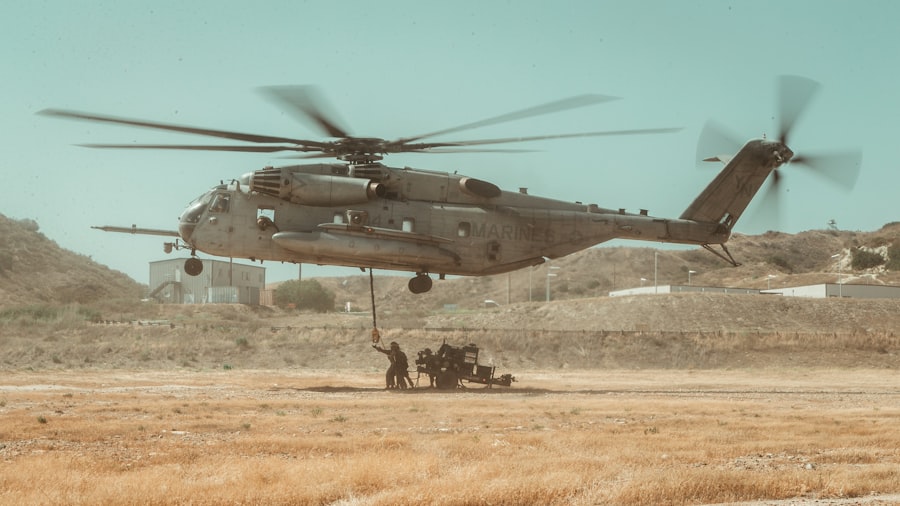
While the strategic imperative for a two-war capability remains, the path to achieving and sustaining it is fraught with significant challenges. These range from the immense financial costs and complex geopolitical dynamics to the human element of maintaining a motivated and skilled fighting force.
The Ever-Present Threat of Budgetary Constraints
Funding the vast enterprise of maintaining a global military capable of fighting two major wars is a continuous challenge. Defense budgets are subject to political pressures, competing domestic priorities, and economic fluctuations. Balancing the need for modernization and readiness with fiscal responsibility is a perpetual dilemma.
The Trade-offs Between Readiness and Modernization
Decisions must be made about how to allocate limited resources. Should the focus be on maintaining existing forces at peak readiness, or on investing in next-generation technologies that may render current platforms obsolete? This presents a difficult balancing act, as neglecting either can have serious consequences.
The Impact of Sequestration and Declining Budgets
Periods of significant budget cuts or sequestration can have a detrimental impact on training, maintenance, and procurement, eroding the very foundations of two-war capability. The long-term effects of such reductions can be difficult to reverse.
The Evolving Nature of Threats and Adversaries
The security landscape is not static. The rise of new adversaries with sophisticated capabilities, the proliferation of advanced technologies, and the increasing prevalence of hybrid warfare tactics necessitate constant adaptation. The definition of “two major conflicts” itself can shift as threats evolve.
The Rise of Near-Peer Competitors
The resurgence of great power competition, particularly with nations like China and Russia, presents a new set of challenges. These adversaries possess increasingly advanced military technologies and are actively seeking to challenge American dominance in key domains.
The Pervasiveness of Asymmetric Warfare and Hybrid Threats
Beyond traditional state-on-state conflict, the U.S. military must also contend with asymmetric warfare, terrorism, and hybrid threats. These often involve non-state actors, cyberattacks, disinformation campaigns, and the blurring of lines between civilian and military domains, demanding a more flexible and adaptable response.
The Human Factor: Personnel Recruitment, Retention, and Morale
The success of any military capability ultimately rests on its people. Recruiting and retaining a skilled, motivated, and experienced force is a significant undertaking, especially in a competitive civilian job market. The demands of maintaining a high operational tempo can also impact morale and family well-being.
The Challenges of Recruitment in a Changing Demographic Landscape
As the demographics of the nation change, so do the pools from which the military draws its recruits. Maintaining sufficient numbers of qualified individuals requires innovative recruitment strategies and a clear articulation of the value and purpose of military service.
Ensuring High Retention Rates and Professional Development
Retaining experienced personnel is crucial for maintaining institutional knowledge and leadership. This requires competitive compensation, opportunities for professional development, and a supportive environment that recognizes the sacrifices made by service members and their families.
The Role of Technology and Innovation
In the pursuit of maintaining a two-war capability, technological advancement and relentless innovation are not optional extras but fundamental necessities. The ability to leverage cutting-edge technologies can significantly amplify the effectiveness of U.S. forces, providing critical advantages in speed, accuracy, survivability, and situational awareness, thereby enhancing the capacity to operate and win in multiple complex environments simultaneously.
The Integration of Artificial Intelligence and Autonomy
Artificial intelligence (AI) and autonomous systems are poised to revolutionize warfare. From advanced intelligence analysis and predictive maintenance to robotic systems for reconnaissance, logistics, and even direct combat, AI offers the potential to significantly enhance operational efficiency and reduce risk to human personnel. Autonomous systems can extend the reach and persistence of military operations, allowing forces to operate in areas too dangerous or too vast for human presence alone.
AI-Powered Intelligence, Surveillance, and Reconnaissance (ISR)
AI algorithms can process vast amounts of data from ISR platforms at speeds far exceeding human capabilities, identifying patterns, anomalies, and potential threats with greater accuracy and timeliness. This is crucial for maintaining situational awareness across multiple theaters of operation.
Autonomous Platforms for Logistics and Combat Support
Unmanned aerial vehicles (UAVs) and other autonomous platforms can be used for resupply missions, reconnaissance, and even direct engagement, freeing up human-crewed assets for more critical tasks and reducing the exposure of personnel to danger. This is particularly relevant for sustaining operations in dispersed or contested environments.
The Development of Advanced Lethal and Non-Lethal Weapons
Beyond AI, continuous development in weapons technology is essential. This includes precision-guided munitions that minimize collateral damage, hypersonic weapons that can overcome existing defenses, and directed-energy weapons with the potential for rapid, scalable effects. Simultaneously, the development of advanced non-lethal technologies can provide options for de-escalation and crowd control, offering flexible responses to a wider range of contingencies.
Hypersonic Capabilities for Rapid Strike and Penetration
Hypersonic missiles, capable of traveling at speeds exceeding Mach 5, offer a significant advantage in their ability to reach targets quickly and overcome traditional air defense systems. This capability is vital for responding to threats across vast distances and delivering decisive blows.
Directed-Energy Weapons for Defense and Offense
Directed-energy weapons, such as lasers and high-powered microwaves, offer the potential for precise targeting, rapid engagement, and a virtually unlimited magazine depth. These can be used for air and missile defense, electronic warfare, and even for disabling enemy equipment without causing physical destruction.
Enhancing Cyber and Electronic Warfare Capabilities
In the modern battlespace, the cyber domain and the electromagnetic spectrum are as critical as land, sea, and air. The ability to defend against cyberattacks, disrupt enemy communications and sensor networks, and conduct offensive cyber operations is paramount. This includes developing advanced capabilities to operate in a contested electromagnetic environment, where jamming and spoofing are prevalent.
Offensive and Defensive Cyber Operations
Maintaining robust offensive cyber capabilities allows the U.S. to disrupt adversary command and control, degrade their systems, and gain critical intelligence. Conversely, equally strong defensive cyber capabilities are essential to protect U.S. networks, critical infrastructure, and sensitive information from attack.
Dominance in the Electromagnetic Spectrum
Ensuring freedom of maneuver and communication in the electromagnetic spectrum is vital. This involves developing advanced electronic warfare systems that can jam enemy radar and communications, protect friendly signals, and conduct electronic intelligence gathering.
The concept of the US military’s two-war capability is crucial for maintaining national security and global stability. This strategy ensures that the military can simultaneously engage in two major conflicts while still addressing other global commitments. For a deeper understanding of this strategic approach, you can explore a related article that discusses the implications and challenges of maintaining such a capability. The article can be found here, providing insights into the evolving nature of military readiness and operational demands.
The Global Reach and Strategic Deployment
| Metric | Value |
|---|---|
| Total Active Military Personnel | 1.3 million |
| Total Reserve Military Personnel | 811,000 |
| Total Aircraft | 13,398 |
| Total Naval Vessels | 415 |
| Total Tanks and Armored Fighting Vehicles | 8,848 |
| Total Defense Budget | 732 billion |
The maintenance of a two-war capability is intrinsically linked to the United States’ ability to project power globally and deploy forces strategically. This requires a network of alliances, forward-deployed assets, and robust logistical networks that enable rapid response to crises anywhere on the planet, reinforcing the nation’s commitment to its allies and deterring potential aggressors.
The Indispensable Role of Alliances and Partnerships
America’s extensive network of alliances and partnerships is a force multiplier, providing access to strategic locations, intelligence sharing, and the burden-sharing of collective security. These relationships are vital for projecting power and responding to threats effectively across diverse regions.
Strengthened Bilateral and Multilateral Agreements
The U.S. military actively works to strengthen existing bilateral defense treaties and multilateral security agreements. These frameworks facilitate joint training, interoperability, and coordinated responses to shared threats.
Interoperability and Joint Operations with Allies
Ensuring that U.S. forces can operate seamlessly with their allies is a continuous effort. This involves standardizing equipment, communication protocols, and operational procedures, enabling effective joint operations in any crisis.
Forward-Deployed Forces and Overseas Bases
The strategic placement of U.S. military forces and the maintenance of overseas bases are critical for rapid response and sustained presence. These forward-deployed assets serve as tripwires, deterring aggression, and provide essential staging grounds for operations in key regions.
Naval Presence and Carrier Strike Groups
The U.S. Navy’s global presence, particularly its carrier strike groups, provides unmatched power projection capabilities. These mobile airfields can be rapidly deployed to any region, projecting air power, conducting maritime interdiction, and supporting amphibious operations.
Air Force Reach and Overseas Air Bases
The U.S. Air Force’s strategic bombers, fighter jets, and transport aircraft, supported by a network of overseas air bases, enable rapid global reach. These bases are crucial for projecting air power, conducting reconnaissance, and facilitating the rapid deployment of personnel and equipment.
Robust Logistics and Sustainment Networks
Sustaining military operations, especially in distant theaters, requires a sophisticated and resilient logistical network. This includes strategic airlift and sealift capabilities, prepositioned supplies, and the ability to establish and maintain operational bases and supply lines under challenging conditions.
Strategic Mobility: Airlift and Sealift Capabilities
The ability to move large numbers of troops, equipment, and supplies across vast distances quickly is fundamental to a two-war capability. This relies on a robust inventory of transport aircraft and cargo ships, along with efficient port and airfield operations.
The Importance of Prepositioned Equipment and Materiel
Prepositioning equipment and materiel in strategic locations around the world allows for rapid deployment and reduces the logistical burden during initial phases of a conflict. This ensures that forces can be equipped and sustained from the outset of an operation.
In conclusion, the U.S. military’s commitment to maintaining a two-war capability is a complex and multifaceted strategic imperative. It is a testament to the nation’s enduring role as a global security provider, demanding constant vigilance, substantial investment, and continuous adaptation in the face of an ever-changing geopolitical landscape. The successful execution of this doctrine relies on the synergistic interplay of a robust force structure, high levels of readiness, technological superiority, strong alliances, and an unwavering dedication to the men and women who serve. The challenges are significant, but the imperative for global stability and the protection of American interests demands nothing less.
What Happens If China Moves Before America Rearms?
FAQs
What is the US military two war capability?
The US military two war capability refers to the ability of the United States military to effectively engage in and sustain operations in two major regional conflicts simultaneously.
How is the US military’s two war capability assessed?
The US military’s two war capability is assessed based on its ability to deploy and sustain forces in two separate theaters of operation, while maintaining readiness and effectiveness in both conflicts.
Why is the US military’s two war capability important?
The two war capability is important for the US military as it allows the country to respond to multiple threats and conflicts around the world, demonstrating its ability to project power and maintain global security.
What factors contribute to the US military’s two war capability?
Factors that contribute to the US military’s two war capability include force size and structure, readiness levels, logistics and supply chain capabilities, as well as the ability to rapidly deploy and sustain forces in multiple theaters of operation.
Has the US military maintained its two war capability in recent years?
The US military has faced challenges in maintaining its two war capability in recent years due to budget constraints, changing global security dynamics, and evolving threats. Efforts are ongoing to ensure the military’s readiness and capability to engage in multiple conflicts simultaneously.