The prospect of a military conflict between the United States and China, particularly over Taiwan, looms large in the strategic thinking of both nations and their allies. This potential confrontation, often termed a “peer conflict” due to the advanced capabilities of both militaries, necessitates a rigorous assessment of U.S. military readiness. Such an evaluation is not merely an academic exercise; it directly informs defense spending, strategic planning, force posture, and diplomatic engagement. The sheer scale and complexity of a war involving two global powers with significant nuclear arsenals, coupled with China’s rapid military modernization, present a formidable challenge to the United States’ ability to project power and achieve its objectives.
The geopolitical environment has shifted dramatically in recent decades, with China’s rise as a global economic and military power fundamentally altering the strategic calculus for the United States. Once primarily focused on counter-insurgency operations and maintaining global stability, the U.S. military now faces the re-emergence of great power competition, with China at its forefront. This shift demands a re-evaluation of priorities, capabilities, and readiness levels.
China’s Military Modernization: A Growing Challenge
China’s People’s Liberation Army (PLA) has undergone a remarkable transformation, moving from a large, domestically-focused force to a sophisticated, technologically advanced military capable of projecting power regionally and, increasingly, globally. This modernization spans all branches of the PLA and includes significant investments in advanced weaponry, doctrine, and operational concepts.
Naval Expansion and Power Projection
The PLA Navy (PLAN) has experienced explosive growth, becoming the largest navy in the world by ship count. This expansion is not just in quantity but also in quality, with the introduction of advanced aircraft carriers, destroyers, submarines, and amphibious assault ships. The PLAN’s increasing reach, demonstrated by its presence in the Indo-Pacific and beyond, directly challenges U.S. naval dominance and its ability to maintain freedom of navigation and deter aggression. The development of anti-access/area denial (A2/AD) capabilities, designed to keep U.S. forces at bay, is a central pillar of China’s naval strategy.
Air Force Advancements and Aerospace Capabilities
Similarly, the PLA Air Force (PLAAF) has modernized its fleet with advanced fighter jets, bombers, and transport aircraft, increasingly incorporating stealth technology and sophisticated electronic warfare capabilities. China’s growing proficiency in long-range strike, aerial refueling, and air defense systems poses a significant threat to U.S. air superiority and the ability of U.S. forces to operate within contested airspace. The development of anti-satellite weapons and cyber warfare capabilities further complicates the aerospace domain.
Missile Capabilities and Strategic Deterrence
China’s advancements in missile technology, including its development of intermediate-range ballistic missiles (IRBMs) and hypersonic weapons, are particularly concerning for U.S. forward-deployed forces and naval assets. These weapons are designed to hold U.S. bases and ships at risk, potentially blunting a U.S. response to aggression in the Indo-Pacific. Furthermore, China’s ongoing modernization of its nuclear arsenal, including the development of new delivery systems and warheads, raises questions about the stability of strategic deterrence.
The Taiwan Factor: A Potential Flashpoint
Taiwan remains the most prominent and dangerous potential flashpoint for a U.S.-China conflict. China views Taiwan as a renegade province and has not renounced the use of force to achieve reunification. A Chinese invasion or blockade of Taiwan would directly involve the United States, given its commitment to Taiwan’s defense and its strategic interests in the region. The geography of the Taiwan Strait presents a formidable challenge for both sides, with significant implications for force projection and operational execution.
Amphibious Assault and Asymmetric Warfare
A potential Chinese invasion of Taiwan would likely involve a massive amphibious assault, a complex and high-risk operation. The U.S. military would need to counter this threat by defending Taiwan, disrupting the assault, and potentially projecting power across the strait. China’s development of asymmetric warfare capabilities, including cyberattacks, electronic warfare, and the use of civilian assets for military purposes, adds further layers of complexity to this scenario.
The Role of Allies and Partners
In any conflict over Taiwan, the involvement and support of U.S. allies and partners, such as Japan, Australia, and South Korea, would be critical. Their geographical proximity, military capabilities, and intelligence sharing would significantly influence the operational environment and the United States’ ability to sustain a prolonged conflict. Assessing U.S. readiness must therefore include the interoperability and collaborative capacity with these key regional players.
In light of increasing tensions between the United States and China, discussions surrounding U.S. military preparedness have become more critical than ever. A related article that delves into this topic can be found on In the War Room, which explores the strategic implications of a potential conflict with China and the necessary steps the U.S. military must take to enhance its readiness. For more insights, you can read the article here: In the War Room.
Assessing U.S. Military Readiness: Key Pillars of Evaluation
Assessing U.S. military readiness for a potential conflict with China is a multifaceted endeavor that requires evaluating capabilities, logistics, training, and strategic posture across all domains of warfare. It involves a realistic appraisal of strengths and weaknesses against a peer competitor.
Force Structure and Modernization Gaps
The U.S. military’s current force structure, while robust, was largely shaped by decades of counter-terrorism operations. Adapting this structure to meet the demands of a peer conflict, particularly in the vast Indo-Pacific theater, is a critical challenge. This includes ensuring sufficient numbers of advanced platforms, personnel with specialized skills, and the ability to sustain operations over extended periods.
The Need for Domain Dominance
Achieving and maintaining dominance across all domains of warfare – land, sea, air, space, and cyber – is paramount. This requires significant investment in advanced technologies and platforms that can operate effectively in highly contested environments. The U.S. military must ensure it possesses superior capabilities in areas such as hypersonics, artificial intelligence, cyber warfare, and electronic warfare.
The “Hollow Force” Concern
A persistent concern within the U.S. military is the concept of a “hollow force,” where units possess advanced equipment but lack sufficient personnel, training, or spare parts to be truly combat-effective. Ensuring that modernization efforts translate into tangible combat power, rather than just technological advancement, is crucial. This involves a holistic approach to readiness that considers all elements of military capability.
Logistics and Sustainment: The Unsung Hero of War
In a large-scale conflict with China, the ability to project and sustain U.S. forces across vast distances in the Indo-Pacific would be a decisive factor. This requires a robust and resilient global logistics network, capable of delivering personnel, equipment, and supplies to the front lines, even under enemy attack.
The Tyranny of Distance and Time
The sheer geographical distances involved in a Pacific conflict present a significant logistical challenge. U.S. forces would be operating thousands of miles from their home bases, requiring extensive airlift, sealift, and prepositioned stocks. The speed at which China can mobilize and deploy its forces also means that the U.S. must be able to respond rapidly and sustain its response over time.
Resilience of Supply Chains
The vulnerability of global supply chains to disruption, whether through cyberattacks, physical attacks, or political interference, is a critical concern. The U.S. military must develop strategies to ensure the resilience of its supply lines, potentially through diversification of sources, domestic production, and robust cyber defenses. The ability to repair and maintain equipment in forward operating bases is also essential.
Training and Readiness Exercises: Simulating the Real Thing
Realistic and rigorous training is the bedrock of military readiness. The U.S. military must continuously train its forces to operate effectively in the complex and challenging environments they might face in a conflict with China, particularly in the Pacific.
Joint and Combined Operations
A conflict with China would undoubtedly be a joint operation involving multiple branches of the U.S. military, as well as potentially allied forces. Training exercises must therefore focus on seamless interoperability and effective command and control across different services and national contingents. Exercises like “RIMPAC” and “Valiant Shield” are examples of efforts to enhance this capability.
Adversarial Training and War-Gaming
Simulating the capabilities and tactics of a near-peer adversary like China is essential. This involves employing sophisticated simulators, employing trained adversary forces in exercises, and conducting extensive war-gaming to identify potential weaknesses and refine strategies. The U.S. military must constantly adapt its training to counter the evolving tactics and technologies of the PLA.
Personnel and Manpower: The Human Element
The quality and quantity of military personnel are critical determinants of readiness. This includes ensuring sufficient numbers of trained and experienced individuals in all specialties, as well as addressing issues related to personnel retention and morale.
Recruiting and Retention Challenges
The U.S. military faces ongoing challenges in recruiting and retaining sufficient numbers of qualified personnel, particularly in specialized technical fields. This can be exacerbated by demanding operational tempos, concerns about quality of life, and competition from the civilian workforce. Addressing these challenges is crucial for maintaining a ready and capable fighting force.
The Importance of Experience and Expertise
In a conflict with a technologically advanced adversary, the experience and expertise of military personnel are invaluable. This includes pilots with extensive flight hours, sailors with deep knowledge of naval operations, and cyber specialists with a proven track record. Maintaining a force with significant operational experience is a key aspect of readiness.
Force Posture and Strategic Positioning
The geographical placement of U.S. forces and assets is a critical component of its readiness to respond to a conflict in the Indo-Pacific. This involves a careful balance of forward presence, deterrence, and the ability to project power rapidly.
Forward Deployed Forces and Their Vulnerabilities
U.S. forces stationed in forward locations, such as Japan, South Korea, and Guam, are crucial for rapid response and deterrence. However, these forces are also vulnerable to pre-emptive strikes or missile attacks from China. Assessing the survivability of these bases and the ability of forces to operate from them under duress is paramount.
The Island Chain Strategy and its Evolution
The U.S. military’s traditional strategy in the Western Pacific has revolved around a series of island chains, with the first island chain running from Japan through Taiwan and the Philippines. This strategy aims to contain Chinese expansion. However, China’s A2/AD capabilities challenge the effectiveness of operating within these chains, necessitating a re-evaluation and potential adaptation of this strategy.
Naval Presence and Freedom of Navigation Operations
A strong naval presence in the Indo-Pacific is essential for projecting power, deterring aggression, and ensuring freedom of navigation. U.S. naval forces conduct regular Freedom of Navigation Operations (FONOPs) to assert international rights in areas contested by China. The effectiveness and sustainability of these operations are key indicators of U.S. readiness and resolve.
Technological Superiority and Innovation
In any conflict with a near-peer adversary, technological superiority is a critical advantage. The U.S. military must continuously invest in and develop cutting-edge technologies to maintain its edge.
The Race for Next-Generation Weaponry
The U.S. is engaged in a race to develop and field next-generation weapon systems that can counter China’s advancements. This includes hypersonic missiles, advanced drones, artificial intelligence-enabled systems, and next-generation fighter aircraft. The speed at which these technologies are developed and deployed can significantly impact the balance of power.
Countering China’s Hypersonic Threat
China’s development of hypersonic missiles poses a significant challenge to U.S. missile defense systems. The U.S. military is investing heavily in developing its own hypersonic capabilities and in developing countermeasures to detect and intercept these advanced threats.
The Role of Artificial Intelligence and Autonomy
Artificial intelligence (AI) and autonomous systems are poised to revolutionize warfare. The U.S. military is exploring the integration of AI into a wide range of military applications, from intelligence analysis to autonomous weapons systems. However, ethical considerations and the potential for escalation must be carefully managed.
Cyber Warfare and the Digital Battlefield
The cyber domain is increasingly becoming a critical battlefield. The U.S. military must ensure its networks are secure and that it possesses the capability to conduct offensive cyber operations to disrupt enemy command and control and critical infrastructure.
Protecting Critical Infrastructure
China’s ability to conduct sophisticated cyberattacks against U.S. critical infrastructure, including power grids and financial systems, poses a significant threat. The U.S. military and civilian agencies must work in concert to bolster defenses and develop robust response plans.
Offensive Cyber Capabilities
The U.S. military’s offensive cyber capabilities are crucial for deterring aggression and achieving strategic objectives in a conflict. However, the use of these capabilities must be carefully calibrated to avoid escalation and unintended consequences.
As tensions continue to rise in the Asia-Pacific region, discussions around US military preparedness for a potential conflict with China have become increasingly urgent. A recent article explores the various strategies and resources the US might employ to enhance its readiness in the face of such challenges. For more insights on this critical topic, you can read the full analysis in the article available at this link. The implications of these preparations are significant not only for military strategy but also for global stability.
Strategic Deterrence and Diplomatic Engagement
| Category | Metric |
|---|---|
| Personnel | Number of active duty military personnel |
| Equipment | Number of aircraft carriers |
| Technology | Investment in advanced military technology |
| Alliances | Number of military alliances in the Asia-Pacific region |
| Training | Number of joint military exercises with regional allies |
Beyond military readiness, the U.S. approach to potential conflict with China also hinges on its strategic deterrence posture and its diplomatic engagement with China and its allies.
Nuclear Deterrence and Escalation Control
The U.S. nuclear arsenal remains the ultimate deterrent. However, the modernization of China’s nuclear forces and the potential for miscalculation or escalation raise complex challenges for maintaining strategic stability. The U.S. must ensure its nuclear posture is credible and that de-escalation pathways are clearly defined.
The Importance of Communication Channels
Maintaining open and reliable communication channels with China is essential to prevent miscalculation and manage crises. This includes high-level diplomatic engagement and military-to-military dialogues.
Alliance Cohesion and Burden Sharing
The strength and cohesion of U.S. alliances in the Indo-Pacific are critical for collective security. The U.S. must work closely with its allies to enhance interoperability, share intelligence, and coordinate strategies. Equitable burden sharing among allies is also a crucial element of sustained deterrence.
Strengthening Partnerships in the Indo-Pacific
Key U.S. allies in the region, such as Japan, Australia, and South Korea, play a vital role in maintaining stability. Investing in and strengthening these partnerships through joint exercises, intelligence sharing, and diplomatic coordination is essential for U.S. readiness.
The Role of NATO in a Global Context
While the primary focus of a China conflict would be the Indo-Pacific, the global nature of U.S. military commitments means that the readiness of forces beyond this theater, including those in Europe, also plays a role. The strategic implications of a U.S.-China conflict could have ripple effects globally, requiring a coordinated and integrated approach to national security.
In conclusion, assessing U.S. military readiness for a potential conflict with China is an ongoing and complex undertaking. It requires a clear-eyed understanding of the evolving threat landscape, a rigorous evaluation of the U.S. military’s capabilities across all domains, and a commitment to continuous modernization, training, and strategic adaptation. The stakes are exceptionally high, and a proactive, informed approach to readiness is not just a military imperative, but a cornerstone of national security in the 21st century.
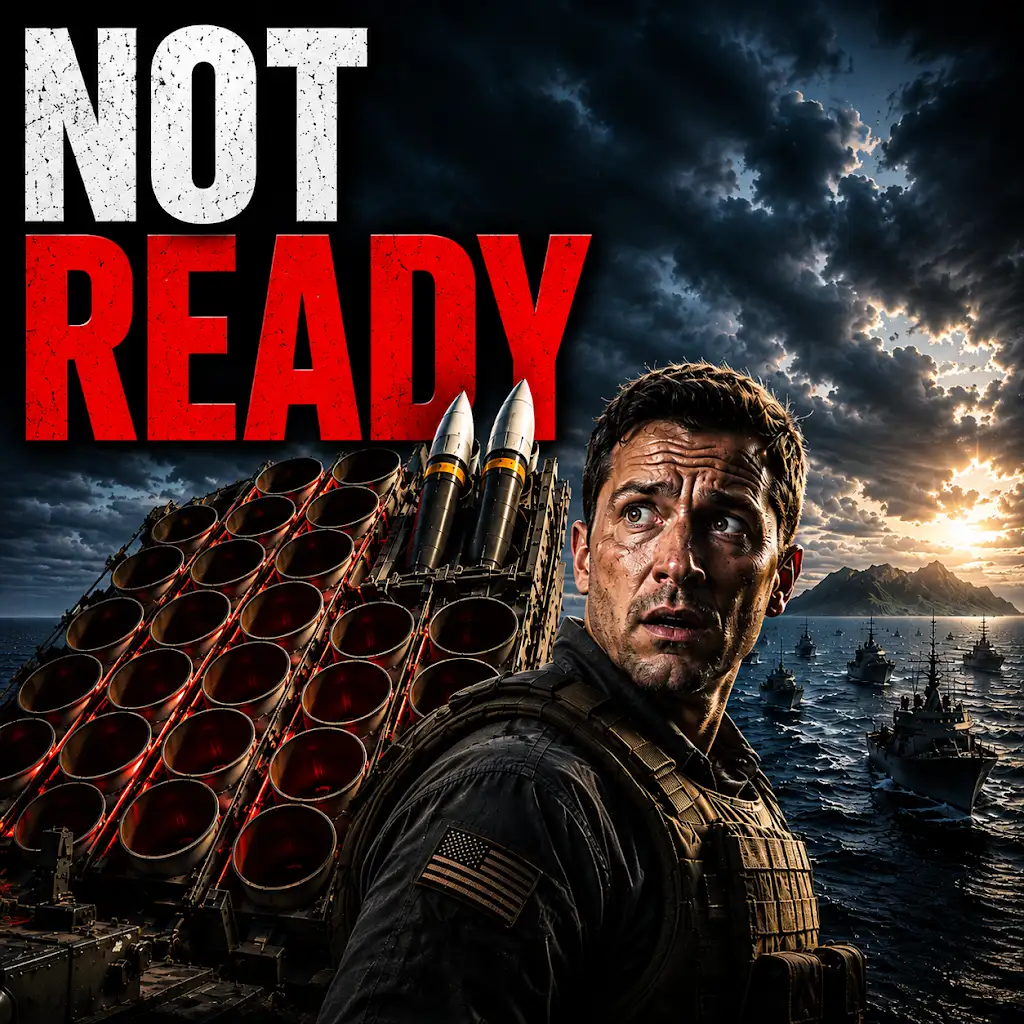
What Happens If China Moves Before America Rearms?
FAQs
What is the current state of US military preparedness for a potential war with China?
The US military is currently focused on modernizing its forces to better compete with China’s rapidly advancing military capabilities. This includes investments in new technologies such as hypersonic weapons, cyber warfare capabilities, and advanced missile defense systems.
How does the US military view the threat posed by China?
The US military considers China to be a significant strategic competitor and a potential threat to its interests in the Asia-Pacific region. China’s military modernization and aggressive actions in the South China Sea are of particular concern to US military planners.
What steps is the US military taking to enhance its readiness for a potential conflict with China?
The US military is increasing its presence and partnerships in the Indo-Pacific region, conducting joint military exercises with regional allies, and investing in advanced military technologies to maintain a competitive edge against China.
What are the key challenges facing the US military in preparing for a potential conflict with China?
Key challenges include China’s rapidly advancing military capabilities, its growing influence in the Asia-Pacific region, and the need to balance military preparedness with diplomatic efforts to prevent conflict.
How does the US military approach deterrence and defense against potential Chinese aggression?
The US military’s approach to deterrence and defense against potential Chinese aggression includes a combination of forward-deployed forces, strategic partnerships with regional allies, and a focus on developing and fielding advanced military capabilities to counter Chinese threats.