The geopolitical landscape surrounding Taiwan has become increasingly volatile, with the island nation finding itself at the epicenter of escalating tensions. As the specter of conflict looms larger, a critical and often overlooked aspect of this brewing storm is the dramatic surge in missile consumption. This isn’t merely a theoretical exercise; it represents a tangible and alarming shift in strategic calculations, resource allocation, and the very fabric of Taiwan’s defense posture. The implications of this heightened missile expenditure ripple outwards, impacting regional stability, global supply chains, and the long-term viability of Taiwan’s security.
The Evolving Threat Landscape
The narrative of Taiwan’s defense has long been one of asymmetric warfare – a David against a Goliath. For decades, the People’s Liberation Army (PLA) of China has possessed a significant quantitative advantage in conventional military hardware. Taiwan’s strategy, therefore, has focused on developing a robust defense that can inflict maximum damage on an invading force, making the cost of invasion prohibitively high. This “porcupine” strategy relies heavily on anti-ship missiles, air defense systems, and mobile, hard-to-target platforms.
The Shadow of the Dragon: PLA’s Growing Capabilities
The PLA’s modernization drive over the past two decades has been nothing short of revolutionary. Its missile capabilities, in particular, have expanded exponentially in both quantity and quality.
Ballistic Missiles: A Growing Arsenal
China’s inventory of short-range ballistic missiles (SRBMs) and medium-range ballistic missiles (MRBMs) capable of reaching Taiwan is substantial and continues to grow. These missiles, once primarily a deterrent, are now seen as a potent tool for pre-emptive strikes and interdiction campaigns. The sheer number of these weapons, coupled with advancements in accuracy and payload, presents a persistent and immediate threat.
Cruise Missiles: Precision and Range
Beyond ballistic missiles, China has also invested heavily in advanced cruise missiles. These weapons offer greater accuracy, lower flight profiles making them harder to detect, and the ability to be launched from a variety of platforms, including ships, aircraft, and land-based launchers. Their versatility allows for a wide range of targeting options, from military installations to critical infrastructure.
Hypersonic Weapons: The Game Changer
The development and deployment of hypersonic missiles represent a significant leap in missile technology. These weapons travel at speeds exceeding Mach 5 and can maneuver unpredictably, rendering existing missile defense systems largely ineffective. China’s perceived lead in this area has further amplified concerns about Taiwan’s ability to intercept incoming threats.
Taiwan’s Asymmetric Response: The Missile Imperative
In response to this ever-increasing threat, Taiwan’s defense strategy has increasingly revolved around the procurement, development, and deployment of a diverse range of missile systems. The goal is to create a layered defense capable of neutralizing an amphibious assault, crippling naval fleets, and degrading air power before it can be effectively utilized.
Anti-Ship Missiles: The First Line of Defense
Taiwan’s most crucial offensive and defensive missile capability lies in its anti-ship missiles. These weapons are designed to target and destroy the warships of an invading fleet. Systems like the Hsiung Feng series are considered a cornerstone of Taiwan’s defense, aiming to create a “kill zone” that makes a seaborne invasion incredibly risky for the PLA.
Air Defense Missiles: Shielding the Skies
Protecting Taiwan’s airspace from aerial assault is paramount. This involves a comprehensive network of air defense missile systems, ranging from short-range, point-defense systems to longer-range surface-to-air missiles (SAMs) capable of engaging high-altitude threats. The ability to intercept incoming aircraft and missiles is crucial to maintaining air superiority and preventing devastating attacks on critical infrastructure.
Land-Attack Missiles: Deterrence and Retaliation
While the focus has often been on defensive capabilities, Taiwan has also been developing and acquiring land-attack missiles. These weapons serve a dual purpose: deterring further aggression by demonstrating a retaliatory capacity, and potentially striking at targets on the mainland in a conflict scenario. This shift reflects a growing willingness to consider offensive options as part of a broader deterrence strategy.
Recent discussions surrounding Taiwan’s military preparedness have highlighted the increasing consumption of missiles in the context of potential conflict. An insightful article that delves into this topic can be found at In the War Room, where experts analyze the implications of Taiwan’s defense strategies and the role of missile stockpiling in deterring aggression. This piece provides a comprehensive overview of the current geopolitical climate and the strategic necessities for Taiwan in the face of rising tensions.
The Economics of Defense: A Shifting Balance
The escalating missile consumption is not just a strategic imperative; it carries significant economic implications for Taiwan. The cost of acquiring, producing, maintaining, and deploying modern missile systems is astronomical, placing a considerable strain on the national budget. This expenditure necessitates difficult choices and can impact other vital areas of public spending.
The Price of Peace: Budgetary Pressures
Taiwan’s defense budget has seen a steady increase in recent years, with a substantial portion allocated to missile programs. This trend is expected to continue as the island nation strives to keep pace with China’s military expansion.
Procurement Costs: A Steep Ascent
The acquisition of advanced missile systems from international partners, primarily the United States, involves enormous upfront costs. These procurement deals are often highly politicized and subject to negotiations that can further inflate prices.
Domestic Production: Investing in Self-Reliance
Recognizing the need for greater self-sufficiency and to offset the costs of foreign procurement, Taiwan has invested heavily in its domestic defense industry, particularly in missile research and development. This allows for greater control over technology and production, potentially leading to cost savings in the long run, though initial investments are substantial.
Maintenance and Training: The Hidden Expenses
Beyond the initial purchase or production, the ongoing costs of maintaining a sophisticated missile arsenal, including spare parts, regular servicing, and extensive training for personnel, represent a significant and often underestimated expenditure.
The Global Supply Chain Under Strain
Taiwan’s increased missile consumption has broader implications for global supply chains, particularly for critical components and raw materials. The demand for advanced technologies used in missile production is high, and any disruption to these supply lines could have far-reaching consequences.
The Semiconductor Nexus: A Vulnerability Exposed
Taiwan’s dominance in semiconductor manufacturing, a key component in virtually all modern missile systems, creates a complex interdependency. While Taiwan is a supplier of these vital chips, it also relies on global supply chains for the materials and machinery needed to produce them.
Advanced Electronics: A Global Demand
The sophisticated guidance systems, sensors, and detonation mechanisms within modern missiles require high-performance microelectronics. Taiwan’s technological prowess in this area means it is both a producer and a significant consumer of these advanced components.
Raw Materials: The Global Hunt
The production of propellants, specialized metals, and other crucial materials for missile manufacturing involves a global network of suppliers. Geopolitical instability or disruptions to these sources can directly impact Taiwan’s ability to maintain its missile production lines.
The International Dimension: Alliances and Arms Sales
Taiwan’s missile consumption is inextricably linked to its international relationships, particularly with the United States. Arms sales and military assistance from allies play a crucial role in bolstering Taiwan’s defense capabilities, but also introduce a layer of international complexity and potential friction.
The American Embrace: A Strategic Partnership
The United States, bound by the Taiwan Relations Act, is Taiwan’s primary arms supplier. These sales are a critical component of Taiwan’s defense strategy, providing access to advanced weaponry and technology that it cannot replicate domestically.
The Arms Sales Debate: A Continuous Negotiation
The ongoing debate surrounding U.S. arms sales to Taiwan is a constant feature of the bilateral relationship. China consistently protests these sales, viewing them as interference in its internal affairs and a violation of the “One China” principle.
Technological Transfer: A Double-Edged Sword
While arms sales provide Taiwan with vital capabilities, they also raise questions about the transfer of sensitive technology. Ensuring that this technology remains secure and does not fall into the wrong hands is a paramount concern for both Taipei and Washington.
Regional Dynamics: The Ripple Effect
Taiwan’s increased missile consumption doesn’t occur in a vacuum. It influences the defense strategies and perceptions of other nations in the Indo-Pacific region, leading to a complex web of alliances, counter-balancing, and potential arms races.
Japan’s Growing Concern: A Shifting Stance
Japan, a close U.S. ally and a nation with its own historical sensitivities concerning regional security, is increasingly concerned about the escalating tensions across the Taiwan Strait. This has led to a reassessment of its own defense capabilities and a greater willingness to cooperate with Taiwan and the United States.
South Korea’s Balancing Act: Navigating Tricky Waters
South Korea, while heavily reliant on its alliance with the U.S., also maintains economic ties with China. Its approach to regional security and missile proliferation is a delicate balancing act, often characterized by cautious engagement and a desire to avoid direct confrontation.
Recent discussions surrounding Taiwan’s military preparedness have highlighted the critical issue of missile consumption in the event of a conflict. A related article delves into the strategic implications of Taiwan’s defense capabilities and the potential impact on regional stability. For more insights on this topic, you can read the full analysis in this article, which explores the complexities of Taiwan’s defense strategy and its reliance on missile systems. Understanding these dynamics is essential for grasping the broader geopolitical landscape in East Asia.
The Future of Deterrence: A Volatile Equation
The rising consumption of missiles in Taiwan represents a significant inflection point. It signifies a shift from a purely defensive posture to one that incorporates a more robust and integrated deterrence strategy. The long-term implications of this trend are complex and uncertain.
The Escalation Ladder: A Precarious Climb
The continuous buildup of missile capabilities on both sides of the Taiwan Strait creates a dangerous dynamic. Each missile test, each arms sale, and each new deployment contributes to an escalating cycle that increases the risk of miscalculation and unintended conflict.
The Role of Diplomacy: A Fading Hope?
In the face of mounting military hardware, the role of diplomacy in de-escalating tensions appears increasingly challenged. While diplomatic channels remain open, the tangible realities of missile proliferation suggest a growing reliance on military might as the primary arbiter of regional stability.
The Economic and Social Costs: Beyond the Battlefield
The immense resources channeled into missile production and acquisition have profound economic and social consequences for Taiwan. These include potential cuts to social programs, a brain drain of talent towards the defense sector, and a pervasive sense of anxiety within the population.
The Psychological Toll: Living Under a Shadow
The constant threat of missile attack and the ongoing narrative of potential conflict can have a significant psychological toll on the Taiwanese people. This can manifest in increased stress, anxiety, and a pervasive sense of uncertainty about the future.
The Opportunity Cost: Investing in Prosperity
The vast sums of money dedicated to missile defense represent an opportunity cost. These resources could otherwise be invested in education, healthcare, technological innovation, or environmental protection, areas that could contribute to Taiwan’s long-term prosperity and well-being.
In conclusion, Taiwan’s burgeoning missile consumption is a stark indicator of the intensifying security challenges it faces. It is a reflection of China’s growing military might and Taiwan’s determined efforts to maintain its autonomy and deter aggression. This trend, however, comes with substantial economic burdens, strains global supply chains, and raises profound questions about the future of regional stability. The path forward demands not only a continued commitment to robust defense but also a renewed focus on diplomatic solutions and de-escalation, lest the very missiles intended to preserve peace become instruments of its destruction.
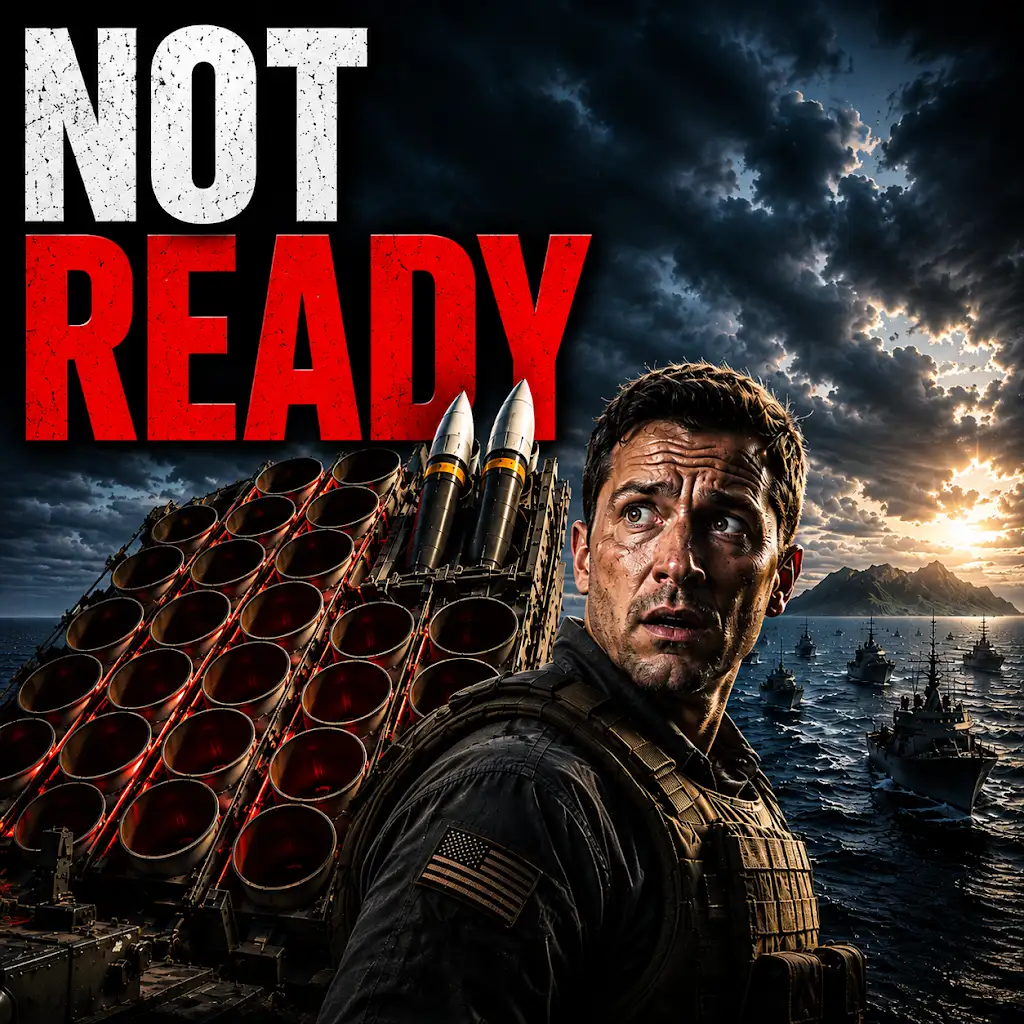
What Happens If China Moves Before America Rearms?
FAQs
What is the current situation regarding Taiwan’s missile consumption?
As of the latest reports, Taiwan has been increasing its missile consumption in response to growing military threats from China. The country has been investing in advanced missile systems to enhance its defense capabilities.
What types of missiles is Taiwan investing in?
Taiwan has been investing in a variety of missile systems, including surface-to-air missiles, anti-ship missiles, and land-attack cruise missiles. These systems are designed to deter potential aggressors and protect Taiwan’s sovereignty.
What are the reasons behind Taiwan’s increased missile consumption?
Taiwan’s increased missile consumption can be attributed to the growing military threats from China, which has been conducting military exercises and making aggressive moves in the Taiwan Strait. Taiwan sees the need to bolster its defense capabilities to counter these threats.
How does Taiwan’s missile consumption impact regional security?
Taiwan’s increased missile consumption has raised concerns about regional security and stability. The escalating arms race between Taiwan and China could potentially lead to heightened tensions and increased risk of conflict in the region.
What are the implications of Taiwan’s missile consumption for international relations?
Taiwan’s increased missile consumption has implications for international relations, particularly in the context of the ongoing tensions between Taiwan and China. The situation has the potential to impact the geopolitical dynamics in the Asia-Pacific region and beyond.