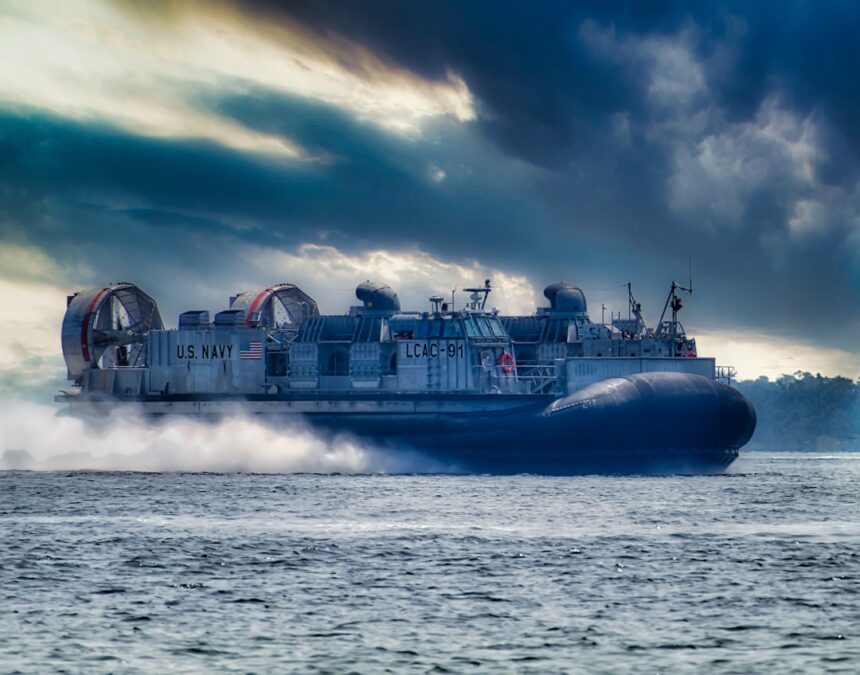
Naval warfare technology has long been a critical component of military strategy and national defense. As nations vie for dominance on the seas, the development and implementation of advanced technologies have transformed the nature of naval engagements. From the age of sail to the era of nuclear submarines, the evolution of naval warfare technology reflects not only advancements in engineering and design but also shifts in geopolitical landscapes and military doctrines.
The importance of naval power in securing trade routes, projecting force, and maintaining national security cannot be overstated, making the study of naval warfare technology essential for understanding contemporary military operations. The introduction of new technologies has consistently altered the dynamics of naval warfare. Innovations such as steam power, radar, and missile systems have redefined how naval forces operate and engage with one another.
As nations invest heavily in research and development, the race to achieve technological superiority at sea has intensified. This article will explore the evolution of naval warfare technology, examining modern vessels and submarines, advanced weapon systems, electronic warfare capabilities, unmanned systems, communication networks, and the future trends that will shape naval engagements in the years to come.
Key Takeaways
- Naval warfare technology has evolved significantly over the years, from traditional naval vessels to advanced unmanned systems and drones.
- Modern naval vessels and submarines are equipped with state-of-the-art technology, including advanced weapon systems and missiles, electronic warfare and cybersecurity measures, and advanced communication and command systems.
- Advanced weapon systems and missiles play a crucial role in naval warfare, providing the capability to engage targets at long ranges with precision and accuracy.
- Electronic warfare and cybersecurity are essential components of modern naval warfare technology, protecting naval vessels and systems from cyber threats and electronic attacks.
- International collaboration plays a key role in the development and advancement of naval warfare technology, while ethical and legal implications must be considered in the use of such technology in military operations.
Evolution of Naval Warfare Technology
The evolution of naval warfare technology can be traced back to ancient civilizations, where wooden ships equipped with oars and sails were the primary means of maritime combat. The introduction of gunpowder in the 15th century marked a significant turning point, as it enabled the development of cannons that could be mounted on ships. This innovation not only increased the lethality of naval engagements but also changed tactics, as ships began to engage in broadside battles rather than relying solely on boarding actions.
The transition from sail to steam power in the 19th century further revolutionized naval warfare, allowing for greater speed and maneuverability. The 20th century witnessed unprecedented advancements in naval technology, particularly during World War I and World War
The introduction of aircraft carriers transformed naval strategy by allowing for air superiority at sea. Submarines emerged as formidable adversaries, capable of launching surprise attacks against enemy vessels. The development of radar during World War II enhanced situational awareness, enabling navies to detect and track enemy movements more effectively.
As the Cold War unfolded, nuclear propulsion and missile technology became central to naval warfare, leading to the creation of powerful fleets capable of projecting force across vast distances.
Modern Naval Vessels and Submarines
| Vessel Type | Length (m) | Displacement (tons) | Maximum Speed (knots) |
|---|---|---|---|
| Aircraft Carrier | 300 | 100,000 | 30 |
| Destroyer | 150 | 8,000 | 35 |
| Submarine | 100 | 4,000 | 25 |
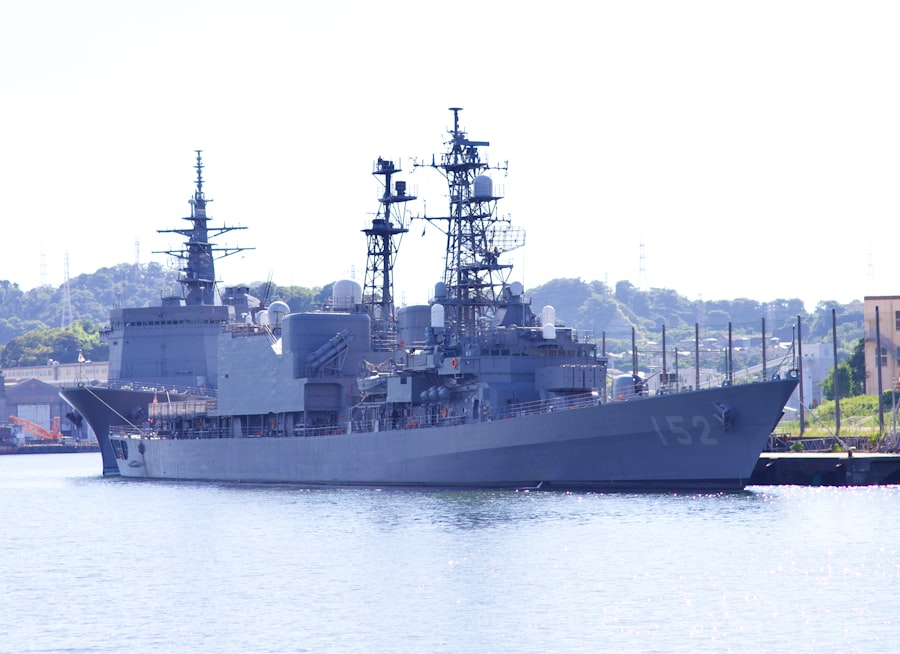
Today’s naval vessels are a testament to decades of technological innovation and design refinement. Modern surface ships are equipped with advanced stealth capabilities, making them harder to detect by enemy radar systems. The integration of multi-role platforms allows these vessels to perform a variety of missions, from anti-aircraft defense to anti-submarine warfare.
Destroyers and frigates are now outfitted with sophisticated sensors and weaponry that enable them to engage multiple threats simultaneously while maintaining a low profile.
These submarines are equipped with cutting-edge sonar systems that enhance their ability to detect enemy vessels while remaining undetected themselves.
The introduction of ballistic missile submarines has added a strategic dimension to naval power, allowing nations to maintain a credible second-strike capability in the event of a nuclear conflict. The combination of stealth, speed, and firepower in modern submarines underscores their critical role in contemporary naval warfare.
Advanced Weapon Systems and Missiles
The landscape of naval warfare has been dramatically altered by the advent of advanced weapon systems and missile technology. Modern navies employ a range of precision-guided munitions that can strike targets with remarkable accuracy from great distances. Cruise missiles, such as the Tomahawk, have become essential tools for naval forces, enabling them to engage land-based targets without risking personnel or assets in close proximity.
These missiles can be launched from surface ships or submarines, providing flexibility in targeting options. In addition to cruise missiles, navies are increasingly investing in anti-ship missiles designed to counter threats posed by enemy vessels. These weapons are often equipped with advanced guidance systems that allow them to evade defenses and strike with devastating effect.
The proliferation of hypersonic missiles represents another significant advancement in naval warfare technology, as these weapons can travel at speeds exceeding Mach 5, making them extremely difficult to intercept. As nations continue to develop and deploy these advanced weapon systems, the nature of naval engagements will inevitably evolve, requiring new strategies and countermeasures.
Electronic Warfare and Cybersecurity
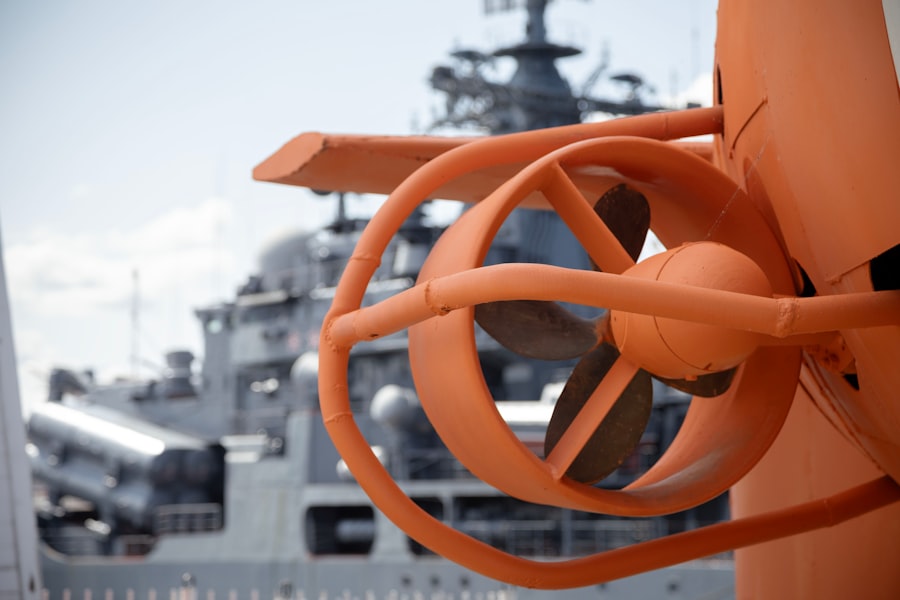
As naval warfare technology advances, so too does the importance of electronic warfare (EW) and cybersecurity in modern military operations. Electronic warfare encompasses a range of tactics designed to disrupt or deceive enemy sensors and communications while protecting one’s own systems from similar attacks. Modern naval vessels are equipped with sophisticated EW systems that can jam radar signals or spoof enemy targeting systems, providing a tactical advantage during engagements.
Cybersecurity has emerged as a critical concern for navies around the world. As naval forces become increasingly reliant on digital networks for communication and command-and-control operations, they also become more vulnerable to cyberattacks. Adversaries can exploit weaknesses in these systems to disrupt operations or gain access to sensitive information.
Consequently, navies are investing heavily in cybersecurity measures to protect their networks from potential threats. This includes training personnel in cyber defense strategies and developing robust protocols for responding to cyber incidents.
Unmanned Systems and Drones
The integration of unmanned systems and drones into naval operations represents one of the most significant shifts in recent years. Unmanned aerial vehicles (UAVs) are now commonly used for reconnaissance missions, providing real-time intelligence without risking human lives. These drones can conduct surveillance over vast areas, gather data on enemy movements, and even assist in targeting enemy assets.
Unmanned underwater vehicles (UUVs) are also gaining prominence in naval warfare.
Their ability to operate autonomously or remotely allows navies to extend their reach while minimizing risk to personnel.
As technology continues to advance, the role of unmanned systems in naval warfare is expected to expand further, leading to new operational concepts and strategies.
Naval Communication and Command Systems
Effective communication is vital for successful naval operations, particularly in complex environments where multiple units must coordinate their actions. Modern naval forces rely on advanced communication systems that enable secure and rapid information exchange between ships, submarines, and command centers. These systems utilize satellite communications, secure radio networks, and data links to ensure that commanders have access to real-time information.
Command-and-control (C2) systems have also evolved significantly, incorporating advanced software that allows for better situational awareness and decision-making. These systems integrate data from various sensors and platforms, providing commanders with a comprehensive view of the operational environment. As navies continue to embrace digital transformation, the importance of robust communication and C2 systems will only grow, enabling more effective coordination during joint operations.
Naval Defense and Anti-Submarine Warfare
The threat posed by submarines has necessitated the development of sophisticated naval defense systems designed to counter underwater threats effectively. Anti-submarine warfare (ASW) capabilities have become a priority for many navies as they seek to protect their fleets from potential submarine attacks. Modern ASW involves a combination of surface ships equipped with sonar systems, maritime patrol aircraft capable of long-range surveillance, and specialized submarines designed for hunting enemy subs.
Naval forces employ various tactics and technologies in their ASW efforts, including active sonar for detecting submarines and passive sonar for listening for their sounds without revealing their own position. Additionally, advancements in torpedo technology have enhanced the effectiveness of ASW operations. The integration of these capabilities allows navies to maintain a credible defense against submarine threats while ensuring the safety of their vessels during operations.
Future Trends in Naval Warfare Technology
As global geopolitical dynamics continue to shift, future trends in naval warfare technology will likely be shaped by emerging threats and advancements in science and engineering. One significant trend is the increasing emphasis on artificial intelligence (AI) and machine learning within naval operations. These technologies have the potential to enhance decision-making processes by analyzing vast amounts of data quickly and providing actionable insights for commanders.
Another trend is the growing focus on sustainability within naval operations. As environmental concerns become more pressing, navies are exploring alternative energy sources such as electric propulsion systems for surface vessels and hybrid technologies for submarines. This shift not only addresses environmental challenges but also enhances operational efficiency by reducing reliance on traditional fuel sources.
International Collaboration and Naval Technology
In an increasingly interconnected world, international collaboration plays a crucial role in advancing naval warfare technology. Nations often engage in joint exercises and share information on best practices to enhance their capabilities collectively. Collaborative efforts can lead to the development of interoperable systems that allow allied forces to operate seamlessly together during joint missions.
Furthermore, partnerships between nations can facilitate research and development initiatives aimed at addressing common security challenges. By pooling resources and expertise, countries can accelerate technological advancements while fostering stronger diplomatic ties through defense cooperation agreements.
Ethical and Legal Implications of Naval Warfare Technology
The rapid advancement of naval warfare technology raises important ethical and legal considerations that must be addressed by policymakers and military leaders alike. The deployment of autonomous weapons systems poses questions about accountability in combat situations—specifically regarding who is responsible for decisions made by machines during engagements. Additionally, the use of cyber capabilities in naval warfare introduces complexities related to international law and norms governing armed conflict.
As nations increasingly rely on cyber operations as part of their military strategies, establishing clear guidelines for acceptable behavior in cyberspace becomes paramount to prevent escalation or miscalculations that could lead to conflict. In conclusion, naval warfare technology continues to evolve at an unprecedented pace, driven by advancements in engineering, computing power, and international collaboration. As nations adapt their strategies to leverage these technologies effectively while grappling with ethical implications inherent in modern warfare practices—understanding this dynamic landscape will be essential for future military leaders navigating complex maritime environments.
Naval warfare technology has evolved significantly over the years, incorporating advanced systems that enhance combat effectiveness and strategic capabilities. For a deeper understanding of these innovations, you can explore a related article that delves into the latest advancements in naval technology. Check it out here: Naval Warfare Technology Explained. This resource provides valuable insights into how modern naval forces are adapting to new challenges and threats in the maritime domain.
WATCH THIS! The Secret Russian Weapon That Terrifies NATO
FAQs
What is naval warfare technology?
Naval warfare technology refers to the equipment, tactics, and strategies used by naval forces to engage in combat at sea. This includes ships, submarines, aircraft, weapons, and communication systems.
What are some examples of naval warfare technology?
Examples of naval warfare technology include aircraft carriers, destroyers, frigates, submarines, missiles, torpedoes, radar systems, sonar technology, and electronic warfare systems.
How has naval warfare technology evolved over time?
Naval warfare technology has evolved significantly over time, from the use of wooden sailing ships to the development of nuclear-powered submarines and advanced missile systems. Advancements in technology have led to faster, more powerful, and more stealthy naval vessels and weapons.
What role does technology play in modern naval warfare?
Technology plays a crucial role in modern naval warfare by enhancing the capabilities of naval forces, improving situational awareness, increasing firepower, and providing better protection for ships and personnel. It also allows for more precise targeting and the ability to operate in a variety of environments.
What are some current trends in naval warfare technology?
Some current trends in naval warfare technology include the development of unmanned surface and underwater vehicles, the integration of artificial intelligence and machine learning, the use of advanced sensors and stealth technology, and the emphasis on cyber warfare capabilities. These trends are shaping the future of naval warfare.