The vast expanse of the Pacific Ocean presents an unparalleled logistical theater for the United States military. Maintaining a credible and responsive presence across this immense geostrategic region is not merely a matter of deploying personnel and equipment, but of orchestrating a complex and often precarious supply chain that underpins every aspect of military operations. The challenges are multifaceted, ranging from the sheer distances involved to the susceptibility of critical infrastructure to natural disasters and potential adversary actions. These logistical hurdles, if not meticulously managed, can severely compromise the effectiveness and readiness of U.S. forces, impacting deterrence, crisis response, and long-term regional stability.
The sheer scale of the Pacific is the most immediate and defining logistical challenge. The United States’ area of responsibility stretches across millions of square miles, encompassing numerous island nations, strategically vital straits, and vast stretches of open ocean. This immense distance directly translates into extended transit times for personnel, equipment, and sustainment supplies.
Inter-island and Intra-theatre Transportation Networks
The effectiveness of any military operation hinges on the ability to move forces and supplies efficiently. In the Pacific, this is complicated by the fragmented nature of the operating environment. While the U.S. possesses a robust network of air and sea ports, their distribution across the region is uneven. Many smaller islands, critical for forward positioning or as potential staging areas, have limited or no substantial port facilities or airfields capable of handling large military transport aircraft or naval vessels. This necessitates the reliance on smaller, more agile transport assets, or the development of ad-hoc logistical hubs, which are time-consuming and resource-intensive to establish and maintain.
The intra-theatre transportation network, the system of moving assets within the Pacific operational area, is particularly vulnerable. Over-reliance on a few major hubs can create single points of failure. Diversification of these routes and the development of prepositioned supplies at various locations are crucial, but also present their own logistical headaches in terms of security, inventory management, and regular replenishment. The ability to rapidly redeploy forces from one sub-region to another, a critical capability for crisis response, is directly constrained by the availability and capacity of these inter-island transportation links.
Sea Lines of Communication (SLOCs) Vulnerability
The lifeblood of any trans-Pacific military operation are its Sea Lines of Communication (SLOCs). These maritime routes are essential for the sustained flow of fuel, ammunition, food, spare parts, and personnel from the continental United States to forces stationed in or operating within the Pacific. The vastness of these SLOCs, however, makes them inherently vulnerable.
Chokepoints and Strategic Straits
Several critical maritime chokepoints, such as the Strait of Malacca and the Lombok Strait, are vital conduits for global trade and military movement. The ability of potential adversaries to interdict or disrupt traffic in these straits, through kinetic means, cyber-attacks on navigational systems, or the deployment of sophisticated anti-access/area denial (A2/AD) capabilities, poses a significant threat. The U.S. Navy’s ability to project power and maintain freedom of navigation relies heavily on securing these SLOCs, a task that requires continuous naval presence, intelligence gathering, and contingency planning.
Environmental Factors and Weather Disruptions
The Pacific is notorious for its unpredictable and often severe weather. Typhoons, cyclones, and rough seas can significantly disrupt sea and air transport, delaying critical resupply missions and impacting operational timelines. These environmental factors necessitate robust weather forecasting capabilities, flexible operational planning, and the stockpiling of contingency supplies to mitigate the impact of unforeseen disruptions. Furthermore, the long-term effects of climate change, such as rising sea levels and increased storm intensity, may further exacerbate these challenges, impacting port infrastructure and coastal logistics hubs.
Dependence on Forward Operating Bases and Prepositioning
Given the distances involved, the U.S. military heavily relies on a network of forward operating bases (FOBs) and prepositioned supplies throughout the Pacific. These locations serve as crucial staging points, allowing for more rapid deployment and sustained operations without the need for constant long-range resupply from the U.S. mainland.
The Challenge of Maintaining Overseas Infrastructure
Maintaining and modernizing these overseas bases is a perpetual logistical undertaking. Aging infrastructure requires constant repairs and upgrades, often in challenging environments with limited local resources. The security of these bases is paramount, requiring significant investment in physical security measures, intelligence, and robust defense capabilities to deter or respond to potential attacks. Furthermore, the political and economic stability of host nations plays a crucial role in the long-term viability of these bases, necessitating careful diplomatic engagement and burden-sharing arrangements.
The Complexity of Prepositioned Stocks
Prepositioned stocks, including fuel, ammunition, spare parts, and even combat vehicles, are vital for rapid response. However, managing these vast inventories presents its own set of challenges. Ensuring the readiness and serviceability of these assets, often stored in humid or remote conditions, requires regular inspection, maintenance, and rotation. The logistics of rotating these stocks – bringing in new items while removing older ones – is a significant undertaking in itself, requiring dedicated shipping and handling capabilities. Furthermore, determining the appropriate quantities and types of materiel to preposition in each location is a complex forecasting exercise, balancing potential operational needs against storage constraints and budget limitations.
The challenges faced by the U.S. military in Pacific logistics have been a topic of growing concern, particularly in light of recent geopolitical tensions. An insightful article discussing these issues can be found on In the War Room, which delves into the complexities of supply chain management and operational readiness in the region. For more information, you can read the article here: US Pacific Military Logistics Challenges.
The Growing Threat of A2/AD Capabilities
The rise of sophisticated Anti-Access/Area Denial (A2/AD) capabilities, particularly from near-peer competitors, fundamentally alters the logistical landscape in the Pacific. These capabilities are designed to prevent or delay the projection of U.S. military power into a specific region, directly targeting the logistical arteries that sustain U.S. forces.
Targeting of Logistical Hubs and Transit Routes
Adversaries can leverage a range of assets, including advanced missile systems, submarines, and cyber warfare capabilities, to target U.S. logistical hubs, ports, airfields, and the SLOCs connecting them. The ability to strike at the very points where supplies are consolidated and transported significantly degrades the U.S. military’s ability to sustain operations. This requires a paradigm shift in logistical planning, moving away from traditional, concentrated logistical nodes towards more distributed, resilient, and survivable support networks.
The Need for Resilient and Distributed Logistics
The concept of resilient logistics is paramount in the face of A2/AD threats. This involves creating redundant supply chains, diversifying transportation methods, and employing smaller, more mobile logistical units that are harder to locate and target. The U.S. military is increasingly exploring concepts such as distributed maritime operations and the use of unmanned systems for cargo delivery, aiming to reduce reliance on large, vulnerable supply convoys.
Cyber Warfare and the Disruption of Digital Logistical Chains
The digital infrastructure underpinning modern logistics is a critical vulnerability. Cyber-attacks can disrupt command and control systems, tamper with inventory management databases, or even disable crucial navigation and communication systems, effectively halting the flow of supplies. Protecting these digital networks and developing robust cyber defense strategies is as crucial as defending physical supply lines.
The challenges faced by US Pacific military logistics have become increasingly complex, particularly in light of recent geopolitical tensions. A related article explores these issues in depth, highlighting the need for improved supply chain strategies and infrastructure to support military operations in the region. For more insights on this topic, you can read the full analysis in the article here. Understanding these logistics problems is crucial for maintaining operational readiness and ensuring effective responses to potential threats.
The Impact on Sequestration and Readiness
The ongoing pressure of sequestration and fluctuating defense budgets has a direct and detrimental impact on the military’s ability to address these complex logistical challenges. Adequate funding is essential for maintaining and modernizing infrastructure, investing in advanced transportation assets, developing new logistical technologies, and conducting the necessary training exercises to hone these capabilities.
Underfunding of Infrastructure Modernization
Aging ports, airfields, and maintenance facilities across the Pacific require substantial investment for modernization. Without this investment, these critical nodes become increasingly inefficient and vulnerable. The long lead times associated with infrastructure projects mean that delays in funding can have cascading negative effects on operational readiness.
Insufficient Investment in Modern Logistical Platforms
The development and procurement of modern logistical platforms, such as specialized cargo vessels, heavy-lift aircraft, and unmanned logistics systems, require significant financial commitment. Underfunding in these areas can lead to reliance on outdated or inadequate assets, further exacerbating the challenges posed by distance and A2/AD threats.
The Interplay of Civil and Military Logistics
The U.S. military’s logistical operations in the Pacific are not conducted in a vacuum. They are inextricably linked to, and often dependent upon, the broader civilian logistical infrastructure and capabilities that exist within the region.
Reliance on Commercial Shipping and Air Cargo
A significant portion of military cargo is transported using commercial shipping and air cargo services. This reliance can be both an advantage, leveraging existing capacity and expertise, and a vulnerability. During times of crisis or heightened tension, commercial assets may be diverted to other priorities, or their availability may be limited, impacting military resupply timelines.
Contractual Agreements and Mobilization Challenges
The U.S. military maintains contractual agreements with commercial carriers to ensure access to shipping and airlift capacity. However, the effective mobilization of these assets during a large-scale contingency operation can be complex. Coordinating with numerous private entities, ensuring timely availability, and overcoming potential bureaucratic hurdles are all critical considerations. The sheer scale of the Pacific theater can amplify these challenges.
Competition for Resources in Peacetime and Crisis
In both peacetime and periods of crisis, the military may find itself competing with commercial entities for limited resources such as port capacity, available aircraft, and skilled labor. This competition can lead to delays and increased costs, further straining logistical capabilities. Developing strategies to mitigate this competition, perhaps through joint planning or dedicated military-civilian coordination mechanisms, is essential.
The Role of Allies and Partner Nations
The logistical footprint of the U.S. military in the Pacific is significantly enhanced by the cooperation and shared logistical capabilities of its allies and partner nations. These relationships are vital for establishing and maintaining access to key facilities, sharing resources, and conducting joint logistical planning.
Interoperability of Logistics Systems
Ensuring interoperability of logistical systems between U.S. forces and their allies is a continuous challenge. Different equipment, communication protocols, and operational procedures can create friction points. Investing in joint training, standardization efforts, and shared technological platforms can significantly improve the seamless flow of logistics during joint operations.
Burden Sharing and Reciprocal Access Agreements
Effective burden-sharing arrangements with allies are crucial for distributing the logistical load and ensuring reciprocal access to critical facilities. Agreements that allow for the use of allied ports, airfields, and logistical support infrastructure can significantly reduce the U.S. military’s reliance on its own limited resources and enhance its operational flexibility across the vast Pacific. This often involves complex diplomatic negotiations and a mutual understanding of security interests.
Technological Innovations and Future Logistics
The logistical challenges of the Pacific are driving innovation and the adoption of new technologies aimed at enhancing efficiency, resilience, and survivability. The future of U.S. military logistics in this theater will undoubtedly be shaped by these advancements.
Unmanned Systems and Autonomous Logistics
Unmanned aerial vehicles (UAVs) and unmanned surface/underwater vehicles (USVs/UUVs) are poised to revolutionize military logistics. These systems can be employed for a variety of tasks, from reconnaissance and surveillance to the delivery of critical supplies to remote or contested areas, reducing the risk to human personnel.
Delivery of Ammunition and Medical Supplies to Forward Elements
The ability of UAVs to deliver small, high-value items such as ammunition, medical supplies, or spare parts directly to forward-deployed units, even in denied or austere environments, is a game-changer. This can significantly reduce the time lag for critical resupply and improve the survivability of ground forces.
Autonomous Resupply of Naval Vessels and Forward Operating Bases
Larger unmanned systems, both airborne and maritime, are being developed to autonomously resupply naval vessels at sea or to replenish forward operating bases without the need for direct human intervention for the entire transit. This can free up valuable manned assets and reduce the exposure of logistical convoys.
Advanced Data Analytics and Artificial Intelligence
The sheer volume of data generated by modern military operations presents both a challenge and an opportunity for logistics. Advanced data analytics and artificial intelligence (AI) can be leveraged to optimize supply chain management, predict equipment failures, identify potential bottlenecks, and improve decision-making in real-time.
Predictive Maintenance and Inventory Management
AI algorithms can analyze sensor data from equipment to predict potential failures, allowing for proactive maintenance and preventing costly downtime. Similarly, AI can optimize inventory levels, ensuring that the right supplies are in the right place at the right time, minimizing waste and ensuring readiness.
Route Optimization and Dynamic Replenishment Planning
AI can dynamically optimize logistical routes, taking into account factors such as weather, threat assessments, and available assets. This allows for more efficient and responsive replenishment planning, adapting to rapidly changing operational environments.
Digitization of the Logistics Chain
The push towards digitization of the entire logistics chain, from procurement and warehousing to distribution and tracking, is essential for creating a more transparent, efficient, and responsive system. This involves the integration of various digital platforms and the use of technologies like blockchain for secure and verifiable tracking of goods.
Real-Time Visibility of Supply Chains
Digitization enables real-time visibility of the entire supply chain, allowing logisticians to track the movement of assets, identify potential delays, and make informed decisions. This enhanced situational awareness is critical in the vast and complex Pacific theater.
Enhanced Security and Traceability of Materiel
Digital systems can improve the security and traceability of materiel, reducing the risk of loss or diversion. Technologies like RFID tags and blockchain can provide an auditable trail for all items, ensuring accountability and preventing counterfeiting.
The challenges in U.S. Pacific military logistics are immense, but they are not insurmountable. Through strategic investment, technological innovation, robust partnerships, and a constant adaptation to the evolving geopolitical and environmental landscape, the United States can continue to project power and maintain security across this vital region. The ongoing commitment to overcoming these logistical hurdles is fundamental to the success of its strategic objectives in the Indo-Pacific.
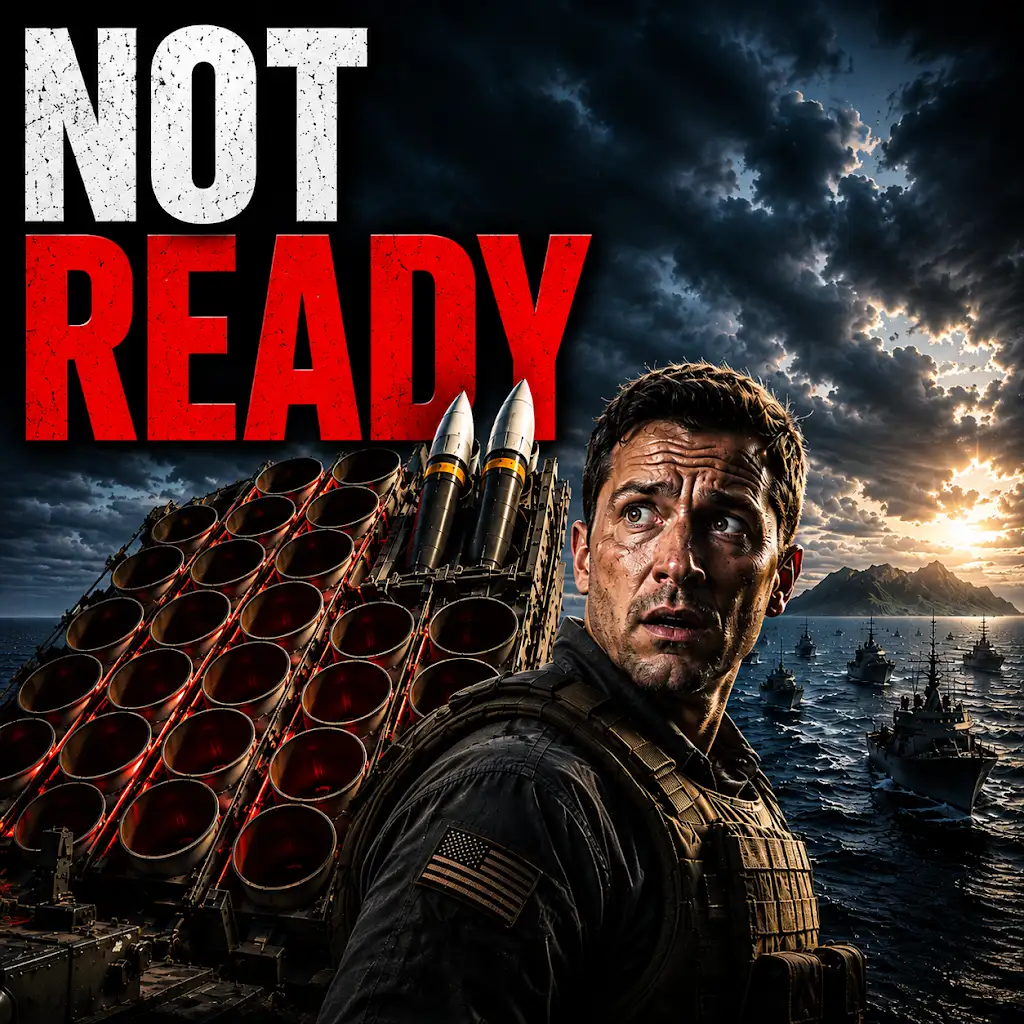
What Happens If China Moves Before America Rearms?
FAQs
What are the current US Pacific military logistics problems?
The US Pacific military faces challenges with outdated infrastructure, limited access to key locations, and the vast distances between bases and operational areas.
How do these logistics problems impact military operations in the Pacific?
These problems can lead to delays in the transportation of personnel and equipment, hinder the ability to respond quickly to crises, and limit the overall effectiveness of military operations in the region.
What steps are being taken to address these logistics challenges?
Efforts are underway to modernize infrastructure, improve access to key locations, and enhance the transportation network in the Pacific region. Additionally, there is a focus on increasing collaboration with regional partners to overcome logistical hurdles.
What role does technology play in addressing these logistics issues?
Technology plays a crucial role in improving logistics in the Pacific, including advancements in transportation systems, communication networks, and supply chain management tools.
What are the potential implications if these logistics problems are not resolved?
Failure to address these logistics challenges could result in decreased readiness, limited ability to project power in the region, and increased vulnerability to potential adversaries.