The vast network of United States military bases, scattered across the globe, has long been a cornerstone of American power projection and a symbol of its commitment to global security. From the shores of Japan and South Korea to the strategically vital islands of the Pacific and even continental Europe, these installations are designed to deter aggression, respond to crises, and maintain stability. However, in an era of increasing geopolitical competition, particularly with the rise of China, the vulnerability of these forward-deployed assets is becoming a subject of growing concern. The People’s Liberation Army (PLA) has been rapidly modernizing its military, developing capabilities that directly challenge the traditional advantages enjoyed by the U.S. military, including its ability to operate with impunity from its overseas bases.
The post-Cold War era saw the United States as the undisputed global superpower, with its military presence abroad largely unchallenged. This dominance, however, has been gradually eroded by the economic and military resurgence of China. Beijing’s ambitious “Made in China 2025” initiative and its Belt and Road Initiative underscore a broader strategy to assert its influence and reshape the international order. This ambition is directly reflected in its military development, which has a clear focus on countering U.S. military power, especially in the Indo-Pacific region.
China’s Anti-Access/Area Denial (A2/AD) Strategy
A significant aspect of China’s military modernization is the development of sophisticated Anti-Access/Area Denial (A2/AD) capabilities. This strategy aims to prevent or significantly delay an adversary, particularly the U.S. military, from entering or operating within a designated geographic area.
Ballistic and Cruise Missile Development
Central to China’s A2/AD strategy is its extensive arsenal of ballistic and cruise missiles. These weapons, including the infamous “carrier-killer” DF-21D and the DF-26, are specifically designed to target naval vessels, including aircraft carriers, as well as land-based installations. Their accuracy and range pose a direct threat to U.S. naval forces operating in the Western Pacific and could also endanger bases located within their strike envelopes.
Intermediate-Range Ballistic Missiles (IRBMs)
The development and potential deployment of Intermediate-Range Ballistic Missiles (IRBMs) by China is a particularly alarming development. These missiles, with ranges between 1,000 and 3,000 kilometers, could reach many U.S. bases in Japan, South Korea, Guam, and even potentially parts of Australia. The introduction of such weapons fundamentally alters the strategic calculus, placing U.S. personnel and assets at greater risk than ever before.
Hypersonic Weapons
China has also been at the forefront of developing hypersonic weapons, which travel at speeds exceeding Mach 5 and can maneuver during flight. These characteristics make them extremely difficult to track and intercept, presenting a formidable challenge to existing missile defense systems. The threat posed by hypersonic missiles to fixed U.S. military installations, such as airfields and command centers, is significant.
Expanding Naval and Air Power
Beyond missile capabilities, China’s rapid expansion of its navy and air force directly impacts the security of U.S. bases. The increasing number and sophistication of Chinese warships, including aircraft carriers and submarines, challenge U.S. naval dominance and the freedom of navigation around key bases. Similarly, the PLA Air Force’s growing fleet of advanced fighter jets and bombers, coupled with their improved operational range, can project power closer to U.S. installations.
Aircraft Carrier Program
China’s investment in its aircraft carrier program, from the Liaoning to the Shandong and the nascent Fujian, signifies its intent to project power far from its shores. While still developing its carrier-based air wings, these vessels, when fully operational, will enhance China’s ability to conduct offensive operations and threaten naval bases.
Submarine Fleet Expansion
The rapid growth of China’s submarine fleet, encompassing both conventional and nuclear-powered variants, presents a stealthy and potent threat. These submarines can conduct reconnaissance, attack shipping, and potentially target submerged or surface naval assets near U.S. bases, as well as conduct operations in littoral waters.
Recent discussions surrounding the vulnerability of US military bases to potential threats from China have gained significant attention. An insightful article that delves into this topic can be found at In the War Room, where experts analyze the strategic implications of China’s military advancements and their potential impact on US defense operations. This article provides a comprehensive overview of the current geopolitical landscape and the measures that may be necessary to enhance the security of American installations abroad.
Vulnerabilities of Key U.S. Military Installations
The geographical distribution of U.S. military bases, while strategically advantageous in some respects, also creates inherent vulnerabilities. Those located in close proximity to China or within the projected range of its advanced weaponry are particularly at risk.
Bases in the Western Pacific
The U.S. military maintains a significant presence in the Western Pacific, a region of immense strategic importance. Bases in Japan, South Korea, and Guam are critical to U.S. defense posture in the Indo-Pacific, but they are also most directly exposed to China’s A2/AD capabilities.
Yokosuka Naval Base, Japan
Home to the U.S. Seventh Fleet, Yokosuka Naval Base is a linchpin of U.S. naval power in the Indo-Pacific. Its proximity to mainland China and Taiwan makes it a prime target in any conflict scenario. The base’s extensive infrastructure, including dry docks and fuel depots, is vulnerable to missile strikes and other forms of attack.
Potential for Cyberattacks on Critical Infrastructure
Beyond kinetic threats, Yokosuka, like all modern military installations, is susceptible to cyberattacks. Disruption of power grids, communication networks, or logistics systems through sophisticated cyber warfare could cripple the base’s operational capabilities even without direct physical damage.
Kadena Air Base, Okinawa, Japan
Kadena Air Base is the largest U.S. Air Force installation in the Pacific and serves as a vital hub for air power projection. Its strategic location makes it a critical asset for responding to regional crises, but it also places it within the potential strike range of Chinese missiles. The airframes and support equipment at Kadena would be high-value targets.
Risk to Aircraft and Airfield Infrastructure
The concentration of aircraft at Kadena makes it vulnerable to a “decapitation strike” aimed at neutralizing its air combat capability. Damage to runways, fuel storage, and maintenance facilities could render the base inoperable.
Andersen Air Force Base, Guam
Guam, a U.S. territory in the Western Pacific, hosts Andersen Air Force Base and Naval Base Guam. These installations are crucial for long-range bomber operations, submarine support, and intelligence gathering. While further from mainland China than bases in Japan or South Korea, Guam is within the reach of China’s longer-range missiles, including the DF-26.
Strategic Importance and Target Value
The strategic importance of Guam as a forward operating location makes it a high-priority target for any adversary seeking to degrade U.S. capabilities in the Pacific. Its value as a logistical hub and a platform for power projection makes it a tempting target for pre-emptive strikes.
Korean Peninsula Installations
U.S. military bases in South Korea, such as Camp Humphreys, are crucial for deterring North Korean aggression and maintaining regional stability. However, their proximity to China and the ongoing tensions on the Korean Peninsula also present significant risks.
Camp Humphreys, South Korea
Camp Humphreys is the largest U.S. Army base in Asia and serves as the headquarters for U.S. Forces Korea. Its extensive facilities and large personnel population make it a significant target. While primarily concerned with North Korea, the base’s location also makes it vulnerable to Chinese military actions.
Integrated Air Defense Systems and their Limitations
While U.S. bases in South Korea are protected by sophisticated integrated air defense systems, the sheer volume and sophistication of potential missile attacks from China, particularly in coordination with North Korea, could overwhelm these defenses.
China’s Evolving Military Capabilities Beyond Missiles
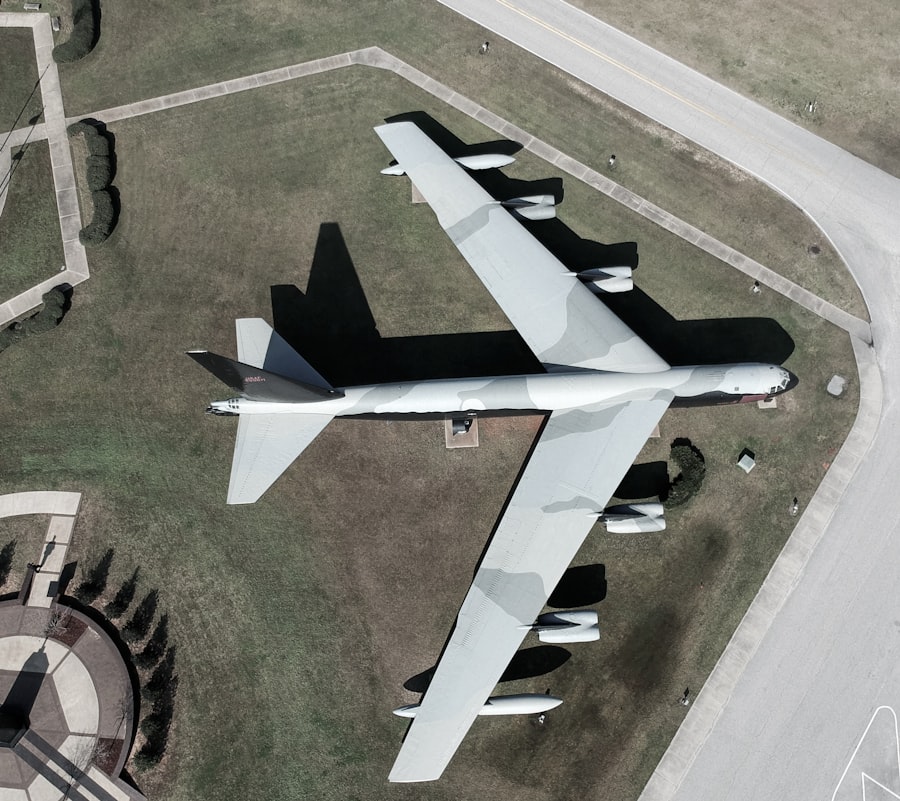
While missiles are a prominent concern, China’s military development extends to other domains that amplify the vulnerability of U.S. bases.
Cyber and Electronic Warfare Capabilities
China has invested heavily in developing sophisticated cyber and electronic warfare capabilities, which can be used to disrupt U.S. military operations without firing a shot. These capabilities can target command and control systems, communication networks, and critical infrastructure at military bases.
Targeting Command and Control Systems
Disrupting or disabling U.S. command and control (C2) systems is a key objective of cyber warfare. If China could effectively cripple the C2 networks at a U.S. base, it would severely hamper its ability to coordinate responses, communicate with higher headquarters, and deploy forces.
Jamming and Spoofing of Communications
Electronic warfare, including jamming and spoofing of communications, can create confusion and prevent effective coordination. This could isolate bases, disrupt air traffic control, and hinder the ability of forces to operate effectively.
Space-Based Assets and Anti-Satellite Weapons
The increasing reliance of the U.S. military on space-based assets for communication, navigation, and intelligence makes these assets vulnerable. China’s development of anti-satellite (ASAT) weapons poses a direct threat to these critical enablers.
Impact of Destroying or Disabling Satellites
The destruction or disabling of U.S. military satellites would have a cascading effect, impacting everything from GPS navigation for troops and aircraft to secure communication channels and real-time intelligence feeds. This would severely degrade U.S. operational effectiveness.
Orbital Debris as a Long-Term Threat
The testing of ASAT weapons, as demonstrated by China in the past, creates vast amounts of orbital debris. This debris poses a long-term threat to all space-faring nations, including the U.S., and can render certain orbits unusable for decades.
Unmanned Systems and Autonomous Warfare
China is also rapidly developing its capabilities in unmanned systems, including drones and autonomous vehicles. These can be used for reconnaissance, surveillance, and potentially offensive operations, posing a new dimension of threat to fixed military installations.
Swarm Tactics and Overwhelming Defenses
The potential use of drone swarms, capable of overwhelming existing air defense systems through sheer numbers and coordinated attacks, is a growing concern for the protection of bases.
Potential Chinese Scenarios Targeting U.S. Bases

Understanding the specific scenarios that China might employ to target U.S. bases is crucial for effective defense planning. These scenarios are not mutually exclusive and could be employed in combination.
Scenario 1: Pre-emptive Strike During Escalation
In a crisis scenario, such as a conflict over Taiwan, China might consider a pre-emptive strike against key U.S. bases in the region to degrade American power projection capabilities before U.S. forces can fully deploy. This would likely involve a barrage of ballistic and cruise missiles targeting airfields, naval facilities, and command centers.
Targeting of Forward-Deployed Aircraft and Personnel
The primary objective of such a strike would be to destroy as many aircraft on the ground as possible and inflict casualties on personnel. This would aim to cripple the immediate U.S. response capability.
Disruption of Logistics and Resupply Chains
Denying the U.S. the ability to resupply and reinforce its forces would be a critical element of any pre-emptive strategy. This could involve targeting ports, air cargo facilities, and transportation networks leading to the bases.
Scenario 2: Sustained A2/AD Campaign
Even without a direct pre-emptive strike, China could employ a sustained A2/AD campaign to prevent the U.S. from effectively operating in the region. This would involve a continuous barrage of missiles and other attacks aimed at degrading U.S. naval and air assets, making it too costly and dangerous for them to operate.
Gradual Attrition of U.S. Military Assets
The goal here would be to achieve victory through attrition, slowly wearing down U.S. forces and forcing their withdrawal from the region due to unacceptable losses.
Psychological Warfare and Undermining Alliance Confidence
Sustained attacks, even if not decisive, can have a significant psychological impact on both military personnel and the civilian populations near bases. It can also create doubt within U.S. alliances about America’s ability to protect them.
Scenario 3: Hybrid Warfare and Asymmetric Tactics
China could also employ a more hybrid approach, combining conventional military threats with cyberattacks, disinformation campaigns, and potentially the use of proxy forces or civilian militias to harass or disrupt U.S. bases.
Cyberattacks on Base Infrastructure and Networks
As previously mentioned, crippling cyberattacks could be a precursor or complement to kinetic actions, creating chaos and making the bases more vulnerable to direct assault.
Disinformation Campaigns to Undermine Morale and Support
Spreading propaganda and disinformation aimed at U.S. personnel and their families, as well as the local populations surrounding bases, could be used to erode morale and create political pressure against U.S. military presence.
Recent discussions about the vulnerability of US military bases to potential threats from China have sparked significant concern among defense analysts. A related article that delves deeper into this topic can be found on In The War Room, which explores the strategic implications of China’s military advancements and their impact on US operations. For a comprehensive analysis, you can read more about it here. Understanding these dynamics is crucial for assessing the future of US military readiness in the face of evolving global challenges.
Mitigating Vulnerabilities and Enhancing Base Security
| Base Name | Location | Vulnerability Level |
|---|---|---|
| Naval Base San Diego | California | High |
| Joint Base Pearl Harbor-Hickam | Hawaii | Medium |
| Fort Bragg | North Carolina | Low |
| Joint Base Lewis-McChord | Washington | High |
Addressing the vulnerabilities of U.S. military bases requires a multi-faceted approach that encompasses technological advancements, strategic repositioning, and enhanced operational resilience.
Enhancing Missile Defense Systems
The continued development and deployment of advanced missile defense systems are crucial. This includes improving the effectiveness of existing systems and exploring new technologies capable of intercepting a wider range of threats, including hypersonic missiles.
Layered Defense Architectures
Implementing layered defense architectures, where multiple missile defense systems work in concert, can provide a more robust shield. This involves early warning systems, interceptors at different altitudes, and defensive measures against terminal threats.
Investing in Next-Generation Interceptors
The U.S. needs to accelerate research and development into next-generation interceptors that are faster, more agile, and capable of engaging maneuvering hypersonic threats.
Dispersing and Hardening of Infrastructure
Rather than concentrating critical assets in a few large bases, the U.S. military should consider dispersing its forces and hardening key infrastructure. This makes it more difficult for an adversary to achieve decisive results with a single strike.
Mobile and Modular Basing Concepts
Exploring the use of mobile and modular basing concepts could allow for greater flexibility and survivability. This could involve deployable command centers, hardened shelters for aircraft, and distributed logistics nodes.
Undergrounding of Critical Facilities
Burying vital facilities, such as command centers, communication hubs, and fuel storage, underground would offer significant protection against missile strikes and aerial bombardment.
Strengthening Cyber Defenses and Resilience
Cybersecurity must be a top priority. This involves continuous investment in advanced cyber defenses, regular training, and developing robust incident response plans to quickly recover from attacks.
Proactive Threat Hunting and Intelligence Sharing
Implementing proactive threat hunting measures and fostering intelligence sharing with allies can help identify and neutralize cyber threats before they can cause significant damage.
Air-Gapping Critical Systems
For the most sensitive and critical systems, air-gapping them (physically disconnecting them from external networks) can provide a last line of defense against cyber intrusion.
Increasing Operational Agility and Mobility
The ability of U.S. forces to operate from a wider range of locations and to rapidly redeploy is essential. This involves investing in mobile command and control systems, robust logistics capabilities, and training for operations in dispersed environments.
Development of Expeditionary Basing Capabilities
Enhancing expeditionary basing capabilities allows the U.S. to establish and operate from temporary bases in austere environments, reducing reliance on fixed installations.
Regular Joint Training Exercises with Allies
Conducting frequent joint training exercises with allies in potential conflict zones helps to improve interoperability, test response plans, and demonstrate a collective commitment to regional security.
Enhancing Intelligence, Surveillance, and Reconnaissance (ISR)
A robust ISR capability is vital for detecting and tracking potential threats early. This includes utilizing a range of assets, from satellites and drones to human intelligence, to gain situational awareness of adversary movements and intentions.
Real-Time Threat Assessment and Early Warning
Improved ISR capabilities enable real-time threat assessment, providing early warning of missile launches or other hostile actions, allowing for timely defensive responses.
Persistent Surveillance of Critical Areas
Maintaining persistent surveillance over strategically important areas allows for the monitoring of military build-ups and potential adversary preparations.
In conclusion, the U.S. military faces a significant and evolving threat from China, particularly concerning the vulnerability of its overseas bases. The rapid modernization of the PLA, coupled with China’s strategic ambitions, necessitates a proactive and adaptive approach to defense planning. By investing in advanced missile defense, enhancing cyber resilience, dispersing and hardening infrastructure, and increasing operational agility, the United States can strive to mitigate these risks and maintain its ability to project power and deter aggression in a complex and increasingly challenging global security environment. The continued security of these vital installations is not just a matter of military preparedness, but a critical component of global stability.

What Happens If China Moves Before America Rearms?
FAQs
What is the current situation regarding US military bases and their vulnerability to China?
The US military bases are facing increasing vulnerability to China due to China’s advancements in military technology, including long-range missiles and anti-ship ballistic missiles. This has raised concerns about the ability of the US military to defend its bases in the event of a conflict with China.
How are US military bases vulnerable to China?
US military bases are vulnerable to China due to China’s development of advanced missile systems, including the DF-21D and DF-26, which are designed to target and destroy aircraft carriers and other key military assets. Additionally, China’s growing naval and air power pose a threat to US bases in the Asia-Pacific region.
What steps is the US taking to address the vulnerability of its military bases to China?
The US is taking several steps to address the vulnerability of its military bases to China, including investing in advanced missile defense systems, such as the Aegis Ballistic Missile Defense System, and developing new tactics and strategies to counter China’s military capabilities. Additionally, the US is strengthening its alliances and partnerships in the region to enhance its overall defense posture.
What are the potential implications of US military bases being vulnerable to China?
The potential implications of US military bases being vulnerable to China include a diminished ability to project power and defend US interests in the Asia-Pacific region, as well as an increased risk of conflict with China. Additionally, the vulnerability of US bases could undermine the credibility of US security commitments to its allies in the region.
What are the key factors contributing to the vulnerability of US military bases to China?
The key factors contributing to the vulnerability of US military bases to China include China’s rapid military modernization and expansion, its development of advanced missile systems, and its growing naval and air power. Additionally, the geographic proximity of US bases to China and the increasing strategic competition between the two countries are also contributing factors.