The strategic imperative of securing the First Island Chain has long been a cornerstone of military planning for several key regional powers. This arc of islands, stretching from Japan through Taiwan and the Philippines, forms a crucial maritime choke point and a natural barrier in the Indo-Pacific. Its control offers significant advantages in power projection, defense, and economic security. Understanding the multifaceted military strategies employed to achieve and maintain dominance within this vital theater requires a deep dive into its geographical significance, the evolving threat landscape, and the diverse operational doctrines that have been developed.
The First Island Chain’s strategic importance is inextricably linked to its unique geographical configuration. Its presence significantly shapes naval maneuverability and air power projection across a vast expanse of the Pacific.
Defining the Arc and its Strategic Boundaries
The First Island Chain is not a monolithic entity but rather a series of archipelagos and individual islands that collectively create a formidable barrier. This chain typically encompasses:
- Japan: The northernmost anchor, with its extensive coastline and advanced military capabilities, provides a strong defensive posture and significant offensive potential.
- The Ryukyu Islands (including Okinawa): This southern Japanese archipelago is critically positioned, offering numerous logistical hubs and airfields vital for surveillance and force deployment.
- Taiwan: Situated at the heart of the chain, Taiwan’s location makes it a pivotal point. Its control or denial is a central consideration for any power seeking to influence the region.
- The Philippines: The southernmost segment of the chain, the Philippines’ vast network of islands provides numerous access points to the Pacific and a complex maritime environment for adversaries to navigate.
These landmasses, interspersed with narrow straits and open sea passages, create a complex operational environment. Control over key straits like the Miyako Strait, the Bashi Channel, and the Luzon Strait is paramount, as these are the primary arteries through which naval forces can transit between the Pacific Ocean and the East and South China Seas.
Maritime Chokepoints and Access Control
The islands of the First Island Chain naturally form several critical maritime chokepoints. These are areas where the sea lanes of communication (SLOCs) are narrowed, making them vulnerable to interdiction or, conversely, enabling defenders to exert significant control.
- The Miyako Strait: This passage between the Japanese islands of Miyako and Okinawa is a vital access route for naval vessels from the East China Sea to the Pacific Ocean. Its control is essential for both projecting power outwards and for isolating forces within.
- The Bashi Channel: Located between Taiwan and the Philippines, the Bashi Channel is another crucial strait that allows access to and from the Pacific. Its strategic importance is amplified by its proximity to Taiwan.
- The Luzon Strait: This wider passage between Taiwan and the northern Philippines offers a less constrained but still significant route for maritime transit.
For powers seeking to project influence beyond the chain, controlling these chokepoints is essential. For defensive forces, denying passage through these straits to an adversary is a primary objective. The ability to monitor, restrict, or destroy enemy naval and air assets transiting these areas is fundamental to any strategy centered on the First Island Chain.
The Strategic Depth Provided by the First Island Chain
Beyond its chokepoint significance, the First Island Chain offers considerable strategic depth to nations positioned behind it. This depth allows for:
- Phased Defense: A layered defense can be established, with initial engagements occurring at the outer reaches of the chain, gradually drawing an adversary deeper into a more challenging operational environment.
- Forward Basing: Key islands within the chain can serve as forward operating bases for aircraft, naval vessels, and logistical support, enabling sustained operations further afield.
- Surveillance and Reconnaissance: The chain provides an ideal platform for intelligence gathering, offering elevated positions for radar, sonar, and other surveillance assets to monitor maritime and aerial activity.
Conversely, for an adversary seeking to overcome the First Island Chain, its very existence presents a significant obstacle, requiring considerable resources and sophisticated planning to penetrate.
The First Island Chain military strategy plays a crucial role in the geopolitical dynamics of the Indo-Pacific region, particularly in countering potential threats from regional adversaries. For a deeper understanding of this strategy and its implications, you can refer to a related article that discusses the strategic significance of the First Island Chain and its impact on U.S. military operations in the area. To read more, visit this article.
Evolving Threat Perceptions and Strategic Objectives
The military strategies employed in and around the First Island Chain are not static; they are continuously shaped by evolving threat perceptions and the strategic objectives of regional actors. The rise of China as a major military power has profoundly influenced these dynamics.
The Rise of China and its Maritime Ambitions
China’s rapid military modernization, particularly its focus on naval power and anti-access/area denial (A2/AD) capabilities, has fundamentally altered the strategic calculus for nations operating within and around the First Island Chain.
- Naval Expansion: The People’s Liberation Army Navy (PLAN) has undergone a dramatic transformation, growing into a blue-water navy with advanced aircraft carriers, submarines, and surface combatants. This expansion is aimed at projecting power beyond China’s immediate shores.
- A2/AD Capabilities: China has invested heavily in developing sophisticated A2/AD systems, including anti-ship ballistic missiles (ASBMs), advanced air defense systems, and electronic warfare capabilities. These are designed to prevent potential adversaries from operating freely within or near China’s claimed maritime territories.
- “String of Pearls” Theory: While debated, the concept of China seeking to establish a network of naval bases and influence along its maritime routes, potentially including ports within or near the First Island Chain, remains a significant concern for some strategists.
The Defensive Posture of Regional Allies
In response to these developments, the United States and its regional allies, particularly Japan, South Korea, and Australia, have strengthened their defensive postures and deepened their security cooperation.
- Strengthening Alliances: The U.S. has re-emphasized its commitment to its alliances in the Indo-Pacific, conducting joint exercises and increasing its military presence in the region.
- Modernization of Allied Forces: Japan, South Korea, and Australia have all undertaken significant military modernization programs, acquiring advanced platforms and capabilities designed to counter A2/AD threats and enhance their collective defense.
- Focus on Interoperability: A key aspect of the allied strategy is ensuring seamless interoperability between their respective forces, allowing for coordinated responses to any contingencies.
The Strategic Significance of Taiwan
Taiwan’s unique geopolitical position makes its security a central element of any strategy involving the First Island Chain.
- A Wedge in the Chain: Taiwan acts as a critical landmass that bisects the First Island Chain, making its control or denial a decisive factor in regional power dynamics.
- US-Taiwan Relations: The complex relationship between the United States and Taiwan, characterized by the Taiwan Relations Act, dictates a significant U.S. commitment to the island’s defense, which in turn shapes military planning.
- Potential Flashpoint: The island is widely considered a potential flashpoint, and any military action involving Taiwan would have profound implications for the entire Indo-Pacific.
Offensive Military Strategies for Dominance

Achieving dominance within the First Island Chain requires robust offensive strategies designed to project power, neutralize threats, and secure critical lines of communication. These strategies often involve a combination of naval, air, and missile forces.
Naval Power Projection and Sea Control
The ability to project naval power and establish sea control is paramount for any nation seeking to exert influence in the First Island Chain.
- Carrier Strike Groups: Aircraft carrier strike groups remain a potent symbol and instrument of naval power. Their ability to project air power over vast distances is crucial for both offensive operations and maintaining a defensive presence.
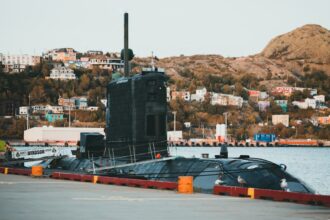
- Submarine Warfare: Submarines, both conventionally and nuclear-powered, play a critical role in stealthy reconnaissance, intelligence gathering, and the potential interdiction of enemy naval forces.
- Amphibious Operations: The capability to conduct amphibious assaults on islands within the chain, or to support amphibious forces, is a key offensive maneuver that can secure strategic locations.
- Mine Warfare: The strategic use of naval mines can deny access to key straits and harbors, significantly hindering enemy movements.
Air Superiority and Strike Capabilities
Control of the air above the First Island Chain is inextricably linked to control of the seas.
- Fighter Dominance: Achieving air superiority through advanced fighter aircraft is essential to protect naval assets, interdict enemy air strikes, and enable friendly ground and naval operations.
- Long-Range Strike: The deployment of aircraft with long-range strike capabilities, such as bombers and carrier-based strike aircraft, allows for the neutralization of distant enemy targets and the projection of power deep into adversary territory.
- Integrated Air Defense Systems: The development and deployment of robust integrated air defense systems are crucial for protecting friendly forces and bases from aerial attack.
Missile Warfare and Precision Strikes
Modern military strategies heavily rely on the effective deployment of various missile systems for offensive operations.
- Anti-Ship Missiles: The ability to launch accurate and powerful anti-ship missiles from land, sea, and air platforms is a critical component of any offensive strategy aimed at neutralizing enemy naval forces.
- Ballistic and Cruise Missiles: Long-range ballistic and cruise missiles can be used to strike critical enemy infrastructure, command and control centers, and airfields, thereby degrading their ability to conduct operations.
- Hypersonic Weapons: The development and deployment of hypersonic weapons, capable of evading current missile defense systems, represent a significant emerging threat and a potent offensive capability.
Defensive Military Strategies for Denying Access
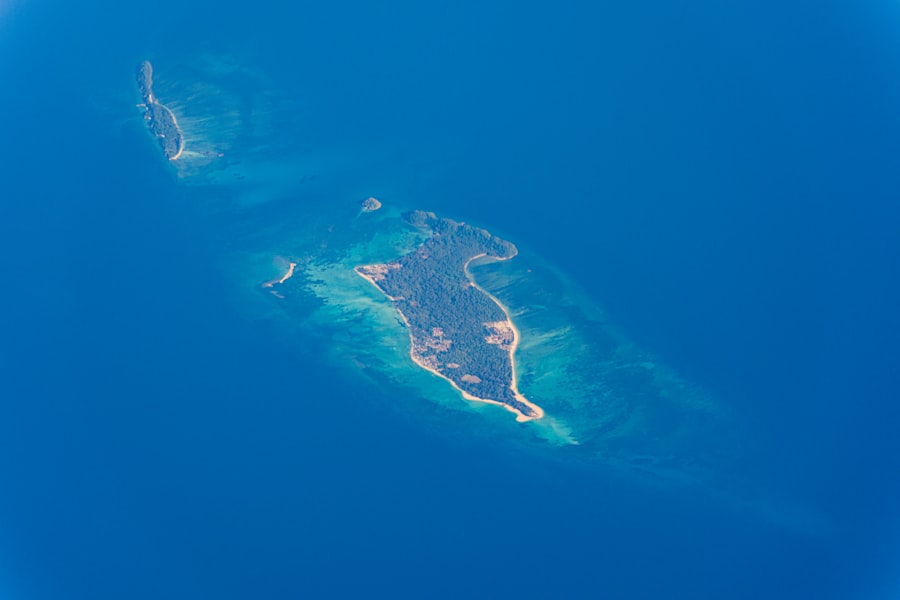
Conversely, defensive strategies focus on denying an adversary the ability to operate freely within the First Island Chain and to protect allied territory and interests. These strategies often involve distributed forces and sophisticated networked capabilities.
Anti-Access/Area Denial (A2/AD)
The concept of A2/AD is central to defensive strategies aimed at making the First Island Chain a difficult and costly environment for an adversary to penetrate.
- Layered Missile Defenses: The deployment of multiple layers of missile defense systems, including short, medium, and long-range interceptors, is designed to counter incoming ballistic and cruise missile threats.
- Naval Blockade and Interdiction: The ability to detect, track, and interdict enemy naval vessels attempting to transit key straits is a core defensive measure. This can involve surface ships, submarines, and maritime patrol aircraft.
- Electronic Warfare: Sophisticated electronic warfare capabilities are essential for disrupting enemy communications, radar, and navigation systems, thereby degrading their combat effectiveness.
- Cyber Warfare: The ability to conduct cyber operations against enemy command and control systems, logistics networks, and weapon systems can significantly hinder their offensive capabilities.
Distributed Operations and Resilient Basing
To counter concentrated threats and ensure survivability, defensive strategies emphasize distributed operations and the establishment of resilient basing.
- Dispersed Forces: Rather than concentrating forces in fixed locations, defensive strategies often advocate for the dispersion of naval and air assets across a wider area, making them harder to target.
- Fortified and Mobile Platforms: The use of hardened airfields, dispersed naval bases, and the development of mobile or submersible launch platforms enhance the resilience of defensive forces.
- Intelligence, Surveillance, and Reconnaissance (ISR): A robust ISR network is crucial for early warning and providing actionable intelligence on enemy movements, enabling a timely and effective response.
Island Fortification and Coastal Defense
The islands themselves can serve as strong defensive bastions.
- Coastal Artillery and Missile Batteries: The deployment of advanced coastal artillery and land-based missile systems can create formidable defensive zones along coastlines and at the entrance to critical straits.
- Fixed and Mobile Defenses: A combination of fixed fortifications and mobile weapon systems provides flexibility and redundancy in coastal defense.
- Minefields: Strategic minefield deployment in waters surrounding islands can create significant hazards for invading naval forces.
The First Island Chain military strategy plays a crucial role in shaping the defense policies of nations in the Asia-Pacific region, particularly in countering potential threats from adversaries. A related article discusses the implications of this strategy on regional security dynamics and highlights the importance of maintaining a robust military presence in these strategic waters. For further insights, you can read more about it in this detailed analysis. Understanding these strategies is essential for comprehending the broader geopolitical landscape and the ongoing tensions in the area.
The Role of Technology and Innovation
| Country | Military Presence | Naval Bases | Air Bases |
|---|---|---|---|
| China | Strong military presence | Multiple naval bases | Several air bases |
| United States | Significant military presence | Naval bases in Japan and South Korea | Air bases in Japan and Philippines |
| Japan | Robust military presence | Naval bases in Okinawa | Air bases in Okinawa and mainland Japan |
Technological advancements and ongoing innovation are critical drivers shaping military strategies within the First Island Chain. The continuous evolution of military hardware and software directly impacts the effectiveness of both offensive and defensive operations.
Unmanned Systems and Autonomous Warfare
The increasing sophistication and deployment of unmanned systems are revolutionizing military operations.
- Unmanned Aerial Vehicles (UAVs): Drones of various sizes and capabilities are employed for persistent surveillance, reconnaissance, electronic warfare, and even offensive strike missions, extending the reach and reducing the risk to manned platforms.
- Unmanned Underwater Vehicles (UUVs): UUVs are becoming increasingly important for mine countermeasures, anti-submarine warfare, intelligence gathering, and potentially even offensive operations in the underwater domain.
- Autonomous Swarms: The concept of autonomous swarms of drones, capable of coordinating complex operations without direct human control, represents a future paradigm shift in warfare.
Advanced Sensors and Network-Centric Warfare
The ability to collect, process, and disseminate vast amounts of information is central to modern military effectiveness.
- Next-Generation Radar and Sonar: Advances in radar and sonar technology provide enhanced detection capabilities against stealthy platforms and in challenging environmental conditions.
- Space-Based ISR: Satellites play an indispensable role in providing global intelligence, surveillance, and reconnaissance, offering persistent monitoring of maritime and terrestrial activities.
- Network Integration: The ability to seamlessly connect diverse sensor platforms and weapon systems into a unified network allows for real-time situational awareness and synchronized responses, a hallmark of network-centric warfare.
Emerging Technologies and Future Capabilities
The race for technological superiority continues, with several emerging technologies poised to shape future military strategies.
- Artificial Intelligence (AI) and Machine Learning (ML): AI and ML are being integrated into everything from target recognition and battle management to logistics and predictive maintenance, enhancing efficiency and decision-making speed.
- Directed Energy Weapons: The development of laser and high-powered microwave weapons offers the potential for rapid, precise engagement of threats with reduced logistical footprints compared to conventional munitions.
- Quantum Technologies: While still in nascent stages, quantum computing and quantum sensing hold the potential to revolutionize encryption, navigation, and detection capabilities, presenting both opportunities and challenges for military planners.
The strategic imperative of securing the First Island Chain remains a defining feature of Indo-Pacific security. The interplay of geography, evolving threats, and technological innovation continuously reshapes the military strategies employed in this critical region. Maintaining stability and deterring conflict requires a nuanced understanding of these complex dynamics and a commitment to adaptive, forward-looking military planning.
What Happens If China Moves Before America Rearms?
FAQs
What is the First Island Chain military strategy?
The First Island Chain military strategy refers to a defensive perimeter of islands and archipelagos in the western Pacific Ocean, including Japan, Taiwan, the Philippines, and Indonesia. This strategy aims to contain the expansion of a potential adversary, such as China, by controlling key maritime chokepoints and denying them access to the open ocean.
What is the significance of the First Island Chain?
The First Island Chain is strategically significant because it serves as a natural barrier that can limit the movement of naval and air forces. It also provides a buffer zone for countries like Japan, Taiwan, and the Philippines, helping to protect their territorial integrity and national security.
Which countries are involved in implementing the First Island Chain military strategy?
Countries involved in implementing the First Island Chain military strategy include the United States, Japan, Taiwan, the Philippines, and other Southeast Asian nations. These countries work together to enhance their maritime capabilities and strengthen their defense cooperation to uphold the security of the region.
How does the First Island Chain military strategy impact regional security?
The First Island Chain military strategy has a significant impact on regional security by shaping the balance of power in the Asia-Pacific region. It influences the behavior of neighboring countries and helps to deter potential aggression, contributing to stability and peace in the area.
What are the challenges and criticisms of the First Island Chain military strategy?
Challenges and criticisms of the First Island Chain military strategy include the need for continuous coordination among participating countries, the potential for escalation of tensions with neighboring powers, and the evolving nature of modern warfare and technology. Critics also argue that the strategy may provoke a security dilemma and lead to a regional arms race.