The specter of conflict in the Indo-Pacific, specifically concerning Taiwan, looms large over strategic planners in Washington. While diplomatic efforts and deterrence strategies are paramount, the United States military is concurrently engaged in a rigorous and complex process of preparing its logistical capabilities for a potential war in the Taiwan Strait. This undertaking is not merely an abstract exercise; it involves a fundamental reassessment of established doctrines, a massive investment in new technologies and infrastructure, and a deep dive into the intricate dance of moving men, materiel, and sustainment across vast distances under adversarial conditions. The sheer scale and nature of a conflict involving China over Taiwan present logistical challenges unlike any the U.S. military has faced in recent history, demanding a paradigm shift in how the nation prepares to fight and win.
In the context of American military logistics and the potential conflict in Taiwan, a pertinent article can be found on In The War Room, which discusses the strategic implications of supply chain management in modern warfare. This article delves into how the United States can enhance its logistical capabilities to support Taiwan in the event of a military confrontation. For more insights, you can read the full article here: In The War Room.
The Unique and Formidable Challenges of the Taiwan Strait
The geography and geopolitical landscape of the Taiwan Strait present a formidable array of logistical hurdles. Unlike previous conflicts that often occurred in landlocked regions or offered greater access to established bases and sea lanes, a Taiwan contingency is characterized by its maritime nature, the immense distances involved, and the potential for a highly contested environment.
Geographic Isolation and the Tyranny of Distance
Taiwan itself is an island, separated from the continental United States by over 7,000 miles of the Pacific Ocean. This vast expanse immediately introduces significant challenges in terms of transit times and the sheer volume of resources required to support operations. Unlike the relatively short resupply lines in the Middle East or Europe, sustaining forces in the Western Pacific necessitates a robust and resilient network of maritime and air transport. The “tyranny of distance” means that every bullet, every gallon of fuel, and every medical supply must traverse this immense oceanic gap, making the efficient and timely delivery of these items a critical determinant of success. The speed at which these supplies can reach the theater of operations will directly impact the pace and sustainability of combat operations.
The Contested Air and Sea Domains
Perhaps the most significant logistical challenge is the potential for a highly contested air and sea environment. China’s extensive anti-access/area-denial (A2/AD) capabilities are specifically designed to target and degrade an adversary’s ability to project power into the region. This includes advanced anti-ship missiles, sophisticated air defense systems, and a potent naval and air force. For American logistics, this translates into a direct threat to the very arteries of supply. Conventional transport aircraft and cargo ships, often operating at predictable altitudes and along predictable routes, could become prime targets. The ability to move supplies safely and effectively will depend on sophisticated deception, dispersion, and the ability to operate under conditions of degraded communications and navigation.
The Importance of Forward Staging and Pre-positioning
In recognition of these challenges, the U.S. military is placing a renewed emphasis on forward staging and pre-positioning of critical supplies and equipment in key locations throughout the Indo-Pacific. This strategy aims to reduce reliance on long over-the-shore (OTS) transport during active conflict. However, the viability of pre-positioning itself is subject to the same A2/AD threats. Secure and dispersed locations, protected by robust defenses, are crucial. Furthermore, the types of assets pre-positioned must be carefully considered. Essential items like spare parts for aircraft and vehicles, medical supplies, ammunition, and fuel are high priorities.
The Role of Allies and Partners
The logistical network for a potential Taiwan conflict cannot solely rely on U.S. assets. The cooperation and capabilities of regional allies and partners are indispensable. Nations like Japan, South Korea, the Philippines, and Australia possess their own logistical infrastructure and strategic locations that can serve as vital nodes in a distributed network. This necessitates extensive interoperability, joint planning, and the integration of allied capabilities into U.S. logistical plans. This includes shared access to ports, airfields, and warehousing facilities, as well as coordinated movement of personnel and materiel. The political and operational complexities of such deep integration are significant but essential for a comprehensive logistical solution.
Modernizing the Supply Chain: Technology and Innovation
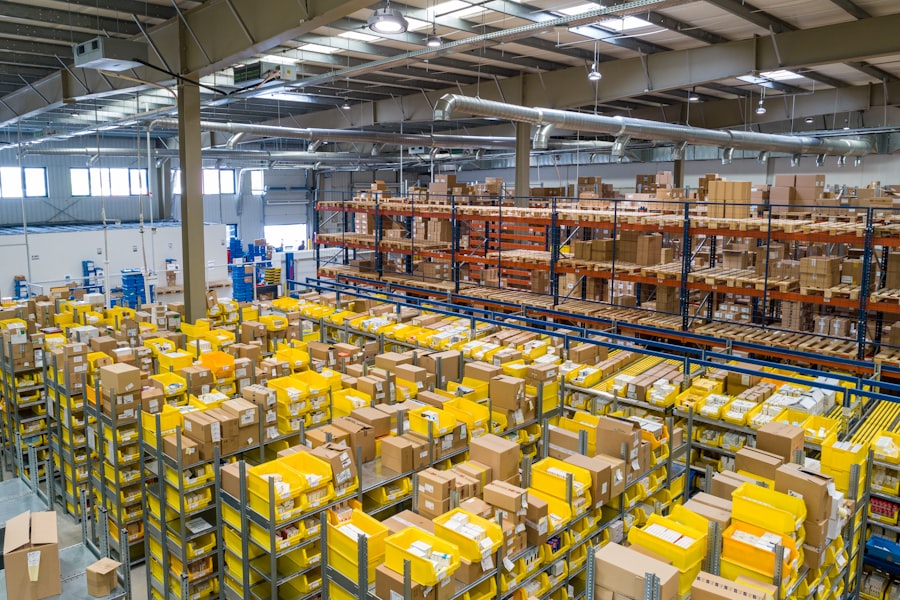
The logistical challenges of a Taiwan conflict are forcing a radical modernization of the U.S. military’s supply chain, embracing new technologies and innovative approaches to ensure resilience and responsiveness.
The Digital Backbone: Enhanced Command and Control
A resilient and responsive logistics system relies on a robust digital backbone. This involves the development and implementation of advanced command and control (C2) systems that provide real-time visibility of assets, inventory levels, and transportation status across vast distances. Artificial intelligence (AI) and machine learning are being employed to optimize routing, predict demand, and identify potential bottlenecks before they cripple the supply chain. Secure, redundant communication networks are essential to maintain situational awareness and coordinate movements even in a heavily jammed or disrupted electromagnetic environment.
Autonomous Systems and Robotics
The deployment of autonomous systems and robotics is a significant area of focus for enhancing logistical capabilities. Unmanned aerial vehicles (UAVs) and unmanned ground vehicles (UGVs) can be utilized for a variety of tasks, from delivering small, high-priority items to forward-deployed units to conducting reconnaissance of potential landing zones or resupply points. Autonomous shipping and trucking could also play a role in reducing the risk to human personnel in contested areas. The development of standardized interfaces and the ability to operate these systems in conjunction with manned assets are critical for their effective integration.
Advanced Manufacturing and 3D Printing
The concept of distributed manufacturing, particularly through advanced technologies like 3D printing, holds immense promise for overcoming logistical constraints. The ability to produce spare parts, tools, and even certain types of equipment on-demand, closer to the point of need, can dramatically reduce the reliance on traditional supply chains and the associated transit times and vulnerabilities. This capability is particularly valuable in a scenario where traditional supply routes are severely disrupted. The challenge lies in ensuring the quality and standardization of manufactured components and the availability of raw materials in forward locations.
Resilient and Diversified Transportation Networks
The U.S. military is actively working to diversify and enhance its transportation networks. This includes increasing the capacity and survivability of sealift and airlift assets, exploring unconventional transport methods, and investing in resilient infrastructure in forward locations. The development of mobile, rapidly deployable port facilities and the hardening of existing bases against attack are also crucial elements. The concept of “distributed logistics” envisions a network of smaller, more dispersed nodes rather than relying on large, vulnerable hubs.
Sustaining the Fight: Ammunition, Fuel, and Medical Readiness

The ability to sustain combat operations hinges on the continuous and reliable supply of critical resources, particularly ammunition, fuel, and medical support.
Ammunition: The Insatiable Demand
Modern warfare, characterized by precision-guided munitions and high rates of fire, places an immense demand on ammunition stockpiles. The logistical challenge involves not only producing and transporting vast quantities of ammunition but also ensuring its safe storage, handling, and distribution to the front lines. For a Taiwan scenario, this means pre-positioning large volumes of ordnance, developing rapid resupply mechanisms, and potentially increasing production capacity in the U.S. to meet sustained demand. The ability to re-arm aircraft and naval vessels quickly and efficiently is also paramount.
Fuel: The Lifeblood of Operations
Fuel is the lifeblood of any modern military. For a protracted conflict in the Pacific, the logistical challenge of delivering and storing sufficient quantities of fuel to power aircraft, ships, vehicles, and generators is staggering. This requires a robust and resilient fuel supply chain, including tankers, pipelines, and secure storage facilities. The potential disruption of sea lanes poses a significant threat to fuel delivery, necessitating the development of alternative transportation methods and the ability to operate with reduced fuel consumption where possible. Fueling operations at sea and in forward locations will be a constant logistical challenge.
Medical Support: Preserving the Force
The human element of warfare necessitates a robust medical logistics system. This includes the timely evacuation of casualties, the availability of medical personnel and supplies, and the establishment of field hospitals and treatment facilities. In a high-intensity conflict, the medical burden could be immense. The logistical challenge involves not only moving wounded personnel but also ensuring a continuous supply of blood, medications, surgical equipment, and the specialized personnel needed to administer care. The ability to establish and sustain medical facilities in austere and potentially contested environments is critical.
In the context of American military logistics and its implications for a potential conflict over Taiwan, a comprehensive analysis can be found in a related article that discusses the strategic challenges and operational frameworks involved. This piece delves into the complexities of supply chain management and troop deployment in the Asia-Pacific region, highlighting the critical role these factors play in ensuring readiness and effectiveness in a crisis. For further insights, you can read the full article here.
The Human Factor: Training and Personnel Readiness
| Metrics | Data |
|---|---|
| Number of American military personnel in Taiwan | Classified |
| Amount of military equipment deployed | Not disclosed |
| Logistics support capabilities | Highly advanced |
| Strategic importance of Taiwan in American military logistics | Significant |
Beyond materiel, the human factor is equally critical to the success of military logistics. The individuals who plan, execute, and sustain logistical operations require specialized training and an understanding of the unique demands of the Indo-Pacific theater.
Specialized Training for the Pacific Theater
Logisticians operating in the Indo-Pacific must be trained to navigate the complexities of operating in a maritime environment, dealing with vast distances, and potentially facing sophisticated enemy threats. This includes specialized training in:
- Maritime Logistics: Understanding the nuances of port operations, sealift capabilities, and ship-to-shore movement in a potentially contested environment.
- Air Transport Operations: Proficiency in operating in heavily trafficked and potentially hostile airspace, with an emphasis on dispersed operations and survivability.
- Expeditionary Logistics: The ability to establish and sustain logistical operations in austere, remote locations with limited infrastructure.
- Cybersecurity: Protecting critical logistical data and communication networks from cyberattacks.
- Interoperability: The ability to work seamlessly with allied and partner forces.
The Role of the Reserves and National Guard
The U.S. military increasingly relies on the Reserve components and the National Guard to augment active-duty forces, particularly in large-scale logistical operations. Their integration into contingency planning for a Taiwan scenario is crucial. This involves ensuring their units are adequately trained, equipped, and ready to deploy alongside their active-duty counterparts. Their expertise in areas like transportation, engineering, and medical support can be invaluable.
Personnel Sustainment and Morale
Beyond the immediate logistical flow of goods, the sustainment of personnel themselves is a critical logistical consideration. This includes providing adequate food, water, shelter, and opportunities for rest and recreation to maintain troop morale and combat effectiveness. In a prolonged conflict, the psychological toll can be significant, and the logistical support for morale and welfare programs becomes paramount.
Looking Ahead: Continuous Adaptation and Investment
The logistical preparations for a potential Taiwan war are not a static endeavor. They require continuous adaptation, ongoing investment, and a commitment to learning and innovation.
The Importance of Wargaming and Exercises
Regularly conducting large-scale wargames and exercises that simulate a Taiwan contingency is essential for identifying logistical vulnerabilities, testing new doctrines, and refining operational plans. These exercises should involve all branches of the military, as well as allied partners, and focus on the unique challenges of the Indo-Pacific theater. The lessons learned from these simulations provide invaluable feedback for improving logistical readiness.
Sustained Investment in Infrastructure and Capabilities
The logistical challenges of a Taiwan conflict demand sustained and significant investment in infrastructure, both at home and abroad. This includes modernizing ports and airfields, investing in sealift and airlift capacity, developing advanced command and control systems, and researching and developing new logistical technologies. Without this sustained investment, the ability to project and sustain power in the region will be severely hampered.
The Global Nature of Logistics
It is crucial to recognize that U.S. military logistics is a global enterprise. While the focus may be on the Indo-Pacific, the ability to surge resources from other theaters or from the continental United States is a critical component of any contingency plan. This requires maintaining a global logistical network and ensuring the readiness of units and assets that might be tasked with supporting operations in the Taiwan Strait.
In conclusion, the preparation for a potential war in the Taiwan Strait is a monumental undertaking for American military logistics. It demands a fundamental rethinking of established paradigms, a deep embrace of technological innovation, and a unwavering commitment to the seamless integration of personnel and materiel. The success of any future military operation in this critical theater will, in large part, depend on the military’s ability to overcome the formidable logistical challenges inherent in the geography, the potential adversary’s capabilities, and the sheer scale of operations. The ongoing efforts to modernize, diversify, and enhance the U.S. military’s logistical prowess are not merely preparations for a theoretical scenario; they are essential investments in national security and the preservation of peace and stability in the Indo-Pacific.
What Happens If China Moves Before America Rearms?
FAQs
What is the role of American military logistics in a potential Taiwan war?
American military logistics would play a crucial role in supporting any potential conflict involving Taiwan. This would involve the transportation, supply, and maintenance of military equipment, as well as the coordination of personnel and resources to ensure effective operations.
How would American military logistics support Taiwan in the event of a war?
In the event of a conflict involving Taiwan, American military logistics would likely involve the rapid deployment of troops, equipment, and supplies to the region. This could include the use of air and sea transportation to move personnel and resources to the area of operations.
What challenges would American military logistics face in supporting a Taiwan war?
Challenges in supporting a Taiwan war could include the vast distance between the United States and Taiwan, as well as potential opposition from other countries in the region. Additionally, the complex geopolitical situation could present logistical challenges in terms of coordinating with allies and partners.
How does American military logistics impact the strategic balance in the Taiwan Strait?
American military logistics plays a significant role in shaping the strategic balance in the Taiwan Strait by providing support to Taiwan and deterring potential adversaries. This support can enhance Taiwan’s defense capabilities and signal American commitment to the region.
What are the potential implications of American military logistics in a Taiwan war?
The implications of American military logistics in a Taiwan war could include a significant impact on regional stability, potential escalation of tensions with China, and the broader geopolitical implications for U.S. foreign policy and alliances in the Asia-Pacific region.