China’s Military Plans for Taiwan: What You Need to Know
The question of Taiwan’s future is one of the most significant geopolitical flashpoints of the 21st century. For decades, the People’s Republic of China (PRC) has asserted its claim over the self-governing island democracy, viewing it as a renegade province that must eventually be reunited with the mainland, by force if necessary. This assertion is backed by a rapidly modernizing and expanding military, the People’s Liberation Army (PLA), which Beijing has increasingly equipped and trained with the explicit aim of achieving reunification. Understanding China’s military plans for Taiwan is crucial for comprehending the dynamics of the Indo-Pacific region and the potential for conflict. This article delves into the various facets of Beijing’s military posture towards Taiwan, exploring its strategic objectives, the capabilities it is developing, the potential scenarios it is preparing for, and the implications for global security.
The PRC’s claim over Taiwan is rooted in a complex historical narrative and a deeply ingrained sense of national sovereignty. Following the Chinese Civil War in 1949, the defeated Nationalist government, led by Chiang Kai-shek and the Kuomintang (KMT), retreated to Taiwan, establishing the Republic of China (ROC). The Communist Party, under Mao Zedong, established the PRC on the mainland, and both sides initially claimed to be the legitimate government of all of China. Over time, the ROC on Taiwan has evolved into a vibrant democracy, while the PRC has become an authoritarian state with immense economic and military power.
The “One China Principle” and its Implications
At the heart of Beijing’s policy is the “One China Principle,” which asserts that there is only one sovereign state under the name China, and that Taiwan is an inalienable part of it. This principle is not universally accepted, particularly by Taiwan itself and many international actors. However, most countries, including the United States, formally acknowledge the PRC’s position without necessarily endorsing its claim of sovereignty over Taiwan. This diplomatic ambiguity allows for unofficial relations with Taiwan while maintaining formal ties with Beijing.
Denying International Recognition to Taiwan
Beijing actively works to isolate Taiwan on the international stage, pressuring countries to sever diplomatic ties and exclude Taiwan from international organizations. This diplomatic pressure aims to erode Taiwan’s international standing and reinforce the narrative of its illegitimacy as a separate entity.
The Taiwan Relations Act and US Policy
The United States, while acknowledging the “One China Principle,” maintains a unique policy towards Taiwan, enshrined in the Taiwan Relations Act (TRA). This legislation commits the US to providing Taiwan with the means to defend itself and states that any effort to determine Taiwan’s future by other than peaceful means would be a threat to the peace and security of the Western Pacific and of grave concern to the United States. While the US officially pursues a policy of “strategic ambiguity” regarding its direct military intervention in a Taiwan conflict, the TRA underscores its commitment to Taiwan’s security.
The “Reunification” Goal: A National Priority
For Beijing, the “reunification” of Taiwan is not merely a political objective; it is framed as a fundamental issue of national rejuvenation and territorial integrity. President Xi Jinping has repeatedly emphasized that the Taiwan question cannot be passed down indefinitely and has signaled an increased urgency in achieving this goal. This rhetoric underscores the potential for Beijing to act more decisively in the coming years, especially if it perceives that the window of opportunity for peaceful reunification is closing or that Taiwan is moving towards formal independence.
Historical Narratives and National Identity
The PRC government extensively utilizes historical narratives to bolster its claim over Taiwan. These narratives often portray Taiwan as having been an integral part of China for centuries, with periods of foreign occupation being illegitimate. This historical framing is used to cultivate a sense of shared identity and destiny, making the “reunification” a matter of national pride and historical rectification.
The “Taiwan Independence” Red Line
Beijing views any formal declaration of independence by Taiwan as an unacceptable provocation, a red line that would almost certainly trigger a military response. While the current government in Taiwan, led by the Democratic Progressive Party (DPP), emphasizes maintaining the status quo, any definitive move towards de jure independence would dramatically escalate tensions.
Recent developments in China’s military plans regarding Taiwan have raised significant concerns among international observers. An insightful article that delves deeper into this topic can be found at In the War Room, where experts analyze the strategic implications of China’s actions and the potential responses from Taiwan and its allies. This resource provides a comprehensive overview of the evolving situation and its impact on regional stability.
PLA Modernization and Capabilities for Taiwan Scenarios
The PLA’s military modernization drive over the past two decades has been explicitly geared towards confronting Taiwan. This has involved a significant investment in advanced weaponry, sophisticated military doctrines, and a reorientation of its forces to prepare for amphibious assaults, missile strikes, and naval blockades.
Amphibious Assault Capabilities
A key component of any potential Chinese invasion of Taiwan would be an amphibious assault across the Taiwan Strait. This is an incredibly complex and challenging military operation, requiring mastery of naval power, air superiority, and logistical coordination.
Naval Projection and Transport
The PLA Navy has undergone a dramatic expansion, acquiring aircraft carriers, advanced destroyers, and a growing fleet of amphibious assault ships. These vessels are designed to transport troops, equipment, and supplies across the strait, a crucial element for sustaining an invasion force.
Air Superiority and Close Air Support
Achieving air superiority over the strait is paramount to a successful amphibious operation. The PLA Air Force has developed advanced fighter jets, bombers, and reconnaissance aircraft, along with sophisticated air defense systems, to challenge Taiwan’s air defenses and provide close air support to ground forces.
Missile and Rocket Forces
China’s missile and rocket forces are a significant threat to Taiwan, capable of striking military bases, command centers, and critical infrastructure.
Ballistic and Cruise Missiles
The PLA Rocket Force possesses a vast arsenal of short-range, medium-range, and intermediate-range ballistic missiles, as well as advanced cruise missiles. These weapons can deliver conventional payloads with precision, capable of crippling Taiwan’s defenses before or during an invasion.
Anti-Ship Ballistic Missiles (ASBMs)
A particularly concerning development for the US and its allies is China’s development of anti-ship ballistic missiles, such as the DF-21D and DF-26. These missiles are designed to target aircraft carriers and other large naval vessels, potentially disrupting any US naval intervention in a Taiwan conflict.
Naval Blockade and Interdiction
Beyond outright invasion, Beijing also has the capability to impose a naval blockade on Taiwan, severing its supply lines and suffocating its economy.
Sea Lane Control
The PLA Navy’s expanding blue-water capabilities allow it to project power further into the Pacific, enabling it to control key sea lanes surrounding Taiwan, hindering trade and military resupply.
Submarine Warfare
China’s growing submarine fleet, including both conventional and nuclear-powered submarines, poses a significant threat to Taiwan’s maritime security and any potential naval deployments by other nations.
Cyber and Electronic Warfare
In modern warfare, control of the information domain is as crucial as control of physical territory. The PLA has invested heavily in cyber and electronic warfare capabilities.
Cyberattacks on Critical Infrastructure
Cyberattacks can be used to disrupt Taiwan’s communication networks, power grids, financial systems, and other critical infrastructure, sowing chaos and degrading its ability to resist.
Electronic Jamming and Deception
Electronic warfare capabilities can be used to jam enemy radar, disrupt communications, and create decoys, hindering enemy targeting and coordination.
Potential Invasion Scenarios and Objectives
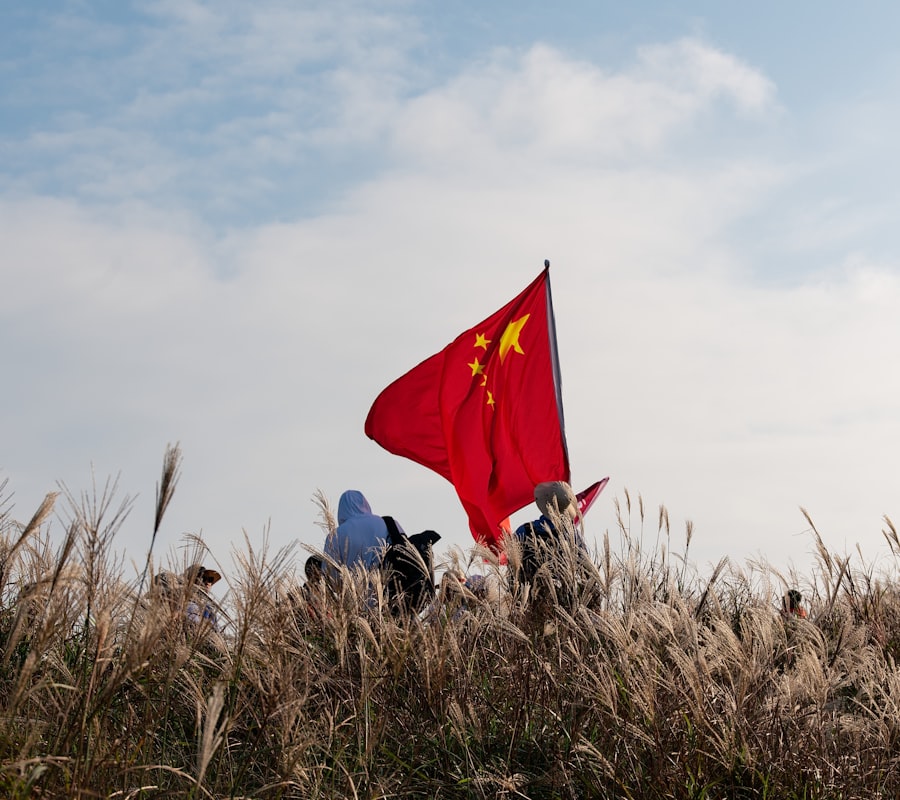
The PRC’s military plans are not monolithic; they likely encompass a range of potential scenarios, from limited coercion to full-scale invasion. The ultimate objective remains the same: to bring Taiwan under Beijing’s control.
Limited Coercive Actions
Before contemplating a full-scale invasion, Beijing may employ a series of coercive measures to pressure Taiwan and deter its allies.
Gray Zone Tactics
These tactics involve actions that fall below the threshold of armed conflict but are designed to intimidate and exhaust the target. Examples include frequent and increasingly aggressive incursions into Taiwan’s air defense identification zone (ADIZ), naval patrols near Taiwan’s waters, and extensive disinformation campaigns.
Economic Sanctions and Pressure
China is Taiwan’s largest trading partner, giving Beijing significant leverage. Economic sanctions, trade restrictions, and financial pressure can be used to undermine Taiwan’s economy and create internal dissent.
Information Warfare and Propaganda
A sophisticated propaganda campaign can be used to sow division within Taiwan, portray the PRC as a benevolent unifier, and undermine international support for Taiwan.
Air and Missile Strikes
A more aggressive approach could involve targeted air and missile strikes against key military installations and command centers.
Degradation of Defense Capabilities
These strikes would aim to degrade Taiwan’s ability to resist an invasion by destroying airfields, radar sites, missile batteries, and naval bases.
Psychological Impact
Such strikes would also aim to create widespread fear and demonstrate Beijing’s resolve, potentially forcing Taiwan to capitulate without a large-scale ground invasion.
Naval Blockade and Interdiction
As mentioned earlier, a naval blockade could be a standalone coercive measure or a precursor to a wider invasion.
Strangulation of Trade and Supplies
By controlling Taiwan’s maritime access, Beijing could effectively cut off its imports of essential goods, including energy and food, leading to economic collapse and social unrest.
Deterrence of External Intervention
A blockade would also aim to make it difficult for external powers, particularly the United States, to resupply or reinforce Taiwan.
Full-Scale Amphibious Invasion
This is the most ambitious and dangerous scenario, involving a direct assault on Taiwan by land, sea, and air.
Seizure of Key Territorial Objectives
The objective would be to swiftly seize key strategic locations, including major cities, airfields, and ports, to establish control over the island.
Countering Taiwan’s Defense Forces
The PLA would need to overcome Taiwan’s well-trained and equipped military, which is designed to inflict significant casualties on an invading force.
Overcoming International Intervention
A critical challenge for Beijing would be to deter or defeat any intervention by external powers, particularly the United States.
Taiwan’s Defense Strategy and Resilience

Taiwan is not a passive recipient of China’s military ambitions. The ROC government and military have been actively developing a robust defense strategy to deter aggression and, if necessary, inflict unacceptable costs on an invading force.
Asymmetric Warfare and “Porcupine Strategy”
Taiwan’s defense strategy emphasizes asymmetric warfare, focusing on capabilities that can inflict significant damage on a larger, more conventional adversary. This is often referred to as the “porcupine strategy,” aiming to make Taiwan too difficult and costly to conquer.
Mobile and Concealable Weapon Systems
Taiwan is investing in mobile missile launchers, artillery, and anti-ship missile systems that can be dispersed and hidden, making them difficult for the PLA to locate and destroy.
Emphasis on Anti-Ship and Anti-Armor Capabilities
The focus is on acquiring and developing weapons that can effectively target ships and armored vehicles, the backbone of an amphibious invasion.
Reserve Forces and Mobilization
Taiwan maintains a significant reserve force, trained to augment its active-duty military in times of conflict.
Rapid Mobilization and Deployment
The ability to rapidly mobilize and deploy these reserves to key defensive positions is crucial for reinforcing front-line units and holding ground.
Civilian Resilience and Preparedness
Beyond military readiness, Taiwan is also working to enhance civilian resilience, including emergency preparedness, civil defense, and continuity of government plans.
International Partnerships and Support
Taiwan actively seeks international partnerships and support to bolster its security and deter Chinese aggression.
Arms Sales and Training
The United States remains Taiwan’s primary arms supplier, providing advanced weaponry and training to its military. Other countries, particularly in Europe, also contribute through arms sales and military exchanges.
Diplomatic Support and Alliances
Taiwan relies on diplomatic support from democratic nations to counter Beijing’s isolation efforts and maintain its international space. Building a coalition of like-minded countries willing to stand with Taiwan is a key objective.
Recent discussions surrounding China’s military plans for Taiwan have raised concerns among global leaders about the potential for increased tensions in the region. Analysts suggest that understanding the strategic implications of these plans is crucial for international security. For a deeper insight into this topic, you can read a related article that explores the complexities of the situation and its potential impact on global geopolitics. Check out the full analysis in this article.
Implications for Regional and Global Security
| Metrics | Data |
|---|---|
| Number of military exercises near Taiwan | Increased in recent years |
| Number of missiles aimed at Taiwan | Estimated to be over 1,500 |
| Defense budget allocated for Taiwan contingency | Continuously increasing |
| Number of military personnel stationed near Taiwan | Significant presence |
The potential for conflict over Taiwan has profound implications for regional and global security, extending far beyond the immediate vicinity of the Taiwan Strait.
Economic Disruption and Supply Chain Vulnerabilities
Taiwan is a global leader in the production of advanced semiconductors, essential components for everything from smartphones and computers to advanced military equipment. A conflict in Taiwan would severely disrupt global supply chains, leading to widespread economic instability.
The Semiconductor Crisis
Taiwan Semiconductor Manufacturing Company (TSMC) is the world’s largest contract chip manufacturer, and any disruption to its operations would have catastrophic consequences for the global technology sector.
Impact on Global Trade
Taiwan’s strategic location means that its sea lanes are vital for global trade. A conflict would cripple shipping and international commerce, leading to price hikes and shortages worldwide.
Escalation Risks and Great Power Competition
A military conflict over Taiwan would almost certainly involve the United States and potentially other allies against China, raising the specter of a direct confrontation between nuclear-armed powers.
The Risk of Wider Conflict
A Taiwan contingency could escalate into a broader regional conflict, drawing in other nations and potentially leading to a wider war in the Indo-Pacific.
The Future of the International Order
The outcome of a Taiwan conflict would have a significant impact on the global balance of power and the future of the international order. A successful Chinese takeover of Taiwan would embolden revisionist powers and challenge the existing rules-based system.
The Role of International Diplomacy and Deterrence
Ultimately, preventing conflict over Taiwan hinges on a combination of robust deterrence and sustained diplomatic engagement.
Strengthening Deterrence
This involves demonstrating a credible commitment to Taiwan’s defense and ensuring that the PLA perceives the costs of aggression to be unacceptably high.
Open Channels of Communication
Maintaining open channels of communication between Beijing, Taipei, and Washington is essential to de-escalate tensions and manage crises.
International Cooperation and Norms
Reinforcing international norms that uphold sovereignty and the peaceful resolution of disputes is crucial in deterring unilateral military action.
In conclusion, China’s military plans for Taiwan are a complex and evolving issue, driven by historical narratives, strategic ambitions, and a relentless pursuit of military modernization. While the ultimate goal of “reunification” remains constant, the potential paths to achieving it are varied, ranging from coercive tactics to full-scale invasion. Taiwan, in turn, is not standing idly by, developing its own robust defense capabilities and seeking international partnerships to deter aggression. The stakes are immense, with potential consequences that extend far beyond the immediate region, impacting global economics, security, and the very fabric of international relations. Understanding these dynamics is not just an academic exercise; it is essential for navigating the increasingly precarious geopolitical landscape of the 21st century.
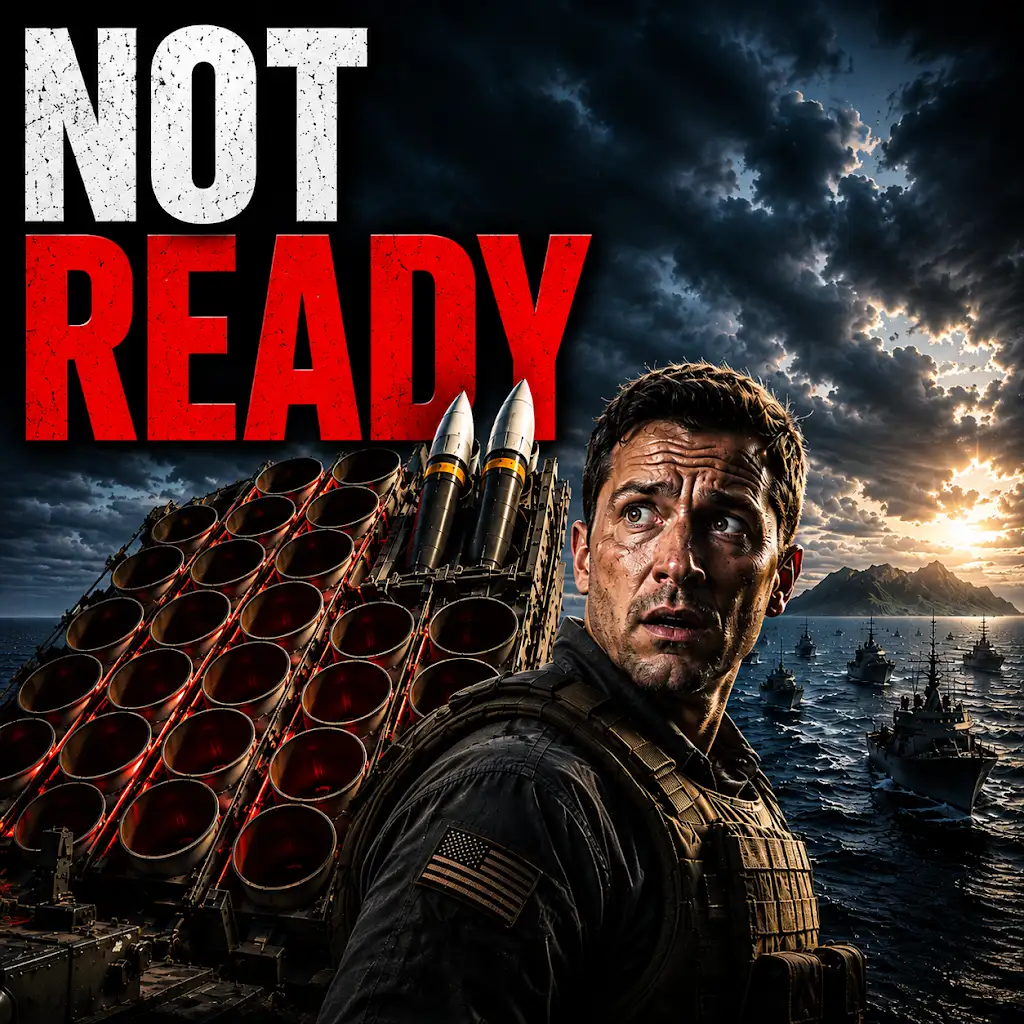
What Happens If China Moves Before America Rearms?
FAQs
What are China’s military plans for Taiwan?
China has long maintained that Taiwan is a part of its territory and has not ruled out the use of force to bring the island under its control. The Chinese government has been increasing its military presence and conducting military exercises near Taiwan in recent years, raising concerns about its intentions.
What is the current military situation between China and Taiwan?
China has significantly increased its military activities near Taiwan, including sending military aircraft and ships into Taiwan’s air defense identification zone. Taiwan has responded by increasing its own military readiness and seeking support from the international community, particularly the United States.
What is the United States’ stance on China’s military plans for Taiwan?
The United States has a longstanding policy of providing defense support to Taiwan, including arms sales and military training. The U.S. has also expressed concern about China’s military activities near Taiwan and has stated that any resolution of the Taiwan issue should be peaceful and agreed upon by both sides.
How has the international community responded to China’s military plans for Taiwan?
Many countries have expressed concern about China’s military activities near Taiwan and have called for peaceful resolution of the Taiwan issue. Some countries, including the United States, have increased their support for Taiwan’s defense capabilities in response to China’s actions.
What are the potential implications of China’s military plans for Taiwan?
The potential use of force by China to bring Taiwan under its control could have significant implications for regional stability and international relations. It could also lead to a major conflict involving the United States, which has a commitment to support Taiwan’s defense.