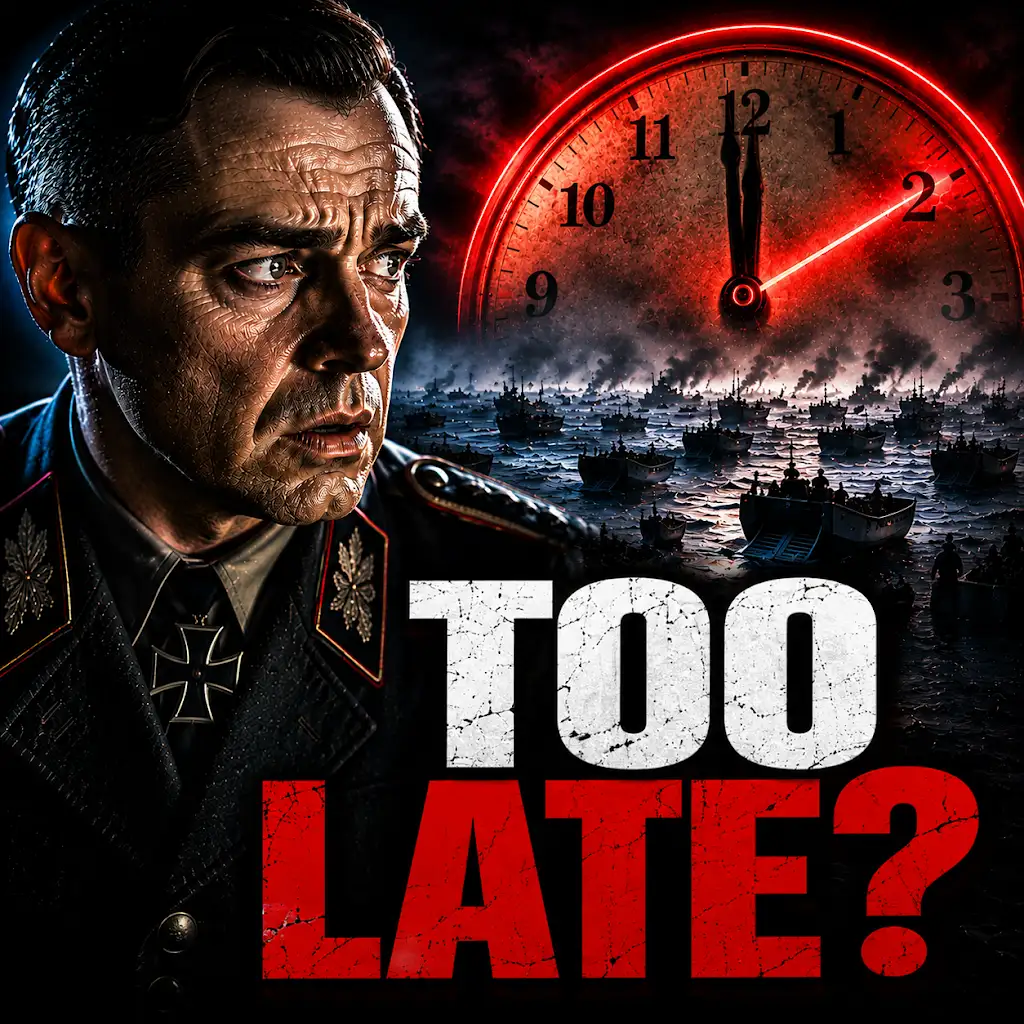
The Normandy landings, codenamed Operation Overlord, marked a pivotal moment in World War II, representing the largest seaborne invasion in history. On June 6, 1944, Allied forces, primarily from the United States, the United Kingdom, and Canada, launched a meticulously planned assault on the beaches of Normandy, France. This monumental undertaking was the culmination of years of strategic planning, intense preparation, and immense human sacrifice. The D-Day invasion was not merely a single event but a complex operation involving land, sea, and air forces, designed to break the formidable German defenses along the Atlantic Wall and open a crucial second front in Western Europe.
The success of D-Day was far from guaranteed. It required overcoming immense logistical challenges, battling adverse weather conditions, and facing a well-entrenched and determined enemy. Yet, the unwavering resolve of the Allied soldiers, sailors, and airmen, coupled with brilliant strategic and tactical execution, ultimately tipped the scales in favor of freedom. The invasion signified the beginning of the end for Nazi Germany, directly contributing to the liberation of Europe and the eventual Allied victory in World War II.
The seeds of Operation Overlord were sown long before June 1944. Following the fall of France in 1940, the idea of a cross-Channel invasion to liberate Europe from Nazi occupation became a strategic imperative for the Allied powers. However, the immense difficulties and risks involved necessitated careful consideration and extensive planning.
The Strategic Imperative: Opening a Second Front
The primary driver behind the concept of a second front was to relieve pressure on the Soviet Union, which was engaged in a brutal and costly struggle against Germany on the Eastern Front. Soviet leader Joseph Stalin had repeatedly urged his Western Allies to launch an invasion of Western Europe to draw German forces away from the East. While the initial attempts at an amphibious assault, such as the disastrous raid on Dieppe in 1942, highlighted the complexities and dangers, the strategic necessity remained.
- Relieving Pressure on the Eastern Front: The Eastern Front was a meat grinder for both sides. A Western front would force Hitler to divert vital resources and manpower away from the Soviet Union, potentially saving millions of lives.
- Preventing Soviet Domination of Europe: There was also a growing concern among Western Allies about the extent of Soviet influence in post-war Europe if they were solely responsible for defeating Germany in the East.
Early Planning and Preparations: The Road to Normandy
The Allied leaders understood that a successful invasion would require unprecedented levels of coordination, resources, and deception. Initial discussions and planning began as early as 1941, with the formation of various committees and headquarters to oversee different aspects of the operation.
- The Combined Chiefs of Staff: This body, comprising military leaders from both the United States and the United Kingdom, played a crucial role in defining the broad strategic objectives and allocating resources.
- The European Advisory Commission (EAC): The EAC was established to coordinate Allied policy in liberated Europe, including the planning for future military operations.
- The Supreme Headquarters Allied Expeditionary Force (SHAEF): As the invasion drew nearer, SHAEF was established as the overarching command structure for the Allied forces in Europe, with General Dwight D. Eisenhower appointed as the Supreme Allied Commander.
The Choice of Landing Sites: Normandy’s Strategic Advantages
The selection of Normandy as the landing zone was the result of extensive reconnaissance, analysis, and strategic considerations. While other locations were considered, Normandy offered several key advantages.
- Proximity to England: The relatively short distance across the English Channel made it feasible to transport troops and supplies across the water.
- Varied Terrain: The beaches of Normandy provided a range of landing options, from open sandy stretches to more sheltered coves, allowing for different troop deployments and objectives.
- Availability of Ports: While not ideal, the presence of smaller ports and towns behind the beaches offered potential objectives for securing vital logistical hubs.
- Deception Potential: The long coastline of Normandy offered opportunities to deceive the Germans about the exact landing locations.
The German Defenses: The Atlantic Wall
The Germans, under Adolf Hitler’s command, were acutely aware of the threat of an Allied invasion. In response, they constructed a vast and formidable defensive network along the western European coastline, known as the Atlantic Wall. This imposing barrier was designed to repel any seaborne assault.
Construction and Fortifications: A Multi-Layered Defense
The Atlantic Wall was not a single continuous structure but rather a series of interconnected fortifications, bunkers, minefields, and obstacles. Its construction involved vast amounts of labor and resources, stretching from the border of Spain to Norway.
- Concrete Bunkers and Gun Emplacements: These reinforced structures housed artillery, machine guns, and anti-tank weapons, providing heavily protected firing positions.
- Anti-Tank Ditches and Obstacles: Ditches were dug and filled with water or concrete to impede the advance of enemy armor. Obstacles such as “hedgehogs” (interlocking steel beams), “Belgian gates” (cross-shaped steel structures), and wooden stakes were placed on beaches to deter landing craft.
- Minefields: Extensive minefields were laid on beaches, in surrounding fields, and along coastlines to inflict casualties and disrupt enemy movements.
- Coastal Artillery Batteries: Large caliber guns were strategically positioned to cover potential landing areas and shipping lanes.
German Dispositions and Intelligence: Gaps and Miscalculations
Despite the imposing nature of the Atlantic Wall, German defenses were not as cohesive or well-manned as they could have been. Several factors contributed to this.
- Overextension of Forces: Germany was fighting a multi-front war, stretching its resources thin. Many of the best German units were engaged on the Eastern Front or in Italy.
- Underestimation of Allied Capabilities: While aware of the threat, German high command sometimes underestimated the sheer scale and sophistication of the Allied invasion plans.
- Intelligence Failures: Allied deception operations played a significant role in misleading German intelligence about the true landing locations and timing.
- Disagreements within German Command: There were internal disagreements between different German commanders regarding defensive strategies and troop deployments, leading to a lack of unified command.
Rommel’s Efforts to Strengthen the Wall: A Race Against Time
Field Marshal Erwin Rommel was appointed commander of Army Group B in late 1943, with the specific task of strengthening the Atlantic Wall. Rommel, a brilliant tactician, recognized the deficiencies and initiated a vigorous program of reinforcement and improvement.
- Accelerated Construction: Rommel pushed for the rapid construction of new defenses, emphasizing the need for a robust front-line defense rather than relying on reserves.
- Increased Obstacles: He ordered the placement of vast numbers of obstacles and mines on the beaches, believing that the attacker “must be prevented from getting a foothold on the coast.”
- Emphasis on Air and Naval Interdiction: Rommel also understood the importance of neutralizing Allied air and naval superiority and pushed for greater deployment of coastal artillery and air defense systems.
The Allied Plan: Deception, Air Superiority, and Amphibious Assault
Operation Overlord was a masterpiece of planning and execution, encompassing a complex interplay of deception, aerial bombardment, naval support, and a multi-pronged amphibious assault.
Deception: Operation Fortitude and the Ghost Army
A crucial element of the Allied strategy was to deceive the Germans about the true landing sites and timing of the invasion. Operation Fortitude was the overarching deception plan, designed to mislead the enemy into believing that the main invasion would occur elsewhere.
- Operation Fortitude North: This involved creating the illusion of an imminent invasion of Norway. This was achieved through dummy radio traffic, fake troop movements, and the placement of inflatable tanks and aircraft in southeastern England.
- Operation Fortitude South: This was the more critical deception, aiming to convince the Germans that the main invasion would take place at the Pas-de-Calais, the narrowest point of the English Channel. This involved creating the fictional First U.S. Army Group (FUSAG) under the command of General George S. Patton. FUSAG was equipped with inflatable tanks, canvas aircraft, and simulated troop camps, all designed to draw German attention away from Normandy.
- The Ghost Army: A specialized unit of the U.S. Army, the 23rd Headquarters Special Troops, was responsible for using inflatable vehicles, sound trucks, and radio broadcasts to create the illusion of large troop concentrations.
Air Superiority: Paving the Way for Invasion
Achieving air superiority over the invasion beaches was a prerequisite for the success of Operation Overlord. The Allied air forces launched a sustained campaign to neutralize the Luftwaffe and degrade German defenses.
- Strategic Bombing Campaign: Allied bombers had been systematically targeting German industrial centers, transportation networks, and airfields for months, weakening their war-making capacity and air force.
- Tactical Air Support: On D-Day itself, Allied fighter-bombers provided crucial support to the invading ground troops, strafing German positions and interdicting enemy reinforcements.
- Disruption of German Communications: Air attacks also targeted German communication lines, hindering their ability to coordinate a response to the invasion.
The Amphibious Assault: Five Beaches, Three Nations
The amphibious assault itself was a massive undertaking, involving thousands of landing craft carrying hundreds of thousands of soldiers across the English Channel. The invasion force was divided into five assault beaches, each assigned to a specific Allied nation.
- Utah Beach (American): The westernmost beach, chosen due to its less heavily defended terrain and the ability to outflank German defenses.
- Omaha Beach (American): The most heavily defended beach, which would become the scene of the most intense fighting and highest casualties.
- Gold Beach (British): A strategic beach that aimed to link up with the Canadian forces at Juno Beach.
- Juno Beach (Canadian): A challenging landing site that saw fierce resistance from German defenders.
- Sword Beach (British): The easternmost beach, with objectives including the capture of the town of Caen.
D-Day: The Assault Begins
The dawn of June 6, 1944, saw the culmination of years of planning and preparation unfold on the beaches of Normandy. The invasion was a multi-phase operation, beginning with airborne drops and culminating in the landings of ground troops.
Airborne Operations: Securing Key Objectives
Before the seaborne landings, Allied airborne divisions were dropped behind enemy lines to secure vital bridges, road junctions, and key objectives. These operations aimed to disrupt German defenses and prevent them from reinforcing the beaches.
- The 82nd and 101st Airborne Divisions (U.S.): These divisions were tasked with securing crucial bridges over the Merderet and Douve rivers, as well as capturing the town of Sainte-Mère-Église. Their drops were scattered due to heavy anti-aircraft fire and adverse weather, leading to some units fighting independently for extended periods.
- The 6th Airborne Division (British): This division was responsible for securing Pegasus Bridge and Horsa Bridge over the Caen Canal and Orne River, respectively, vital for preventing German counterattacks on the eastern flank of the invasion.
The Naval Bombardment: Softening the Defenses
As the landing craft approached the shore, a massive naval bombardment commenced, targeting German fortifications and known defensive positions. The Allied navies unleashed a thunderous barrage of shells, aiming to weaken the German defenses before the ground troops hit the beaches.
- Support for Each Beach: Each assault beach was supported by a dedicated naval bombardment group, providing covering fire for the attacking infantry.
- Targeting Coastal Artillery: A primary objective was to neutralize the powerful German coastal artillery batteries that could inflict heavy damage on the landing forces.
The Landing Craft Approach: Into the Firestorm
Under the cover of darkness and the naval bombardment, thousands of landing craft, carrying assault troops, began their perilous journey towards the beaches. The scene was one of immense tension and anticipation, as soldiers prepared to face the unknown.
- The “D-Day Dodgers”: The term was humorously used by the soldiers to refer to themselves, acknowledging the inherent risks of the operation.
- Facing the Elements and Enemy Fire: Soldiers battled rough seas, disorienting salt spray, and the ever-present threat of enemy fire as they approached the shore.
The Fierce Fighting on the Beaches
The landing on D-Day was far from a seamless victory. The German defenses, particularly on some beaches, proved to be formidable, leading to intense and bloody fighting.
Omaha Beach: The Bloodiest Day
Omaha Beach would become infamous for the extreme difficulty of the landings and the heavy casualties sustained by the American forces. The initial assault force faced uncut barbed wire, extensive minefields, and well-emplaced German machine guns and artillery.
- Misinformation and Obstacles: Many of the obstacles designed to funnel landing craft into kill zones were still in place due to failed pre-invasion bombing.
- Lack of Effective Suppression: The naval bombardment had not been as effective on Omaha as on other beaches, leaving German strongpoints largely intact.
- Heroism and Sacrifice: Despite the overwhelming odds, American soldiers displayed incredible bravery and determination, slowly grinding their way off the beach through sheer grit and courage.
Utah Beach: A More Successful Landing
In contrast to Omaha, the landings on Utah Beach were generally more successful. The American forces landed slightly off course, but this turned out to be an advantage, as the beach was less heavily defended.
- Outflanking German Defenses: The landing on a less expected section of the beach allowed American troops to bypass some of the most heavily fortified positions.
- Swift Advance Inland: American forces were able to quickly push inland, securing crucial causeways and objectives.
Gold, Juno, and Sword Beaches: Grinding Progress
The British and Canadian forces on Gold, Juno, and Sword Beaches also faced significant challenges, but through determined assaults, they managed to achieve their objectives, albeit with heavy fighting.
- Juno Beach: Canadian troops faced particularly fierce resistance and suffered high casualties, but they persevered and eventually secured key objectives.
- Gold and Sword Beaches: British forces on these beaches also encountered strong German defenses, including machine gun nests and artillery. However, they managed to make steady progress inland, linking up with other Allied forces.
The Importance of Air and Naval Support
Throughout the landings, the close support provided by Allied aircraft and naval vessels was critical in suppressing German defenses and enabling the ground troops to advance.
- Air Strikes on Strongpoints: Fighter-bombers provided vital attacks on known German positions, reducing their effectiveness.
- Naval Gunfire: Naval guns continued to provide support fire, helping to break down German defenses and protect advancing troops.
The Aftermath and Significance of D-Day
The success of D-Day was not the end of the war, but it was a decisive turning point. The invasion opened a vital second front in Western Europe, allowing the Allies to begin the liberation of France and the eventual defeat of Nazi Germany.
Establishing a Beachhead and the Battle for Normandy
Following the initial landings, the Allied forces focused on consolidating their positions and expanding their beachhead. This led to the protracted and brutal Battle for Normandy, a series of intense engagements as the Allies fought to break out of the coastal region.
- Securing the Ports: A major objective was to capture the key French ports of Cherbourg and Le Havre to facilitate the flow of supplies and reinforcements.
- The Falaise Pocket: The eventual encirclement and destruction of a large German army group in the Falaise Pocket was a major victory that significantly weakened German resistance in Normandy.
The Liberation of France and the Road to Berlin
With the beachhead secured and German defenses in Normandy broken, the Allied armies swept across France, liberating Paris and pushing towards the German border. The rapid advance was aided by the effective use of combined arms and the weakening of German defenses.
- The Western Front Reopened: D-Day effectively reopened the Western Front, forcing Germany to fight a two-front war on a scale not seen since the early years of the conflict.
- The Beginning of the End: The invasion set in motion the events that would lead to the eventual collapse of Nazi Germany and the end of World War II in Europe.
The Human Cost and Enduring Legacy
D-Day came at a tremendous human cost. Thousands of Allied soldiers lost their lives, and many more were wounded. The sacrifices made on the beaches of Normandy are remembered and honored to this day.
- Memorials and Commemorations: The beaches of Normandy are now dotted with memorials and cemeteries, serving as poignant reminders of the sacrifices made.
- A Symbol of Allied Resolve: D-Day stands as a testament to the courage, determination, and international cooperation of the Allied forces in the face of tyranny. It remains a powerful symbol of the fight for freedom and democracy. The planning, execution, and ultimate success of Operation Overlord represent one of the most remarkable military achievements in history, a pivotal moment that irrevocably shifted the course of World War II and shaped the modern world.