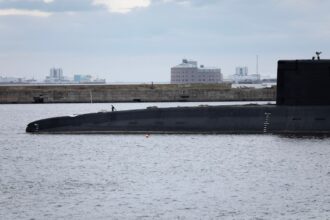
The hallowed halls of the German Naval Academy, bearing the historic name Scharnhorst, have long been synonymous with the rigorous development of naval officers. More than just a training ground, the Scharnhorst Officer Education program represents a sophisticated ecosystem designed to cultivate individuals not only proficient in maritime warfare but also possessing the strategic acumen, ethical grounding, and leadership qualities essential for navigating the complex geopolitical landscape of the 21st century. This article delves into the multifaceted approach employed by Scharnhorst, exploring its core philosophies, curriculum structure, pedagogical methods, and the overarching vision that shapes its future leaders.
At its core, Scharnhorst Officer Education is built upon a set of deeply ingrained principles that guide every aspect of the cadet experience. These pillars are not static pronouncements but living ideals that are continually reinforced through instruction, practice, and the institutional culture.
Honour and Integrity: The Unwavering Compass
The bedrock of any military profession, and particularly for naval officers entrusted with significant responsibility, is an unshakeable sense of honor and integrity. Scharnhorst instills this not merely as a set of rules to follow, but as an intrinsic moral compass.
Upholding Ethical Standards in a Complex World
The curriculum actively engages cadets in discussions and case studies that explore ethical dilemmas common in military operations and international relations. This includes scenarios ranging from rules of engagement in conflict zones to the responsible use of advanced technologies. The emphasis is on critical thinking and developing a nuanced understanding of the consequences of ethical compromises.
Building Trust Through Accountability
A key element of integrity is accountability. Cadets are taught the importance of taking ownership of their actions, both successes and failures. This fosters a culture where mistakes are viewed as learning opportunities, and where transparency and honesty are paramount in all interactions, from peer-to-peer relationships to interactions with instructors and superiors.
Duty and Service: The Call to Collective Purpose
The concept of duty and service is inextricably linked to the naval profession. Scharnhorst emphasizes that leadership is not about personal ambition but about dedicating oneself to the well-being of the nation, the protection of its interests, and the upholding of international maritime law.
Understanding the Strategic Role of Naval Power
Cadets are provided with a comprehensive understanding of Germany’s strategic objectives and the crucial role the navy plays in achieving them. This includes exploring historical precedents, current geopolitical trends, and the evolving nature of maritime security.
The Commitment to the Crew and the Nation
Beyond abstract concepts of national service, Scharnhorst stresses the profound responsibility officers have towards their crews. This involves understanding the importance of welfare, morale, and the safety of every sailor. This fosters a deep-seated commitment to those under their command, recognizing that effective leadership is built on mutual respect and care.
Excellence and Continuous Improvement: The Pursuit of Mastery
The maritime environment is constantly evolving, demanding a commitment to excellence and a proactive approach to learning. Scharnhorst fosters a mindset of continuous improvement, encouraging cadets to strive for mastery in all areas of their professional development.
Embracing Lifelong Learning in a Dynamic Field
The pace of technological advancement and the ever-changing geopolitical landscape necessitate a commitment to lifelong learning. Scharnhorst educates cadets on the importance of staying abreast of new technologies, doctrines, and strategic thinking. This includes developing the skills to critically evaluate new information and adapt to emerging challenges.
The Drive for Professional Competence
From navigational skills to tactical planning and technological proficiency, Scharnhorst demands a high level of competence. This is achieved through a rigorous and comprehensive curriculum that balances theoretical knowledge with practical application, ensuring graduates are well-prepared for the demands of active service.
The Scharnhorst officer education program has been a pivotal aspect of naval training, emphasizing the importance of strategic thinking and leadership in maritime operations. For a deeper understanding of the methodologies and historical context surrounding this program, you can explore a related article that discusses various aspects of military education and its evolution over time. To read more, visit this article.
The Curricular Framework: A Holistic Approach
The Scharnhorst Officer Education program is meticulously designed to provide a holistic educational experience, encompassing a broad spectrum of knowledge and skills. The curriculum is structured to build upon foundational concepts, progressively introducing more complex and specialized areas.
The Academic Foundation: Building Theoretical Depth
The initial phases of the program are heavily focused on establishing a robust academic foundation. This equips cadets with the theoretical knowledge necessary to understand the principles of naval operations, international law, and leadership.
Maritime History and Strategy: Lessons from the Past
Understanding the historical context of naval warfare and strategy is crucial for informed decision-making. Cadets delve into significant naval campaigns, the evolution of naval technology, and the strategic thinkers who have shaped maritime doctrine. This provides a valuable framework for analyzing current and future challenges.
International Law and Maritime Governance: Navigating Global Waters
The maritime domain is governed by a complex web of international laws and agreements. Scharnhorst provides a thorough grounding in these principles, including the law of the sea, rules of armed conflict, and international humanitarian law. This ensures officers understand their legal obligations and the framework within which naval operations are conducted.
Leadership and Management Principles: Cultivating Effective Command
Beyond technical expertise, effective leadership is paramount. The curriculum includes in-depth study of leadership theories, organizational behavior, and management techniques. This equips cadets with the skills to motivate, inspire, and manage diverse teams, fostering an environment of cohesion and high performance.
Engineering and Technology: Understanding the Tools of the Trade
Modern naval warfare is heavily reliant on advanced technology. Cadets gain a comprehensive understanding of naval engineering principles, weapon systems, sensor technology, and communication networks. This technical proficiency is essential for operating and maintaining complex naval assets.
Practical Application: Bridging Theory and Practice
Theory without practice is insufficient for developing competent naval officers. Scharnhorst places a strong emphasis on bridging the gap between academic knowledge and real-world application through a variety of practical training initiatives.
Simulators and Training Exercises: Realistic Scenarios
The use of advanced simulators for navigation, tactical maneuvering, and combat operations is a cornerstone of practical training. These realistic environments allow cadets to experience a wide range of scenarios, from routine operations to high-stakes emergencies, without the risks associated with live exercises.
Sea Time and Practical Deployments: Hands-On Experience
A significant portion of the Scharnhorst program involves practical experience at sea. Cadets are integrated into active naval units, participating in exercises, patrols, and potentially operational deployments. This provides invaluable hands-on experience in shipboard operations, team dynamics, and the realities of naval life.
Leadership Development Through Team Projects and Challenges
Beyond formal instruction, cadets engage in numerous team projects and challenges that foster collaborative problem-solving and leadership development. These activities often require cadets to take initiative, delegate tasks, and manage resources, mirroring the demands of command.
Specialization and Advanced Training: Preparing for Diverse Roles
As cadets progress through the program, opportunities for specialization emerge, allowing them to focus on specific areas of naval expertise. This ensures that Scharnhorst graduates are equipped for a diverse range of roles within the fleet.
Command and Staff Roles: Shaping Strategic Direction
Some graduates are identified and groomed for command positions, requiring advanced leadership and strategic planning skills. Others may pursue roles in naval staff, contributing to policy development, operational planning, and resource allocation at higher echelons.
Technical and Engineering Specializations: The Backbone of the Fleet
A significant number of graduates will serve in technical and engineering capacities, ensuring the operational readiness and effectiveness of naval vessels. These specializations require deep expertise in specific areas of naval technology and maintenance.
Intelligence and Information Warfare: Navigating the Modern Battlefield
The increasing importance of information and intelligence in modern warfare is reflected in the development of specialized tracks. Cadets may focus on intelligence gathering, analysis, and the application of information warfare strategies.
Pedagogical Approaches: Cultivating Critical Thinkers and Leaders
Scharnhorst employs a diverse range of pedagogical approaches designed to foster critical thinking, problem-solving abilities, and effective leadership qualities. The emphasis is on active learning and the development of independent thought.
Case Study Method: Learning from Real-World Scenarios
The case study method is extensively utilized, presenting cadets with authentic military scenarios, historical events, and ethical dilemmas. This encourages them to analyze complex situations, identify key issues, and develop well-reasoned solutions.
Debates and Discussions: Sharpening Analytical Skills
Engaging in structured debates and discussions on critical topics is a regular feature of the curriculum. This hones cadets’ analytical skills, their ability to articulate arguments, and their capacity to critically evaluate different perspectives.
Mentorship and Role Modeling: Guidance from Experienced Officers
The presence of experienced officers as instructors and mentors is a crucial aspect of Scharnhorst education. These individuals provide not only academic guidance but also invaluable insights into the realities of naval service and the qualities of effective leadership.
The Importance of Personal Example
Instructors at Scharnhorst are expected to serve as role models, demonstrating the values of integrity, dedication, and professionalism in their own conduct. This personal example has a profound impact on the development of cadets’ character.
Individualized Feedback and Guidance
Mentors provide cadets with personalized feedback on their academic performance, leadership potential, and personal development. This individualized attention helps cadets identify areas for improvement and chart their own growth trajectories.
Interdisciplinary Learning: Fostering a Broad Perspective
Recognizing that modern challenges are rarely confined to a single discipline, Scharnhorst promotes interdisciplinary learning. This encourages cadets to draw upon knowledge from various fields to address complex issues.
Bridging Military Science and Other Disciplines
The curriculum often incorporates elements from fields such as international relations, economics, political science, and psychology to provide a more comprehensive understanding of the operational environment and the factors influencing decision-making.
Understanding the Societal Context of Naval Operations
Cadets are encouraged to understand the broader societal context in which naval operations occur, including public perception, political considerations, and the impact of military actions on civilian populations.
Developing Future Leaders: Beyond Technical Proficiency

The ultimate goal of Scharnhorst Officer Education extends far beyond equipping graduates with technical skills. The program is fundamentally about cultivating leaders who can inspire, innovate, and guide the German Navy through the challenges and opportunities of the future.
Adaptability and Resilience: Navigating Uncertainty
The maritime environment is inherently dynamic, characterized by unpredictable weather, evolving threats, and geopolitical shifts. Scharnhorst instills in cadets the importance of adaptability and resilience, equipping them to thrive in conditions of uncertainty.
Crisis Management and Decision-Making Under Pressure
Through simulations and case studies, cadets learn to manage crises effectively, making sound decisions under immense pressure. This involves developing the ability to assess situations quickly, weigh options, and execute plans decisively.
Emotional Intelligence and Self-Awareness
Effective leaders understand themselves and their impact on others. Scharnhorst emphasizes the development of emotional intelligence, encouraging cadets to develop self-awareness, empathy, and the ability to manage their own emotions and those of their teams.
Strategic Foresight: Anticipating Future Needs
The modern world demands leaders who can not only react to current challenges but also anticipate future needs and trends. Scharnhorst fosters strategic foresight, encouraging cadets to think critically about the future of naval warfare and to develop innovative solutions.
Embracing Technological Innovation
Cadets are exposed to emerging technologies and encouraged to think about their potential applications in naval operations. This fosters a proactive approach to technological adoption and innovation within the fleet.
Understanding Geopolitical Shifts and Their Naval Implications
The program provides a deep understanding of global geopolitical trends, allowing cadets to anticipate how these shifts might impact naval strategy and operations. This equips them to make informed decisions in a constantly changing international landscape.
Ethical Leadership for a Responsible Navy
Scharnhorst firmly believes that ethical leadership is not an optional extra but a fundamental requirement for a responsible and effective navy. The program instills a strong ethical framework that guides decision-making and fosters a culture of accountability.
The Moral Imperative of Naval Power
Cadets are instilled with a deep understanding of the moral imperative of naval power, recognizing its role in maintaining peace, deterring aggression, and protecting global commons. This fosters a sense of responsibility and a commitment to using naval capabilities wisely.
Upholding International Norms and Values
The program emphasizes the importance of upholding international norms and values in all naval operations, reinforcing Germany’s commitment to a rules-based international order. This ensures that German naval officers are not only skilled professionals but also conscientious global citizens.
The education and training of officers in the Scharnhorst program have been a topic of considerable interest, particularly in how it shapes leadership and strategic thinking in military contexts. For those looking to delve deeper into this subject, a related article can be found that discusses the evolution of officer education and its impact on modern warfare. You can explore this insightful piece by following this link, which provides a comprehensive overview of the challenges and innovations in military training.
The Scharnhorst Legacy and the Future of Naval Leadership
| Rank | Education Level | Number of Officers |
|---|---|---|
| Admiral | Advanced Degree | 2 |
| Captain | Bachelor’s Degree | 5 |
| Lieutenant | Associate’s Degree | 10 |
The Scharnhorst Officer Education program is not merely about preparing individuals for their first command; it is about shaping the future leadership of the German Navy. The legacy of Scharnhorst is one of continuous adaptation, unwavering dedication, and a commitment to developing officers who are not only masters of their craft but also ethical stewards of naval power.
Continuous Evolution of the Curriculum
The Scharnhorst program is not a static entity. It undergoes continuous evaluation and evolution to ensure it remains relevant to the changing demands of the maritime domain and the broader geopolitical landscape. This includes incorporating new technologies, adapting to evolving threats, and refining pedagogical approaches.
Incorporating Lessons Learned from Global Operations
Insights gained from international operations and exercises are systematically integrated into the curriculum. This ensures that cadets benefit from the practical experiences and lessons learned by the German Navy and its allies.
Future-Oriented Training Modules
New training modules are developed to address emerging challenges, such as cyber warfare, hybrid threats, and the strategic implications of climate change on maritime environments. This proactive approach ensures that Scharnhorst graduates are prepared for the unique challenges of tomorrow.
The Enduring Importance of Human Capital
In an era of increasingly sophisticated technology, Scharnhorst recognizes that the most critical asset of any navy remains its human capital. The program’s focus on developing well-rounded individuals with strong ethical foundations, critical thinking skills, and exceptional leadership qualities underscores this fundamental truth.
The Art of Command Beyond Technology
While technological proficiency is essential, Scharnhorst emphasizes that true leadership lies in the ability to inspire, motivate, and guide people. The program cultivates the human-centric skills that are indispensable for effective command and the success of naval operations.
A Commitment to Developing Citizen-Mariners
Scharnhorst aims to develop not just naval officers but also responsible and informed citizen-mariners. Graduates are equipped to understand the broader societal implications of their work and to contribute to a more secure and stable world. The Scharnhorst Officer Education program stands as a testament to the enduring importance of human development in shaping the future of naval leadership, ensuring that the German Navy remains a capable, ethical, and forward-looking force.

The Military Machine That Didn’t Need a Napoleon
FAQs
What was the officer education like for Scharnhorst officers?
The officer education for Scharnhorst officers was rigorous and comprehensive. It included training in naval tactics, navigation, engineering, gunnery, and leadership skills.
Where did Scharnhorst officers receive their education?
Scharnhorst officers received their education at the Kriegsmarine Naval Academy in Flensburg, Germany. This academy provided specialized training for future naval officers.
What were the requirements to become a Scharnhorst officer?
To become a Scharnhorst officer, candidates had to meet certain educational and physical requirements. They needed to have a high school diploma or equivalent, pass a physical fitness test, and demonstrate leadership potential.
How long did the officer education for Scharnhorst officers last?
The officer education for Scharnhorst officers typically lasted for several years. This included classroom instruction, practical training at sea, and on-the-job experience.
What impact did the officer education have on the performance of Scharnhorst officers in combat?
The rigorous officer education for Scharnhorst officers contributed to their high level of competence and effectiveness in combat. Their training prepared them to make strategic decisions, operate complex naval equipment, and lead their crews with skill and confidence.