The year 1870 stands as a pivotal juncture in the narrative of Europe. While the summer months might conjure images of leisure and sunshine, for Prussia and its nascent German ambitions, it was a season of fervent preparation and strategic execution. The Prussian Mobilization of 1870, a complex and meticulously orchestrated undertaking, was not merely a military maneuver but a decisive act that reshaped the continent’s political landscape, ushering in a new era of German dominance and profoundly altering the balance of power. This mobilization, fueled by a potent mix of nationalism, strategic foresight, and burgeoning industrial might, proved to be the decisive stroke that led to the Franco-Prussian War and, by extension, the unification of Germany.
Europe in the mid-19th century was a continent simmering with nationalistic aspirations and simmering rivalries. The aftermath of the Napoleonic Wars had left a fragmented Germany, a patchwork of states dominated by Austria and Prussia, each vying for influence. France, under Napoleon III, remained a continental power, wary of any consolidation of German power that might challenge its hegemonic position. The unification of Italy, completed in 1861, had demonstrated the potent force of nationalism and provided a blueprint and an inspiration for German nationalists.
The German Confederation: A Stunted Unity
The German Confederation, established in 1815, was a loose association of 39 states, including the Kingdom of Prussia and the Austrian Empire. While it fostered some degree of cooperation, it was ultimately an ineffective structure, characterized by internal divisions and a lack of central authority. Prussia, under the astute leadership of Otto von Bismarck, saw this fragmentation as an obstacle to its own ascendancy and a key impediment to a unified Germany under Prussian leadership.
The Austro-Prussian War of 1866: A Prelude to Unification
The Austro-Prussian War, though seemingly a regional conflict, was a crucial stepping stone in Prussia’s path to dominance. Prussia’s decisive victory over Austria in 1866 effectively ended Austrian influence in German affairs. This victory allowed Bismarck to dissolve the German Confederation and establish the North German Confederation, a federal state dominated by Prussia. This consolidation of power in the north created a stronger, more unified entity that inevitably drew the attention and concern of France.
French Apprehensions and the Hohenzollern Candidacy
France, particularly under Napoleon III, viewed the growing power of Prussia with increasing alarm. The unification of Northern Germany, coupled with the unspoken ambitions for a unified Germany, was seen as a direct threat to French security and its established diplomatic standing. The spark that ignited the conflict, however, was the succession crisis on the Spanish throne in 1870.
The Spanish Succession Crisis: A Diplomatic Coup
When the Spanish throne became vacant, a Hohenzollern prince, Leopold, a relative of the Prussian King Wilhelm I, was offered the crown. This was an unacceptable prospect for France, as it would mean a Prussian-aligned monarch on their southern border, effectively encircling France. The French government vehemently protested, and Bismarck, seeing an opportunity to provoke France into war and rally the southern German states to Prussia’s cause, skillfully manipulated the situation.
Bismarck’s Masterful Diplomacy: The Ems Dispatch
Bismarck’s genius lay in his ability to turn diplomatic setbacks into strategic advantages. The Ems Dispatch, a telegram detailing a meeting between King Wilhelm I and the French ambassador, was famously edited by Bismarck to appear more insulting to France. This calculated provocation served its intended purpose: it inflamed public opinion in both countries and pushed them closer to the brink of war.
The Prussian mobilization of 1870 played a crucial role in the lead-up to the Franco-Prussian War, showcasing the effectiveness of Prussian military organization and strategy. For a deeper understanding of this pivotal moment in European history, you can read a related article that explores the intricacies of military mobilization and its implications on the war’s outcome. Check it out here: Related Article on Prussian Mobilization 1870.
The Machinery of War: Prussian Military Reforms and Industrial Power
The Prussian victory in 1866 was not a stroke of luck; it was the result of decades of deliberate military reforms and a keen understanding of the importance of industrialization. Prussia had systematically modernized its army, incorporating lessons learned from previous conflicts and embracing new technologies.
The Prussian General Staff: A Model of Efficiency
The Prussian General Staff, established in the Napoleonic era, had evolved into an unparalleled institution for military planning and execution. This highly professional body of officers was responsible for strategic analysis, logistical planning, and the development of innovative tactics. Their meticulous attention to detail and their ability to anticipate and adapt to evolving battlefield conditions were key to Prussia’s military successes.
Moltke the Elder: The Architect of Victory
Helmuth von Moltke, known as Moltke the Elder, was the driving force behind the Prussian General Staff during this period. His strategic brilliance and his emphasis on decentralized command and initiative from subordinate officers allowed the Prussian army to operate with remarkable speed and flexibility. He understood that in a modern conflict, rapid deployment and decisive action were paramount.
The Role of Technology and Logistics
Prussia was also at the forefront of adopting new military technologies. The Dreyse needle gun, a breech-loading rifle, offered a significant advantage in terms of rate of fire over the muzzle-loading rifles used by many other armies. Furthermore, Prussia’s developing railway network was a crucial asset for rapid troop and supply movement.
The Power of the Railways: Swift Deployment and Supply
The extensive railway network in Prussia allowed for the swift and efficient mobilization and deployment of troops to the front lines. Unlike previous wars where troop movements were slow and arduous, the railways enabled Prussia to concentrate its forces with unprecedented speed. This logistical advantage was a critical component of the Prussian war plan and a significant factor in their rapid victories.
Industrial Might: Fueling the War Machine
Prussia’s burgeoning industrial sector provided the material backbone for its military. The ability to produce vast quantities of weapons, ammunition, and other war materiel was essential for sustaining a prolonged conflict. This industrial capacity, coupled with a well-trained and disciplined workforce, gave Prussia a distinct advantage.
The Mobilization Order: A Symphony of Precision
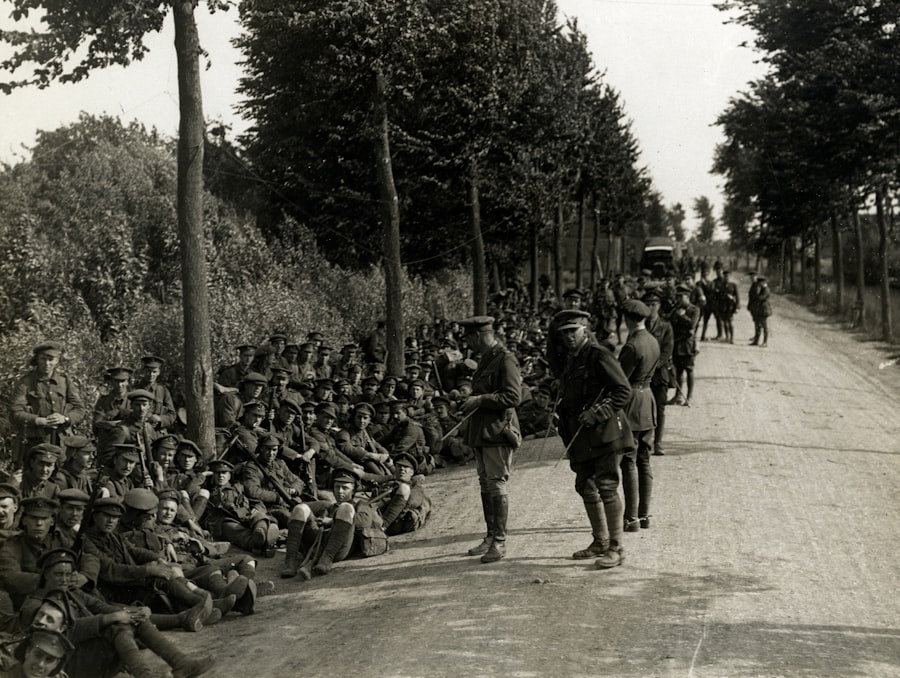
The declaration of war by France on July 19, 1870, triggered the meticulously planned Prussian mobilization. This was not a chaotic scramble but a precisely timed and executed operation that demonstrated the effectiveness of Prussian organization and foresight.
The Königgrätzer Plan: A Pre-Designed Blueprint
The Prussian General Staff had, for years, been developing contingency plans for various scenarios, including a war with France. The “Königgrätzer Plan,” named after the site of the decisive battle of 1866, served as a comprehensive blueprint for the mobilization and deployment of the Prussian army. It detailed every aspect of the operation, from the calling up of reserves to the movement of units to specific strategic locations.
Phased Mobilization: From Reserve to Readiness
The mobilization was a phased process. First, the reserves were called to their designated depots for equipment and basic training. This was followed by the integration of these reservists into existing active units, effectively doubling or tripling their strength. The entire process was conducted with a remarkable degree of discipline and efficiency.
The Role of the Landwehr and Landsturm
Prussia possessed a robust system of reserves, known as the Landwehr and the Landsturm. The Landwehr comprised trained soldiers who had completed their active service, while the Landsturm consisted of older men and those with less military training, who would be mobilized in the event of a desperate national defense. This tiered system ensured that Prussia could quickly field a massive and capable army.
Communication and Coordination: The Nervous System of the Army
Effective communication and coordination were vital to the success of the mobilization. The Prussian military utilized a sophisticated network of telegraph lines, couriers, and liaison officers to ensure that information flowed efficiently between headquarters, troop formations, and logistical hubs. This constant flow of information allowed for rapid adjustments and maintained the coherence of the vast military machine.
The Speed of Deployment: A Shock to the System
The speed at which the Prussian army mobilized and deployed was astonishing to their French adversaries. Within weeks, over 400,000 men, supported by a formidable array of artillery and supplies, were concentrated along the Rhine frontier. This rapid deployment caught the French unprepared and forced them to react to Prussian initiatives rather than dictating the terms of engagement.
The Impact on the Battlefield: Decisive Victories and French Miscalculations
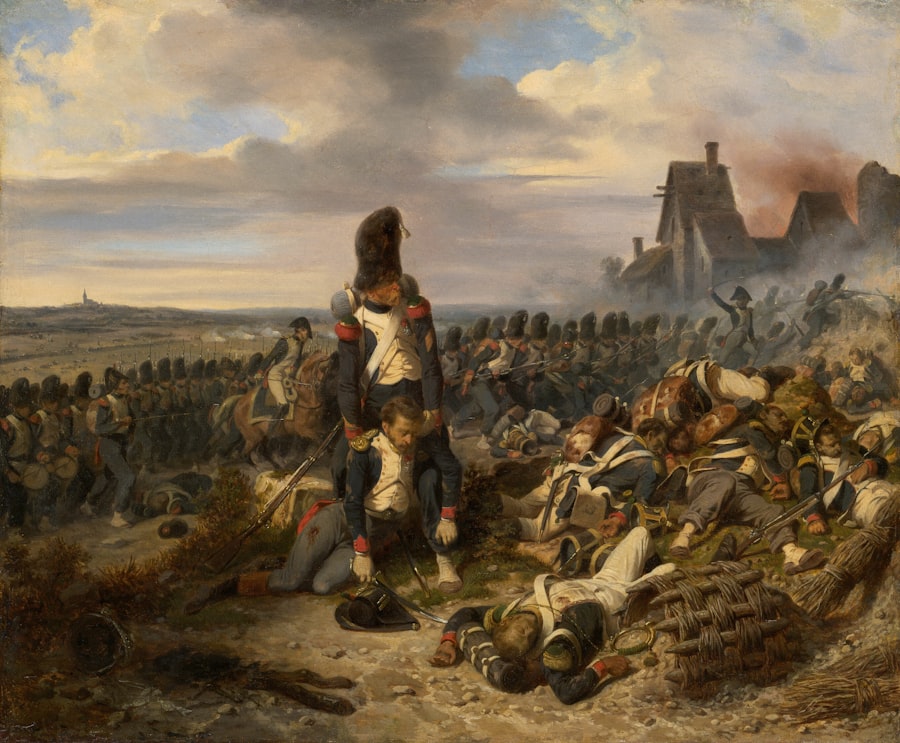
The Prussian mobilization was not just an organizational feat; it was the engine that powered their overwhelming military successes on the battlefield. The speed, organization, and strategic deployment of the Prussian forces proved to be a devastating combination.
The Battle of Wörth and Spicheren: Early Prussian Dominance
The initial engagements of the war, such as the Battle of Wörth and the Battle of Spicheren, showcased the superiority of the Prussian military. Their well-drilled infantry, effective artillery fire, and the cohesive command structure of the General Staff allowed them to achieve decisive victories against a French army that was ill-prepared and suffered from poor leadership and outdated tactics.
French Strategic Flaws: A Disjointed Defense
The French strategy was characterized by a lack of unity and a failure to anticipate the Prussian mobilization’s speed and scale. Their deployment was dispersed, and their command structure was often indecisive. This disjointed defense allowed the Prussians to concentrate their forces and defeat the French piecemeal.
The Siege of Metz and Sedan: The Collapse of French Resistance
The Prussian encirclement and subsequent surrender of the French Army of the Rhine at Metz, and the even more decisive defeat and capture of Napoleon III himself at the Battle of Sedan, were direct consequences of the successful mobilization and strategic execution. These events marked the virtual collapse of French military power.
The Fall of the Second Empire: A Political Earthquake
The defeat at Sedan and the capture of the Emperor had profound political repercussions in France. It led to the downfall of the Second French Empire and the establishment of the Third Republic. This tumultuous internal shift further weakened France’s ability to resist the advancing Prussian forces.
The Psychological Blow: Demoralization and Defeat
The swift and overwhelming Prussian victories had a devastating psychological impact on the French population and their army. The initial confidence gave way to demoralization and a sense of inevitability. The Prussian mobilization had not only brought soldiers to the front lines but had also projected an aura of invincibility.
The Prussian mobilization of 1870 played a crucial role in the lead-up to the Franco-Prussian War, showcasing the effectiveness of rapid troop deployment and strategic planning. This event not only marked a significant turning point in European military history but also set the stage for the unification of Germany. For a deeper understanding of the implications of this mobilization and its impact on subsequent conflicts, you can read more in this insightful article on military strategies at In the War Room.
A New European Order: The Unification of Germany and the Dawn of a New Era
| Metrics | Data |
|---|---|
| Duration of mobilization | 10 days |
| Number of troops mobilized | Around 1 million |
| Number of horses mobilized | Over 100,000 |
| Cost of mobilization | Approximately 45 million thalers |
The Prussian Mobilization of 1870 was the catalyst for events that irrevocably altered the geopolitical map of Europe. The Prussian victory in the Franco-Prussian War was not just a military triumph but a political earthquake that reshaped the continent’s power dynamics.
The Proclamation of the German Empire: A Unified Nation
The most significant outcome of the war was the proclamation of the German Empire in the Hall of Mirrors at the Palace of Versailles on January 18, 1871. This marked the culmination of centuries of German aspirations for unity, with Prussia at its helm. The southern German states, which had initially been hesitant, were brought into the fold through a combination of diplomatic pressure and the shared experience of war.
The Treaty of Frankfurt: German Hegemony Cemented
The Treaty of Frankfurt, signed in May 1871, formally ended the war and imposed harsh terms on France. France was forced to cede Alsace-Lorraine to Germany and pay a substantial indemnity. This punitive treaty not only weakened France but also established German dominance in Western Europe.
The Shift in the Balance of Power: A New Great Power Emerges
The unification of Germany created a new, powerful entity in the heart of Europe. This newly formed empire possessed a significant industrial base, a formidable military, and a rapidly growing population. The traditional balance of power, which had largely been shaped by France, Britain, and Austria, was fundamentally disrupted.
The Legacy of Prussian Militarism: A Foundation for Future Conflicts
While the unification of Germany was a moment of national triumph for Germans, it also laid the groundwork for future conflicts. The emphasis on military strength and the Prussian legacy of militarism, honed during the mobilization and war, would have long-lasting implications for European security and diplomacy in the decades to come, ultimately contributing to the outbreak of World War I.
France’s Humiliation and the Seeds of Revanchism
The defeat and humiliation suffered by France at the hands of Prussia bred a deep sense of resentment and a desire for revenge, known as revanchism. This sentiment would profoundly influence French foreign policy throughout the late 19th and early 20th centuries, contributing to the complex web of alliances and rivalries that ultimately led to the Great War.
The Prussian Mobilization of 1870 was a masterclass in strategic planning, logistical execution, and the effective leveraging of industrial and military reforms. It was a moment when meticulous preparation met opportune provocation, resulting in a swift and decisive conflict that redrew the map of Europe, solidified the rise of a unified Germany, and set the stage for the tumultuous century that followed. The echoes of that meticulously orchestrated mobilization reverberated through the subsequent decades, shaping the destinies of nations and forever altering the course of European history.
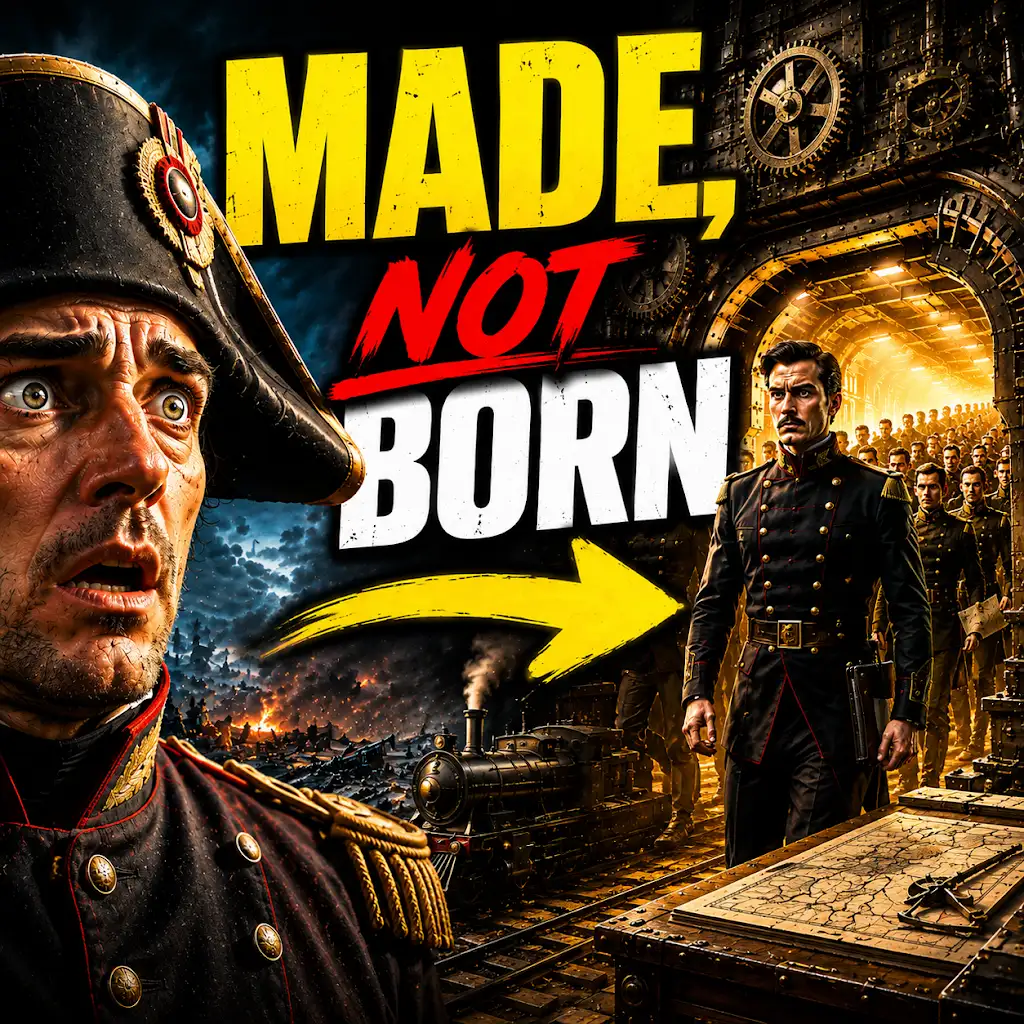
The Military Machine That Didn’t Need a Napoleon
FAQs
What was the Prussian mobilization of 1870?
The Prussian mobilization of 1870 refers to the military preparations and deployment of Prussian forces during the Franco-Prussian War. It was a crucial part of the war effort as Prussia sought to mobilize its forces for the conflict with France.
What were the reasons for the Prussian mobilization of 1870?
The Prussian mobilization of 1870 was prompted by the escalating tensions between Prussia and France, ultimately leading to the outbreak of the Franco-Prussian War. Prussia mobilized its forces in response to the threat of conflict and to assert its military strength.
How did the Prussian mobilization of 1870 impact the outcome of the Franco-Prussian War?
The Prussian mobilization of 1870 played a significant role in the outcome of the Franco-Prussian War. It allowed Prussia to quickly deploy its forces and effectively engage in military operations, ultimately leading to its victory over France and the unification of Germany under Prussian leadership.
What were the key strategies and tactics employed during the Prussian mobilization of 1870?
During the Prussian mobilization of 1870, key strategies and tactics included rapid deployment of troops, efficient supply lines, and coordinated military operations. Prussian forces utilized railway networks and strategic planning to mobilize and engage in decisive battles against the French army.
What were the long-term implications of the Prussian mobilization of 1870?
The Prussian mobilization of 1870 had long-term implications, as it led to the defeat of France, the establishment of the German Empire, and the shift in the balance of power in Europe. It also set the stage for Prussia to emerge as a dominant force in continental Europe.