The Prussian General Staff, a legendary institution synonymous with military excellence and strategic brilliance, has long captivated historians and military enthusiasts alike. Its very name evokes images of meticulous planning, rigorous training, and an almost preternatural ability to anticipate and counter enemy movements. Yet, the inner workings of this formidable organization, particularly the process by which its elite members were selected, remain a subject of intense fascination and often, speculative interpretation. This article aims to demystify the selection of Prussian General Staff officers, delving into the criteria, the grueling assessments, and the socio-cultural context that shaped this unique and highly effective system.
The roots of the Prussian General Staff can be traced back to the tumultuous periods of Prussian history, particularly the wars against Napoleon. The devastating defeats suffered by Prussia in the early 19th century highlighted critical weaknesses in its military leadership and organizational structure. It became painfully evident that a more professional, intellectually driven, and strategically astute officer corps was not merely desirable, but essential for survival and eventual resurgence.
The Need for a Modern Military Mindset
Prior to the formalization of the General Staff, military leadership was often inherited or based on aristocratic privilege. While bravery and battlefield prowess were valued, the capacity for abstract strategic thought, logistical mastery, and understanding the broader political and economic dimensions of warfare was often lacking. The Napoleonic Wars served as a stark reminder that success on the battlefield was increasingly dependent on sophisticated planning, efficient resource management, and the ability to adapt to rapidly evolving circumstances. This realization spurred a desire for a more meritocratic and intellectually rigorous approach to military command.
The Role of the Great General Staff
The true progenitor of the modern Prussian General Staff was indeed the “Great General Staff,” established in 1814 under the direction of Lieutenant General Karl von Müffling. This body was not simply a planning office; it was intended to be a crucible for developing the highest caliber of military minds. Its primary functions included studying past campaigns, analyzing military theory, preparing war plans, and crucially, identifying and cultivating future leaders. This foundational period laid the groundwork for the stringent selection processes that would follow.
The selection process of the Prussian General Staff has been a topic of considerable interest among military historians, particularly in understanding how it shaped modern military strategy and organization. For a deeper exploration of this subject, you can refer to a related article that discusses the evolution of military leadership and the impact of the Prussian model on contemporary armed forces. To read more, visit this article.
The Unseen Gauntlet: Entry into the General Staff Corps
The path to becoming a member of the Prussian General Staff was far from easy. It was a journey marked by intense competition, demanding intellectual challenges, and a relentless pursuit of perfection. This was not an appointment granted lightly; it was earned through a series of arduous examinations and evaluations that tested not only tactical acumen but also a candidate’s character, resilience, and intellectual capacity.
The Initial Prerequisites: More Than Just Military Service
Candidates were not plucked from obscurity. Typically, they were already officers who had demonstrated exceptional promise in their regular military service. This usually meant having served for a significant period, having gained battlefield experience, and having distinguished themselves in their units. However, mere seniority or bravery was insufficient. The General Staff sought individuals with a predisposition for intellectual pursuits and a deep understanding of military history and theory.
Academic Foundations: A Crucial First Step
Before even contemplating an application to the General Staff, aspiring candidates were often expected to have a solid academic background. This could include formal education at military academies, but also a demonstrable ability to engage with complex texts, grasp abstract concepts, and articulate their thoughts clearly. The emphasis was on developing a mind capable of analytical thinking and strategic foresight, skills that were nurtured through rigorous academic study.
The Entrance Examination: A True Test of Intellect and Skill
The actual entry into the General Staff corps was typically achieved through a highly competitive examination. This examination was not a single event, but rather a multi-stage process designed to weed out those who were not truly exceptional. The tests were notoriously difficult, designed to push candidates to their absolute limits.
The Written Assessments: Beyond Tactical Maneuvers
The written portion of the examination delved deeply into theoretical knowledge and analytical abilities. Candidates were expected to demonstrate a profound understanding of military history, strategy, tactics, logistics, and fortifications. They might be tasked with analyzing historical battles, devising operational plans for hypothetical scenarios, or critiquing existing military doctrines. The ability to write clear, concise, and persuasive arguments was paramount.
The Oral Examinations: Proving One’s Worth in Real-Time
Oral examinations were equally, if not more, crucial. Here, candidates were grilled by seasoned General Staff officers, their knowledge and reasoning skills put to the ultimate test. They might be asked to defend their strategic proposals, engage in rapid-fire tactical problem-solving, or explain complex military concepts under pressure. The ability to think on their feet, articulate their ideas logically, and respond effectively to challenging questions was vital.
The Crucible of the Kriegsakademie: Advanced Training and Refinement
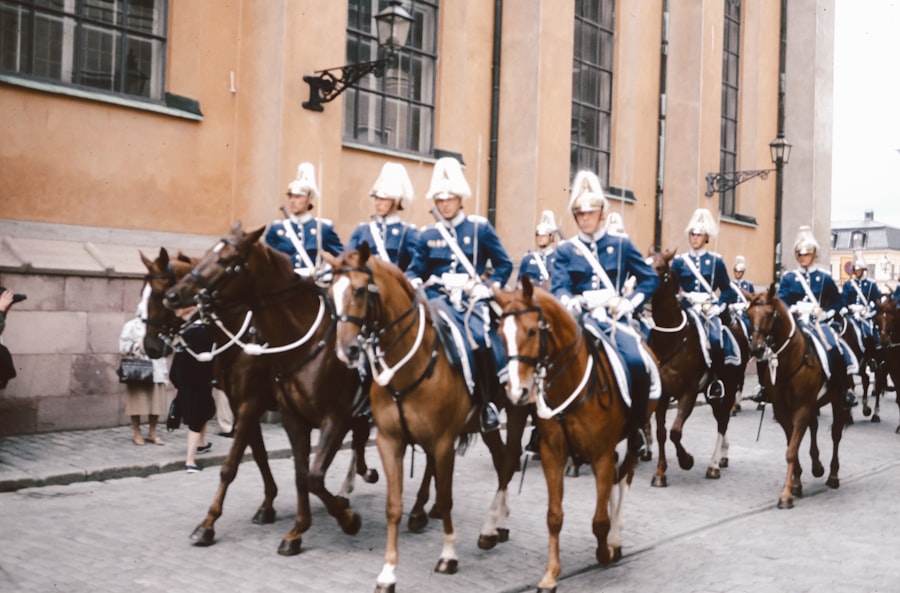
For those fortunate enough to pass the initial entrance examinations, the journey was far from over. The next critical phase was enrollment in the prestigious Kriegsakademie (War Academy) in Berlin. This institution served as the intellectual heart of the Prussian military, where promising officers were molded into the strategic thinkers and planners that would define the General Staff.
The Curriculum: A Holistic Approach to Warfare
The Kriegsakademie’s curriculum was comprehensive and designed to cultivate a well-rounded understanding of warfare in its broadest sense. It went far beyond the rote memorization of tactics; it fostered critical thinking, analytical skills, and the ability to synthesize information from diverse sources.
Strategic Theory and Historical Analysis
A significant portion of the curriculum was dedicated to the study of grand strategy and the lessons learned from centuries of warfare. Students meticulously analyzed campaigns of Alexander the Great, Caesar, Frederick the Great, and Napoleon, dissecting their strengths and weaknesses. They grappled with the philosophical underpinnings of military conflict, understanding its relationship to politics, economics, and societal structures.
Logistics and Operational Planning
The practicalities of warfare were not neglected. Students received in-depth training in logistics, supply chain management, and the intricate planning required to move and sustain large armies. They learned to develop detailed operational plans, considering terrain, weather, enemy dispositions, and available resources. This emphasis on logistical mastery was a hallmark of Prussian military success.
The Role of Distinguished Instructors: Shaping the Minds of Future Leaders
The faculty of the Kriegsakademie comprised some of the most experienced and intellectually gifted officers in the Prussian army. These were men who had often served on the General Staff themselves, possessed extensive combat experience, and had a deep understanding of military theory and practice. Their role was not merely to impart knowledge but to challenge students, provoke critical thinking, and foster a spirit of intellectual inquiry.
Mentorship and Personal Development
Beyond formal instruction, the instructors often served as mentors, guiding their students and fostering their personal and professional development. They provided individual feedback, encouraged independent research, and instilled in them the values of discipline, integrity, and unwavering commitment to duty.
The Ultimate Selection: The “One-in-Ten” Principle and Beyond
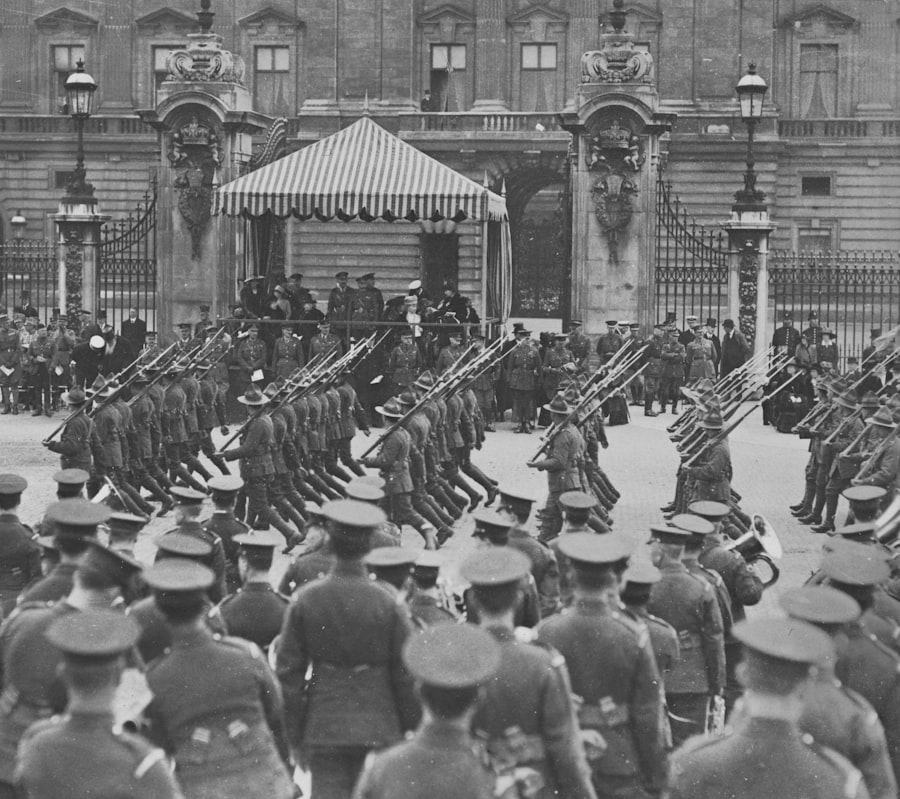
The final selection for permanent assignment to the General Staff was notoriously stringent, often summarized by the informal but widely understood “one-in-ten” principle. This meant that only a fraction of those who entered the Kriegsakademie, and an even smaller percentage of those who initially aspired to the General Staff, would ultimately be chosen.
The “Einjähriger Freiwilliger” and the Path to Officerhood
It is important to note that the General Staff system was intertwined with the broader Prussian officer corps. Many individuals who eventually served on the General Staff began their careers as “Einjährige Freiwillige” (one-year volunteers). This program allowed educated young men to serve one year of mandatory military service and, upon passing an examination, receive a commission as an officer. This provided a pool of educated individuals from which future General Staff candidates could emerge.
The Role of the General Staff’s Own Evaluation
The final decision on who would be admitted to the General Staff rested with the senior leadership of the General Staff itself. This involved a comprehensive review of a candidate’s performance at the Kriegsakademie, their examination results, and any relevant service records. It was a holistic assessment, aiming to identify those with the greatest potential for leadership and strategic thinking.
The Importance of “Charakter” and “Temperament”
Beyond intellectual prowess and tactical skill, the Prussian General Staff placed immense value on a candidate’s character and temperament. They sought officers who were disciplined, resilient, trustworthy, and capable of working effectively under immense pressure. A strong sense of duty, unwavering loyalty, and the ability to make difficult decisions with equanimity were considered essential qualities.
The selection process of the Prussian General Staff has long been a topic of interest for military historians, as it played a crucial role in shaping modern military strategy and organization. For those looking to delve deeper into this subject, an insightful article can be found at this link, which explores the rigorous criteria and training that candidates underwent to join this elite group. Understanding these historical practices not only sheds light on the effectiveness of the Prussian military but also offers valuable lessons for contemporary military leadership.
The Enduring Legacy: Influence and Evolution
| Stage | Criteria | Outcome |
|---|---|---|
| Written Exam | Knowledge of military theory, history, and strategy | Pass/Fail |
| Oral Exam | Problem-solving skills, leadership potential | Pass/Fail |
| Physical Fitness Test | Endurance, strength, agility | Pass/Fail |
| Psychological Evaluation | Stress management, decision-making under pressure | Pass/Fail |
The Prussian General Staff, forged through this rigorous selection process, became a model for military organizations around the world. Its influence extended far beyond the battlefield, shaping military thinking and organizational structures for generations. While the political landscape and the nature of warfare have evolved dramatically, the principles of meritocracy, intellectual rigor, and meticulous preparation that underpinned the Prussian General Staff’s selection process continue to resonate.
The Impact on Military Doctrine and Strategy
The officers produced by the Prussian General Staff system were instrumental in developing and implementing groundbreaking military doctrines. Their emphasis on maneuver warfare, decisive engagement, and the integration of intelligence and planning revolutionized battlefield tactics. The development of detailed war plans and the systematic study of military history provided a framework for strategic decision-making that proved remarkably effective.
The Evolution of the General Staff System
The General Staff system was not static; it underwent continuous evolution to adapt to changing geopolitical realities and technological advancements. While the core principles of selection remained, the specific examinations, training methodologies, and organizational structures were refined over time. The early 20th century saw further professionalization and specialization within the General Staff, as it grappled with the complexities of industrial warfare and global conflict.
The Modern Echoes of Prussian Excellence
While direct parallels are difficult, the spirit of rigorous selection and the pursuit of intellectual excellence in military leadership can be seen in modern military academies and staff colleges worldwide. The emphasis on critical thinking, strategic foresight, and the development of a well-rounded understanding of warfare remains a cornerstone of military education. The Prussian General Staff, though a historical entity, serves as a powerful testament to the enduring value of cultivating an elite corps of military minds through a demanding and meritocratic selection process. The meticulous unveiling of this process reveals not just a historical curiosity, but a blueprint for developing the very best in military leadership.

The Military Machine That Didn’t Need a Napoleon
FAQs
What was the Prussian General Staff selection process?
The Prussian General Staff selection process was a rigorous and highly competitive system used to identify and train officers for leadership roles within the Prussian military.
What were the criteria for selection into the Prussian General Staff?
Candidates for the Prussian General Staff were required to demonstrate exceptional intelligence, leadership potential, strategic thinking, and a deep understanding of military tactics and operations. They also had to have a strong academic background and a proven record of success in previous military assignments.
How were candidates evaluated during the selection process?
Candidates were evaluated through a series of written exams, oral interviews, and practical exercises designed to test their knowledge, problem-solving abilities, and decision-making skills. They were also assessed on their physical fitness, discipline, and ability to work effectively as part of a team.
What was the significance of the Prussian General Staff selection process?
The Prussian General Staff selection process was instrumental in shaping the leadership of the Prussian military and, later, the German military. It ensured that only the most capable and talented officers were chosen for positions of authority, which contributed to the military’s success in numerous conflicts and wars.
Did the Prussian General Staff selection process influence other military organizations?
Yes, the Prussian General Staff selection process served as a model for other military organizations around the world, including the United States, which adopted similar methods for identifying and training officers for leadership roles.