The efficacy of any military force is inextricably linked to its ability to organize, direct, and sustain its operations. This organizational backbone, the military staff system, has undergone a profound and continuous evolution, adapting to changing geopolitical landscapes, technological advancements, and strategic imperatives. From rudimentary organizational structures of early armies to the complex, interconnected networks of modern joint and coalition operations, the journey of military staff systems is a testament to the enduring human endeavor to achieve military superiority through effective command and control.
The earliest armies were often ad hoc formations, led by charismatic warriors or feudal lords who relied on personal relationships and immediate subordinates for rudimentary direction. Command was direct, often vocal, and the concept of a dedicated staff was virtually non-existent. However, as conflicts became larger and more sustained, the limitations of this personalistic approach became apparent. The need for specialized functions and a more structured method of planning and executing operations began to emerge organically.
The Rise of the Aide-de-Camp and the Personal Staff
In the absence of formal staff structures, rulers and commanders began to rely on individuals to assist them with specific tasks. The figure of the aide-de-camp, initially a trusted messenger or personal assistant, gradually evolved to encompass a broader range of duties. These individuals, often chosen for their loyalty and intelligence, would relay orders, gather intelligence, and manage logistics. This was not a formal division of labor based on expertise, but rather an extension of the commander’s personal reach.
Early Innovations in Prussian Staffwork
While many nations dabbled in developing more organized approaches, it was the Prussian military, particularly in the 18th and 19th centuries, that laid many of the foundational principles of modern staff systems. Facing larger and more complex adversaries, Prussian commanders recognized the need for a more systematized approach to warfare.
The Emergence of the “Chef” and the “Generalstab”
The concept of a dedicated general staff, or “Generalstab,” began to take shape in Prussia. This was a pivotal shift from relying solely on the commander’s personal entourage. The “Chef,” or chief of staff, began to emerge as a crucial figure, responsible for coordinating the efforts of various assistants and ensuring that the commander’s intent was translated into actionable plans. This was not merely a secretariat; it was the beginning of a professionalized body of officers dedicated to the art and science of warfare.
Functional Specialization: Intelligence, Operations, Logistics
Prussian reformers started to recognize the need for functional specialization within the emerging staff. Officers began to be assigned to specific areas of responsibility, such as intelligence gathering, operational planning, and logistical management. This division of labor allowed for deeper expertise to develop in each area, leading to more informed decision-making and more efficient execution of military operations. This early recognition of distinct staff functions foreshadowed the departmentalized structures that would become commonplace.
The evolution of modern military staff systems has been a pivotal aspect of military history, shaping how armed forces operate and strategize. A related article that delves into this topic is available at In The War Room, which explores the intricate development and implementation of staff structures within contemporary military organizations. For more insights, you can read the article here: In The War Room.
The 19th Century and the Professionalization of the Staff
The 19th century witnessed a significant leap forward in the development of military staff systems, driven by the increasing complexity of warfare and the rise of nation-states with standing armies. The Prussian model served as a benchmark, and other major powers began to emulate and adapt its principles.
The Influence of the Prussian General Staff Model
The success of the Prussian military in wars such as the Austro-Prussian War (1866) and the Franco-Prussian War (1870-71) brought the effectiveness of its professionalized general staff to international attention. Other nations, keen to modernize their armed forces, sent observers and adopted elements of the Prussian system. This led to a global trend towards establishing dedicated general staffs in their own militaries.
The Development of the “General Staff” Concept
The term “General Staff” itself gained prominence. It represented a collective body of highly trained officers who served the commander, not as personal servants, but as professional advisors and executors of his will. The General Staff was responsible for strategic and operational planning, training, intelligence analysis, and the coordination of different branches of the military.
From Personal Assistants to Strategic Planners
The shift was profound: officers were no longer simply extensions of the commander’s immediate will but were trained professionals expected to analyze situations, develop courses of action, and present well-reasoned recommendations. This elevated the role of the staff from administrative support to a critical component of strategic thinking and decision-making.
The Importance of Training and Education
Recognizing that a professional staff required specialized training, military academies began to incorporate staff officer courses. These programs focused on military history, strategy, tactics, logistics, and administrative procedures, preparing officers for the complex demands of staff work. This emphasis on education and continuous professional development became a hallmark of effective staff systems.
The World Wars and the Expansion of Staff Functions
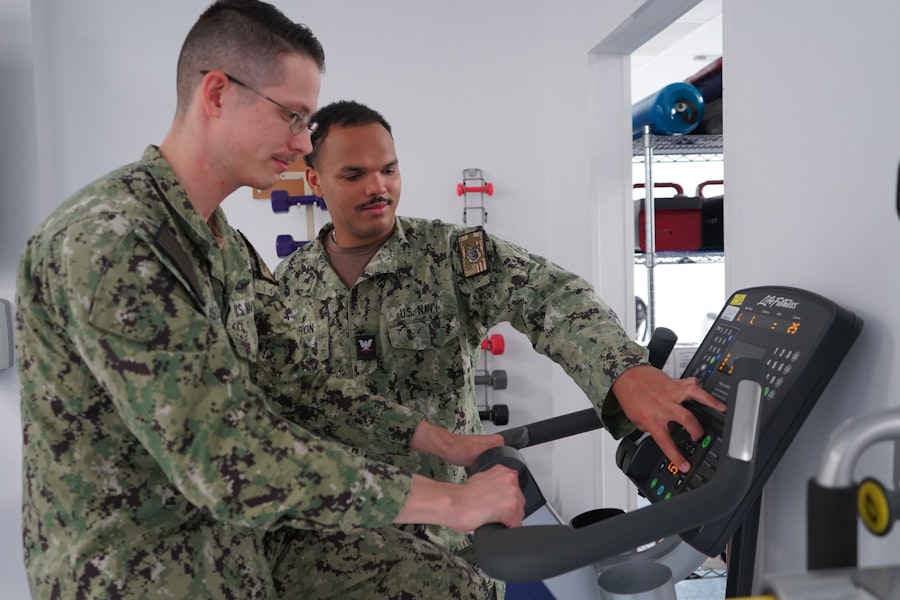
The unprecedented scale and complexity of the World Wars of the 20th century necessitated a dramatic expansion and refinement of military staff systems. The sheer volume of personnel, materiel, and strategic objectives demanded a more robust and adaptable organizational framework.
The Growth of Divisional and Corps Staffs
As armies grew in size, so too did the need for staff support at lower echelons of command. Divisional and corps staffs emerged as essential components, responsible for translating higher-level directives into specific plans for their respective formations. This hierarchical diffusion of staff functions ensured that command and control could be maintained across vast and geographically dispersed forces.
Specialization within the Staff
The demands of modern warfare led to even greater specialization within staff sections. Beyond the traditional intelligence, operations, and logistics, new functional areas gained prominence. These included personnel management, communications, engineering, medical services, and civil affairs, reflecting the multifaceted nature of large-scale military operations.
The Rise of the “G-Staff” System
A common organizational model that emerged, and which persists in many militaries today, is the “G-staff” system (or its naval/air force equivalents like “N-staff” or “A-staff”). This system typically divides staff responsibilities into sections such as G-1 (Personnel), G-2 (Intelligence), G-3 (Operations), G-4 (Logistics), and G-5 (Civil Affairs or Plans). This standardized approach facilitated interoperability and ensured that all critical areas of military activity were addressed.
The Development of Joint and Combined Staffs
The global nature of the World Wars also highlighted the need for coordination between different branches of the military (army, navy, air force) and between allied nations. This led to the initial development of joint and combined staff structures.
Inter-Service Cooperation and Coordination
Operating armies, navies, and air forces in concert presented significant challenges. Joint staffs were established to facilitate communication, deconflict operations, and ensure that the efforts of each service were synchronized to achieve common objectives. This was a crucial step towards the integrated warfare concepts prevalent today.
The Genesis of Combined Staffs in Allied Operations
When multiple nations fought together, the need for combined staffs became paramount. These structures were designed to bridge linguistic, cultural, and doctrinal differences, enabling allied forces to operate cohesively. The challenges faced in these early combined staffs provided valuable lessons for future multinational operations.
The Cold War and the Era of Nuclear Deterrence and Technological Advancement
The ideological standoff of the Cold War, coupled with the dawn of the nuclear age, profoundly reshaped military staff systems. The emphasis shifted towards strategic deterrence, rapid response, and the management of increasingly sophisticated military technology.
The Impact of Nuclear Weapons on Staff Planning
The existential threat posed by nuclear weapons necessitated entirely new approaches to planning and command. Staffs had to develop doctrines and procedures for nuclear warfare, including crisis management, launch protocols, and post-attack recovery. The speed at which nuclear conflict could unfold demanded faster decision cycles and more resilient communication systems.
Crisis Management and Decision Cycles
Cold War crises, from the Cuban Missile Crisis to numerous border skirmishes, highlighted the critical role of staff in rapid information processing and decision-making. Staffs became adept at analyzing rapidly evolving situations, providing timely intelligence to commanders, and developing contingency plans for a wide range of scenarios. The concept of “deliberate planning” was complemented by “crisis action planning.”
The Role of Intelligence in a Bipolar World
The pervasive threat of the “enemy” during the Cold War placed an enormous burden on intelligence staff. Analyzing satellite imagery, signals intelligence, and human intelligence became vital for understanding the capabilities and intentions of opposing forces. The dissemination and analysis of intelligence were central to maintaining strategic balance and preventing escalation.
Technological Advigoration and the Rise of Information Systems
The rapid advancement of technology during the Cold War, particularly in computing and telecommunications, began to revolutionize staff operations. The introduction of early computers and networked systems started to automate processes and improve the speed and accuracy of information flow.
Early Automation of Staff Functions
Tasks like calculating artillery trajectories, managing logistics databases, and disseminating orders began to be automated. This reduced the manual workload on staff officers, allowing them to focus on higher-level analysis and decision-making. The initial steps towards a “paperless” staff were being taken.
The Importance of Command and Control (C2) Systems
The development of sophisticated Command and Control (C2) systems became a strategic imperative. These systems aimed to provide commanders with a real-time understanding of the battlefield, enabling them to make informed decisions and direct forces effectively. The integration of sensors, communication networks, and command centers formed the basis of modern C2.
The evolution of modern military staff systems has played a crucial role in shaping contemporary warfare strategies and operational effectiveness. For those interested in exploring this topic further, a related article can provide valuable insights into the historical development and transformation of these systems. You can read more about it in this detailed analysis, which examines the key milestones and influences that have defined military staff structures over time. Understanding these changes is essential for grasping how military organizations adapt to new challenges in an ever-evolving landscape.
The Post-Cold War Era and the Age of Jointness, Networks, and Asymmetric Warfare
| Year | Event |
|---|---|
| 1805 | Prussian General Staff established by Gerhard von Scharnhorst |
| 1905 | Japanese General Staff established |
| 1917 | United States Army General Staff established |
| 1925 | Soviet General Staff established |
| 1947 | North Atlantic Treaty Organization (NATO) Military Committee established |
The collapse of the Soviet Union ushered in a new era of global security, characterized by the decline of large-scale conventional threats and the rise of asymmetric warfare, terrorism, and the increasing prevalence of coalition operations. Military staff systems have continued to evolve in response to these dynamic challenges.
The Dominance of Joint and Interagency Operations
The trend towards jointness, where different branches of the military operate as a unified force, has become a defining characteristic of modern military doctrine. Staff systems have adapted to facilitate seamless integration and interoperability between land, sea, air, space, and cyber domains. Furthermore, the increasing involvement of civilian agencies in security operations has led to the development of interagency staff mechanisms.
The Doctrine of Joint Vision and its Staff Implications
Concepts like Joint Vision 2010 and its successors emphasized the importance of synchronized operations across all services. This necessitated the development of common doctrines, procedures, and interoperable systems, all of which placed new demands on joint staffs to act as facilitators and integrators.
Interagency Coordination and Collaboration
Modern conflicts often involve complex challenges that extend beyond traditional military operations. Staffs now routinely incorporate liaisons and expertise from agencies such as the State Department, intelligence agencies, and humanitarian organizations. This interagency collaboration is crucial for achieving holistic success in complex environments.
Network-Centric Warfare and Information Dominance
The development of sophisticated information networks has led to the concept of network-centric warfare, where information superiority is seen as a key enabler of military success. Staff systems are increasingly designed to leverage these networks for enhanced situational awareness, rapid decision-making, and the efficient employment of forces.
The Role of the Network in Decision Superiority
Modern staffs aim to achieve “decision superiority” by processing information faster and more effectively than the adversary. This involves leveraging advanced communication technologies, data analytics, and artificial intelligence to create a comprehensive and dynamic understanding of the operational environment.
Managing Information Overload and Ensuring Data Integrity
While networks offer immense potential, they also present challenges. Staffs must develop robust procedures for managing information overload, filtering relevant data, and ensuring the integrity and security of critical information. The rise of cyber warfare has added another layer of complexity, requiring specialized staff expertise in this domain.
Adapting to Asymmetric Warfare and Irregular Conflicts
The rise of non-state actors, terrorism, and protracted irregular conflicts has challenged traditional military planning. Staff systems have had to adapt to the complexities of operating in ambiguous environments, dealing with populations, and distinguishing between combatants and non-combatants.
The Importance of Cultural Understanding and Stability Operations
Irregular warfare often requires a deep understanding of local cultures and populations. Staffs now increasingly incorporate cultural advisors and expertise in stability operations, counterinsurgency, and nation-building efforts. The planning process must account for the political and social dimensions of conflict, not just the military ones.
Flexible Planning and Adaptability in Unpredictable Environments
The unpredictable nature of asymmetric warfare demands highly flexible and adaptable planning processes. Staffs must be able to rapidly re-plan and re-orient operations in response to changing circumstances, often with incomplete information. This requires a mindset shift away from rigid, linear planning towards more agile and iterative approaches.
The evolution of military staff systems is an ongoing process. As the nature of conflict continues to shift, driven by technological innovation, geopolitical changes, and new threats, so too will the structures, functions, and methodologies of military staffs. The ability to adapt, innovate, and effectively integrate diverse capabilities will remain the ultimate determinant of military success, with the staff system serving as the critical enabler of that adaptation. The journey from a commander’s personal entourage to the complex, interconnected, and technologically advanced staffs of today is a testament to the enduring quest for military effectiveness.

The Military Machine That Didn’t Need a Napoleon
FAQs
What is a modern military staff system?
A modern military staff system is a hierarchical structure within a military organization that is responsible for planning, coordinating, and executing military operations. It includes various staff functions such as intelligence, operations, logistics, and personnel.
When did modern military staff systems first emerge?
Modern military staff systems first emerged during the 19th century, with the Prussian Army being one of the earliest adopters of a formalized staff system. This development was influenced by the need for more efficient command and control as warfare became more complex.
What are the key components of a modern military staff system?
The key components of a modern military staff system typically include the chief of staff, who is responsible for overall coordination and planning, as well as various specialized staff branches such as intelligence, operations, logistics, and personnel.
How have modern military staff systems evolved over time?
Modern military staff systems have evolved to adapt to changes in warfare, technology, and organizational structures. This evolution has included the integration of new technologies for communication and information management, as well as the development of joint and multinational staff systems to support coalition operations.
What role do modern military staff systems play in contemporary warfare?
In contemporary warfare, modern military staff systems play a crucial role in enabling effective command and control, decision-making, and coordination of military operations. They also support the integration of various military capabilities and the management of complex logistical and personnel requirements.