The perpetual hum of engines, a sound that became the heartbeat of a besieged city, marked the rhythm of hope for West Berlin. For nearly a year, from June 1948 to May 1949, a monumental effort of aerial logistics unfolded, a desperate gamble against hunger and despair. The Berlin Airlift, codenamed “Operation Vittles” by the Americans and “Operation Plainfare” by the British, was more than just a supply chain; it was a lifeline, a testament to human ingenuity and unwavering resolve, delivering vital necessities to over two million people, dropping in a payload every ninety seconds at its peak.
The aftermath of World War II left Germany a divided nation, its capital, Berlin, similarly fractured into four occupation zones. Situated deep within the Soviet zone, West Berlin, controlled by the Western Allies – the United States, Great Britain, and France – became an island of democracy in a sea of Soviet influence. This precarious geopolitical arrangement set the stage for a dramatic confrontation.
The Seeds of Division
Following the war, the Allied powers grappled with the question of Germany’s future. While initially cooperating, ideological differences and mutual suspicion quickly emerged. The Soviet Union, under Josef Stalin, sought to ensure Germany would never again pose a threat and to consolidate its control over Eastern Europe. The Western Allies, conversely, aimed to foster a democratic and economically viable West Germany. These diverging visions fueled increasing tensions.
The Currency Reform and Soviet Reaction
A critical turning point arrived in June 1948. The Western Allies, seeking to stabilize the West German economy and counter rampant inflation, introduced a new currency, the Deutsche Mark, into their zones, including West Berlin. The Soviets viewed this as a deliberate provocation, a move that solidified the division of Germany and undermined their authority in Berlin.
The Introduction of the Deutsche Mark
On June 20, 1948, the Deutsche Mark was officially introduced into the Western sectors of Berlin. This was a necessary economic reform, but its implementation in the enclave of West Berlin was a calculated risk. The Soviets had not been consulted on this specific measure within the city, and it was perceived as a unilateral act that defied the established four-power agreements on Berlin.
Stalin’s Response: Isolating West Berlin
Stalin’s objective was clear: to force the Western Allies out of Berlin and absorb the entire city into the Soviet sphere of influence. He believed that by cutting off all land and water access to West Berlin, he could starve the population into submission and compel the Allies to abandon their position. The blockade was not a declaration of war, but a non-violent, yet incredibly potent, form of coercion.
The Legal and Moral Dimensions
The blockade was a clear violation of the quadripartite agreements that governed the administration of Berlin. The Soviet Union had pledged to ensure freedom of movement and access to the city. Their actions were seen by the Western powers as a blatant disregard for international law and a test of their commitment to the people of West Berlin.
The Potsdam Agreement and Four-Power Control
The agreements made during and after World War II, particularly those stemming from the Potsdam Conference, outlined the responsibilities of the four occupying powers in Germany and Berlin. These agreements guaranteed access to Berlin for the Western Allies, primarily through designated air corridors, land routes, and waterways. The Soviet blockade directly contravened these understandings.
The Humanitarian Imperative
Beyond the geopolitical considerations, the Western Allies felt a profound moral obligation to the citizens of West Berlin. These were civilians caught in the crossfire of superpower rivalry. Abandoning them would have been a devastating blow to morale and a betrayal of democratic principles.
The Berlin Airlift, a remarkable operation that took place from 1948 to 1949, was a response to the Soviet blockade of West Berlin, showcasing the resilience and determination of the Western Allies. For those interested in understanding the broader context of this historical event, a related article can be found at this link. The airlift involved the transportation of food, fuel, and other essential supplies to the citizens of West Berlin, demonstrating the commitment of the United States and its allies to support democracy in the face of communist aggression. If you want to delve deeper into the strategic implications and outcomes of the Berlin Airlift, you can explore more at this link. This operation not only provided immediate relief but also set the stage for the Cold War dynamics that would follow, making it a pivotal moment in 20th-century history. For further insights into the geopolitical ramifications of the airlift, check out this link. The successful execution of the Berlin Airlift ultimately solidified the United States’ role as a global leader and defender of freedom, a theme that resonates throughout subsequent international relations. To understand the legacy of the Berlin Airlift and its impact on future military and humanitarian operations, visit this link.
Operation Vittles: A Sky Full of Hope
The initial Soviet blockade caught the Western Allies by surprise, but their response was swift and decisive. The idea of simply abandoning Berlin was unthinkable. Instead, a bold and unprecedented plan was conceived: to supply the city entirely by air. What began as a tentative measure quickly escalated into a massive, sustained aerial operation, a testament to the organizational prowess and determination of the Allied forces.
The Scale of the Challenge
West Berlin required an enormous quantity of essential goods daily to survive. Food, coal for heating and electricity, medicine, and raw materials for essential industries all had to be flown in. Estimating the precise needs and then devising a system to meet them was a logistical nightmare of epic proportions.
Estimating Daily Requirements
The Allied planners had to meticulously calculate the minimum daily caloric intake required by the population, the fuel needed to keep homes warm and power running, and the medical supplies necessary to maintain public health. These figures were constantly reviewed and adjusted as the blockade continued.
The Critical Importance of Coal
Coal was perhaps the most crucial commodity. West Berlin was heavily reliant on coal for both heating and electricity generation. Without a constant supply, the city would freeze in winter and its industries would grind to a halt, leading to widespread unemployment and further hardship.
The Allied Response: A Fleet in the Air
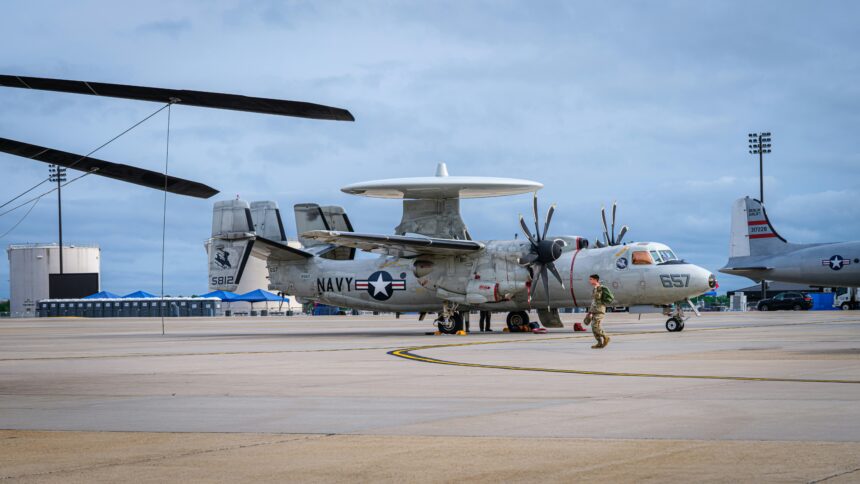
The United States Air Force (USAF) and the Royal Air Force (RAF) were the primary operators of the airlift. They mobilized hundreds of aircraft, from massive C-54 Skymasters to smaller Dakotas, and recruited pilots, ground crews, and support personnel from across the globe.
The Majestic C-54 Skymaster
The C-54 Skymaster, a four-engine transport aircraft, became the workhorse of the airlift. Capable of carrying significant payloads of coal, flour, and other vital supplies, it was a familiar and welcome sight over the skies of Berlin. Its reliability and capacity were instrumental in the success of the operation.
The Role of the Royal Air Force
The RAF played an equally vital role, contributing a substantial number of aircraft and personnel. Their experience in air transport, particularly from the Second World War, proved invaluable. The British commitment was unwavering, demonstrating a shared resolve with the Americans.
The Aircraft as Messengers of Hope
Each aircraft that landed in West Berlin was more than just a delivery vehicle; it was a symbol of defiance and a harbinger of continued survival. The sight of the planes, the roar of their engines, and the knowledge that they carried sustenance became a source of immense psychological comfort for the beleaguered population.
The “Candy Bombers” and Their Impact
A particularly poignant aspect of the airlift was the initiative of some pilots to drop candy and small toys for the children of Berlin. Lt. Gail Halvorsen, famously known as the “Candy Bomber,” began dropping handkerchiefs filled with sweets, inspiring a widespread practice that brought joy and a sense of normalcy to the youngest residents.
The “Raisin Bombers” (Rosinenbomber)
This practice earned the aircraft the affectionate nickname “Rosinenbomber” (Raisin Bombers) from the German children, who would eagerly await the planes, waving in anticipation of the sweet treats. It was a small gesture, but it had an immeasurable impact on the morale of the city.
The Rhythm of the Skies: Precision and Persistence

The success of the Berlin Airlift hinged on an extraordinary level of coordination, precision, and sheer persistence. The constant flow of aircraft required meticulous planning and execution to ensure maximum efficiency and safety, transforming the air corridors into a highly organized aerial highway.
The Air Corridors: Highways in the Sky
Three designated air corridors, each approximately twenty miles wide, were the exclusive routes for Allied aircraft flying into and out of Berlin. These corridors were crucial for maintaining order and preventing collisions in the congested airspace.
The Three Designated Corridors
These corridors were established by the Allied powers after World War II. They provided the only authorized routes for air traffic into and out of West Berlin, effectively segregating Allied and Soviet air traffic and minimizing the potential for conflict.
Air Traffic Control: A Masterclass in Organization
Managing hundreds of aircraft, often with only minutes between landings and takeoffs, was a monumental feat of air traffic control. Controllers worked around the clock, guiding planes through the corridors, coordinating takeoffs and landings, and ensuring a constant, uninterrupted flow of supplies.
The Grind of Operations: 24/7 Vigilance
The airlift operated twenty-four hours a day, seven days a week. Pilots and ground crews worked in grueling shifts, battling fatigue, adverse weather conditions, and the constant pressure of maintaining the supply line.
The Demands on Pilots and Crew
Pilots flew multiple missions daily, often in challenging weather and with limited visibility. Ground crews worked tirelessly to load and unload aircraft, maintain planes, and ensure everything ran smoothly, often in harsh conditions.
The Role of Ground Crews and Mechanics
The unsung heroes of the airlift were the thousands of ground crew personnel and mechanics. Their dedication to keeping the aircraft operational, often through round-the-clock repairs and maintenance, was crucial to the sustained success of the operation.
The Ninety-Second Interval: A Symbol of Efficiency
At the peak of the airlift, an aircraft was landing or taking off from one of West Berlin’s airports every ninety seconds. This astonishing pace became a tangible symbol of the operation’s efficiency and the unwavering commitment of the Allies to the city.
The Frequency of Landings and Takeoffs
This incredible tempo meant that Berlin was under constant aerial bombardment, not of bombs, but of vital supplies. The incessant drone of engines was a constant reminder that the city was not forgotten.
The Psychological Impact of the Interval
For the people of West Berlin, this ninety-second rhythm was more than just a statistic; it was a palpable sign of life and hope. It meant that hunger was being staved off, that warmth would persist, and that their connection to the outside world remained unbroken.
The Airports: Hubs of Hope and Activity
West Berlin’s airports transformed into bustling hubs of activity, their runways serving as the vital arteries connecting the besieged city to the free world. These airports became symbols of resilience and the unwavering determination to keep the lifeline open.
Tempelhof: The Icon of the Airlift
Tempelhof Airport, with its distinctive semicircular terminal building, became the most iconic symbol of the Berlin Airlift. Its strategic location and ample facilities made it the primary hub for American operations.
The Strategic Importance of Tempelhof
Located close to the city center, Tempelhof offered a relatively short taxiing distance from runway to cargo unloading points. This efficiency was critical in maximizing the number of flights that could be accommodated.
The Welcome Sight of the “Doughnut Hole”
For West Berliners, the sight of planes landing at Tempelhof, often referred to as the “doughnut hole” of the Soviet zone, was a source of immense relief and reassurance. It was a visual confirmation that help was arriving.
Gatow and Tegel: Essential Partners
While Tempelhof often commanded the spotlight, the British-operated Gatow Airport and the later-developed Tegel Airport played equally crucial roles in the success of the airlift.
Gatow Airport: The British Contribution
Gatow, located in the British sector, handled a significant portion of the airlift traffic, particularly for RAF operations. Its consistent operation was vital to the overall success of the Allied effort.
Tegel Airport: Expansion and Increased Capacity
As the airlift progressed and the demands increased, Tegel Airport was rapidly constructed and opened in 1948. This expansion significantly increased the capacity of West Berlin’s air infrastructure, allowing for a greater volume of supply flights.
The Ground Operations: A Symphony of Movement
The efficient functioning of these airports depended on a highly coordinated network of ground operations. From unloading cargo to refueling and maintenance, every step was crucial to the continuous flow of aircraft.
Cargo Unloading and Distribution
Teams of workers, often comprising soldiers and civilian volunteers, worked tirelessly to unload tons of supplies from each aircraft, ensuring that food, fuel, and other necessities were quickly distributed throughout the city.
Maintenance and Refueling Efforts
Maintaining the aircraft in operational condition was a constant challenge. Mechanics worked in shifts, performing repairs and routine maintenance to ensure that planes could quickly return to the skies for their next mission.
The Berlin Airlift, a pivotal event during the Cold War, showcased the determination of the Western Allies to support West Berlin amidst a Soviet blockade. This operation not only highlighted the strategic importance of air logistics but also demonstrated the resilience of the human spirit in the face of adversity. For a deeper understanding of the geopolitical implications of the airlift, you can read more in this insightful article on the War Room. The success of the Berlin Airlift was a significant factor in shaping post-war Europe and solidifying the divide between East and West. As tensions escalated, the airlift became a symbol of hope and defiance against oppression, reinforcing the commitment of the United States and its allies to protect democratic ideals. To explore further aspects of this historical event, check out the detailed analysis available in the same War Room article. Ultimately, the Berlin Airlift not only provided essential supplies but also laid the groundwork for future NATO alliances and the eventual fall of the Iron Curtain. For those interested in the broader context of military strategies during the Cold War, the War Room offers a wealth of information that connects various historical events and their lasting impacts.
The End of the Blockade and its Legacy
“`html
| Date | Total Flights | Total Tonnage | Total Passengers |
|---|---|---|---|
| June 1948 | 2,000 | 234,476 tons | 2.3 million |
| July 1948 | 4,500 | 412,000 tons | 3.5 million |
| August 1948 | 5,000 | 541,937 tons | 3.5 million |
“`
After 322 days of relentless effort, the Soviet Union, realizing the futility of their blockade and facing mounting international pressure, finally relented. On May 12, 1949, the blockade was lifted, marking a decisive victory for the Western Allies and the resilience of the West Berliners. The Berlin Airlift left an indelible mark on history, shaping the geopolitical landscape and forging a bond of trust and admiration between Germany and the Allied nations.
The Soviet Concession: A Strategic Defeat
Stalin’s gamble had failed. The blockade, intended to isolate and ultimately control West Berlin, had instead galvanized international opposition and showcased the unwavering commitment of the Western powers. The economic strain on the Soviet Union, coupled with the diplomatic isolation, eventually forced them to reconsider their strategy.
The Failure of Coercion
The blockade, while causing hardship, did not break the spirit of the West Berliners. Their resilience and the unwavering support of the Western Allies proved to be a more potent force than Soviet coercion.
International Pressure and Diplomatic Realities
The airlift garnered widespread international sympathy and condemnation of the Soviet blockade. The United Nations and other international bodies voiced their concerns, increasing the diplomatic pressure on the Soviet Union.
The Lifting of the Blockade: A Moment of Triumph
The official announcement of the lifting of the blockade was met with jubilation in West Berlin and across the Western world. The sight of roads and waterways reopening was a powerful symbol of freedom and the return to normalcy.
The Reopening of Access Routes
With the blockade lifted, land and water routes to West Berlin were reopened, allowing for the resumption of traditional trade and transport. This eased the burden on the air-based supply system.
A Symbol of Freedom and Resilience
The end of the blockade was a victory not just for the Allies, but for the principles of freedom and self-determination. It demonstrated that even in the face of immense pressure, democracy could prevail.
The Enduring Legacy: A Symbol of Unity and Sacrifice
The Berlin Airlift remains one of the most significant humanitarian and logistical triumphs of the 20th century. It fostered a deep and lasting bond between Germany and the Allied nations, a testament to shared sacrifice and a commitment to a peaceful and democratic future.
The Strengthening of Allied Relations
The shared endeavor of the airlift forged a stronger sense of unity and cooperation between the United States, Great Britain, and France, solidifying their alliance in the face of Soviet expansionism.
The Foundation of the Federal Republic of Germany
The successful defense of West Berlin also played a crucial role in the establishment of the Federal Republic of Germany in May 1949, a democratic state that would become a cornerstone of Western Europe.
A Lesson in Courage and Compassion
The Berlin Airlift serves as a perpetual reminder of the courage, ingenuity, and compassion that can emerge in the darkest of times. It is a story of how a lifeline, delivered one aircraft at a time, every ninety seconds, can sustain hope and ultimately triumph over adversity. The rumble of those engines, once a sound of desperate struggle, became the enduring melody of freedom.

How 90 Seconds Kept 2 Million People Alive
FAQs
What was the Berlin Airlift?
The Berlin Airlift was a massive operation conducted by the Western Allies to supply West Berlin with food, fuel, and other necessities after the Soviet Union blockaded the city in 1948.
When did the Berlin Airlift take place?
The Berlin Airlift took place from June 1948 to September 1949, lasting for a total of 15 months.
How did the Berlin Airlift work?
During the Berlin Airlift, cargo planes flew supplies into West Berlin’s airports, delivering over 2.3 million tons of food, fuel, and other essentials to the city’s residents.
What was the significance of the Berlin Airlift?
The Berlin Airlift was a crucial event in the early Cold War, demonstrating the determination of the Western Allies to support West Berlin and thwart Soviet attempts to isolate the city.
What was the outcome of the Berlin Airlift?
The Berlin Airlift successfully provided essential supplies to West Berlin, and the Soviet Union eventually lifted the blockade in May 1949, marking a significant victory for the Western Allies.