The year is 1948. The city of Berlin, a shattered testament to the devastating impact of World War II, finds itself once again at the precipice of a humanitarian crisis. Four years after the guns fell silent, the spirit of cooperation that had initially governed the Allied occupation of Germany began to fray, replaced by the icy tendrils of the Cold War. The Soviet Union, determined to assert its dominance and push the Western Allies out of their sectors of the divided city, initiated an audacious and ruthless blockade. On June 24, 1948, all road, rail, and canal traffic between West Berlin and the Western zones of Germany was severed. Suddenly, over two million civilians, cut off from vital supplies, faced starvation and the encroaching threat of Soviet domination. In this desperate hour, when conventional wisdom dictated retreat or capitulation, an extraordinary act of defiance and ingenuity was conceived: the Berlin Airlift. This operation, a testament to human resilience and the power of determination, would become known for its critical junctures, moments where a few seconds could mean the difference between survival and despair. This is the story of the Berlin Airlift, a narrative woven with threads of courage, innovation, and the enduring fight for freedom, often distilled into the dramatic tension of those crucial 90 seconds.
The end of World War II left Europe in ruins, and Germany, the epicenter of the conflict, bore the deepest scars. Berlin, the once-proud capital, was divided into four sectors, each administered by one of the victorious Allied powers: the United States, Great Britain, France, and the Soviet Union. This division, intended as a temporary measure, soon became a stark symbol of the burgeoning ideological chasm between the West and the East. The Western Allies, committed to fostering a democratic and economically stable West Germany, began to implement currency reforms and lay the groundwork for a new German state. The Soviet Union, however, viewed these actions as a direct challenge to its authority and a threat to its sphere of influence.
The Economic Divide Fuels Political Tensions
The economic landscape of post-war Germany was a complex tapestry of devastation and reconstruction. The Marshall Plan, a cornerstone of American foreign policy, aimed to rebuild Western Europe and prevent the spread of communism. Its implementation in the West, including the Western sectors of Berlin, was seen by the Soviets as an aggressive economic maneuver. Conversely, the Soviet sector of Berlin and East Germany were subjected to reparations and economic policies designed to benefit the Soviet Union. This growing economic disparity exacerbated existing political tensions, creating an environment where mistrust and suspicion festered. The introduction of the Deutsche Mark in the Western zones on June 20, 1948, was the final catalyst, perceived by Stalin as a direct affront and a signal of the Western Allies’ unwavering commitment to a separate West German entity.
Stalin’s Gamble: The Blockade Unleashed
Joseph Stalin, the iron-willed leader of the Soviet Union, believed that by severing all land and water access to West Berlin, he could force the Western Allies to abandon the city, thereby consolidating Soviet control over all of Berlin and undermining the nascent West German republic. The blockade was not just a political statement; it was a calculated attempt to starve over two million civilians into submission. The sheer audacity of the move stunned the world. The Western Allies were presented with a brutal choice: either concede Berlin to the Soviets, a move that would be seen as a catastrophic loss of face and a dangerous precedent for Soviet expansion, or initiate a military confrontation, a prospect fraught with the terrifying possibility of World War III.
The 90-second Berlin Airlift is a fascinating topic that highlights the ingenuity and determination of those involved in delivering essential supplies to West Berlin during a critical period in history. For a deeper understanding of the broader implications of this event, you can read a related article that explores the strategic significance and the challenges faced during the airlift. Check it out here: In the War Room.
The Unthinkable Solution: Operation Vittles Takes Flight
The initial response from the Western Allies was one of shock and disbelief. The idea of physically breaking the blockade with military force was too dangerous. The world held its breath, fearing the worst. It was in this atmosphere of profound uncertainty that a seemingly audacious and almost impossible solution began to take shape. The concept of resupplying an entire city, larger than many European capitals, solely by air was unprecedented. Yet, as the days turned into weeks, and the specter of starvation grew more palpable for the citizens of West Berlin, the “impossible” began to transform into the only viable option. This was the genesis of Operation Vittles, later colloquially known as the Berlin Airlift.
The “Cat’s Breakfast” and the Birth of a Plan
The initial proposals for an airlift were met with considerable skepticism. Critics dismissed it as a logistical nightmare, a “cat’s breakfast” that would never be able to deliver enough to sustain the city. The sheer volume of goods required – food, coal, medicine, and other essentials – was staggering. However, the determined spirit of individuals like General Lucius D. Clay, the American military governor of Germany, and the engineers and pilots who understood the capabilities of modern aviation, pushed the idea forward. They calculated the daily tonnage needed and the flight capacity required to achieve it. It was a monumental undertaking, requiring unprecedented coordination and innovation.
The Race Against Time: Early Challenges and Triumphs
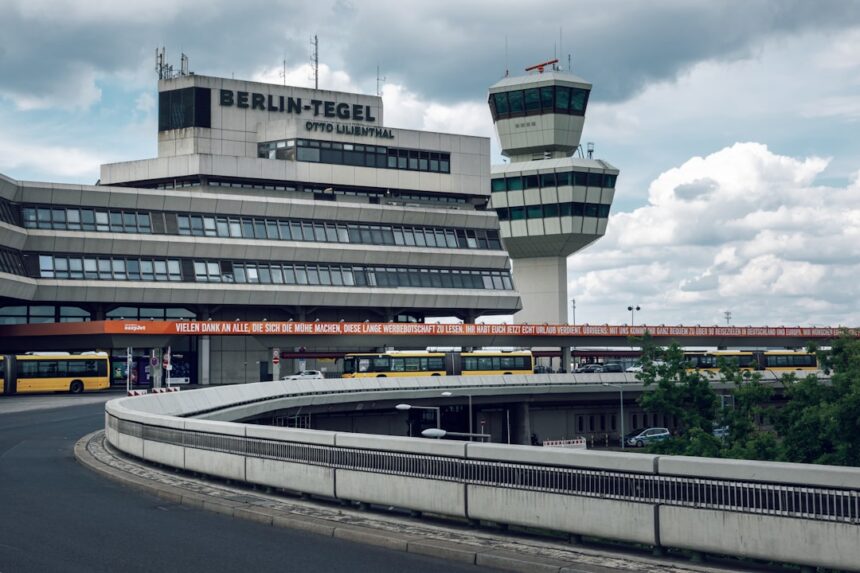
The early days of the airlift were fraught with challenges. Pilots faced uncertain weather conditions, limited landing facilities in Berlin, and the ever-present risk of Soviet harassment. The airfields in Berlin, Tempelhof, Gatow, and later Tegel, were hastily expanded and upgraded. Air traffic control systems, rudimentary by today’s standards, were pushed to their limits. The initial tonnage delivered was far below the target, fueling the critics’ doubts. Yet, the commitment to the mission remained unwavering. Each successful flight, each tonne of supplies delivered, was a small victory against the suffocating embrace of the blockade. The pilots, often working in grueling shifts, became symbols of hope for the beleaguered Berliners.
The 90 Seconds of Courage: Critical Moments in the Sky
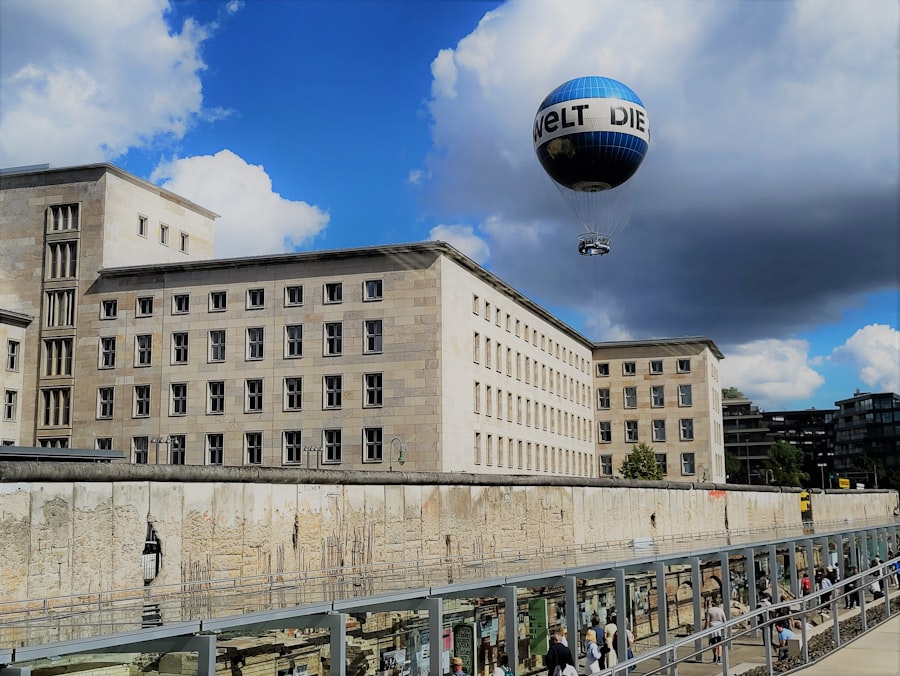
The Berlin Airlift was not a single, continuous event, but a series of calculated risks and daring maneuvers, often unfolding in the compressed time of a few critical moments. The “90 seconds of courage” refers to the intense periods of operation where pilots had to navigate treacherous conditions, manage tight schedules, and make split-second decisions that could have life-or-death consequences. These were the moments when the true heroism of the airlift was most evident.
The Approach and Landing: A Dance with Danger
The approach to the Berlin airfields was a particularly perilous phase. Pilots had to descend through often poor visibility, navigating a narrow air corridor established by the Allied powers. This corridor was precisely defined, with strict altitude limits to avoid any perceived provocation of Soviet forces. The runways themselves were often congested, with aircraft landing and taking off at incredibly short intervals. The skill of the pilots, their ability to maintain precise control of their aircraft, and the efficiency of the air traffic controllers were paramount. The 90 seconds from the final approach to touchdown were a testament to their mastery.
The Precision of the Parallelogram
The established air corridors, often referred to as “parallelograms,” were crucial for maintaining order and preventing accidents. These were specific flight paths that aircraft were required to follow. Deviations, even slight ones, could lead to collisions or inadvertent incursions into Soviet-controlled airspace, which could have triggered a severe response. The pilots had to maintain their bearings and altitude within these strict parameters, a demanding task, especially during adverse weather.
Navigating the Fog of War and Weather
Berlin’s weather, notorious for its fog and low cloud cover, posed a constant threat. During these periods, relying solely on visual cues became impossible. Pilots had to depend on rudimentary instrument landing systems, a skill that required immense training and precision. The risk of a crash on landing, or of being unable to land at all, was amplified. These were precisely the moments where 90 seconds of focused attention and unwavering execution were vital.
The Unloading and Takeoff: The Race Against the Clock
Once on the ground, the clock continued to tick. The efficiency of the ground crews in unloading the aircraft was as critical as the pilot’s skill. Cargo had to be rapidly transferred to waiting trucks, and the aircraft prepared for its next flight. This often involved a turnaround time of mere minutes. The pilots would then taxi to the runway, awaiting clearance for takeoff, another moment where strict adherence to air traffic control instructions and a swift acceleration were essential. The entire process, from touchdown to takeoff, often had to be completed within a tightly scheduled window, with the next aircraft already on its final approach.
The “Candy Bombers” and the Human Touch
While the primary mission was survival, the airlift also fostered a unique bond between the aircrews and the Berliners. The pilots, witnessing the hardships faced by the civilians, began to drop small packages of candy and gum, tied to handkerchief parachutes, for the children. These gestures, born out of compassion, became a symbol of hope and resilience. The pilots who engaged in this practice were affectionately nicknamed “Rosinenbomber” (raisin bombers) or “Candy Bombers.” These small acts of kindness, often executed during the brief moments of unloading, added a profound human dimension to the logistical marvel.
The Scale of Operation: A Symphony of Aircraft and Humanity
The Berlin Airlift was an operation of unprecedented scale, involving thousands of personnel, hundreds of aircraft, and a constant flow of supplies that defied imagination. It was a logistical triumph, a testament to human ingenuity and the collective will to overcome adversity. The sheer numbers involved highlight the magnitude of the challenge and the remarkable success achieved.
The Flying Fortresses and the Workhorses of the Sky
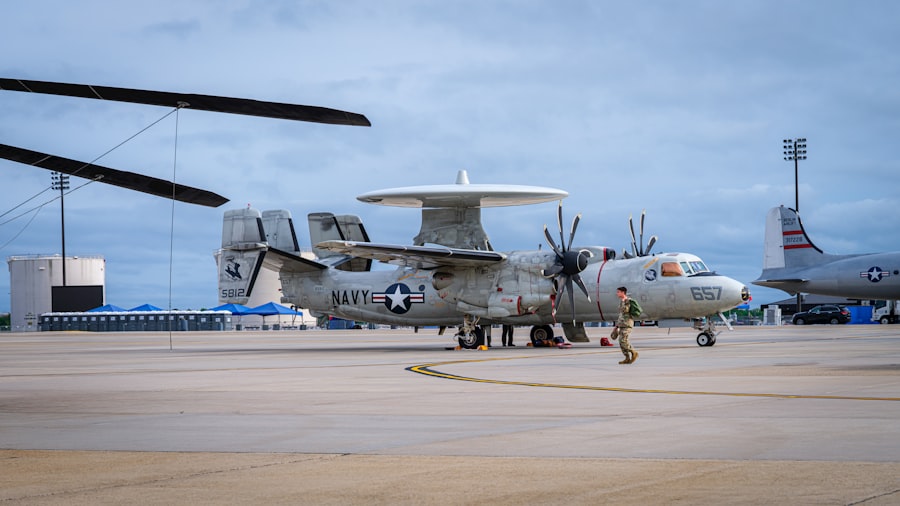
The backbone of the airlift was comprised of a diverse fleet of aircraft, primarily C-47 Skytrains (Dakotas) and larger C-54 Skymasters. These reliable workhorses, originally developed for military transport, proved to be invaluable. The C-54, with its greater payload capacity, became increasingly important as the airlift progressed. Pilots flew these aircraft day and night, in all weather conditions, making thousands of sorties. The dedication of these crews, often operating on minimal sleep and under immense pressure, was the driving force behind the airlift’s success.
The Tonnage of Hope: Feeding and Fueling a City
The amount of supplies delivered by the airlift was astounding. Over the course of its 11-month duration, aircraft landed in Berlin every few minutes, delivering an average of over 4,000 tonnes of supplies per day. This included essential foodstuffs like flour, potatoes, and powdered milk, as well as vital coal for heating and power generation. The economic impact was also significant; the airlift kept West Berlin’s economy from collapsing and demonstrated the Western Allies’ commitment to the city’s survival and independence.
The Constant Rhythm of the Engines
The sound of aircraft engines became the ubiquitous soundtrack of West Berlin. The constant drone overhead was a reassuring reminder that help was on the way. The rhythm of arrivals and departures, the precision of the air traffic control, and the efficient turnaround times of the aircraft created a complex yet effective symphony of aerial logistics. This constant flow was a lifeline, a tangible manifestation of hope that pierced the oppressive silence of the blockade.
The 90-second Berlin Airlift is a fascinating topic that highlights the incredible efforts made to support West Berlin during a critical time in history. For those interested in exploring more about this pivotal event, a related article can provide further insights into the logistics and challenges faced during the airlift. You can read more about it in this detailed overview, which delves into the strategic importance of the operation and its lasting impact on international relations.
The End of the Blockade and the Legacy of the Airlift
| Metrics | Data |
|---|---|
| Duration of Airlift | 90 seconds |
| Location | Berlin |
| Purpose | Symbolic gesture of solidarity |
The relentless efforts of the aircrews and the unwavering resolve of the Western Allies eventually wore down the Soviet Union. The economic and political costs of maintaining the blockade, coupled with the international condemnation it garnered, made its continuation untenable for Stalin. On May 12, 1949, after 322 days, the Soviet Union finally lifted the blockade. The Berlin Airlift had succeeded, not through military might, but through perseverance, ingenuity, and the courage of ordinary people.
A Victory for Freedom and Diplomacy
The lifting of the blockade was a monumental victory for the Western Allies and a clear signal that the Soviet Union’s attempts to bully and intimidate would not succeed. It solidified the commitment of the United States and its allies to West Berlin and demonstrated the effectiveness of a well-coordinated and determined response to aggression. The airlift became a powerful symbol of the Cold War, a testament to the West’s resolve to defend freedom and democracy against communist expansion. It also highlighted the importance of diplomatic solutions and humanitarian efforts in resolving international crises.
The Spirit of Berlin: Resilience and Reconciliation
For the citizens of West Berlin, the airlift was an experience of profound hardship, but also one of immense pride and gratitude. They witnessed firsthand the dedication of the Allied aircrews and the unwavering support of their governments. The shared experience forged a deep bond between the Berliners and the Allied nations. The airlift fostered a spirit of resilience and solidarity that would define the city for decades to come. It also paved the way for reconciliation, as the former enemies demonstrated their capacity for cooperation in the face of shared humanity. The “90 seconds of courage” that defined the airlift were not just about the flight of an airplane; they were about the 90 seconds it took to make a critical decision, the 90 seconds of focused concentration on landing, the 90 seconds of swift unloading, all contributing to a narrative of unwavering commitment to a city facing annihilation. The legacy of the Berlin Airlift continues to resonate today, a powerful reminder of what can be achieved when courage, ingenuity, and a shared commitment to human dignity prevail.

How 90 Seconds Kept 2 Million People Alive
FAQs
What was the 90 second Berlin Airlift?
The 90 second Berlin Airlift refers to the rapid unloading of cargo planes during the Berlin Airlift operation in 1948-1949. It was a crucial part of the effort to supply West Berlin with food, fuel, and other necessities during the Soviet blockade of the city.
Why was the Berlin Airlift necessary?
The Berlin Airlift was necessary because the Soviet Union had blockaded West Berlin in an attempt to force the Western Allies to abandon the city. This left the residents of West Berlin without access to essential supplies, and the airlift was the only way to provide for their needs.
How did the 90 second unloading process work?
During the 90 second unloading process, cargo planes would land at Tempelhof Airport in West Berlin and quickly unload their supplies. Ground crews were trained to efficiently unload the planes within 90 seconds to minimize the time the planes spent on the ground and maximize the number of flights that could be completed each day.
What was the significance of the 90 second Berlin Airlift?
The 90 second Berlin Airlift was significant because it demonstrated the efficiency and determination of the Western Allies to support West Berlin in the face of the Soviet blockade. It also showcased the logistical prowess of the airlift operation in sustaining the city’s population.
How long did the Berlin Airlift last and what was its outcome?
The Berlin Airlift lasted for 11 months, from June 1948 to May 1949. It successfully provided West Berlin with the necessary supplies and forced the Soviet Union to end the blockade, marking a victory for the Western Allies in the early stages of the Cold War.