The Berlin Airlift stands as a monumental testament to human resilience, ingenuity, and the unwavering commitment to freedom. In the aftermath of World War II, a divided Germany and a besieged West Berlin found themselves at the precipice of starvation and political subjugation. The Soviet Union, in an audacious move, blockaded all land and water routes into the Western-controlled sectors of the city, effectively cutting off over two million civilians from essential supplies. What followed was an unprecedented and heroic endeavor: an airborne lifeline that defied the odds and ultimately secured the future of a democratic West Berlin.
The seeds of the Berlin Blockade were sown in the complex geopolitical landscape that emerged from the ashes of World War II. The Allied victory had led to the division of Germany, and subsequently its capital, Berlin, into four occupation zones. The United States, Great Britain, and France controlled the western sectors, while the Soviet Union administered the east. Berlin, however, lay deep within the Soviet zone, creating a potent geopolitical anomaly. This arrangement, intended as a temporary measure, quickly became a focal point of escalating tensions between the Western Allies and the Soviet Union.
Post-War Tensions and Ideological Divide
The end of the war did not usher in an era of cooperation, but rather the dawn of the Cold War. The fundamental ideological differences between the capitalist West and the communist East, coupled with mutual suspicion and a scramble for influence, fueled a growing chasm. The Soviet Union, under Joseph Stalin, was determined to assert its dominance in Eastern Europe and viewed the presence of Western powers in Berlin as an unwelcome intrusion.
The Iron Curtain Descends
Winston Churchill’s prescient warning of an “iron curtain” descending across Europe was becoming a stark reality. The Soviet Union began consolidating its control over its occupied territories, installing communist regimes and suppressing dissent. This expansionist agenda was met with increasing alarm by the Western Allies, who feared the domino effect of Soviet influence spreading further into Europe.
Economic Realities and Currency Reform
The economic recovery of Germany was another crucial factor. The Western Allies, aiming to rebuild a stable and democratic Germany, introduced a new currency, the Deutsche Mark, into their occupation zones. This move was seen by the Soviets as a deliberate attempt to solidify the economic division of Germany and undermine their own influence. The Soviets responded by halting all currency exchange in their zone, further exacerbating the economic instability.
The Soviet Calculation: A Gamble for Berlin
The Soviet Union viewed the Western sectors of Berlin as a vulnerable outpost, a thorn in their side within their sphere of influence. Stalin believed that by severing all ground and water access, he could either force the Western Allies to abandon Berlin, thus consolidating Soviet control over the entire city, or at the very least, extract significant concessions regarding Germany’s future. The blockade was intended to be a swift and decisive blow, a demonstration of Soviet power that would cow the West.
Testing Western Resolve
The Soviets were likely testing the resolve of the Western Allies. Would they risk a full-scale military confrontation to maintain their presence in Berlin? The potential for a direct military clash was a terrifying prospect, and the Soviets gambled that the Allies would blink.
Undermining Western Authority
The blockade was also designed to undermine the authority and legitimacy of the Western powers in the eyes of the German population. By portraying the West as incapable of providing for the people of Berlin, the Soviets hoped to foster resentment and perhaps even encourage a shift in allegiance towards the East.
The Berlin Airlift, a pivotal event during the Cold War, relied heavily on transport aircraft to deliver essential supplies to West Berlin amidst a Soviet blockade. For those interested in exploring the intricacies of this operation and the aircraft involved, a related article can be found at this link. This article provides an in-depth analysis of the various aircraft used during the airlift and their impact on the success of the mission.
The Unforeseen Response: Operation Vittles Takes Flight
The initial Soviet blockade, which commenced on June 24, 1948, plunged West Berlin into a state of crisis. The city’s population, already grappling with the aftermath of war, faced the grim prospect of starvation, a lack of fuel for heat and electricity, and a collapsing infrastructure. The Western Allies, however, refused to be deterred. Instead of abandoning Berlin, they initiated one of the most extraordinary logistical feats in history: the Berlin Airlift, codenamed “Operation Vittles” by the Americans and “Operation Plainfare” by the British.
The American Initiative: A Swift and Decisive Plan
General Lucius D. Clay, the American Military Governor of Germany, was a pivotal figure in advocating for an airlift. Despite initial skepticism from some military planners, Clay recognized the moral and strategic imperative of supplying West Berlin. He famously declared, “We are going to stay, period.” The United States, with its vast air transport capabilities, quickly began mobilizing its resources.
The Role of the U.S. Air Force
The U.S. Air Force, working in conjunction with the U.S. Army Air Forces, became the primary operator of the airlift. They repurposed existing transport aircraft, such as the C-47 Skytrain and the C-54 Skymaster, and rapidly expanded their fleet. The sheer scale of the operation required immense coordination and meticulous planning.
Initial Doubts and Growing Confidence
There were significant doubts about the feasibility of supplying an entire city by air. Critics argued that the volume of supplies required was simply too great to be transported by aircraft alone. However, as the airlift progressed and aircraft made increasingly frequent flights, the initial doubts began to dissipate, replaced by a growing sense of optimism.
The British Contribution: A Vital Partnership
The British Royal Air Force played an equally crucial role in the success of the Berlin Airlift. Their involvement was indispensable, providing a significant portion of the aircraft and personnel needed to sustain the operation. The partnership between the American and British forces was a symbol of transatlantic solidarity.
RAF’s Expertise in Air Transport
The RAF brought its own expertise in air transport and logistics to the table. They deployed their own fleet of transport aircraft and worked seamlessly with their American counterparts, sharing resources and knowledge to overcome the immense challenges.
The “Silver Dart” and the “Raisin Bombers”
British aircraft, particularly the Handley Page Hastings and the Avro York, became familiar sights over Berlin. The smaller Dakotas (C-47s) were affectionately nicknamed “Rosinenbomber” (raisin bombers) by Berliners due to the tiny parachutes of candy dropped to delighted children, a symbol of the goodwill and support the airlift represented.
The Scale of the Operation: A Symphony of Airplanes and Logistics
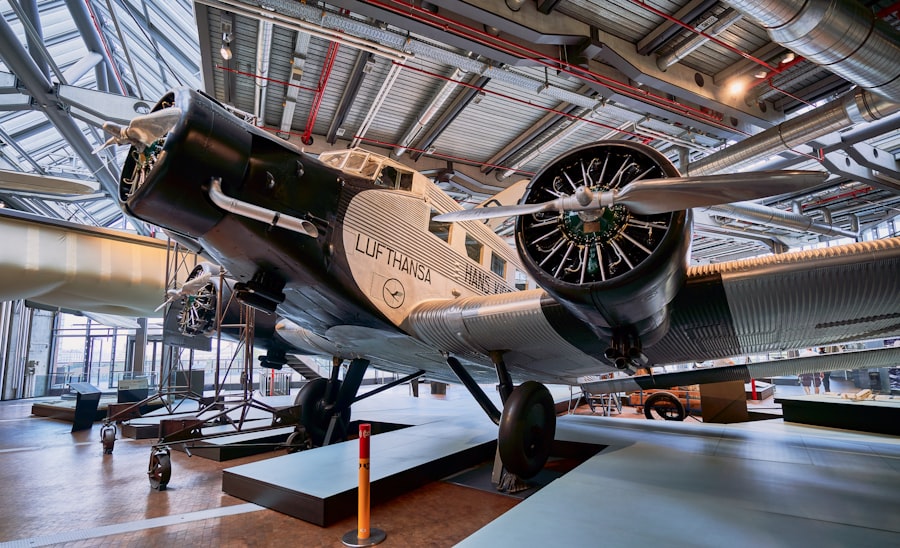
The Berlin Airlift was not merely a matter of flying planes; it was a complex ballet of logistics, coordination, and sheer human endurance. The operation demanded a level of precision and efficiency rarely seen before, transforming the skies over Germany into a constant stream of airborne relief.
The Aircraft: Workhorses of the Sky
A diverse array of transport aircraft was employed in the airlift, each playing a vital role. The workhorses of the operation were the C-47 Skytrain and the larger C-54 Skymaster. The C-54, with its greater cargo capacity, became increasingly important as the airlift progressed.
C-47 Skytrain: The Reliable Veteran
The C-47, a veteran of World War II, proved to be an exceptionally reliable aircraft for the early stages of the airlift. Its versatility and robust design allowed it to operate under demanding conditions, making numerous flights daily.
C-54 Skymaster: The Heavy Lifter
The C-54, a four-engine heavy transport aircraft, was the backbone of the airlift in its later stages. Its significantly larger payload capacity enabled the transport of bulkier and heavier goods, crucial for sustaining the city’s needs.
The Logistics: Feeding a City from the Air
Supplying a city of over two million people solely by air was a monumental task. Every pound of cargo was meticulously planned and accounted for. The types of goods transported ranged from vital foodstuffs and medical supplies to coal for heating and electricity generation.
Food and Sustenance: The Core Mission
The most critical cargo was food. Flour, potatoes, milk powder, and other essential provisions were flown in daily to prevent widespread famine. The sight of these planes was a beacon of hope for the beleaguered citizens of West Berlin.
Fuel for Life: Coal and Power
Coal for heating homes and powering electricity plants was another paramount requirement. The airlift had to ensure that the city’s essential services remained operational, preventing a complete collapse of infrastructure.
Medical Supplies and Essential Goods
Beyond food and fuel, the airlift also carried crucial medical supplies, spare parts for industry, and other essential goods that kept the city functioning. The needs of the population were diverse, and the airlift strove to meet them all.
The Flight Paths and Airports: Orchestrating the Skyways
Three air corridors were established by the Allies, providing the sole access routes for aircraft into West Berlin. These corridors, a legacy of post-war agreements, were strictly controlled, and any deviation could have led to dangerous confrontations with Soviet aircraft.
Tempelhof, Gatow, and Tegel: The Lifeline Airports
The primary airfields used for the airlift were Tempelhof in the American sector, Gatow in the British sector, and later Tegel, which was rapidly constructed by the Americans to handle the increased traffic. These airports became symbols of the airlift’s success.
The “Round-the-Clock” Operation: A Constant Flow
The airlift operated on a 24/7 basis, with aircraft landing and taking off at incredibly short intervals. At the peak of the operation, a plane landed in Berlin every minute. This relentless schedule placed immense strain on the pilots, ground crews, and air traffic controllers.
The Human Element: Pilots, Ground Crews, and the People of Berlin

The success of the Berlin Airlift was not solely a triumph of machines and logistics; it was a profound human endeavor, driven by the courage and dedication of countless individuals and the unwavering spirit of the Berliners themselves.
The Pilots: Navigating Danger and Fatigue
The pilots of the airlift faced immense challenges. They flew in all weather conditions, often through fog and icy conditions, navigating the narrow air corridors with pinpoint accuracy. The constant flights, often exceeding 12 hours a day, took a significant toll on their physical and mental endurance.
The Courage of the Airmen
These men and women, many of whom were veterans of World War II, demonstrated extraordinary courage and professionalism. They understood the immense responsibility they carried and the lives that depended on their safe and timely deliveries.
The Art of Precision Flying
Flying into Berlin required exceptional skill and precision. The limited air corridors meant that planes had to maintain strict altitude and speed controls, often with minimal visibility. The pilots were the eyes and hands of the lifeline.
The Ground Crews: The Unsung Heroes
While the pilots were in the air, the ground crews at the airfields worked tirelessly to ensure the swift turnaround of aircraft. They were responsible for unloading cargo, refueling planes, and preparing them for their next flight, often under immense time pressure.
Rapid Turnaround: Maximizing Efficiency
The efficiency of the ground crews was crucial for maintaining the high tempo of the airlift. They developed innovative methods for quickly unloading and reloading aircraft, minimizing downtime and maximizing the number of flights.
Maintenance and Repair: Keeping the Fleet Flying
Maintaining a vast fleet of aging aircraft in constant operation was a formidable task. Mechanics worked around the clock to keep the planes airworthy, performing repairs and necessary maintenance under challenging conditions.
The People of Berlin: Resilience and Gratitude
The citizens of West Berlin endured immense hardship during the blockade, but their resilience and unwavering support for the airlift were instrumental to its success. They understood the sacrifices being made on their behalf and offered their gratitude and encouragement to the Allied personnel.
Enduring Hardship with Dignity
Berliners faced rationing, power outages, and the constant fear of the Soviet Union’s intentions. Yet, they maintained a remarkable spirit, demonstrating immense fortitude and a deep commitment to their freedom.
The “Candy Bombers” and a Symbol of Hope
The small acts of kindness, like the candy dropped by pilots, had a profound impact. They transformed the impersonal act of supply delivery into a deeply personal connection, fostering a bond of trust and gratitude between the Allies and the Berliners.
The Berlin Airlift was a remarkable operation that showcased the capabilities of transport aircraft during a critical period in history. For those interested in exploring the intricacies of air logistics and the impact of these aircraft on military strategy, a related article can be found at In the War Room. This resource delves into the various aircraft used during the airlift and their significance in overcoming the challenges posed by the Soviet blockade.
The End of the Blockade: A Victory for Freedom and Diplomacy
| Aircraft Model | Manufacturer | Maximum Payload | Range |
|---|---|---|---|
| C-47 Skytrain | Douglas Aircraft Company | 6,000 lbs | 1,600 miles |
| C-54 Skymaster | Douglas Aircraft Company | 28,000 lbs | 4,000 miles |
| C-82 Packet | Fairchild Aircraft | 9,000 lbs | 1,200 miles |
After 11 months of relentless effort, the Berlin Blockade finally ended. The Soviet Union, realizing the futility of their blockade and facing growing international condemnation, relented. The Berlin Airlift had not only saved the city from starvation but had also delivered a significant blow to Soviet ambitions and solidified the resolve of the Western Allies.
The Soviet Concession: A Failed Gamble
The blockade proved to be a strategic miscalculation for the Soviet Union. The Western Allies’ unwavering commitment and the sheer success of the airlift demonstrated the strength of their resolve and the inadequacy of the Soviet Union’s leverage. The international community widely condemned the blockade, further isolating the Soviet Union.
The Cost of Failure
The Soviets had invested significant political capital in the blockade, and its failure was a public humiliation. It highlighted the limitations of their power and their inability to dictate terms to the Western Allies through coercion.
A Shift in Soviet Strategy
While the blockade ended, the underlying tensions of the Cold War persisted. The experience of the airlift likely influenced Soviet strategy, leading them to pursue different, though no less determined, methods of asserting their influence.
The Lasting Impact: A Symbol of Hope and Defiance
The Berlin Airlift left an indelible mark on history. It became a powerful symbol of the West’s commitment to freedom and democracy and a testament to the power of international cooperation in the face of aggression. The airlift also cemented the strategic importance of West Berlin within the Cold War landscape.
The Birth of NATO: A Collective Defense
The Berlin Blockade was a catalyst for the formation of the North Atlantic Treaty Organization (NATO). The shared experience of the airlift underscored the need for a collective security alliance among Western nations to counter Soviet expansionism.
A Legacy of Courage and Determination
The stories of the pilots, the ground crews, and the resilient people of Berlin continue to inspire. The Berlin Airlift stands as a powerful reminder that even in the darkest of times, human ingenuity, courage, and a commitment to shared values can overcome seemingly insurmountable obstacles. It was a time when hope was transported on the wings of airplanes, a constant, reassuring hum that whispered of freedom, sustenance, and a future unburdened by tyranny.

How 90 Seconds Kept 2 Million People Alive
FAQs
What was the Berlin Airlift transport aircraft?
The Berlin Airlift transport aircraft refers to the fleet of planes used to transport supplies to West Berlin during the Soviet blockade of the city from 1948 to 1949.
How many aircraft were involved in the Berlin Airlift?
At the peak of the Berlin Airlift, there were over 200,000 flights made by a fleet of around 300 transport aircraft, including C-47s, C-54s, and C-82s.
What role did the Berlin Airlift transport aircraft play in history?
The Berlin Airlift transport aircraft played a crucial role in providing essential supplies such as food, fuel, and medicine to the citizens of West Berlin, effectively thwarting the Soviet blockade and demonstrating the resolve of the Western Allies during the early stages of the Cold War.
Which countries were involved in the Berlin Airlift transport aircraft operation?
The Berlin Airlift transport aircraft operation was primarily carried out by the United States, the United Kingdom, France, Canada, Australia, New Zealand, and South Africa, with each country contributing aircraft and personnel to the effort.
What was the significance of the Berlin Airlift transport aircraft operation?
The Berlin Airlift transport aircraft operation was significant as it demonstrated the determination of the Western Allies to support West Berlin and uphold the principles of democracy and freedom in the face of Soviet aggression. It also marked a turning point in the early stages of the Cold War.