The Berlin Airlift stands as a monumental testament to human ingenuity, resilience, and the unwavering resolve to stand against oppression. In the aftermath of World War II, the defeated Germany, and specifically its capital Berlin, became a focal point of Cold War tensions. The Soviet Union, occupying one of the four sectors of the city, sought to consolidate its influence and ultimately force the Western Allies out. Their strategic move, the blockade of West Berlin, intended to starve the city into submission, instead catalyzed an unprecedented humanitarian and logistical undertaking that would redefine the limits of aerial transport and solidify the resolve of the free world. This is the story of the Berlin Airlift, its intricate operational history, and its profound, lasting impact.
The end of World War II brought with it a fragile peace and the complex task of rebuilding a shattered continent. Germany, defeated and devastated, was divided into four occupation zones, administered by the United States, Great Britain, France, and the Soviet Union. Berlin, situated deep within the Soviet zone, was also divided into four sectors. This arrangement, intended as a temporary measure, quickly became a source of friction. The ideological chasm between the Soviet Union and the Western Allies widened, leading to escalating distrust and competition for influence.
The Potsdam Conference and Divergent Visions
The Potsdam Conference in July 1945, intended to finalize post-war arrangements, highlighted the growing divisions. While agreements were reached on issues like denazification and demilitarization, fundamental disagreements emerged regarding the economic and political future of Germany. The Soviet Union, having suffered immense losses, sought reparations and a weakened Germany. The Western Allies, on the other hand, envisioned a stable and economically viable Germany that could act as a bulwark against Soviet expansion. These divergent visions laid the groundwork for future confrontation.
Growing Tensions in Berlin
Berlin, a microcosm of the larger German question, became an increasingly contentious battleground. The Soviet Union, adhering to its communist ideology, began to implement its policies in its sector, while the Western Allies worked to establish democratic institutions and market economies in theirs. Disagreements over currency reform, reparations, and the administration of the city escalated. The Soviets viewed any move towards a unified, Western-oriented Germany with deep suspicion, seeing it as a threat to their security and sphere of influence.
The Currency Reform and the Spark of the Blockade
The breaking point came in June 1948 with the introduction of the Deutsche Mark in the Western zones of Germany and West Berlin, a move designed to stabilize the economy. The Soviet Union viewed this as a unilateral action that undermined their control and effectively divided Germany further. In response, on June 24, 1948, the Soviet Union severed all rail, road, and canal access to West Berlin, plunging the city into an unprecedented crisis. Their objective was clear: to starve the approximately 2.5 million inhabitants of West Berlin into submission and force the Western Allies to abandon the city.
The Berlin Airlift, a pivotal operation during the Cold War, showcased the determination of the Western Allies to support West Berlin amidst a Soviet blockade. For a deeper understanding of the operational history and strategic significance of this remarkable airlift, you can explore a related article that delves into the challenges faced by the Allied forces and the impact of their efforts on international relations. To read more, visit this article.
Operation Vittles: The Genesis of the Airlift
The Soviet blockade presented the Western Allies with a stark choice: retreat from Berlin, ceding the city to Soviet control, or find a way to resupply it. The latter option seemed logistically impossible given the scale of the need and the limited resources available. However, the commitment to the freedom of West Berlin was unwavering. Thus, an audacious and unprecedented operation was born: the Berlin Airlift, codenamed “Operation Vittles” by the Americans and “Operation Plainfare” by the British.
The Impossibility of the Task: Initial Assessments
The initial assessments of the airlift’s feasibility were grim. West Berlin required thousands of tons of food, fuel, medicine, and other essential supplies daily to survive. The pre-war population relied heavily on overland routes for these necessities. The idea of supplying such a large urban population solely by air seemed an insurmountable challenge. Skeptics predicted the airlift would fail within weeks, succumbing to logistical nightmares and Soviet interference.
The Allied Response: A Unified Front
Despite the daunting challenges, the Allied powers, primarily the United States and Great Britain, decided to meet the Soviet challenge head-on. This decision was not merely about logistics; it was a profound statement of political will and a commitment to the principles of freedom and self-determination. The airlift became a symbol of Western resolve and a critical early victory in the Cold War.
Establishing the Air Corridors
Crucially, prior agreements from the post-war conferences had established three air corridors, one each for the US, British, and French air forces, connecting West Berlin to Allied-controlled airfields in West Germany. These corridors, initially intended for general transit, became the lifeline for the besieged city. The Soviets had the option of violating these corridors, but doing so would have been a direct act of aggression and potentially a casus belli.
The Race Against Time
The clock was ticking. The stockpiles of food and coal in West Berlin dwindled rapidly. The urgency of the situation spurred an immediate mobilization of resources and personnel. Every available aircraft, from large cargo planes to smaller transport aircraft, was pressed into service. Pilots, aircrews, ground crews, and air traffic controllers worked around the clock, fueled by determination and a shared sense of purpose.
The Logistics of Liberty: Executing the Airlift

The success of the Berlin Airlift was a triumph of logistical planning and execution on an unparalleled scale. It required the coordination of thousands of individuals, the utilization of vast fleets of aircraft, and the development of innovative solutions to overcome immense challenges. The daily rhythm of the airlift became the pulse of West Berlin’s survival.
Aircraft and Their Roles
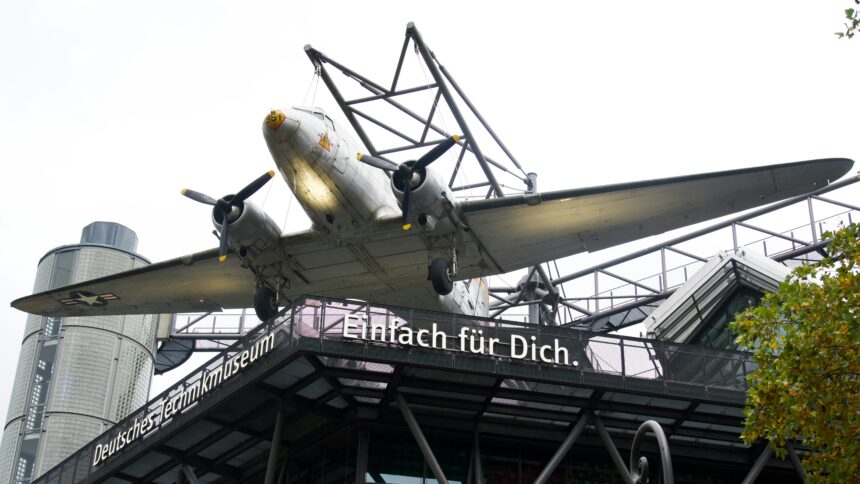
The backbone of the airlift was formed by the United States Air Force’s C-47 Skytrain (known as the Dakota to the British) and the larger C-54 Skymaster. These workhorses, capable of carrying significant payloads, ferried the bulk of the supplies. The British Royal Air Force (RAF) utilized their Dakotas and Handley Page Hastings aircraft. As the airlift progressed, larger aircraft like the C-97 Stratofreighter and the C-124 Globemaster II were introduced, further increasing carrying capacity.
The “Rosinenbomber” and the Human Touch
One of the most iconic aspects of the airlift was the “Rosinenbomber” (raisin bomber) initiative, spearheaded by American pilot Gail Halvorsen. Witnessing the joy of children gathered at the airfield, Halvorsen began dropping candy and small gifts tied to handkerchief parachutes. This act of compassion quickly caught on, with other pilots and ground crews contributing. The “Rosinenbomber” became a powerful symbol of the airlift’s humanitarian dimension, boosting morale for both the Berliners and the aircrews.
The Turnaround Time: Efficiency as a Weapon
Minimizing turnaround time at both ends of the flights was paramount. At the airfields in West Germany, aircraft were refueled, reloaded, and dispatched with incredible speed. In Berlin, at Tempelhof, Gatow, and the newly constructed Tegel Airport, ground crews worked tirelessly to unload cargo and prepare the aircraft for their return journeys. This relentless efficiency was crucial for maintaining the flow of supplies.
Fueling the City: The Coal Conundrum
One of the most critical supplies was coal for heating and power generation. Delivering enough coal by air was a significant challenge. The C-54s and other heavy transport aircraft were often loaded with sacks of coal, a task that required immense physical effort from the ground crews. The success of the airlift was inextricably linked to the ability to keep the power plants running and the homes heated during the harsh winter months.
The Constant Threat: Soviet Interference
While the Soviets generally avoided direct military confrontation within the air corridors, they did employ tactics to harass the airlift. These included flying close to Allied aircraft, buzzing airfields, and shining searchlights to disorient pilots. However, the determination of the Allied aircrews and air traffic controllers to maintain professionalism and adhere to flight plans prevented any major incidents.
The Scale of Operation: Numbers and Records
The Berlin Airlift was an operation of staggering proportions, setting records and pushing the boundaries of aerial logistics. The sheer volume of resources moved and the dedication of the personnel involved are a testament to the effectiveness of human organization and determination.
Miles Flown and Tonnes Delivered
During the 11-month blockade, Allied aircraft flew over 278,000 missions, covering an astonishing 70 million miles. The total tonnage of supplies delivered was over 2.3 million tonnes. This included everything from food and coal to medicines, machinery, and even consumer goods. The daily average tonnage delivered by the end of the airlift was over 7,000 tonnes.
The Airfields of Hope
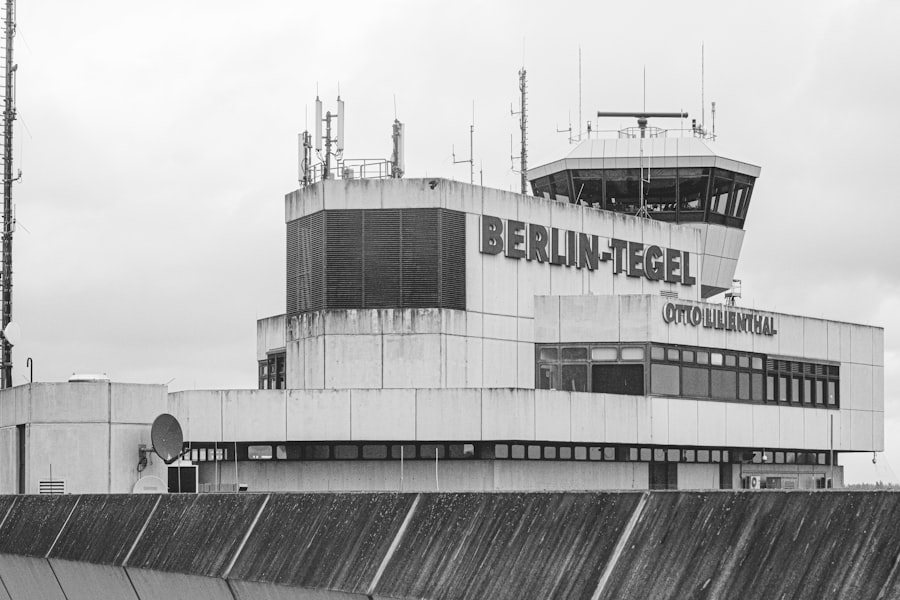
Tempelhof Airport in the American sector was the primary hub, handling the majority of the landings and takeoffs. Gatow Airport, in the British sector, also played a vital role. The construction of Tegel Airport, a monumental feat of engineering initiated by the French and completed with American assistance, began in August 1948 and was operational by November, significantly increasing the airlift’s capacity.
The Human Cost and Effort
While the airlift was remarkably successful in terms of its operational output, it was not without its human cost. Pilots and aircrews faced immense pressure and fatigue. Tragically, 31 Allied airmen lost their lives during the operation due to accidents. The dedication of thousands of ground personnel, air traffic controllers, and support staff was equally critical to the airlift’s success.
The Berlin Airlift remains a significant event in the operational history of Cold War military logistics, showcasing the determination and ingenuity of Allied forces in overcoming the Soviet blockade. For those interested in exploring this topic further, a related article can be found at In the War Room, which delves into the strategic challenges and triumphs experienced during this critical period. Understanding the complexities of the airlift not only highlights the importance of air power but also illustrates the broader geopolitical tensions of the era.
The End of the Blockade and its Immediate Aftermath
| Year | Duration | Flights | Tonnage |
|---|---|---|---|
| 1948 | 11 months | 277,569 | 2.3 million |
| 1949 | 1 month | 92,841 | 893,000 |
The Soviet blockade, intended to break the Western Allies’ will, proved to be a strategic miscalculation. The resilience and ingenuity of the airlift demonstrated that West Berlin was not isolated and that the Western powers were committed to its defense. On May 12, 1949, after 322 days, the Soviet Union lifted the blockade.
Soviet Recognition of Failure
The blockade had failed to achieve its primary objective. Instead, it had galvanized Western public opinion, strengthened the resolve of the West Berliners, and enhanced the global standing of the United States and its allies. The economic strain on the Soviet Union and its allies, who were forced to maintain checkpoints and divert resources, also played a role in the decision to lift the blockade.
The Triumphant Return of Land Routes
With the lifting of the blockade, the vital land and water routes to West Berlin were reopened. The city breathed a collective sigh of relief as normal life began to return. The sight of trucks and trains once again arriving with supplies was a powerful symbol of the city’s liberation from the Soviet stranglehold.
West Berlin’s Renewed Sense of Independence
The airlift instilled a profound sense of independence and resilience in the people of West Berlin. They had endured hardship and uncertainty but had emerged stronger. The experience fostered a deep bond between the West Berliners and the Allied forces, who were seen not as occupiers but as protectors and liberators.
The Enduring Legacy of the Berlin Airlift
The Berlin Airlift transcended its immediate purpose as a humanitarian and logistical operation. It became a defining moment of the Cold War, shaping international relations, solidifying alliances, and leaving an indelible mark on history. Its impact continues to resonate today.
A Victory for Freedom and Democracy
The airlift was a decisive moral and political victory for the Western powers. It demonstrated their commitment to defending democratic values against Soviet aggression and prevented the Soviet Union from expanding its influence into West Berlin. It signaled that the West would not be intimidated and would stand firm against the spread of communism.
The Formation of NATO and the Division of Germany
The crisis of the blockade served as a powerful catalyst for the formalization of Western military cooperation. In April 1949, the North Atlantic Treaty Organization (NATO) was established, creating a collective security alliance to counter the perceived threat of Soviet expansionism. The ongoing division of Germany, solidified by the differing paths taken by East and West, became a stark symbol of the Iron Curtain that separated Europe for decades.
A Masterclass in Logistics and Humanitarian Aid
The Berlin Airlift remains a seminal case study in large-scale logistical planning and execution. It demonstrated the power of air transport to overcome seemingly insurmountable obstacles and set new standards for humanitarian aid in crisis situations. The lessons learned continue to inform disaster relief and military logistics worldwide.
The Symbol of Resilience and Hope
For the people of Berlin, the airlift is a enduring symbol of their resilience, courage, and their unwavering desire for freedom. The “Luftbrücke” (air bridge) is remembered with deep gratitude and serves as a constant reminder of the sacrifices made to ensure their liberty. It stands as a beacon of hope, proving that even in the face of overwhelming odds, the human spirit can prevail. The Berlin Airlift was more than just an operation; it was a profound affirmation of the values that underpin a free society.

How 90 Seconds Kept 2 Million People Alive
FAQs
What was the Berlin Airlift?
The Berlin Airlift was a massive operation conducted by the Western Allies to supply West Berlin with food, fuel, and other necessities after the Soviet Union blockaded the city in 1948.
When did the Berlin Airlift take place?
The Berlin Airlift took place from June 24, 1948 to May 12, 1949, lasting for a total of 11 months.
Which countries participated in the Berlin Airlift?
The United States, United Kingdom, France, Canada, Australia, New Zealand, and South Africa all participated in the Berlin Airlift, providing vital supplies to West Berlin.
How many flights were conducted during the Berlin Airlift?
Over 277,000 flights were conducted during the Berlin Airlift, delivering approximately 2.3 million tons of supplies to West Berlin.
What was the outcome of the Berlin Airlift?
The Berlin Airlift successfully thwarted the Soviet blockade and ensured that West Berlin remained supplied with essential goods. It also highlighted the resolve of the Western Allies in the face of Soviet aggression during the early years of the Cold War.