The efficacy of modern air power is inextricably linked to the quality and application of military intelligence. In the complex, multi-domain battlespaces of the 21st century, aircraft, from nimble drones to formidable bombers, operate in an environment saturated with information and misinformation. Without a deep understanding of the adversary, the terrain, and the wider operational context, even the most advanced aerial platforms risk becoming ineffective, vulnerable, or even counterproductive. Military intelligence, therefore, is not merely a supporting function but an indispensable force multiplier that elevates air power from a kinetic tool to a strategically decisive instrument. It enables air forces to achieve their objectives with greater precision, reduced risk, and enhanced overall impact, transforming potential air superiority into tangible battlefield dominance. This article will explore the multifaceted ways in which military intelligence underpins and maximizes the potential of air power, delving into its critical roles across planning, execution, and post-operation phases.
Military intelligence plays a crucial role in enhancing air power capabilities, as it provides essential information that informs strategic decision-making and operational planning. For a deeper understanding of the intersection between military intelligence and air power, you can explore the article available at this link, which discusses how effective intelligence gathering and analysis can significantly improve the effectiveness of air operations in modern warfare.
The Foundation of Air Superiority: Intelligence Gathering and Analysis
Achieving and maintaining air superiority is the bedrock upon which successful air operations are built. Military intelligence plays a foundational role in this endeavor, providing the critical insights necessary to understand the enemy’s air capabilities, intentions, and vulnerabilities. This encompasses a broad spectrum of intelligence disciplines, each contributing to a comprehensive picture of the aerial battlespace.
Understanding the Adversary’s Air Assets
A thorough understanding of an adversary’s air order of battle (ORBAT) is paramount. This involves identifying and cataloging all airborne assets, including fighter jets, bombers, reconnaissance aircraft, electronic warfare platforms, and helicopters.
Order of Battle (ORBAT) Assessment
- Aircraft Identification and Classification: Intelligence efforts focus on identifying specific aircraft types, their capabilities (speed, range, payload, avionics), and their operational roles. This includes distinguishing between legacy and modern platforms, and assessing their technological sophistication.
- Weapon System Characterization: Understanding the types of ordnance, missiles, and other weapon systems available to enemy aircraft is crucial for effective threat assessment and the development of countermeasures. This includes understanding guidance systems, range, and destructive potential.
- Aircraft Performance Profiles: Intelligence analysts work to determine the operational envelopes of enemy aircraft, including their maximum altitudes, speeds, and maneuverability. This information is vital for air-to-air combat and for planning ingress and egress routes.
Threat Assessment and Prioritization
- Identifying High-Value Targets (HVTs): Intelligence must identify and prioritize enemy air assets that pose the greatest threat to friendly forces or are critical to the enemy’s ability to project air power. This could include advanced fighter squadrons, electronic warfare jamming aircraft, or strategic bomber wings.
- Assessing Adversary Doctrine and Tactics: Understanding how an adversary employs their air assets is as important as knowing what those assets are. Intelligence gathers information on their preferred engagement tactics, formation flying, and air defense integration.
- Predicting Future Capabilities: Intelligence also looks beyond current capabilities, seeking to understand the adversary’s development plans, procurement strategies, and potential for technological surprise.
Mapping the Air Defense Network
The effectiveness of an air force is significantly hampered by a robust and integrated air defense system. Military intelligence plays a crucial role in dissecting these complex networks, revealing their strengths, weaknesses, and operational patterns.
Ground-Based Air Defense Systems (GBADS)
- Identification of Radar Systems: Intelligence identifies the types, locations, and operating frequencies of all enemy radar systems, including long-range surveillance, search, and fire-control radars. This is critical for electronic warfare operations and for planning strike missions.
- Surface-to-Air Missile (SAM) Batteries: Locating and characterizing SAM sites, including their missile types, ranges, and launch capabilities, is a top priority. This includes understanding the command and control structures that link these batteries.
- Anti-Aircraft Artillery (AAA): While less sophisticated, AAA can still pose a threat at lower altitudes. Intelligence efforts track the deployment and operational readiness of these systems.
Integrated Air Defense Systems (IADS)
- Command and Control (C2) Nodes: Identifying and understanding the enemy’s IADS C2 structure is vital for decapitating their air defense network. Disrupting or destroying these nodes can blind and paralyze the entire system.
- Communications Networks: Intelligence seeks to map the communication pathways used by air defense units, enabling electronic warfare efforts to disrupt or intercept these vital links.
- Interoperability and Redundancy: Assessing how different components of the air defense network are integrated and the level of redundancy in their systems helps in developing effective penetration strategies.
Human Intelligence (HUMINT) and Signals Intelligence (SIGINT) Contributions
While technical intelligence gathering is vital, human and signals intelligence provide unique and often indispensable insights.
Human Intelligence (HUMINT)
- Insider Information: Agents within enemy air forces or defense industries can provide invaluable, real-time information on operational plans, equipment malfunctions, morale, and personnel changes.
- Debriefings of Captured Personnel: Interrogating captured enemy pilots or air defense personnel can yield critical tactical and operational intelligence.
- Open-Source Intelligence (OSINT): Publicly available information, such as aviation forums, news reports, and academic publications, can sometimes reveal surprising details about an adversary’s capabilities or intentions.
Signals Intelligence (SIGINT)
- Electronic Intelligence (ELINT): Monitoring enemy radar emissions, communications signals, and other electronic transmissions provides valuable data on their systems, operational patterns, and locations.
- Communications Intelligence (COMINT): Intercepting and deciphering enemy communications allows for the understanding of their command and control, operational directives, and even their intentions.
- Electronic Warfare (EW) Support: SIGINT directly supports EW operations by identifying enemy electronic emitters, allowing for the development of jamming and deception tactics.
Intelligence-Driven Air Campaign Planning

The strategic and tactical success of any air campaign hinges on meticulous planning, and military intelligence is the bedrock of this process. It shapes objectives, allocates resources, and minimizes risks, ensuring that air power is employed effectively and efficiently.
Defining Realistic Objectives
Intelligence informs the very definition of achievable objectives for air operations. It prevents the setting of unattainable goals and ensures that air power is aligned with broader strategic imperatives.
Mission Feasibility Assessment
- Threat Analysis and Risk Mitigation: By understanding enemy capabilities and defenses, intelligence helps to assess the risks associated with specific mission profiles. This allows for the development of strategies to mitigate these risks, such as route planning to avoid known threats or the use of specialized electronic warfare aircraft.
- Resource Allocation Optimization: Intelligence data on enemy vulnerabilities and the availability of friendly assets allows for the optimal allocation of air assets to achieve the most impactful results. This avoids wasting precious resources on low-priority targets or ineffectively defended areas.
- Identifying Target Sets: Intelligence analysts identify and characterize potential targets, classifying them based on their military significance, vulnerability, and potential for collateral damage. This ensures that air strikes are directed at targets that will have the greatest impact on the enemy’s ability to wage war.
Setting Achievable Goals
- Aligning Air Power with Strategic Objectives: Intelligence ensures that air campaign objectives are directly supportive of overarching national or military strategies. This prevents air power from becoming a standalone effort divorced from broader geopolitical goals.
- Measuring Success: Intelligence provides the metrics and baseline data necessary to assess the success of air operations. This allows for adaptive planning and ensures that lessons learned are incorporated into future operations.
- Avoiding Over-Extension: Intelligence helps to prevent the over-extension of air assets by providing a clear picture of operational constraints and enemy capacity, ensuring that friendly forces are not committed beyond their sustainable limits.
Developing Sophisticated Targeting Strategies
Effective targeting is the essence of air power. Military intelligence guides the identification, prioritization, and exploitation of targets, ensuring maximum impact with minimal unintended consequences.
Target Identification and Validation
- All-Source Intelligence Fusion: The fusion of data from various intelligence sources (imagery, SIGINT, HUMINT, open-source) is critical for accurately identifying and validating targets. This cross-referencing ensures that what is identified as a target is indeed a valid military objective.
- Target Characterization: Beyond mere location, intelligence provides detailed information about a target’s composition, function, vulnerability, and importance to the enemy’s war-fighting capability.
- Dynamic Targeting: In fluid battlefields, targets can change rapidly. Intelligence systems must be agile enough to identify and track evolving targets, enabling responsive strike packages.
Strike Planning and Execution Support
- Route Planning and Deconfliction: Intelligence provides crucial information for planning safe and effective ingress and egress routes for aircraft, avoiding known enemy air defense threats and deconflicting with friendly air and ground operations.
- Electronic Warfare Integration: Intelligence identifies enemy electronic vulnerabilities and provides data for the effective employment of electronic warfare capabilities to suppress or deceive enemy air defenses.
- Basing and Logistics Considerations: Intelligence can inform decisions about aircraft basing, refueling points, and logistical support, ensuring that air operations can be sustained over time and distance.
Mitigating Risks and Enhancing Survivability
The deployment of air power inherently involves risk. Military intelligence plays a vital role in identifying and mitigating these risks, enhancing the survivability of aircrews and aircraft.
Threat Assessment and Avoidance
- Real-time Threat Updates: Intelligence provides continuous updates on the location and activity of enemy air defenses and fighter aircraft, allowing pilots to adjust their routes and tactics in real-time.
- Predictive Threat Analysis: By analyzing patterns of enemy activity, intelligence can predict where and when threats are likely to emerge, enabling proactive avoidance measures.
- Deception and Deception Countermeasures: Intelligence helps in understanding enemy deception tactics and developing effective countermeasures, as well as in planning friendly deception operations to mislead the adversary.
Electronic Warfare (EW) and Cyber Integration
- Identifying Electronic Vulnerabilities: Intelligence precisely identifies enemy electronic emissions, radar frequencies, and communication systems that can be exploited by EW assets.
- Cyber Warfare Support: Intelligence on enemy networks and digital infrastructure enables cyber warfare operations to disrupt or disable enemy command and control systems, air defense networks, and intelligence-gathering capabilities.
- Developing Counter-EW Strategies: Understanding the enemy’s EW capabilities allows for the development of strategies to counter their jamming, spoofing, and other electronic attack measures.
Intelligence in the Heat of Battle: Real-Time Support and Adaptation
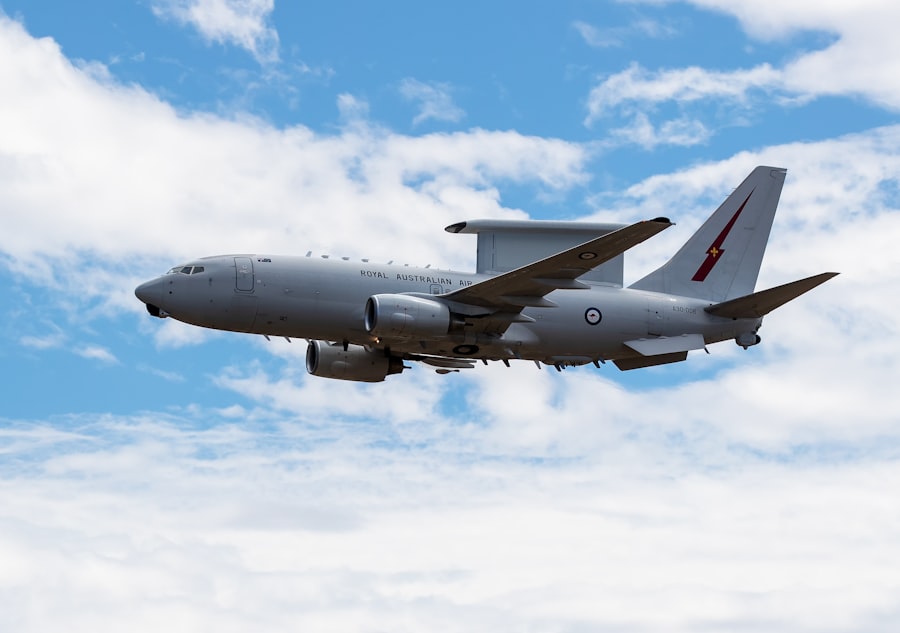
The dynamic nature of air combat demands that intelligence support be immediate, accurate, and adaptive. In the chaotic environment of active operations, real-time intelligence is the difference between mission success and catastrophic failure.
Tactical Intelligence for Aircrews
Providing aircrews with the most current and relevant intelligence directly impacts their decision-making and survivability during missions.
Situational Awareness Enhancement
- Live Tracking of Threats: Real-time data feeds allow pilots to see the location of enemy aircraft, air defense threats, and other relevant tactical information on their cockpit displays, significantly enhancing their situational awareness.
- Threat Warning Systems: Intelligence data feeds into on-board threat warning systems, alerting pilots to imminent dangers and providing evasive maneuver recommendations.
- Friendly Force Tracking: Understanding the location of friendly aircraft, ground forces, and air defense assets is crucial for deconfliction and coordination.
Target of Opportunity Identification
- Dynamic Target Updates: As the battlefield evolves, new targets of opportunity may emerge. Real-time intelligence can quickly identify these targets and relay their coordinates to airborne strike platforms.
- Authorization and Engagement: Intelligence can rapidly assess the validity of a target of opportunity and obtain necessary authorizations for engagement, enabling swift action.
- Collateral Damage Estimation: Real-time intelligence can help in estimating potential collateral damage, allowing for informed decisions about engagement.
Adapting to Evolving Threats and Opportunities
Battlefields are fluid, and intelligence must enable air forces to adapt their plans and tactics in response to changing circumstances.
Real-time Intelligence Fusion and Dissemination
- Network-Centric Operations: Modern intelligence relies on robust communication networks that can rapidly fuse data from multiple sources and disseminate it to relevant users in near real-time.
- Automated Analysis and Alerting: Artificial intelligence and machine learning are increasingly used to automate the analysis of vast amounts of intelligence data, identifying key trends and anomalies and issuing automated alerts.
- Commander’s Intent Synchronization: Intelligence dissemination must be synchronized with the commander’s intent, ensuring that all parties are working towards the same goals with the most current information.
Course of Action Adjustment
- Rapid Re-tasking of Assets: If intelligence reveals a sudden shift in enemy activity or a new high-priority target, air assets can be rapidly re-tasked to respond.
- Dynamic Mission Planning: Mission plans can be dynamically adjusted in flight based on real-time intelligence, allowing for greater flexibility and responsiveness.
- Counter-Tactics Development: As the enemy employs new tactics, intelligence can rapidly analyze these tactics and inform the development of effective countermeasures.
Electronic Warfare and Cyber Operations Integration
The synergistic application of intelligence, EW, and cyber capabilities is crucial for degrading enemy C2 and air defense systems.
Targeting Enemy Electronic Systems
- Real-time Jamming and Deception: Intelligence identifies enemy electronic vulnerabilities, allowing for the precise application of jamming and deception techniques to disrupt their communications and radar systems.
- Electronic Attack Coordination: Coordinated EW efforts, guided by intelligence, can overwhelm enemy electronic defenses, creating windows of opportunity for strike aircraft.
- Cyber-Enabled Disruption: Intelligence on enemy networks can enable cyber operations to disable or degrade critical air defense command and control systems, rendering them ineffective.
Exploiting Adversary Communications
- Interception and Decryption: Intercepting and decrypting enemy communications provides invaluable insights into their plans, intentions, and the operational status of their forces.
- Voice and Data Analysis: Analysis of intercepted communications can reveal critical information about enemy morale, operational challenges, and strategic directives.
- Information Warfare: The manipulation or release of intercepted communications can be used as part of a broader information warfare campaign to sow confusion and distrust within enemy ranks.
Military intelligence plays a crucial role in enhancing air power capabilities, as it provides essential information that informs strategic decisions and operational effectiveness. For a deeper understanding of how these two elements interact, you can explore a related article that delves into the integration of intelligence in aerial operations. This insightful piece can be found at In The War Room, where it discusses the impact of timely intelligence on mission success and the overall effectiveness of air power in modern warfare.
Post-Operation Analysis and Lessons Learned
| Category | Data/Metrics |
|---|---|
| Military Intelligence | Number of intelligence officers |
| Military Intelligence | Intelligence budget allocation |
| Air Power | Number of aircraft in the fleet |
| Air Power | Number of successful air strikes |
The intelligence cycle does not end with the cessation of hostilities. Post-operation analysis is crucial for extracting valuable lessons that will refine future air power employment and intelligence gathering methodologies.
Assessing Mission Effectiveness
A critical component of post-operation analysis is evaluating how well air operations achieved their intended objectives, with intelligence playing a key role in this assessment.
Battle Damage Assessment (BDA)
- Reconnaissance and Imagery Analysis: Post-strike imagery and reconnaissance data are analyzed to determine the extent of damage inflicted on targets, validating the effectiveness of the air strike.
- Intelligence Fusion for Impact Analysis: BDA is not just about physical damage; intelligence fuses all available data to assess the strategic and operational impact of the strike on the enemy’s capabilities and intent.
- Confirmation of Target Neutralization: Intelligence confirms whether targets have been neutralized or if follow-up strikes are necessary.
Evaluating Intelligence Support
- Accuracy and Timeliness: The accuracy and timeliness of intelligence provided to aircrews and planners are critically assessed. Were the intelligence products useful? Did they enable better decision-making?
- Identifying Gaps in Intelligence: Post-operation analysis identifies any gaps in intelligence coverage or understanding that may have led to missed opportunities or increased risks.
- Effectiveness of Dissemination Channels: The effectiveness of intelligence dissemination channels is reviewed, ensuring that information reached the right people at the right time.
Refining Intelligence Methodologies
The insights gained from post-operation analysis are fed back into the intelligence cycle, leading to continuous improvement.
Enhancing Collection Priorities
- Identifying New Threats and Vulnerabilities: Analysis may reveal previously unknown enemy capabilities or vulnerabilities, leading to adjustments in collection priorities for future operations.
- Optimizing Sensor Deployment: Based on the effectiveness of different intelligence collection platforms, their deployment strategies and capabilities may be refined.
- Focusing HUMINT and SIGINT Efforts: Lessons learned can guide the focus of human intelligence and signals intelligence collection efforts towards areas of particular importance.
Improving Analytical Processes
- Developing New Analytical Tools: The need for more sophisticated analysis may lead to the development of new analytical tools and techniques.
- Strengthening Fusion and Integration: Improvements in the fusion and integration of data from diverse sources are often identified as a result of post-operation analysis.
- Training and Skill Development: Identified shortcomings in analytical capabilities can inform training programs to develop the necessary skills and expertise within intelligence organizations.
Informing Future Doctrine and Strategy
The lessons learned from air operations, heavily influenced by intelligence analysis, shape the future of air power doctrine and strategic thinking.
Adapting Air Power Employment Concepts
- Evolving Tactics and Techniques: Intelligence-driven insights can lead to the evolution of air power tactics and techniques, ensuring they remain relevant in the face of evolving threats.
- Integration with Other Domains: The analysis of combined arms operations can highlight the importance of integrating air power with cyber, space, and ground forces, with intelligence serving as the connective tissue.
- Development of New Weapon Systems: The identification of critical needs and vulnerabilities through intelligence analysis can inform the requirements for future air power platforms and weapon systems.
Shaping Strategic Decision-Making
- Informing National Security Policy: Comprehensive intelligence assessments of air power capabilities and their strategic implications contribute to informed national security policy decisions.
- Resource Allocation and Investment: Intelligence analysis helps in justifying resource allocation and investment in air power programs, ensuring that the right capabilities are developed and maintained.
- Diplomatic and Political Engagement: Intelligence can provide critical context for diplomatic and political engagement, informing negotiations and strategic alliances related to air power capabilities and arms control.
In conclusion, military intelligence is not an ancillary component of air power; it is its very lifeblood. From the initial planning stages to the dynamic execution of missions and the critical post-operation analysis, intelligence provides the foundational understanding, strategic direction, and adaptive capabilities necessary to maximize the effectiveness, efficiency, and survivability of air forces. In an era of increasingly complex and interconnected warfare, the synergy between advanced air power platforms and sophisticated military intelligence is paramount to achieving and maintaining dominance in the skies and on the battlefield.

The Intelligence System That Won the Six-Day War Before It Began
FAQs
What is military intelligence?
Military intelligence is the process of gathering, analyzing, and interpreting information about enemy forces, terrain, and other relevant factors to support military operations. It involves collecting and evaluating information from a variety of sources to provide commanders with a clear understanding of the battlefield environment.
How does military intelligence support air power?
Military intelligence plays a crucial role in supporting air power by providing valuable information about enemy air defenses, potential targets, and the overall operational environment. This information allows air forces to plan and execute missions more effectively, minimize risks, and achieve their objectives with greater precision.
What are the key components of military intelligence in relation to air power?
The key components of military intelligence in relation to air power include surveillance and reconnaissance, electronic warfare, imagery analysis, and target intelligence. These components work together to provide air forces with the necessary information to plan and conduct successful operations.
How does technology impact military intelligence and air power?
Advancements in technology, such as unmanned aerial vehicles (UAVs), satellite imagery, and advanced sensors, have significantly enhanced the capabilities of military intelligence and air power. These technological advancements enable more accurate and timely collection of information, as well as improved targeting and precision strike capabilities.
What are the challenges faced by military intelligence and air power?
Challenges faced by military intelligence and air power include the need to adapt to rapidly evolving threats, the vast amount of data to be processed, and the requirement to maintain a technological edge over adversaries. Additionally, the integration of intelligence from various sources and the protection of sensitive information are ongoing challenges for military intelligence and air power.