The Six-Day War, a conflict erupting in June 1967, remains a testament to the pivotal role of swift and decisive military action. While much attention is rightly focused on the strategic brilliance and battlefield maneuvers that characterized this brief yet impactful war, the unsung heroes of air superiority were the dedicated maintenance crews and the meticulous processes that ensured the fleet of aircraft remained operational. In the crucible of a rapidly unfolding conflict, aircraft maintenance transcended its routine function and became a critical component of national defense, directly influencing sortie generation rates, operational tempo, and ultimately, the outcome of the war.
The pre-war period and the initial hours of hostilities saw an unprecedented demand placed upon air forces. Aircraft, often operating under extreme pressure and in challenging environments, required constant attention to maintain their combat effectiveness. This article delves into the multifaceted aspects of aircraft maintenance during the Six-Day War, exploring the strategies, challenges, and innovations that enabled air forces to sustain aerial operations at a critical juncture in history.
The Six Day War, a pivotal conflict in the Middle East, had significant implications not only for geopolitical dynamics but also for military logistics and aircraft maintenance practices. An insightful article that delves into the intricacies of aircraft maintenance during this period can be found at this link. It explores how the rapid deployment and maintenance of aircraft played a crucial role in the success of military operations during the war, highlighting the importance of efficient maintenance protocols in high-stakes environments.
The Pre-War Frenzy: Building the Foundation for Airborne Dominance
The period leading up to the Six-Day War was characterized by an escalating geopolitical climate, forcing air forces to prepare for the inevitable. This preparatory phase was not merely about strategic planning and troop deployment; it was also a critical time for bolstering aircraft readiness through intensive maintenance efforts. The understanding was clear: a grounded aircraft, no matter how advanced, was an inert weapon. Therefore, resources were meticulously allocated, and personnel were tasked with the herculean effort of ensuring every available airframe was in peak operational condition.
Intelligence Gathering and Threat Assessment
The effectiveness of pre-war maintenance was intrinsically linked to the intelligence gathered regarding potential enemy capabilities. Air forces needed to anticipate the types of aircraft the adversary possessed, their operational limitations, and the likely theaters of operation. This information directly influenced the types of maintenance checks and specialized servicing that were prioritized.
Identifying Vulnerabilities in Adversary Airframes
Intelligence analysts worked in tandem with maintenance planners to identify potential weaknesses in enemy aircraft designs. This included understanding common failure points, the types of ordnance they might employ, and their likely operational profiles. This knowledge allowed for the targeting of specific maintenance tasks that would enhance the survivability of friendly aircraft against such threats.
Predicting Operational Requirements
Understanding the potential operational demands, such as extended flight times, high-G maneuvers, or operations in dusty and hot environments, guided the focus of pre-war maintenance. This involved conducting specialized checks on engines, airframes, and avionics to ensure they could withstand these anticipated stresses.
Materiel Stockpiling and Logistics Optimization
A robust supply chain was paramount to any successful maintenance operation, especially in the lead-up to and during a conflict. Pre-war efforts focused on ensuring an adequate supply of spare parts, fluids, and specialized equipment to support anticipated maintenance needs. The logistics of moving these resources to forward operating bases also became a significant consideration.
The Strategic Importance of Spare Parts
The foresight in stockpiling critical spare parts prevented numerous aircraft from being grounded due to minor component failures. This involved identifying high-wear items, critical engine components, and essential avionics modules that were likely to require replacement. The ability to quickly access these parts was a direct contributor to higher sortie generation rates.
Establishing Efficient Supply Lines
The pre-war period saw the establishment and refinement of supply lines that could efficiently deliver parts and materials to operational airfields. This included identifying reliable transportation methods, establishing depots, and streamlining customs and bureaucratic procedures to minimize delays.
Training and Skill Enhancement for Maintenance Crews
The human element in aircraft maintenance is undeniable. Pre-war efforts included intensive training and skill enhancement programs for ground crews, mechanics, and technicians. This ensured they were proficient in the latest maintenance procedures and capable of handling any challenges that might arise.
Specialized Training on Key Aircraft Types
With the rapid evolution of aviation technology, maintenance crews underwent specialized training on the specific aircraft types that would be deployed. This included detailed instruction on engine mechanics, avionics systems, weapons systems, and structural integrity.
Cross-Training and Multi-Skilled Personnel
To maximize flexibility and efficiency, cross-training initiatives were implemented, allowing personnel to develop skills across multiple aircraft types or maintenance disciplines. This created a more adaptable workforce capable of addressing a wider range of maintenance issues.
The Crucible of Combat: Maintaining Aircraft Under Fire

The outbreak of the Six-Day War presented an immediate and unrelenting demand for operational aircraft. Maintenance crews found themselves working under intense pressure, often with limited resources and the constant threat of enemy attack. The efficiency and dedication of these individuals directly translated into the ability of air forces to conduct offensive and defensive missions.
Rapid Sortie Generation: The Art of the Quick Turnaround
The concept of “sortie generation” – the number of aircraft available and ready to fly missions within a given timeframe – became the ultimate metric of success for maintenance. Under combat conditions, this required optimizing the turnaround time for aircraft between missions.
Streamlining Pre-Flight and Post-Flight Inspections
Pre-flight and post-flight inspections, crucial for identifying and rectifying minor issues, were streamlined to minimize downtime. This involved the development of standardized checklists and efficient inspection protocols that allowed for rapid assessment of aircraft condition.
Efficient Refueling and Rearming Operations
The process of refueling and rearming aircraft was a critical bottleneck. Innovations and optimized procedures were implemented to expedite these operations, ensuring that aircraft could return to the fight as quickly as possible. This often involved the coordination of multiple teams and specialized equipment.
On-the-Spot Repairs and Field Expedients
In the chaotic environment of war, aircraft often sustained minor battle damage. Maintenance crews developed a remarkable ability to perform on-the-spot repairs and utilize field expedients to keep aircraft flying. This showcased ingenuity and resourcefulness in the face of adversity.
Battle Damage Repair: Restoring Combat Effectiveness
Aircraft sustaining damage during combat missions required immediate attention to restore them to a flyable condition. This was a highly specialized and often dangerous task, demanding skilled technicians and access to necessary repair materials.
Assessing and Prioritizing Damage
The initial step involved a rapid and accurate assessment of the damage sustained. This allowed maintenance crews to prioritize repairs based on the severity of the damage and its impact on the aircraft’s flight capabilities.
The Role of Specialized Repair Teams
Dedicated battle damage repair teams were often deployed to forward operating bases. These teams possessed the expertise and specialized tools to address a range of combat-induced damage, from minor bullet holes to more significant structural compromises.
The Use of Composite Materials and Innovative Techniques
In some instances, advanced repair techniques and the use of composite materials may have been employed to expedite repairs and restore structural integrity quickly, especially if traditional metalworking was not feasible in the field.
Maintaining Systems Under Extreme Conditions
The operational environment of the Six-Day War – characterized by dust, heat, and prolonged operational cycles – placed immense strain on aircraft systems. Maintenance crews had to diligently monitor and service these components to prevent failures.
Engine Maintenance in Arid Environments
Engines operating in sandy and dusty environments are particularly susceptible to wear. Rigorous air filter maintenance, regular engine washes, and detailed inspections were crucial to prevent performance degradation and premature failure.
Avionics and Electrical System Resilience
The complex avionics and electrical systems of combat aircraft were constantly tested by vibration, heat, and potential exposure to electromagnetic interference. Regular checks of wiring harnesses, connectors, and electronic components were essential to ensure their reliable operation.
Landing Gear and Structural Integrity Checks
Aircraft undertaking frequent sorties, often from less-than-perfect runways, required intensive scrutiny of their landing gear and airframe structures. Inspections for fatigue cracks, hydraulic leaks, and wear on landing gear components were critical to prevent catastrophic failures.
The Innovation of Necessity: Adapting to Wartime Demands
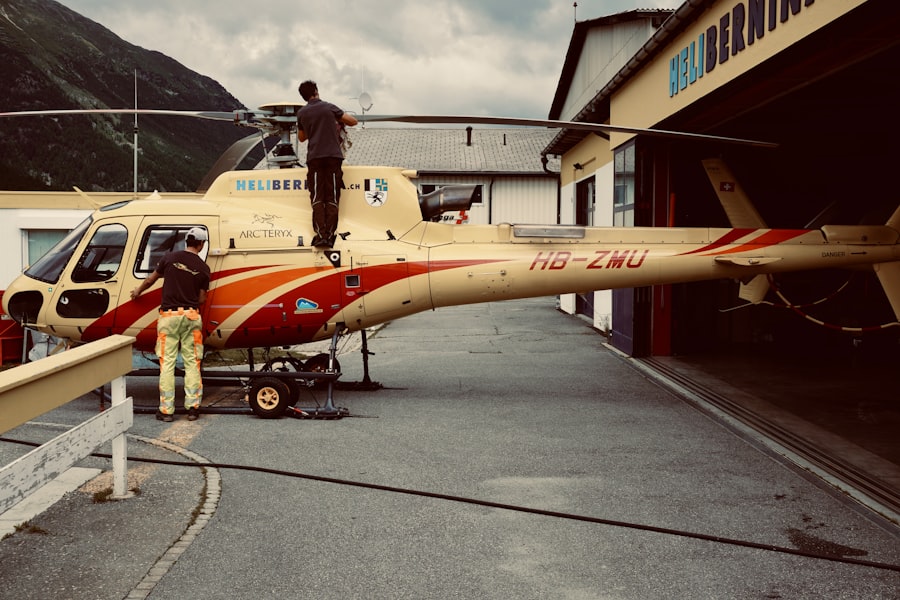
The pressures of the Six-Day War spurred innovation and adaptation within maintenance operations. Necessity proved to be the mother of invention, as ground crews devised new methods and procedures to overcome limitations and maximize aircraft availability.
The Development of Mobile Maintenance Units
To support operations at dispersed airfields or in forward areas, mobile maintenance units played a crucial role. These self-contained units brought essential tools, equipment, and specialized personnel closer to the aircraft, reducing transit times and enabling quicker repairs.
Bringing Expertise to the Front Lines
Mobile units ensured that specialized technical knowledge was available at or near the operational front lines. This allowed for the servicing of complex systems that might otherwise have required the aircraft to be ferried back to a larger base, incurring significant delays.
The Advantage of Rapid Deployment
The ability to rapidly deploy these units to where they were most needed allowed for swift responses to emerging maintenance challenges, whether at established airbases or hastily established forward operating locations.
Improvisation and Field-Grown Solutions
When standard parts or procedures were unavailable, maintenance crews often resorted to ingenious improvisation. This could involve fabricating replacement parts, modifying existing equipment, or developing entirely new approaches to solve a problem.
Creative Use of Available Resources
Ground crews often demonstrated remarkable creativity in utilizing the resources available to them. This might include adapting civilian tools for aircraft maintenance or repurposing existing equipment to meet specific needs.
Documenting and Sharing Innovations
While the immediate focus was on keeping aircraft flying, there was often an informal or formal process of documenting successful improvisations. This allowed for the sharing of these valuable lessons learned across different units and services.
The Psychological Impact of Maintenance Success
The dedication and success of maintenance crews had a profound psychological impact on aircrewd, ground personnel, and overall morale. Knowing that their aircraft were meticulously cared for, even under fire, fostered confidence and a sense of shared purpose.
Boosting Pilot Confidence
Pilots, facing the ultimate risks, relied heavily on the knowledge that their aircraft were in prime condition. The visible dedication of maintenance crews provided a significant boost to their confidence and willingness to engage the enemy.
Strengthening Unit Cohesion and Esprit de Corps
The shared challenges and successes of the maintenance effort fostered a strong sense of unit cohesion and esprit de corps. Mechanics and technicians understood their vital role in the overall mission, creating a powerful bond.
The Six Day War in 1967 not only reshaped the geopolitical landscape of the Middle East but also had significant implications for military aircraft maintenance practices. As nations quickly adapted to the demands of modern warfare, the need for efficient and effective maintenance protocols became paramount. For a deeper understanding of how these changes influenced military operations, you can read a related article on aircraft maintenance during this period at In the War Room. This resource provides valuable insights into the evolution of maintenance strategies in response to the rapid advancements in aviation technology and the lessons learned from the conflict.
The Post-War Assessment: Lessons Learned and Future Preparedness
| Event | Details |
|---|---|
| Number of Aircraft | Before the Six Day War, Israel had 200 aircraft, while the Arab coalition had around 450 aircraft. |
| Maintenance Operations | Israeli aircraft underwent intensive maintenance operations to ensure their readiness for the conflict. |
| Turnaround Time | The maintenance teams worked around the clock to minimize the turnaround time for aircraft maintenance. |
| Effectiveness | The successful maintenance efforts played a crucial role in the Israeli Air Force’s victory in the Six Day War. |
The conclusion of the Six-Day War provided an invaluable opportunity to assess the effectiveness of maintenance operations and identify areas for improvement. The lessons learned from this intense period of conflict significantly shaped future maintenance strategies and doctrines.
Evaluating Sortie Generation Rates and Efficiency Metrics
A critical aspect of the post-war assessment involved a thorough analysis of sortie generation rates throughout the conflict. This provided data-driven insights into the efficiency of maintenance processes and identified any bottlenecks or systemic weaknesses.
Analyzing Turnaround Times and Downtime
Detailed data on aircraft turnaround times and periods of downtime was scrutinized to understand the factors contributing to prolonged maintenance periods. This included examining the availability of spare parts, the effectiveness of repair procedures, and the workload on maintenance personnel.
Identifying Critical Bottlenecks in the Maintenance Workflow
The assessment aimed to pinpoint specific stages in the maintenance workflow that consistently led to delays. This could range from the time taken for component delivery to the efficiency of diagnostic procedures.
Improving Logistics and Supply Chain Management
The war highlighted the critical importance of a robust and responsive logistics and supply chain. Post-war efforts focused on enhancing these systems to ensure the timely availability of spare parts, equipment, and technical support.
Redefining Spare Parts Inventory Management
The experience gained during the war led to a re-evaluation of spare parts inventory management strategies. This included identifying critical spares that required higher stock levels and optimizing the distribution network to reduce lead times.
Strengthening relationships with Manufacturers and Suppliers
Closer collaboration with aircraft manufacturers and component suppliers was recognized as essential to ensure the continuous availability of specialized parts and technical expertise, even during periods of high demand.
Enhancing Training Programs and Skill Development
The war underscored the need for continuous improvement in the training and skill development of maintenance personnel. Post-war initiatives focused on refining existing training programs and introducing new ones to address emerging technologies and operational challenges.
Incorporating Combat Experience into Training Curricula
Lessons learned from actual combat scenarios, including battle damage repair and operations in austere environments, were integrated into training curricula. This ensured that future maintenance personnel were better prepared for the realities of warfare.
Embracing New Technologies and Diagnostic Tools
The rapid advancement of aviation technology necessitated the adoption of new diagnostic tools and maintenance techniques. Post-war efforts saw investment in advanced diagnostic equipment and the training of personnel in their use.
The Enduring Legacy: Maintaining Readiness for the Future
The maintenance operations during the Six-Day War left an indelible mark on the evolution of air force logistics and readiness. The dedication, ingenuity, and resilience of maintenance crews proved to be a cornerstone of operational success, demonstrating that even the most advanced aircraft are only as effective as the teams that keep them flying.
The Human Factor: The Unsung Heroes of Air Power
The unwavering commitment of the men and women who worked tirelessly on the ground, often under immense pressure and in hazardous conditions, cannot be overstated. Their dedication was the bedrock upon which aerial superiority was built.
Sacrifice and Determination in the Face of Adversity
The personal sacrifices made by maintenance personnel, often away from their families and in constant proximity to danger, were immense. Their determination to keep aircraft operational, no matter the cost, was a testament to their professionalism and patriotism.
The Importance of Morale and Recognition
The recognition and appreciation of the vital role played by maintenance crews are crucial for sustaining morale and ensuring continued dedication. Their contributions, though often behind the scenes, are fundamental to military success.
The Evolution of Maintenance Doctrine
The experiences of the Six-Day War led to significant advancements in aircraft maintenance doctrine. Concepts such as rapid sortie generation, efficient battle damage repair, and the importance of a robust logistics chain became cornerstones of modern air force operations.
Predictive Maintenance and Proactive Strategies
The emphasis shifted towards more proactive and predictive maintenance strategies, utilizing data analysis and advanced diagnostics to identify potential issues before they impacted operational readiness.
The Interdependence of Air and Ground Crews
The war underscored the symbiotic relationship between aircrews and ground crews. The success of one was directly dependent on the proficiency and dedication of the other, fostering a culture of mutual respect and collaboration.
Preparing for the Next Horizon: Continuous Improvement
The lessons learned from the Six-Day War continue to inform and shape aircraft maintenance practices today. The pursuit of continuous improvement, embracing new technologies, and fostering a culture of excellence remain paramount in ensuring that air forces are always ready to meet the challenges of the future. The legacy of the maintenance efforts during this pivotal conflict serves as a constant reminder that in the realm of air power, readiness is not just a state of being; it is a testament to the unyielding commitment and expertise of those who ensure the machines of war can fulfill their purpose.

The Intelligence System That Won the Six-Day War Before It Began
FAQs
What was the significance of aircraft maintenance during the Six Day War?
Aircraft maintenance played a crucial role during the Six Day War as it ensured that the Israeli Air Force was able to maintain a high level of operational readiness, allowing them to effectively respond to the surprise attacks from neighboring Arab countries.
How did aircraft maintenance impact the outcome of the Six Day War?
Effective aircraft maintenance allowed the Israeli Air Force to quickly repair and rearm their aircraft, enabling them to maintain air superiority throughout the conflict. This played a significant role in the outcome of the war, as the Israeli Air Force was able to effectively neutralize the air capabilities of their adversaries.
What were some of the challenges faced in aircraft maintenance during the Six Day War?
During the Six Day War, aircraft maintenance crews faced numerous challenges, including the need to rapidly repair and rearm aircraft amidst intense combat operations. Additionally, the Israeli Air Force had to contend with limited resources and spare parts, further complicating the maintenance efforts.
How did aircraft maintenance crews adapt to the demands of the Six Day War?
Aircraft maintenance crews during the Six Day War demonstrated remarkable adaptability and resourcefulness, often improvising solutions to overcome shortages of spare parts and equipment. They worked tirelessly to ensure that the Israeli Air Force remained operational and effective throughout the conflict.
What lessons were learned from the role of aircraft maintenance in the Six Day War?
The Six Day War highlighted the critical importance of effective and efficient aircraft maintenance in modern warfare. It underscored the need for robust logistical support, adequate spare parts, and well-trained maintenance crews to ensure the operational readiness of an air force during times of conflict.