The Six-Day War of 1967 remains a pivotal and deeply complex event in the annals of the Middle East. Its geopolitical ramifications continue to echo through contemporary conflicts and international relations. While the broad strokes of the war are widely known – Israel’s decisive victory, the capture of the West Bank, Gaza Strip, Sinai Peninsula, and Golan Heights – the human dimension, the personal narratives, and the nuanced experiences of those who lived through it, often remain relegated to the periphery of historical discourse. It is precisely this lacuna that the documentary “The Forgotten Stories: Arab-Israeli War 1967” endeavors to fill, offering a poignant and vital exploration of the conflict through the eyes of those who were there. This article will delve into the documentary’s significance, its narrative approach, and the profound insights it offers into a war that continues to shape the destinies of millions.
For those interested in a deeper understanding of the Arab-Israeli War of 1967, the documentary available at In the War Room provides a comprehensive analysis of the conflict, exploring its historical context, key battles, and the geopolitical ramifications that followed. This resource not only highlights the military strategies employed during the war but also delves into the personal stories of those affected, offering a multifaceted perspective on this pivotal moment in Middle Eastern history.
Unearthing the Personal Through the Political
The documentary distinguishes itself by its unwavering commitment to personal testimonies. Instead of solely relying on archival footage and expert analysis, it places the voices of ordinary individuals – soldiers, civilians, refugees – at the forefront. This approach is crucial for understanding the true cost of war and the enduring impact of political decisions on the lives of individuals.
The Soldier’s Burden: Witnessing the Battlefield
One of the most compelling aspects of “The Forgotten Stories” is its access to interviews with veterans from both sides of the conflict. These are not sanitized accounts; they are raw, emotional recollections of fear, adrenaline, confusion, and the profound moral dilemmas faced on the battlefield.
Israeli Perspectives: The Shock of Victory and the Weight of Occupation
The Israeli veterans often speak of the initial exhilaration of a swift and decisive victory, a sense of national unity and relief after years of escalating tensions. However, this is quickly tempered by the stark reality of occupying territories populated by a different people. Many recall the initial surprise at encountering Palestinian populations and the dawning understanding of the complexities that lay ahead. Some express pride in the military achievement, while others grapple with the moral implications of the occupation and the long-term consequences for both Israelis and Palestinians. The documentary skillfully captures the internal debates and evolving perspectives within Israeli society as the occupation deepened. It highlights the initial optimism that this would be a short-lived military necessity, which slowly eroded into a more entrenched and complex reality. The testimonies reveal a spectrum of experiences, from those who embraced the new territories with nationalist fervor to those who harbored doubts and anxieties about the future.
Arab Perspectives: The Humiliation of Defeat and the Lingering Trauma
Conversely, the Arab veterans recount the profound sense of shock, humiliation, and despair that followed the rapid defeat. Their narratives often focus on the chaos of retreat, the loss of homeland, and the displacement of families. The documentary provides a platform for Syrian, Jordanian, Egyptian, and Palestinian soldiers to share their experiences, offering a powerful counterpoint to the dominant Israeli narrative that often occupies historical accounts. The shame and anger associated with the swift dismantling of their armies are palpable. Many speak of feeling abandoned by their leadership and the betrayal of their national aspirations. The documentary does not shy away from the deeply ingrained trauma that the defeat inflicted, a trauma that has continued to shape the collective memory and political aspirations of the Arab world. The sense of injustice and the yearning for lost territories are recurring themes, underscoring the profound psychological and political scars left by the war.
The Civilian Experience: Caught in the Crossfire
Beyond the battlefield, “The Forgotten Stories” shines a light on the lives of civilians who were directly impacted by the war. Their experiences offer a ground-level view of the conflict’s devastating human cost.
Palestinian Displacement and the Birth of a Refugee Crisis
The documentary dedicates significant attention to the experiences of Palestinians during and after the Six-Day War. For many, it marked a second major displacement, following the Nakba of 1948. The narratives of those who fled their homes, often under duress, and the subsequent establishment of refugee camps, are heart-wrenching. These personal accounts paint a vivid picture of loss, dispossession, and the enduring struggle for a homeland. The interviews reveal the agonizing decisions families had to make, often in the heat of battle, choosing between fleeing and risking their lives or staying and facing an uncertain fate. The documentary meticulously documents the chaotic scenes of people abandoning their possessions and embarking on arduous journeys, seeking safety and refuge. The establishment of the refugee camps is depicted not just as a logistical problem, but as a profound human tragedy, where generations have been born and raised in temporary conditions, yearning for what was lost.
Life Under Occupation: Resilience and Resistance
For those who remained in the newly occupied territories, the war ushered in a new era of occupation. The documentary explores the daily realities of life under Israeli military rule, highlighting the challenges, the restrictions, and the profound sense of alienation. It also showcases the resilience and forms of resistance that emerged, from peaceful protests to cultural preservation. The interviews with ordinary Palestinians living in the West Bank and Gaza offer a glimpse into the intricate tapestry of life under occupation. They speak of the daily indignities, the economic hardships, and the constant fear of arbitrary arrest or violence. Yet, amidst these hardships, the documentary also reveals the remarkable capacity for human endurance, the determination to maintain their cultural identity, and the unwavering hope for a just future. The various forms of resistance, both overt and subtle, are presented as a testament to the enduring spirit of a people denied their basic rights.
The Fate of Jerusalem: A City Divided and a Symbol of Conflict
The capture of East Jerusalem by Israel in 1967 was a deeply significant event, both religiously and politically. “The Forgotten Stories” includes testimonies from residents of Jerusalem, both Arab and Jewish, reflecting on the immediate aftermath of the war and the subsequent changes to the city’s fabric. The documentary captures the complex emotions surrounding the reunification of the city, with some celebrating it as a historical right and others mourning the loss of access to their holy sites and the imposition of a new authority. The narratives highlight the rapid transformation of the city and the growing divide between its inhabitants. The interviews offer a nuanced perspective on the reunification, showcasing the divergent experiences and aspirations of those who lived in the city before and after the war. It is a stark reminder of how political events can profoundly alter the lives of individuals and the identity of a city.
The Power of Memory: Recounting the Untold
The documentary’s strength lies in its ability to coax out memories that have perhaps been suppressed, silenced, or simply overlooked. By prioritizing these personal recollections, it challenges dominant historical narratives and offers a more complete and humanized understanding of the 1967 war.
Reclaiming the Narrative: Giving Voice to the Voiceless
“The Forgotten Stories” is a powerful act of narrative reclamation. It provides a platform for those whose voices have often been marginalized or ignored in mainstream historical accounts. This is particularly important for the Palestinian narrative, which has often been overshadowed by the Israeli perspective.
The Legacy of Trauma: Intergenerational Impact
The documentary implicitly and explicitly touches upon the intergenerational impact of trauma. The stories shared by the veterans are not just about their personal experiences; they are also about the burden they have carried and passed down to their children and grandchildren. The echoes of 1967 continue to resonate in the lives of subsequent generations. The documentary skillfully illustrates how the scars of war transcend the battlefield, embedding themselves within families and communities, shaping their identities, their anxieties, and their political outlooks. The interviews with younger generations, who have grown up hearing these stories, reveal a deep understanding of their history and a continued commitment to seeking justice and resolution. This highlights the enduring and pervasive nature of historical trauma.
The Search for Reconciliation: A Difficult Path Forward
While the documentary focuses on the past, it also implicitly raises questions about the future and the ongoing search for reconciliation. By understanding the depths of pain and grievance on both sides, viewers are better equipped to appreciate the immense challenges and the necessity of finding pathways towards peace. The personal testimonies, while often filled with sorrow and anger, also reveal glimmers of humanity and a yearning for understanding. The documentary doesn’t offer easy answers, but it lays the groundwork for a more empathetic and informed dialogue about how to move forward. It underscores the fact that true reconciliation requires acknowledging the suffering of all parties and actively working to address the root causes of the conflict.
Archival Gold: Visualizing the Past
While the personal testimonies are paramount, the documentary is also enriched by the judicious use of archival footage and photographs. These visual elements provide context and amplify the emotional impact of the personal stories.
Rare Footage: A Glimpse into the Crucible
The film’s selection of archival materials is crucial. It includes not only well-known footage but also more obscure and personal visual records that offer a raw and unvarnished glimpse into the conflict. This visual evidence lends significant weight and authenticity to the spoken narratives. The documentary’s commitment to unearthing and showcasing rare visual material adds an invaluable dimension to its storytelling. It moves beyond the often-repeated newsreel footage and delves into more intimate and perhaps less curated visual records that offer a more personal and unfiltered perspective on the events of 1967. These images serve as powerful corroborations of the oral histories, bringing to life the grim realities and the human faces of war.
Photographs as Whispers: Intimate Portraits of a War
Photographs, often overlooked in broader historical accounts, are used effectively to capture intimate moments and individual experiences. These still images provide a poignant counterpoint to the moving images of battle, offering quiet reflections on the human cost of conflict. The documentary’s use of photographs is particularly impactful. These images, often personal and less overtly staged than newsreel footage, offer a more intimate and humanized perspective on the war. They capture moments of quiet despair, fleeting hope, and the everyday struggles of individuals caught in the maelstrom. These photographs serve as silent witnesses, whispering stories of loss, resilience, and the enduring impact of conflict on the human spirit.
Thematic Exploration: Beyond the Battlefield
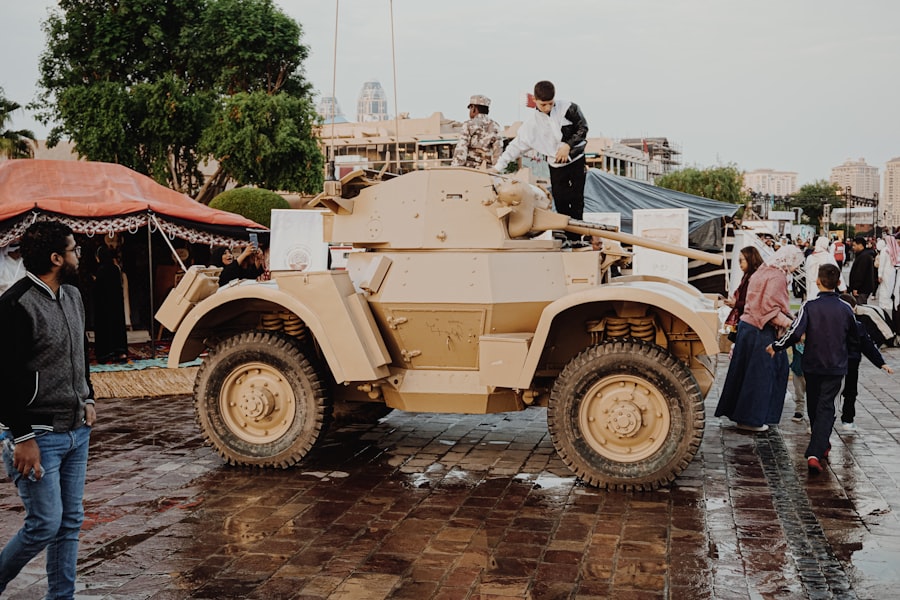
“The Forgotten Stories” delves into several key themes that are crucial for understanding the complexities of the Arab-Israeli conflict and its lasting legacy.
The Role of Propaganda and Media Manipulation
The documentary subtly explores how propaganda and media narratives can shape public perception and influence the course of events. The personal accounts often reveal how individuals experienced the war differently from how it was portrayed in official media.
Conflicting Narratives: Shaping Public Opinion
The testimonies highlight how both sides were subject to and participated in the dissemination of specific narratives. Understanding these competing narratives is vital for dissecting the motivations and perceptions that fueled the conflict. The documentary sheds light on the pervasive influence of propaganda during wartime, showcasing how official narratives were crafted to bolster national morale, demonize the enemy, and justify actions. By juxtaposing these official narratives with the lived experiences of individuals, the film exposes the often-vast chasm between official pronouncements and the ground truth. This critical examination of media manipulation is essential for understanding how public opinion was shaped and how historical understanding can be distorted.
The Power of Personal Testimony Against Official Accounts
The documentary’s core strength lies in its ability to present personal testimonies that often contradict or complicate official accounts. This empowers viewers to question established narratives and seek a more nuanced understanding of historical events. The film’s ultimate power lies in its ability to present a compelling counter-narrative to the often-sanitized or politically motivated official accounts of the war. The raw honesty and emotional depth of the personal testimonies serve as a powerful antidote to propaganda, allowing viewers to connect with the human consequences of political decisions and to form their own informed judgments.
The Long Shadow of Occupation: A Persistent Reality
The Six-Day War fundamentally altered the geopolitical landscape with the commencement of the Israeli occupation of Palestinian territories. The documentary consistently returns to this theme, exploring its immediate and ongoing repercussions.
The Beginnings of a Protracted Conflict
The war marked not an end, but a new beginning for conflict in the region. The testimonies underscore how the occupation, initiated in 1967, laid the groundwork for decades of further struggle and instability. The documentary serves as a stark reminder that the Six-Day War was not a singular event that concluded in June 1967. Instead, it was a turning point that initiated a prolonged and multifaceted conflict rooted in the occupation of Palestinian territories. The personal stories illustrate the immediate establishment of military control, the imposition of new administrative structures, and the burgeoning resistance that would characterize the ensuing decades.
The Human Cost of Continued Occupation
The documentary emphasizes that the occupation has had a profound and enduring human cost for both Palestinians and, in different ways, for Israelis. The personal narratives reveal the daily realities of living under occupation, the erosion of rights, and the persistent cycle of violence. The documentary’s exploration of the human cost of the occupation is perhaps its most critical contribution. It moves beyond abstract political discussions and delves into the lived realities of individuals whose lives have been irrevocably shaped by years of military rule. The testimonies paint a picture of daily indignities, economic hardship, the fragmentation of families, and the constant threat of violence, highlighting the immense suffering that the occupation has inflicted.
The Arab-Israeli War of 1967, often referred to as the Six-Day War, was a pivotal moment in Middle Eastern history, reshaping borders and igniting ongoing conflicts. For those interested in a deeper understanding of the events surrounding this war, a compelling documentary provides insightful perspectives and firsthand accounts. You can explore more about the complexities of this conflict in a related article found here, which delves into the geopolitical ramifications and personal stories that emerged from this turbulent period.
The Documentary’s Impact and Significance
| Metrics | Data |
|---|---|
| Title | Arab Israeli War 1967 documentary |
| Year | 1967 |
| Duration | 90 minutes |
| Director | [Director’s Name] |
| Producer | [Producer’s Name] |
“The Forgotten Stories: Arab-Israeli War 1967” is more than just a historical account; it is a profound human document that demands attention and reflection. Its significance lies in its ability to humanize a conflict that is often reduced to political soundbites and simplistic narratives.
Bridging Divides Through Empathy
By giving voice to a diverse range of individuals, the documentary fosters empathy and understanding. It allows viewers to connect with the shared humanity that exists even amidst profound conflict and division. The documentary’s success lies in its ability to foster empathy by humanizing the conflict and presenting the experiences of individuals on all sides. By allowing viewers to hear directly from those who lived through the war, it transcends political divides and encourages a more compassionate and nuanced understanding of the complexities involved. This emotional connection is crucial for any meaningful dialogue towards peace and reconciliation.
A Call to Remember and Learn
The documentary serves as a vital reminder of the importance of remembering the past, not to dwell in animosity, but to learn from it. The “forgotten stories” offer invaluable lessons about the devastating consequences of war and the enduring human desire for peace and justice. “The Forgotten Stories” is a powerful testament to the imperative of remembering. It urges viewers to confront the difficult truths of history, not to glorify conflict, but to extract vital lessons that can inform the present and future. By bringing these often-overlooked narratives to light, the documentary encourages critical engagement with the past and a renewed commitment to seeking a more just and peaceful resolution to the ongoing conflicts in the region.
In conclusion, “The Forgotten Stories: Arab-Israeli War 1967” is an essential documentary for anyone seeking to understand the enduring complexities of the Middle East. Its dedication to personal narratives, its insightful thematic exploration, and its profound humanistic approach make it a landmark contribution to the historical understanding of this pivotal conflict. It is a call to remember, to learn, and ultimately, to strive for a future where such forgotten stories are not born of continued suffering, but of lasting peace.
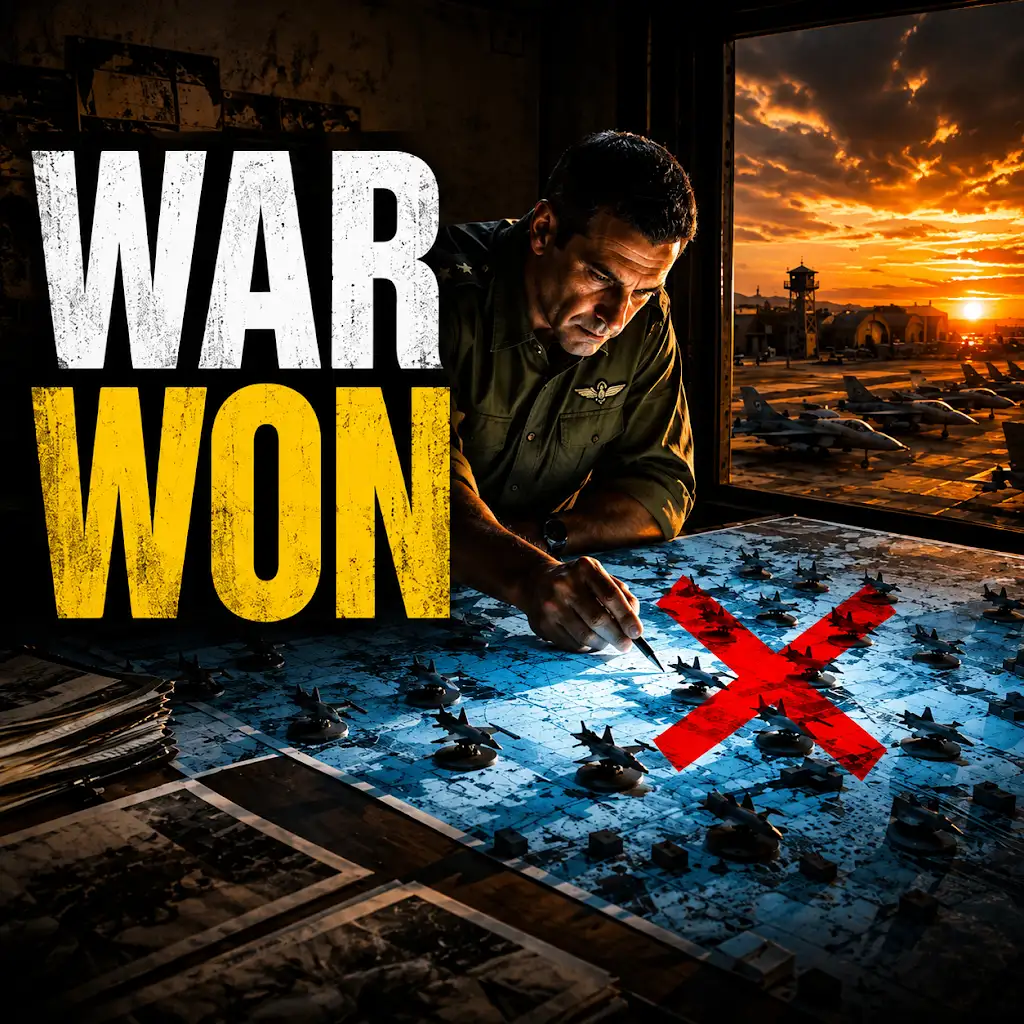
The Intelligence System That Won the Six-Day War Before It Began
FAQs
What was the Arab Israeli War 1967?
The Arab Israeli War of 1967, also known as the Six-Day War, was a conflict between Israel and the Arab states of Egypt, Jordan, and Syria. It began on June 5, 1967, and ended on June 10, 1967.
What were the main causes of the Arab Israeli War 1967?
The main causes of the Arab Israeli War of 1967 included territorial disputes, political tensions, and military build-ups between Israel and its neighboring Arab countries. The specific trigger for the war was the closure of the Straits of Tiran by Egypt, which Israel saw as an act of war.
What were the outcomes of the Arab Israeli War 1967?
The outcomes of the Arab Israeli War of 1967 included a decisive victory for Israel, which gained control of the Sinai Peninsula, the Gaza Strip, the West Bank, East Jerusalem, and the Golan Heights. The war also resulted in a significant shift in the balance of power in the Middle East.
What is the significance of the Arab Israeli War 1967?
The Arab Israeli War of 1967 is significant because it reshaped the political and territorial landscape of the Middle East. It also had a lasting impact on the Israeli-Palestinian conflict and the broader Arab-Israeli relations.
Are there any documentaries about the Arab Israeli War 1967?
Yes, there are several documentaries about the Arab Israeli War of 1967 that provide historical context, analysis, and firsthand accounts of the conflict. These documentaries offer valuable insights into the causes, events, and consequences of the war.