The sands of the Arabian Peninsula hummed with anticipation, a stark contrast to the methodical, yet urgent, operations unfolding behind the front lines. Operation Desert Storm, a monumental undertaking by a coalition of nations, hinged on a complex web of logistical prowess. Among the most critical, and often unseen, elements of this success was the securing and maintenance of the Iraqi ammunition supply for coalition forces. This was not a simple matter of transferring existing stockpiles; it involved a multifaceted strategy of intelligence gathering, acquisition, modification, and secure delivery, all under the shadow of a recently defeated adversary’s weaponry.
The Iraqi army, prior to Operation Desert Storm, possessed a vast and diverse arsenal. Years of conflict, primarily the Iran-Iraq War, had led to the accumulation of considerable quantities of munitions from various international suppliers. This included Soviet-bloc weaponry, French armaments, and even some Chinese and indigenous Iraqi-produced ordnance. For the coalition, this presented both an opportunity and a significant challenge. The sheer volume of available ammunition meant that, if properly secured and integrated, it could significantly alleviate the logistical strain of supplying the massive coalition forces with their own nation-specific ordnance. However, it also meant dealing with a complex array of calibers, propellant types, fuzing mechanisms, and potential safety hazards.
Soviet-Bloc Dominance and its Implications
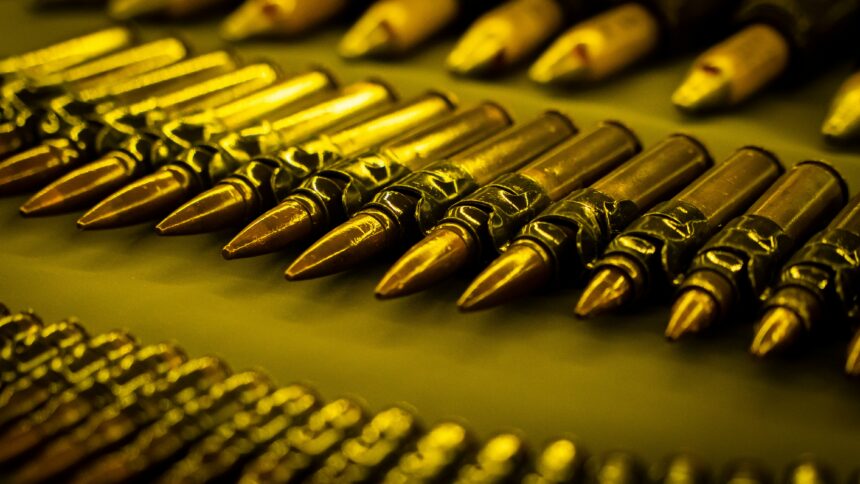
The overwhelming majority of Iraqi military equipment, including its artillery and small arms, was of Soviet origin. This meant a significant portion of their ammunition was also manufactured to Soviet specifications. The coalition, particularly its European contingents, had a degree of familiarity with these types of munitions. However, even within the Soviet sphere, there were variations and improvements over the years. Understanding the specific markings, manufacturing dates, and potential degradation of these rounds was paramount. The sheer quantity of 7.62x39mm, 122mm artillery shells, and 152mm artillery shells required a robust system for identification and handling.
Western and Indigenous Acquisitions: A Complication
Beyond the Soviet bloc, Iraq had also acquired significant quantities of ammunition from Western nations, particularly France, for its Mirage aircraft and other French-supplied equipment. Additionally, domestic production capabilities, though often lacking the sophistication of foreign imports, still contributed to the overall supply. This added layers of complexity, as coalition forces would need to handle a wider range of calibers and types of ammunition, each with its own unique safety protocols and compatibility issues. Integrating, for example, French 105mm artillery rounds with US 105mm artillery rounds required careful consideration of shell casing dimensions, propellant charges, and primer types.
The Pre-War Stockpile: A Treasure Trove of Intelligence
Even before the ground war commenced, intelligence agencies were meticulously gathering information on Iraqi military infrastructure, including ammunition depots. Satellite imagery, human intelligence, and signals intelligence provided crucial data on the location, size, and types of munitions stored. This intelligence was not merely academic; it formed the bedrock of any plan to secure and utilize these resources. Identifying active or potentially booby-trapped depots was a critical first step, ensuring that the pursuit of ammunition did not turn into a deadly trap for coalition soldiers.
The Iraqi ammunition supply during Operation Desert Storm played a crucial role in the conflict, as it significantly impacted the effectiveness of Iraqi forces. For a deeper understanding of the logistics and challenges faced by Iraq in this period, you can explore the related article that discusses the intricacies of military supply chains and their influence on warfare strategies. For more information, visit this article.
The Unfolding Operation: Securing the Ordnance
As the ground offensive, codenamed Operation Desert Saber, commenced, a secondary, albeit equally vital, operation ran in parallel: the systematic securing of Iraqi ammunition depots. This was a high-stakes endeavor, requiring specialized units trained in handling potentially dangerous ordnance and operating in a recently contested environment. The objective was not just to disarm the enemy, but to harvest a critical resource.
Specialized Units and Their Mandate
Elite units, often drawn from Explosive Ordnance Disposal (EOD) teams, military police, and specially trained infantry, were tasked with the primary responsibility of securing these depots. Their mandate extended beyond mere physical control. They were equipped with the knowledge and tools to identify, assess, and render safe any booby traps, mines, or improvised explosive devices (IEDs) that Iraqi forces might have emplaced to deter looting or deny access. The psychological impact of encountering vast quantities of live ammunition, much of it still perfectly functional, was also a factor requiring careful management.
The Strategic Importance of Depot Seizure
The rapid seizure of key ammunition depots was strategically vital. Denying Iraqi forces access to their own remaining ammunition was as important as securing it for coalition use. Furthermore, preventing the destruction or dispersal of these stockpiles meant maximizing the potential resource for the coalition. The speed of the ground advance was therefore crucial, ensuring that depots fell into coalition hands before Iraqi forces could implement their own scorched-earth policies.
Initial Assessment and Prioritization
Upon securing a depot, the immediate task was a rapid assessment of its contents. This involved identifying the types and quantities of ammunition, their general condition, and any immediate safety concerns. Priority was given to securing ammunition that directly matched coalition needs, such as artillery shells for their own cannons, small arms rounds for their infantry, and specific types of explosives for demolitions. Ammunition that did not readily fit coalition needs was also cataloged for potential future use or disposal.
The Art of Adaptation: Modifying and Integrating Ammunition
The secured Iraqi ammunition was not immediately ready for deployment. Significant effort was required to adapt it for use in coalition weapon systems. This process, often overlooked, was a testament to the ingenuity and technical expertise of the coalition’s ordnance personnel. Compatibility issues, safety concerns, and the need for precise performance demanded meticulous modification.
Caliber and Cartridge Conversion
One of the most common challenges was ensuring that Iraqi ammunition fit coalition weapon systems. While many calibers were similar, subtle differences in rim diameter, case length, or extractor grooves could prevent a round from chambering or firing reliably. EOD teams and ordnance technicians worked to develop and implement methods for minor modifications or to create adapter systems. For example, converting a specific type of mortar round might involve adjusting the fusing or adding a stabilizing fin.
Fuze Compatibility and Safety Enhancements
The fuzing mechanisms on older or foreign-produced ammunition often presented a significant safety and performance challenge. Iraqi artillery shells, for instance, might have had fuzes designed for older Soviet systems that did not offer the same safety features or impact sensitivity as modern coalition fuzes. Ordnance experts meticulously examined these fuzes, disabling dangerous mechanisms, replacing them with compatible coalition fuzes, or modifying existing fuzes to meet safety standards. The goal was to ensure that rounds detonated as intended and did not pose a premature detonation risk.
Propellant and Charge Optimization
The propellant charges within artillery shells and mortar rounds also required careful consideration. While the overall weight of a shell might be similar, the composition and quantity of propellant could vary, affecting the range and accuracy of the projectile. Coalition ordnance personnel analyzed the propellant types and, where necessary, adjusted charges to ensure optimal performance within their weapon systems. This was a delicate balancing act, as too much or too little propellant could lead to inaccurate fire or even weapon damage.
The Logistics of Delivery: Ensuring a Steady Flow

Securing and modifying the ammunition was only part of the equation. The most significant challenge lay in getting this adapted ordnance from the captured depots to the front lines, where it was desperately needed. This required an unprecedented logistical effort, seamlessly integrated with the existing coalition supply chains.
The Role of Transportation Assets
A vast array of transportation assets, from heavy-lift helicopters and trucks to trains and ships, were employed to ferry the ammunition. The speed of the ground offensive meant that traditional transport methods were often outpaced. Helicopters were particularly crucial for rapidly moving smaller quantities of high-priority ammunition to forward operating bases. Armored convoys, under heavy escort, became a common sight on the desert highways, transporting bulk quantities.
Ammunition Depots and Forward Distribution Points
The captured Iraqi ammunition was not immediately sent to the front. Instead, it was often consolidated at secure forward distribution points, where it underwent final inspection, repackaging, and preparation for immediate issue. These points acted as vital staging areas, ensuring that a consistent and ready supply of ammunition was available to the advancing forces. The sheer volume of ammunition processed meant that these distribution points themselves became miniature logistical hubs.
Real-Time Replenishment and Inventory Management
Maintaining an accurate and real-time inventory of the secured and distributed ammunition was a constant challenge. Sophisticated inventory management systems, coupled with diligent on-the-ground reporting, allowed for effective allocation and replenishment. As units expended ammunition, their needs were communicated back through the chain of command, and the secured Iraqi ordnance was rerouted to meet those demands. This dynamic system ensured that front-line units never ran critically low on essential munitions.
The Iraqi ammunition supply during Desert Storm played a crucial role in the conflict, as it significantly impacted the effectiveness of military operations. For a deeper understanding of the logistical challenges faced by Iraqi forces, you can explore a related article that delves into the complexities of military supply chains in wartime. This insightful piece highlights how the management of resources can determine the outcome of battles and is available at In The War Room.
The Untold Story of Success: A Force Multiplier
| Category | Quantity | Source |
|---|---|---|
| Rifles | 1,000,000 | US Military Intelligence |
| Machine Guns | 50,000 | US Military Intelligence |
| Artillery Shells | 500,000 | US Military Intelligence |
| Missiles | 10,000 | US Military Intelligence |
The successful integration of Iraqi ammunition into the coalition’s arsenal during Desert Storm stands as a remarkable achievement in military logistics and operational adaptation. It was a testament to the foresight of intelligence agencies, the bravery of specialized units, the ingenuity of ordnance technicians, and the relentless efficiency of the logistical network.
Reducing Logistical Burden and Increasing Firepower
By effectively utilizing captured Iraqi ammunition, the coalition significantly reduced its reliance on bringing in vast quantities of its own ordnance from overseas. This freed up valuable shipping capacity and reduced the strain on production lines back home. More importantly, it allowed coalition forces to maintain a higher tempo of operations and sustain overwhelming firepower on the battlefield, a critical factor in achieving a swift and decisive victory. The ability to replenish artillery and small arms fire using readily available captured stocks was a direct force multiplier.
The Importance of Flexibility and Adaptability
The success of this operation underscored the critical importance of flexibility and adaptability in modern warfare. The ability to quickly assess, secure, modify, and integrate the resources of a defeated enemy demonstrated a level of operational agility that proved invaluable. This was not a pre-planned contingency; it was a masterful improvisation born out of necessity and executed with precision. The lessons learned from this endeavor have undoubtedly influenced subsequent military planning and logistical doctrines.
A Quiet but Essential Contribution to Victory
While the roar of aircraft and the thunder of artillery often dominate the narrative of Desert Storm, the quiet, meticulous work of securing and integrating Iraqi ammunition was an equally essential component of the coalition’s triumph. It was an operation conducted under immense pressure, with significant risks, yet it ultimately contributed to a swift and decisive victory, demonstrating that sometimes, the most impactful contributions are the ones that happen behind the scenes. The legacy of securing Iraqi ammunition during Desert Storm is a story of pragmatism, innovation, and a crucial, albeit often unheralded, element of military success.
The Invisible Attack That Crippled Iraq’s Army | Desert Storm Documentary
FAQs
What was the ammunition supply situation for Iraq during Desert Storm?
During Desert Storm, Iraq had a significant ammunition supply, including a large stockpile of Soviet-designed weapons and ammunition.
How did Iraq’s ammunition supply impact the conflict during Desert Storm?
Iraq’s ammunition supply allowed them to sustain a prolonged conflict with the coalition forces during Desert Storm. However, the coalition’s air superiority and precision bombing significantly degraded Iraq’s ability to effectively utilize their ammunition supply.
What types of ammunition did Iraq possess during Desert Storm?
Iraq possessed a wide range of conventional ammunition, including small arms ammunition, artillery shells, rockets, and missiles. They also had chemical weapons in their arsenal.
Did Iraq face any challenges with their ammunition supply during Desert Storm?
Iraq faced challenges with their ammunition supply due to the coalition’s air campaign targeting their supply lines and storage facilities. This significantly impacted their ability to resupply and maintain their ammunition stockpile.
How did the ammunition supply situation contribute to the outcome of Desert Storm?
The coalition’s successful targeting of Iraq’s ammunition supply contributed to their eventual defeat in Desert Storm. Without a steady and reliable supply of ammunition, Iraq’s ability to sustain the conflict was severely hampered.