The Persian Gulf, January 1991. The air crackled with anticipation, not just of the kinetic exchange that was about to erupt, but of a meticulously crafted strategy designed to neutralize an adversary before the first shot was truly fired in anger on the ground. Operation Desert Storm, the Allied response to Iraq’s invasion of Kuwait, was characterized by a multifaceted approach to warfare. Among its most innovative and impactful elements was the Coalition’s deliberate and sophisticated “Isolation Strategy.” This strategy, executed primarily through airpower and intelligence, aimed to systematically sever the Iraqi military from its logistical lifelines, command and control, and ultimately, its will to fight. It was a testament to the evolving nature of modern conflict, demonstrating how the battlefield could be shaped and an enemy significantly degraded without direct, sustained ground combat for large portions of the Coalition forces.
The seeds of the Isolation Strategy were sown long before the launch of Desert Storm. The international community’s condemnation of Iraq’s annexation of Kuwait, coupled with the immediate deployment of significant Coalition forces to Saudi Arabia, served as a crucial prelude. This build-up was not merely about creating a physical deterrent; it was a strategic signal, designed to inform Saddam Hussein of the overwhelming force he was up against and to begin shaping the information environment.
The Diplomatic and Economic Embargo
Prior to the commencement of aerial bombardments, a comprehensive international embargo was implemented against Iraq. This was a critical early step in the isolation process, aiming to choke off external support and resources.
United Nations Sanctions
The United Nations Security Council, through a series of resolutions, imposed severe economic sanctions on Iraq. These sanctions targeted oil exports, a vital source of revenue for the Iraqi regime, and restricted imports of essential goods. The intent was to cripple Iraq’s economy and limit its ability to sustain its military occupation and operations.
Regional Cooperation and Blockades
Beyond formal UN sanctions, regional powers, particularly Saudi Arabia and the United States, enforced naval blockades of Iraqi ports. This effectively prevented any clandestine attempts to circumvent the embargo and further isolated Iraq from international trade and supply lines.
The Intelligence Cold War: Shaping the Battlefield
While diplomatic and economic measures were underway, a parallel and equally vital operation was being conducted in the realm of intelligence. Understanding the adversary’s strengths, weaknesses, and operational methods was paramount to crafting an effective isolation strategy.
Electronic Intelligence (ELINT) and Signals Intelligence (SIGINT)
Coalition intelligence agencies engaged in extensive ELINT and SIGINT operations. This involved monitoring Iraqi military communications, radar emissions, and other electronic signals to identify command centers, troop movements, and logistical networks. The goal was to gain a comprehensive picture of Iraq’s military infrastructure.
Human Intelligence (HUMINT) and Covert Operations
HUMINT, gathered through a network of informants and covert operatives, provided crucial on-the-ground information. This included details about troop morale, supply status, and the effectiveness of the economic embargo from within Iraq and occupied Kuwait.
The coalition theater isolation strategy employed during Operation Desert Storm was pivotal in ensuring the success of the campaign against Iraqi forces. For a deeper understanding of the strategic implications and execution of this approach, you can refer to the article titled “The Role of Coalition Forces in Desert Storm” available at this link. This article provides valuable insights into how coalition forces effectively coordinated their efforts to isolate and defeat the enemy, demonstrating the importance of unified military strategy in modern warfare.
The Air Campaign: Severing the Arteries of War
The initiation of Operation Desert Storm on January 17, 1991, marked the decisive phase of the Isolation Strategy, with the air campaign serving as its primary instrument. The aim was not simply to destroy targets, but to systematically dismantle the Iraqi military’s capacity to wage war by cutting off its essential support systems.
Strategic Bombing: Targeting the Head and the Heart
The initial phases of the air war focused on decapitating the Iraqi command and control structure and degrading its offensive capabilities.
Command and Control Centers
Key targets included known and suspected command bunkers, communication nodes, and presidential palaces. The objective was to disrupt Saddam Hussein’s ability to direct his forces, coordinate movements, and respond effectively to Coalition advances.
Air Defenses and Infrastructure
The Coalition systematically targeted Iraq’s integrated air defense system, including radar sites, surface-to-air missile (SAM) batteries, and command centers for air operations. This was crucial for establishing air superiority, which was fundamental to the success of all subsequent air operations.
Weapons of Mass Destruction (WMD) Facilities
Intelligence indicated Iraq’s pursuit of WMD capabilities. Consequently, significant effort was directed towards locating and neutralizing suspected chemical, biological, and nuclear weapons facilities and related infrastructure.
Interdiction Campaign: Cutting the Lifelines
Once air superiority was established and the Iraqi air defense network largely neutralized, the focus shifted to interdiction operations. This was the core of the physical isolation, aiming to prevent supplies and reinforcements from reaching Iraqi forces, particularly those in Kuwait and southern Iraq.
Transportation Networks: Roads, Bridges, and Railways
Coalition aircraft relentlessly targeted Iraq’s transportation infrastructure. Roads, bridges, railways, and tunnels were attacked to disrupt the flow of fuel, ammunition, food, and troop reinforcements to the front lines. The iconic “Highway of Death” became a stark symbol of this interdiction.
Fuel Depots and Supply Convoys
Fuel was identified as a critical vulnerability for the Iraqi military. Attacks on fuel storage facilities and convoys were a priority, aiming to immobilize mechanized units and prevent them from operating effectively.
Vehicle Parks and Equipment Depots
Wherever possible, vehicle parks and equipment depots were identified and attacked to destroy tanks, artillery pieces, and other military hardware before they could be deployed or used.
Psychological Warfare and Information Isolation
Beyond the physical destruction of infrastructure, the Coalition also aimed to isolate the Iraqi military psychologically and informationally, undermining morale and fostering disunity.
Propaganda and Leaflet Drops
Leaflets were dropped over Iraqi positions, urging soldiers to surrender, highlighting the futility of their resistance, and providing instructions on how to do so safely. This aimed to sow doubt and encourage defections.
Jamming and Electronic Warfare
Electronic warfare capabilities were used to disrupt Iraqi communications, making it difficult for commanders to communicate with their troops and for soldiers to receive orders or information from their superiors.
Degrading the Republican Guard: The Strategic Reserve Under Siege

A key element of the Isolation Strategy was the systematic degradation of the elite Republican Guard divisions. These units represented Iraq’s strategic reserve and were considered the most formidable fighting force. By isolating and attacking them, the Coalition aimed to neutralize this significant threat before a potential ground offensive.
Air Interdiction of Movement
The Republican Guard’s ability to redeploy and resupply was severely hampered by the Coalition’s air interdiction campaign. Convoy routes were heavily patrolled and attacked, making it extremely difficult for these elite units to receive the fuel, ammunition, and reinforcements they needed to sustain operations.
Targeted Air Strikes on Formations
Once the Republican Guard units were identified and located, they became prime targets for precision air strikes. Using advanced targeting systems, Coalition aircraft could inflict significant damage on these formations, even when they were dug in or attempting to disperse.
Cutting Off Command and Control Links
The isolation extended to disrupting the command and control links between the Republican Guard and Saddam Hussein’s inner circle. This prevented them from receiving direct orders and maintained the disconnect that was a hallmark of the overall strategy.
The Ground Offensive: Exploiting the Isolated Adversary
When the ground offensive, codenamed Operation Saber, finally commenced on February 24, 1991, the Isolation Strategy had already achieved significant success. The Iraqi military, particularly its forward-deployed units and the Republican Guard, was already weakened, demoralized, and largely cut off from essential support.
Pre-Breach Softening and Disruption
Even before the main ground thrust, the air campaign continued to soften defensive positions and disrupt any remaining Iraqi attempts to reinforce or reposition. This ensured that Coalition ground forces would face a significantly degraded and disorganized enemy.
Exploiting the Lack of Logistics and Command
Coalition ground forces encountered Iraqi units that were often out of ammunition, low on fuel, and suffering from a severe lack of effective leadership. This allowed for rapid advances and minimized the need for costly frontal assaults.
The Psychological Impact of Isolation
The prolonged period of isolation had a profound psychological impact on Iraqi soldiers. Facing constant air attacks, cut off from their families and support, and with no clear direction from their commanders, many surrendered readily.
The coalition theater isolation strategy employed during Operation Desert Storm was a pivotal element in ensuring the success of the mission, as it effectively limited the enemy’s ability to maneuver and resupply. For a deeper understanding of the tactics and implications of this strategy, you can explore a related article that discusses its impact on modern military operations. This insightful piece can be found here, providing a comprehensive overview of the strategic considerations that shaped the coalition’s approach.
The Legacy of Isolation: A Paradigm Shift in Warfare
| Metrics | Data |
|---|---|
| Number of coalition countries | 34 |
| Number of aircraft involved | 2,000 |
| Number of sorties flown | 60,000 |
| Duration of isolation strategy | 38 days |
The Isolation Strategy employed in Operation Desert Storm was more than just a tactical approach; it represented a significant evolution in modern warfare. It demonstrated the power of achieving strategic objectives through the systematic degradation of an adversary’s ability to wage war, rather than solely through direct kinetic engagement.
The Primacy of Airpower
Desert Storm underscored the critical role of airpower in achieving strategic isolation. The ability to control the skies allowed for the systematic disruption of logistics, command and control, and the psychological subjugation of the enemy.
The Importance of Intelligence and Information Warfare
The strategy highlighted the indispensable nature of intelligence in identifying vulnerabilities and shaping the battlefield. Furthermore, it demonstrated the growing significance of information warfare in undermining enemy morale and decision-making.
A Blueprint for Future Conflicts
The success of the Isolation Strategy in Desert Storm provided a valuable blueprint for future military operations. It informed the development of doctrines and technologies that continue to emphasize the importance of severing an adversary’s lifelines, both physically and informationally, before and during kinetic engagements. The legacy of this strategy continues to shape how modern militaries approach conflict, prioritizing precision, information dominance, and the systematic neutralization of an opponent’s capacity to resist.
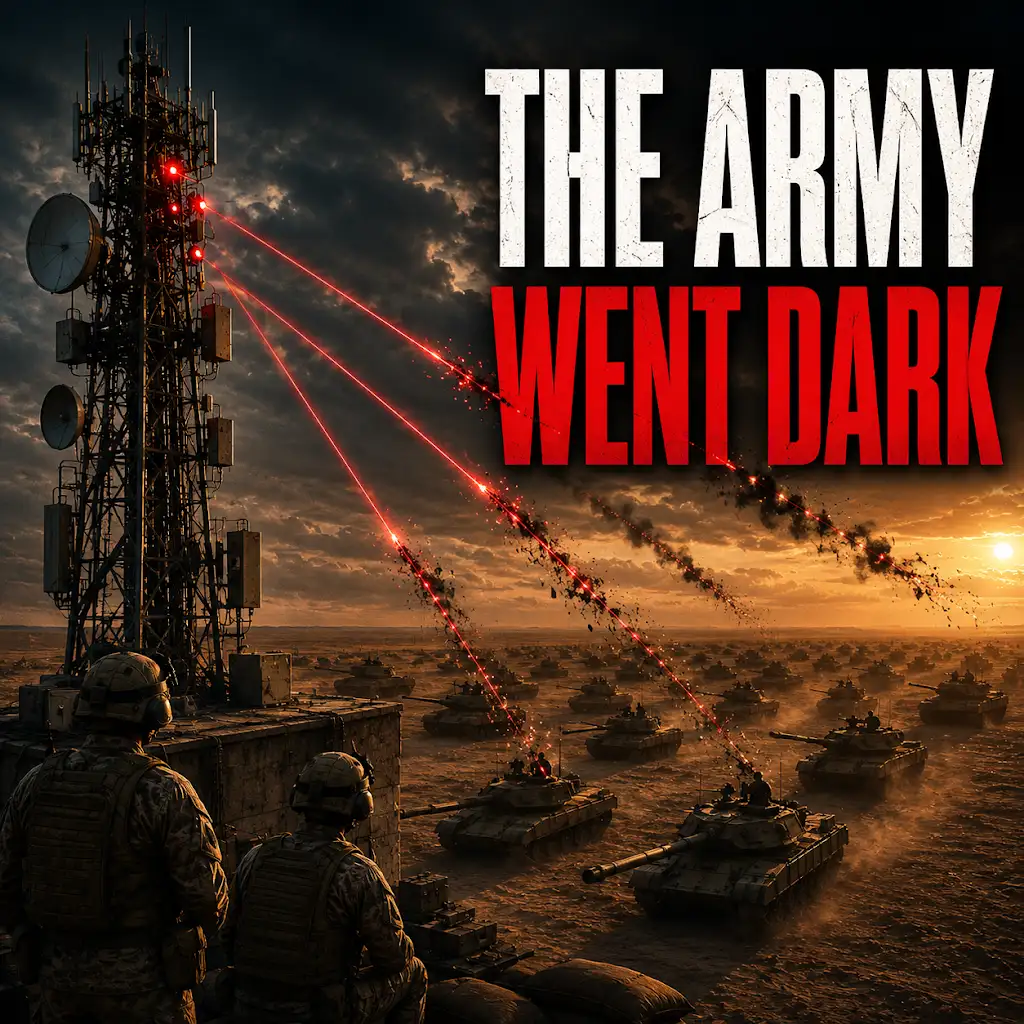
The Invisible Attack That Crippled Iraq’s Army | Desert Storm Documentary
FAQs
What was the coalition theater isolation strategy during Desert Storm?
The coalition theater isolation strategy during Desert Storm was a military tactic used by the United States and its allies to isolate and weaken Iraqi forces in Kuwait and Iraq. This strategy involved cutting off Iraqi supply lines, destroying their communication networks, and targeting key military installations.
How did the coalition implement the theater isolation strategy?
The coalition implemented the theater isolation strategy by conducting airstrikes on Iraqi military targets, including airfields, command and control centers, and communication facilities. They also used naval blockades to prevent the flow of supplies and reinforcements to Iraqi forces in Kuwait and Iraq.
What were the goals of the coalition theater isolation strategy?
The goals of the coalition theater isolation strategy were to weaken the Iraqi military’s ability to defend Kuwait and Iraq, disrupt their command and control capabilities, and isolate them from sources of supply and reinforcement. This strategy aimed to pave the way for a ground offensive to liberate Kuwait and defeat Iraqi forces.
Did the coalition theater isolation strategy contribute to the success of Desert Storm?
Yes, the coalition theater isolation strategy played a crucial role in the success of Desert Storm. By weakening and isolating Iraqi forces, the coalition was able to gain a significant advantage before launching the ground offensive. This strategy also limited the ability of Iraqi forces to resist the coalition’s advance.
What impact did the coalition theater isolation strategy have on the outcome of Desert Storm?
The coalition theater isolation strategy significantly contributed to the outcome of Desert Storm by weakening Iraqi forces and isolating them from sources of supply and reinforcement. This paved the way for the successful liberation of Kuwait and the defeat of Iraqi forces, ultimately leading to a decisive victory for the coalition.