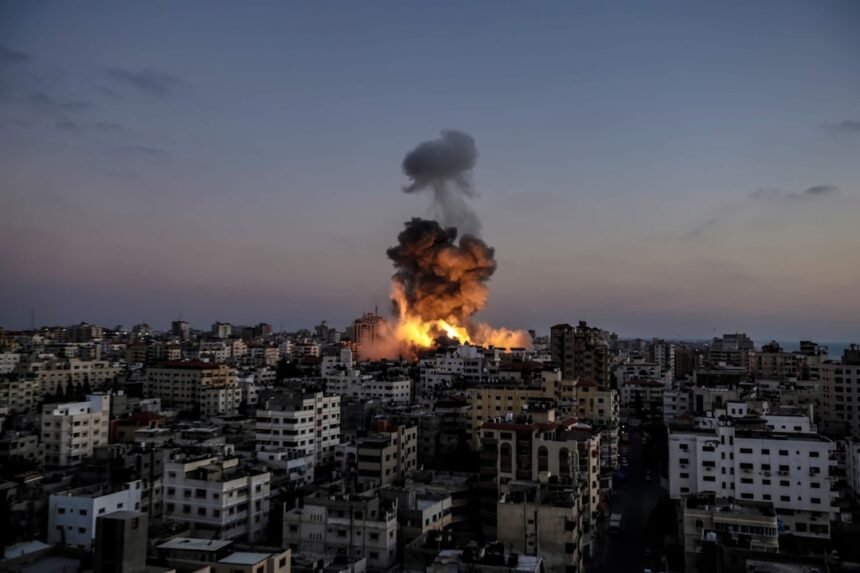
Coalition air strikes have significantly disrupted vital supply routes within Iraq, impacting the movement of resources and personnel for various factions. These targeted operations, conducted by a coalition of nations, aim to degrade the logistical capabilities of groups that pose a threat to regional stability. The precision and scope of these strikes have forced a reevaluation of operational strategies, compelling those affected to seek alternative, often more precarious, methods of resupply.
The rationale behind coalition air strikes on Iraqi supply routes is rooted in a strategic imperative to degrade the enemy’s ability to sustain its operations. By severing these logistical arteries, coalition forces aim to impede the flow of weapons, ammunition, food, fuel, and personnel, thereby limiting the operational tempo and effectiveness of hostile forces. This approach recognizes that even the most potent fighting force can be rendered ineffective if it cannot be adequately supplied.
Understanding Supply Chain Vulnerabilities
Supply chains, whether military or civilian, inherently possess vulnerabilities. These often lie at chokepoints – bridges, key intersections, depots, and transit hubs – where large volumes of goods must converge. Coalition air power, with its ability to survey vast areas and strike with precision, is ideally suited to identifying and exploiting these weaknesses. The goal is not merely to destroy individual trucks or convoys, but to dismantle the interconnected network that allows for sustained operations.
Identifying Key Chokepoints
The identification of these critical chokepoints is a meticulous intelligence-driven process. Advanced reconnaissance assets, including drones, satellites, and human intelligence, are employed to map out the intricate web of roads, railways, and waterways used for transportation. This mapping extends beyond the immediate battlefield to encompass rear areas where supplies are gathered and organized before being pushed forward. Understanding the typical patterns of movement, the types of vehicles used, and the timing of resupply operations allows for the planning of highly effective interdiction missions.
The Role of Intelligence, Surveillance, and Reconnaissance (ISR)
ISR plays an indispensable role in the success of these operations. It provides the “eyes and ears” on the ground, enabling commanders to understand the dynamic nature of enemy logistics. Real-time intelligence feeds are crucial for adapting strike plans as routes are shifted or alternative methods are employed. The ability to distinguish between military and civilian traffic is also paramount to minimizing collateral damage and maintaining the moral high ground.
Degrading Enemy Capabilities
The ultimate objective of targeting supply routes is to degrade the enemy’s operational capabilities. This degradation can manifest in several ways, ranging from immediate shortages of essential materiel to a broader erosion of morale and fighting spirit.
Impact on Ammunition and Weaponry
A consistent and reliable flow of ammunition and weaponry is fundamental to any military operation. By interdicting these supplies, coalition air strikes can lead to a gradual but critical depletion of battlefield stocks. This can force combatants to ration their use of munitions, limit their offensive operations, and potentially resort to less effective or outdated weaponry. The psychological impact of running low on ammunition can be profound, affecting soldier morale and the confidence of commanders.
Fuel and Transportation Disruptions
Fuel is the lifeblood of any mechanized force. Disruptions to fuel supply lines can paralyze armor, cripple logistics vehicles, and ground aircraft. Coalition strikes on fuel depots, tankers, and transport convoys directly impact the mobility of enemy forces, limiting their ability to maneuver, conduct offensive operations, or even withdraw effectively. This can create opportunities for coalition ground forces to engage and defeat weakened or immobilized enemy units.
Personnel Movement and Reinforcements
Supply routes are not only for materiel but also for personnel. By interdicting routes used by enemy fighters, coalition air strikes can prevent the movement of reinforcements and replacements to the front lines. This not only weakens existing units but also hinders the ability of the enemy to launch new offensives or sustain prolonged engagements. The psychological effect of knowing that reinforcements are unlikely to arrive can also contribute to a decline in enemy morale and resolve.
The ongoing coalition air attacks on Iraqi supply routes have significantly impacted the logistics of various militant groups operating in the region. For a deeper understanding of the strategic implications and the effectiveness of these air operations, you can read a related article that explores the broader context of military engagements in Iraq. This article provides insights into the challenges faced by coalition forces and the evolving tactics of their adversaries. To learn more, visit this link.
Coalition Air Power: Precision and Reach
Coalition air power, encompassing a range of advanced aircraft and munitions, is the primary instrument for executing these disruptive strikes. Its inherent advantages of speed, maneuverability, and precision allow for the targeting of enemy supply infrastructure with unprecedented accuracy.
The Arsenal of Precision-Guided Munitions
The effectiveness of modern air strikes relies heavily on the use of precision-guided munitions (PGMs). These weapons, equipped with laser, GPS, or infrared guidance systems, can achieve direct hits on targets, minimizing the risk of collateral damage and maximizing the impact on enemy assets.
Laser-Guided Bombs (LGBs)
Laser-guided bombs have been a cornerstone of precision strike capabilities for decades. They are guided to their target by a laser designator, which can be operated by the strike aircraft itself or by ground forces. Their effectiveness lies in their ability to guide a bomb to a designated point with remarkable accuracy, even against moving targets if the designator can maintain a lock.
GPS-Guided Munitions (e.g., JDAMs)
Joint Direct Attack Munitions (JDAMs) are a prime example of GPS-guided munitions. These kits convert unguided bombs into all-weather precision weapons. Once released, the JDAM uses its internal GPS receiver to navigate to pre-programmed coordinates. This allows for strikes in adverse weather conditions and provides a significant stand-off capability for the aircraft.
Advanced Missile Systems
Beyond bombs, coalition forces employ a variety of advanced missile systems. These include air-to-ground missiles such as the Hellfire, which can be launched from various platforms, including helicopters and drones. These missiles offer a precise and powerful means of engaging targets like vehicles, command centers, and even individual buildings that are part of the enemy’s logistical network.
The Role of Various Aircraft Platforms
A diverse array of aircraft platforms contributes to the success of these air interdiction missions, each bringing unique capabilities to the operational theater.
Fighter Jets and Attack Aircraft
Fast-moving fighter jets and dedicated attack aircraft, such as the F-16, F-15, and A-10 Thunderbolt II, are frequently employed. Their speed and maneuverability allow them to quickly respond to intelligence reports and engage time-sensitive targets. The A-10, with its rugged design and heavy cannon, is particularly adept at destroying hardened targets and vehicles.
Unmanned Aerial Vehicles (UAVs) / Drones
Unmanned Aerial Vehicles, commonly known as drones, have revolutionized intelligence gathering and strike capabilities. Drones like the MQ-9 Reaper can loiter over target areas for extended periods, providing persistent surveillance and the ability to engage targets of opportunity with onboard munitions. Their unmanned nature also allows them to operate in high-risk environments without endangering pilots.
Bombers and Strategic Aircraft
While less frequently used for tactical interdiction, strategic bombers and other large aircraft can play a role in striking larger logistical hubs or depots that are critical to sustained enemy operations. Their payload capacity allows for the delivery of a significant amount of ordnance, capable of devastating entire facilities.
The Impact on Enemy Operations and Behavior

The disruption of supply routes has a tangible and often profound impact on the operational capabilities and behavior of the affected enemy forces. This impact is not limited to the immediate battlefield but can have cascading effects on their overall strategy and effectiveness.
Reduced Operational Tempo and Initiative
When supply lines are consistently degraded, the enemy’s ability to conduct offensive operations and maintain a high tempo of activity is severely hampered. They may find themselves unable to mount coordinated attacks, limited to defensive actions, or forced to rely on smaller, less impactful engagements. This reduction in initiative can create opportunities for coalition forces to regain the advantage and dictate the pace of operations.
Limited Offensive Capabilities
The inability to resupply ammunition and fuel directly curtails the enemy’s offensive potential. Offensive operations, by their nature, are resource-intensive, requiring a constant influx of materiel. When these supplies are interdicted, the enemy’s capacity to launch and sustain attacks diminishes significantly. This can lead to the abandonment of planned offensives or the scaling back of existing operations.
Increased Reliance on Local Resources
As external supply chains become unreliable, enemy forces may be forced to rely more heavily on local resources and foraging. This can lead to increased friction with the civilian population, potentially alienating local support and making them more susceptible to capture or identification. Furthermore, locally sourced supplies are often of lower quality and quantity, further degrading their operational effectiveness.
Erosion of Morale and Discipline
The consistent disruption of essential supplies, coupled with the constant threat of air strikes, can have a significant negative impact on the morale and discipline of enemy fighters. The psychological toll of being cut off from reinforcements, ammunition, and even basic necessities can be immense.
Psychological Warfare Effects
The visible and persistent destruction of supply convoys and depots serves as a powerful psychological weapon. It sends a clear message to enemy combatants that their ability to sustain their fight is being systematically dismantled. This can foster a sense of futility and despair, leading to increased desertions and a decline in the willingness to engage in combat.
Increased Vulnerability to Interrogation and Defection
As conditions worsen and hope diminishes, individuals within enemy ranks may become more susceptible to capture, interrogation, and even defection. The promise of better treatment or a way out of the deteriorating situation can prove a powerful incentive for those who are no longer convinced of their cause or their ability to succeed.
Adapting to Disruption: Enemy Countermeasures
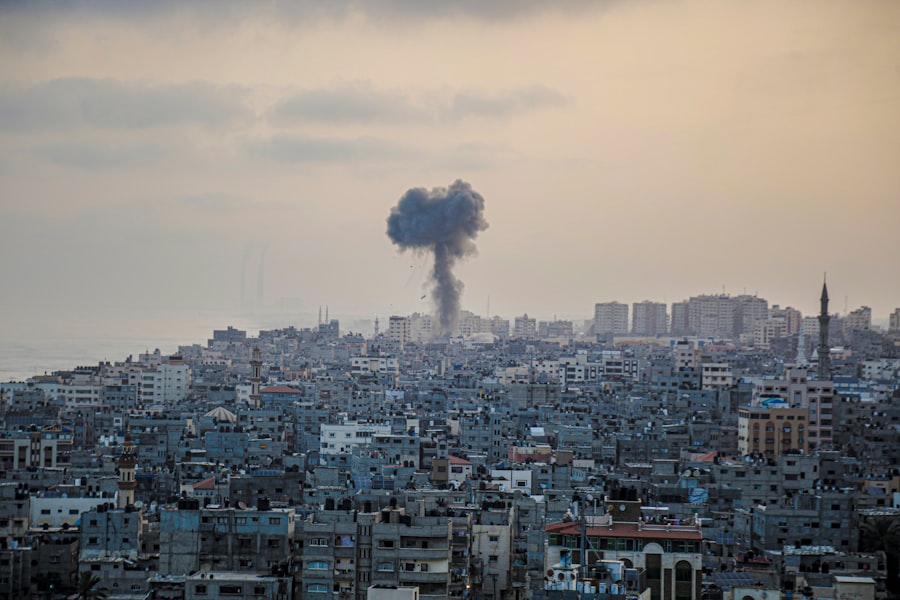
Recognizing the significant threat posed by coalition air strikes on their supply lines, enemy forces have been compelled to develop and implement countermeasures to adapt to these disruptions. These adaptations are often a reflection of their resourcefulness and their determination to continue their operations.
Diversification of Supply Routes
One of the primary countermeasures is the diversification of supply routes. Instead of relying on a few well-established and predictable arteries, enemy forces attempt to spread their logistical operations across a wider network of less obvious paths.
Utilizing Smaller, Dispersed Convoys
Rather than sending large, vulnerable convoys, enemy forces have increasingly opted for smaller, more dispersed units. This makes it more difficult for coalition aircraft to detect and engage them as a single, lucrative target. The risk is spread out, increasing the chances that some portion of the supply will reach its destination.
Employing Camouflage and Deception Tactics
The use of camouflage and deception tactics is crucial for concealing supply movements. This can involve painting vehicles to blend in with their surroundings, using natural cover such as dense vegetation or tunnels, and even employing decoys to draw attention away from legitimate supply efforts.
Increased Use of Irregular Transportation Methods
Enemy forces have also resorted to more irregular and unconventional methods of transportation. This can include the use of bicycles, pack animals, and even human couriers for smaller, critical items. While these methods are significantly slower and have limited capacity, they can be more difficult to detect and intercept by air power alone.
Establishing Underground and Concealed Depots
To protect their stockpiles from air strikes, enemy forces have increasingly focused on establishing underground and concealed depots. These facilities are designed to be hidden from aerial observation and to withstand significant explosive force.
Tunnel Networks and Hidden Caches
The construction of extensive tunnel networks has become a common tactic. These tunnels can serve as storage facilities, transit routes, and even living quarters, providing a secure environment for personnel and materiel. Beyond tunnels, caches of weapons, ammunition, and supplies are often hidden in remote or inaccessible locations.
Fortified Storage Facilities
In some cases, enemy forces have invested in the construction of more fortified storage facilities. These may be reinforced with concrete and earth, designed to offer a degree of protection against conventional air-dropped ordnance. The challenge for coalition forces then becomes identifying and neutralizing these hardened targets.
The coalition air attacks on Iraqi supply routes have significantly impacted the logistics of various armed groups operating in the region. These operations aim to disrupt the flow of resources and reinforcements, thereby weakening the enemy’s operational capabilities. For a deeper understanding of the strategic implications of these airstrikes, you can read a related article that delves into the effectiveness of such military tactics in modern warfare. This analysis can be found here.
The Broader Implications for Regional Stability
| Date | Location | Number of Attacks | Impact |
|---|---|---|---|
| March 15, 2021 | Anbar province | 5 | Disrupted supply lines |
| April 2, 2021 | Mosul | 3 | Destroyed multiple vehicles |
| May 10, 2021 | Baghdad | 7 | Significantly reduced enemy capabilities |
The sustained disruption of Iraqi supply routes by coalition air strikes has broader implications for regional stability. It not only impacts the immediate conflict but also influences the dynamics of power, the humanitarian situation, and the long-term prospects for peace and security in the region.
Impact on Civilian Populations
While the primary targets are military supply lines, the disruption of these routes inevitably has an impact on civilian populations. The scarcity of goods, including food, medicine, and fuel, can lead to humanitarian crises, increased poverty, and further displacement of people.
Food and Water Security
The disruption of agricultural supply chains and the delivery of essential food items can lead to widespread food shortages and malnutrition. Similarly, the interruption of water purification supplies and the maintenance of water infrastructure can exacerbate existing water scarcity issues, leading to health crises.
Medical Supplies and Healthcare Access
Access to medical supplies and the ability of healthcare workers to reach those in need are also severely impacted. This can lead to increased mortality rates from preventable diseases and injuries, further straining already fragile healthcare systems.
Shifting Power Dynamics
The degradation of logistical capabilities can lead to significant shifts in power dynamics within Iraq and the surrounding region. Groups that were once capable of sustained operations may find themselves weakened and unable to assert their influence, while other actors may seek to exploit the vacuum.
Weakening of Non-State Armed Groups
The primary objective of these strikes is to weaken non-state armed groups that threaten stability. By curtailing their ability to fight, coalition efforts aim to reduce their capacity for violence and their ability to destabilize the region.
Potential for Resurgence of Other Actors
Conversely, the weakening of one group may create an opportunity for another to rise. This could include rival factions within the insurgency, or even state actors seeking to expand their influence in the region. Careful monitoring of these power shifts is essential for maintaining long-term stability.
The Long-Term Prospects for Peace and Security
Ultimately, the effectiveness of coalition air strikes in disrupting supply routes contributes to the broader goal of enhancing regional peace and security. By degrading the capacity for conflict, these operations can create the conditions necessary for diplomatic solutions and the eventual rebuilding of stable societies.
Creating Space for Political Solutions
By reducing the military options available to belligerent groups, air interdiction can create a more conducive environment for political dialogue and negotiation. When combatants are unable to sustain their fight, they may be more inclined to seek a peaceful resolution to the conflict.
Deterrence and Prevention of Future Conflicts
The successful implementation of these disruptive strategies can also serve as a powerful deterrent against future aggression. Potential adversaries may be less inclined to initiate conflicts if they understand that their logistical lifelines are vulnerable to swift and effective interdiction.
In conclusion, coalition air strikes on Iraqi supply routes represent a sophisticated and evolving aspect of modern warfare. By strategically targeting the arteries of logistical support, coalition forces aim to degrade enemy capabilities, reduce their operational tempo, and ultimately contribute to a more stable and secure Iraq. The effectiveness of these operations hinges on precise intelligence, advanced air power, and a clear understanding of the cascading impacts on both the enemy and the wider region. The ongoing adaptation by enemy forces underscores the dynamic nature of this conflict and the continuous need for vigilance and strategic adjustment by coalition partners.
The Invisible Attack That Crippled Iraq’s Army | Desert Storm Documentary
FAQs
What are coalition air attacks on Iraqi supply routes?
Coalition air attacks on Iraqi supply routes refer to the military operations conducted by a coalition of countries to target and disrupt the transportation of supplies and resources to Iraqi military forces.
When did coalition air attacks on Iraqi supply routes begin?
Coalition air attacks on Iraqi supply routes began in response to the threat posed by the Iraqi military and its ability to receive essential supplies and resources. The specific start date may vary depending on the specific operation or campaign.
How are coalition air attacks on Iraqi supply routes carried out?
Coalition air attacks on Iraqi supply routes are typically carried out using aircraft, drones, and other aerial assets to target and destroy vehicles, convoys, and infrastructure used to transport supplies to Iraqi military forces.
What is the goal of coalition air attacks on Iraqi supply routes?
The goal of coalition air attacks on Iraqi supply routes is to disrupt the flow of essential supplies and resources to Iraqi military forces, thereby weakening their ability to sustain operations and engage in combat.
What impact do coalition air attacks on Iraqi supply routes have on the conflict?
Coalition air attacks on Iraqi supply routes can have a significant impact on the conflict by limiting the Iraqi military’s ability to receive essential supplies, hindering their operational capabilities, and ultimately weakening their overall position in the conflict.