Operation Desert Storm, the decisive coalition effort to liberate Kuwait from Iraqi occupation in 1991, stands as a seminal moment in modern military history. While the thunder of tanks and the grit of desert combat often dominate narratives, the true architect of the coalition’s overwhelming victory was the swift and decisive establishment of air superiority. This wasn’t merely about bombing targets; it was a sophisticated, multi-faceted campaign that systematically dismantled Iraq’s ability to wage war from the air, paving the way for a ground offensive that was, in many respects, an anticlimax. The initial phase of Desert Storm, codenamed Operation Instant Thunder, focused on achieving this crucial dominance, transforming the battlefield before a single coalition ground soldier had to face significant Iraqi air power.
The Strategic Imperative: Why Air Superiority Mattered
The liberation of Kuwait was a complex undertaking, fraught with potential dangers. Iraq possessed a substantial military, including a significant air force and formidable ground defenses. Without control of the skies, coalition forces would have been vulnerable to devastating air attacks, reconnaissance by enemy aircraft, and the unimpeded movement of Iraqi forces. The Gulf War demonstrated with stark clarity that in a modern conflict, achieving air superiority is not a luxury but a fundamental prerequisite for success in all other domains of warfare.
The Iraqi Threat: A Formidable, Yet Flawed, Air Force
Prior to the invasion of Kuwait, Saddam Hussein’s regime had invested heavily in its air force, acquiring a diverse inventory of Soviet-era aircraft. These included advanced MiG-29 Fulcrums, Su-24 Fencers, and Mirage F1s, alongside a host of other fighter jets and attack aircraft. The Iraqi Air Force was designed for offensive operations, capable of projecting power and posing a significant threat. However, this force was plagued by several critical weaknesses that the coalition would expertly exploit.
Aging Technology and Limited Training
While some Iraqi aircraft were relatively modern, a significant portion of their fleet consisted of older models, lacking the advanced avionics and weapon systems of their Western counterparts. Furthermore, years of international sanctions and political isolation had severely hampered the quality of pilot training and aircraft maintenance. This meant that even advanced platforms were often operated by less experienced crews, with limited access to the latest operational tactics and combat experience.
Command and Control Deficiencies
The Iraqi military, despite its size, suffered from a notoriously centralized and inefficient command and control structure. This made it difficult to coordinate air operations effectively, respond to rapidly changing battlefield conditions, and integrate air power with ground forces in a cohesive manner. This rigidity proved to be a fatal flaw when confronted with the fluid and adaptable nature of coalition air operations.
The Coalition’s Vision: A Multi-Pronged Air Campaign
The coalition’s air campaign was meticulously planned and executed, leveraging technological superiority and overwhelming force to achieve air dominance rapidly. The strategy was not simply to destroy Iraqi aircraft in the air, but to systematically degrade their entire air infrastructure and operational capacity.
The Pillars of Air Dominance
The achievement of air superiority rested on several key pillars: Suppression of Enemy Air Defenses (SEAD), elimination of the Iraqi Air Force (both in the air and on the ground), and the degradation of Iraqi command, control, and communications (C3) capabilities. Each of these elements was crucial in neutralizing the Iraqi threat and creating the conditions for the subsequent ground offensive.
The success of Operation Desert Storm in achieving air superiority played a crucial role in the effectiveness of ground warfare tactics employed during the conflict. For a deeper understanding of how air power influenced ground operations and the overall strategy of the coalition forces, you can read a related article that explores these dynamics in detail. Check it out here: Desert Storm: Air Superiority and Ground Warfare.
Suppression of Enemy Air Defenses: Blinding the Iraqi Eye
One of the most critical and innovative aspects of the Desert Storm air campaign was the relentless effort to suppress Iraq’s extensive air defense network. This vast array of surface-to-air missiles (SAMs), anti-aircraft artillery (AAA), and early warning radar systems posed a significant threat to coalition aircraft. Without neutralizing these defenses, the air campaign would have been prohibitively costly.
The SEAD Mission: A Constant and Deadly Dance
The SEAD mission was an ongoing, round-the-clock operation. Specialized aircraft, equipped with advanced electronic warfare systems, were tasked with detecting, locating, and destroying enemy radar sites and SAM batteries. These missions were incredibly dangerous, requiring pilots to fly into heavily defended airspace.
HARM Missiles and Precision Strikes
The AGM-88 High-speed Anti-Radiation Missile (HARM) proved to be a game-changer. These missiles were designed to home in on radar emissions, allowing coalition aircraft to attack enemy air defense systems once they were activated. This created a deadly feedback loop for the Iraqis: the more they used their radar, the more vulnerable they became. Precision-guided munitions (PGMs) also played a vital role, allowing for surgical strikes against critical air defense nodes with minimal collateral damage.
The Role of Electronic Warfare
Beyond HARM missiles, a sophisticated array of electronic warfare (EW) assets was deployed. These included jamming aircraft, decoys, and other systems designed to disrupt Iraqi radar and communications, blind their targeting systems, and confuse their air defense operators. This electronic “fog of war” significantly degraded the effectiveness of Iraqi air defenses.
The Impact on Ground Operations
The success of SEAD operations had a profound impact on the subsequent ground war. Coalition ground forces were able to advance with significantly reduced risk of air attack. The Iraqi army, stripped of its eyes and ears in the sky and unable to coordinate effectively, was left isolated and vulnerable.
Eradicating the Iraqi Air Force: From the Ground Up
The coalition’s strategy extended beyond merely suppressing defenses; it aimed to utterly dismantle the Iraqi Air Force. This involved attacking aircraft on the ground, interdicting any attempts at airborne operations, and destroying the infrastructure that supported them.
The “Desert Kill Box”: A Ground War for the Sky
The coalition employed the concept of the “desert kill box,” a designated area where Iraqi aircraft were effectively trapped. Initially, Iraqi aircraft were incentivized to flee to Iran, a move that effectively removed them from the battlefield. For those that remained, the coalition’s air power was overwhelming.
Attacks on Airfields and Aircraft on the Ground
The initial phases of Desert Storm saw massive bombing campaigns targeting Iraqi airfields, hangars, and hardened aircraft shelters. The goal was to destroy as many Iraqi aircraft as possible before they could even taxi for takeoff. This included the use of runway cratering munitions to prevent operations and the strategic targeting of parked aircraft with laser-guided bombs and missiles.
The Challenge of Dispersal and Hardened Shelters
The Iraqis, anticipating coalition air attacks, had dispersed some of their aircraft and utilized hardened shelters. However, the sheer scale and precision of the coalition’s bombing campaign, coupled with the advanced targeting capabilities, meant that even these measures offered limited protection.
Air-to-Air Engagements: A Mismatch in the Sky
While the primary focus was on ground-based threats and aircraft on the ground, the coalition air forces were also ready for air-to-air combat. However, the Iraqi Air Force, hampered by its deficiencies and the overwhelming presence of coalition fighters, rarely posed a significant threat in the air.
The Stealth Advantage: F-117 Nighthawks and F-22 Raptors
The F-117 Nighthawk stealth fighter played a crucial role in striking heavily defended targets, including airfields and command centers, with impunity. While the F-22 Raptor was not yet operational in Desert Storm, the nascent stealth technology demonstrated by the F-117 foreshadowed the future of air combat.
Superior Training and Technology
Coalition fighter pilots, operating advanced platforms like the F-15 Eagle and F-16 Fighting Falcon, benefited from superior training, tactics, and technology. This, combined with the crippled state of the Iraqi Air Force, resulted in a near-perfect kill ratio in any limited engagements that occurred.
Degraded Command and Control: Silencing the Iraqi Brain
A key element of achieving air superiority was the systematic degradation of Iraq’s command and control (C3) infrastructure. Saddam Hussein’s regime relied on a centralized command structure, and disrupting this network was crucial for preventing coordinated responses and sowing chaos.
Targeting the Nerve Center: C3 Nodes and Communications Hubs
Coalition air power was directed at critical C3 nodes, including communication centers, radar control facilities, and command bunkers. The destruction of these facilities severed the links between Saddam’s command, his military units, and his air assets.
The Impact of Precision Strikes
Precision-guided munitions allowed for the accurate targeting of these vital C3 nodes. The bombing of the Air Operations Center in Baghdad, for example, was a significant blow to the Iraqi Air Force’s ability to coordinate its operations.
Psychological Warfare Through Communication Disruption
Beyond the physical destruction, the disruption of communications also had a psychological impact. Iraqi soldiers and airmen were left isolated, unable to receive orders or communicate with their superiors, leading to confusion and a decline in morale.
The Role of Airborne Warning and Control Systems (AWACS)
Coalition AWACS aircraft provided an unparalleled situational awareness for friendly forces. These airborne command posts could track both friendly and enemy aircraft, coordinate fighter patrols, and direct attacks with incredible efficiency, further amplifying the coalition’s C3 advantage.
The success of Operation Desert Storm was largely attributed to the overwhelming air superiority achieved by coalition forces, which played a crucial role in shaping the dynamics of ground warfare. This strategic advantage allowed ground troops to advance with reduced risk and increased efficiency. For a deeper understanding of the tactics employed during this pivotal conflict, you can explore a related article that delves into the intricacies of air-ground coordination and its impact on the overall campaign. To read more about this fascinating topic, visit this article.
Ground Warfare: The Air Supremacy Dividend
The overwhelming success in achieving air superiority fundamentally reshaped the ground war. The coalition’s ground forces faced an enemy that was disoriented, demoralized, and largely unable to defend itself from the air.
The “Highway of Death” and the Retreat of Iraqi Forces
The iconic “Highway of Death” was a stark testament to the coalition’s air dominance. As Iraqi forces attempted to retreat from Kuwait, they were relentlessly targeted by coalition aircraft, turning their escape route into a scene of utter devastation. This demonstrated the devastating consequences of an army exposed to unhindered air power.
Unimpeded Movement and Reconnaissance
Coalition ground forces enjoyed near-total freedom of movement. They could advance without fear of aerial ambush, and their reconnaissance aircraft provided real-time intelligence on enemy positions and movements. This allowed for rapid maneuver warfare and the exploitation of enemy weaknesses.
Air Support for Ground Troops: Close Air Support (CAS)
When needed, coalition aircraft provided highly effective close air support (CAS) for ground troops. This meant that even in the face of determined Iraqi resistance, air power was available to quickly neutralize threats, suppress enemy positions, and pave the way for ground advances.
The Limited Iraqi Ground Threat
Without the ability to effectively coordinate and support their ground operations with air power, the Iraqi ground forces were significantly hampered. Their defensive positions, while often well-prepared, lacked the resilience to withstand the combined assault of ground and air power. The overwhelming air superiority ensured that the ground war, while still involving combat, was far less costly and decisive than it might have been otherwise.
Legacy and Lessons Learned: A Paradigm Shift in Warfare
Operation Desert Storm, and particularly its air campaign, offered profound lessons for future military operations. It underscored the indispensable role of air power in modern warfare and served as a blueprint for achieving and maintaining air superiority.
The Importance of Technological Advancement
The war highlighted the critical importance of investing in advanced technologies, such as stealth, precision-guided munitions, and sophisticated electronic warfare systems. These technologies provided a decisive edge and allowed for operations with unprecedented accuracy and effectiveness.
The Evolution of Air Combat Doctrine
Desert Storm also contributed to the evolution of air combat doctrine. The emphasis on SEAD, the systematic degradation of enemy air forces, and the integration of air power with ground operations became standard practice. The war demonstrated that air superiority is not an end in itself but a means to achieve broader strategic objectives.
The Human Element: Skill and Training
While technology played a crucial role, the skill and dedication of coalition aircrews were equally important. Their rigorous training, professionalism, and courage were essential for executing the complex and dangerous missions required to achieve air dominance. Desert Storm remains a powerful reminder that even the most advanced technology requires skilled operators to wield it effectively. The unseen hand of air superiority, meticulously orchestrated and ruthlessly applied, was the true force that ensured the swift and decisive victory in Operation Desert Storm, fundamentally altering the landscape of modern military conflict.
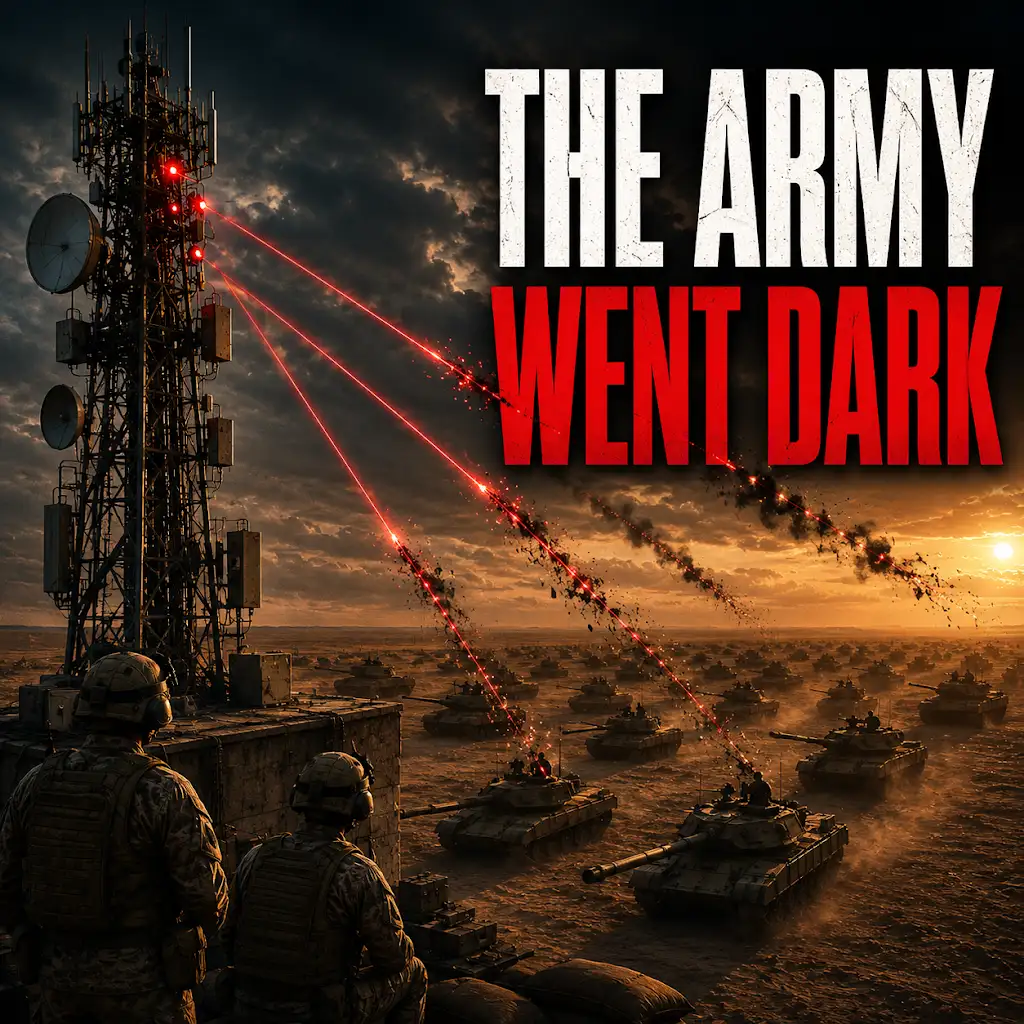
The Invisible Attack That Crippled Iraq’s Army | Desert Storm Documentary
FAQs

What was the goal of Desert Storm air superiority and ground warfare?
The goal of Desert Storm air superiority and ground warfare was to liberate Kuwait from Iraqi occupation and to enforce United Nations Security Council resolutions.
How did the coalition achieve air superiority during Desert Storm?
The coalition achieved air superiority during Desert Storm through a combination of advanced aircraft, precision-guided munitions, electronic warfare, and effective coordination among the participating countries.
What role did ground warfare play in Desert Storm?
Ground warfare played a crucial role in Desert Storm, as coalition forces launched a ground offensive to drive Iraqi forces out of Kuwait. This involved a combination of armored and infantry units, supported by air and artillery strikes.
What were the key factors that contributed to the success of Desert Storm air superiority and ground warfare?
Key factors that contributed to the success of Desert Storm air superiority and ground warfare included superior technology and training of coalition forces, effective coordination and communication, and the strategic use of air power to weaken Iraqi defenses.
What impact did Desert Storm air superiority and ground warfare have on future military operations?
The success of Desert Storm air superiority and ground warfare demonstrated the effectiveness of combined arms operations and the importance of air superiority in modern warfare. It also influenced future military strategies and the development of advanced weapons systems.