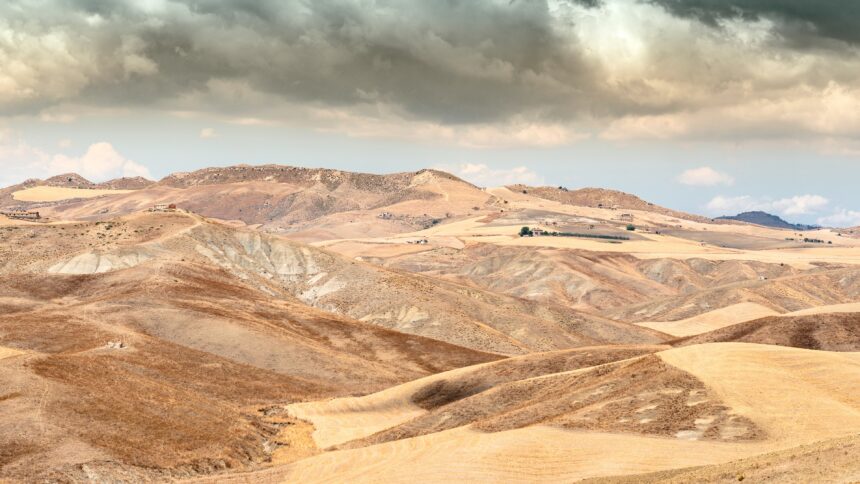
The desert wind, a relentless sculptor of sand and secrets, whispered across the vast expanse of Kuwait. For the elite members of the Marine Corps’ Reconnaissance Battalions, codenamed “Wild Weasels,” this harsh environment was not an obstacle, but a canvas upon which they would paint a crucial chapter of Operation Desert Storm. These were not just soldiers; they were the eyes and ears of the coalition, the silent predators who moved in the shadows, gathering intelligence, disrupting enemy lines, and setting the stage for the thunderous advance of conventional forces.
The deployment of the Wild Weasels was born out of necessity, a recognition that in the modern, high-tech battlefield, information was paramount. As Iraq’s invasion of Kuwait plunged the region into crisis, military planners understood the critical need for reconnaissance that could operate deep behind enemy lines, providing real-time intelligence on troop movements, defensive positions, and logistical hubs. Traditional reconnaissance methods, while valuable, often lacked the speed and surgical precision required in such a rapidly evolving conflict. The Wild Weasel concept was specifically designed to address these shortcomings.
Defining the Mission: More Than Just Observation
The primary objective of the Wild Weasels extended far beyond simple observation. They were tasked with conducting deep reconnaissance, harassing enemy formations, and performing direct action missions against high-value targets. This multifaceted mandate required a unique blend of skills, training, and equipment. They were expected to be masters of camouflage, survival, and small-unit tactics, capable of operating independently for extended periods with minimal support. Their missions were often clandestine, designed to inflict psychological as well as physical damage on the enemy, sowing confusion and doubt.
Selecting the Elite: The Rigors of Wild Weasel Training
The selection process for Wild Weasel operators was notoriously stringent. It involved not only exceptional physical fitness but also a high degree of mental fortitude, adaptability, and unwavering self-reliance. Candidates were subjected to grueling training regimes that tested their limits in every conceivable way. This included advanced land navigation, survival skills in extreme desert environments, small-unit tactics, close-quarters combat, and extensive training in the operation of specialized reconnaissance and communication equipment. The psychological conditioning was equally vital, preparing them for the isolation, stress, and inherent dangers of deep penetration missions.
The “Ghost Warriors” of the Desert: Unique Operational Parameters
The Wild Weasels operated under unique parameters that set them apart from conventional units. Their operational tempo was often relentless, characterized by long patrols, minimal sleep, and constant vigilance. They were expected to move with extreme stealth, often under the cover of darkness, blending seamlessly into the unforgiving desert landscape. Their small team sizes – typically four to six operators – allowed for incredible agility and maneuverability, enabling them to exploit opportunities and evade detection. The term “ghost warriors” was often used to describe their ability to appear and disappear without a trace, leaving the enemy perpetually on edge.
During Operation Desert Storm, the Wild Weasels played a crucial role in suppressing enemy air defenses, allowing coalition forces to achieve air superiority. For a deeper understanding of their missions and the tactics employed, you can read a related article that explores the significance of the Wild Weasels during this pivotal conflict. This article provides insights into their operations and the challenges they faced in the air. To learn more, visit this link.
Beyond the Horizon: Strategic Reconnaissance in Desert Storm
As the coalition forces amassed on the Saudi Arabian border, the Wild Weasels were already a critical component of the intelligence-gathering effort. Their missions were designed to provide a comprehensive picture of the Iraqi military’s disposition, capabilities, and intentions within Kuwait and southern Iraq. This intelligence was instrumental in shaping the coalition’s overall strategy and identifying key targets for pre-invasion airstrikes and the eventual ground assault.
Mapping the Enemy’s Defenses: Identifying Fortifications and Minefields
One of the most critical tasks assigned to the Wild Weasels was the meticulous mapping of Iraqi defensive positions. This included identifying the locations of trenches, bunkers, artillery emplacements, and known minefields. Operating in small, highly mobile units, they would navigate treacherous terrain, often under the threat of enemy patrols, to pinpoint these vital assets. The information they gathered allowed combat engineers to plan safe routes for the advancing ground forces, minimizing casualties from mines and artillery fire.
Tracking Troop Movements: Unveiling the Iraqi Order of Battle
Understanding the enemy’s order of battle was paramount to the coalition’s success. The Wild Weasels were tasked with tracking the movements of Iraqi regular army units, Republican Guard divisions, and paramilitary forces. Through discreet observation posts and the use of advanced surveillance technology, they provided real-time updates on troop concentrations, logistical convoys, and any shifts in defensive posture. This intelligence allowed commanders to anticipate enemy actions and adjust their own operational plans accordingly.
Assessing Enemy Capabilities: Evaluating Weapons Systems and Logistics
Beyond troop numbers and positions, the Wild Weasels also focused on evaluating the enemy’s capabilities. This involved identifying the types of weaponry deployed, assessing their operational readiness, and understanding their logistical support networks. Were their tanks operational? Was their artillery supplied with sufficient ammunition? Were their supply lines functioning effectively? The answers to these questions, provided by the Wild Weasels, directly influenced the coalition’s targeting strategies and the effectiveness of airstrikes.
The Art of Ambush: Disrupting Enemy Operations

While reconnaissance was their primary role, the Wild Weasels were also trained and equipped to conduct offensive actions that disrupted enemy operations. These missions, though often small in scale, had a disproportionately large impact on the enemy’s morale and operational effectiveness. They were the persistent thorn in the side of the Iraqi forces, creating an environment of uncertainty and fear.
Targeted Strikes: Hitting Critical Infrastructure and Command Nodes
The Wild Weasels were adept at conducting precision strikes against critical enemy infrastructure and command nodes. This could involve sabotaging communication lines, destroying fuel depots, or neutralizing key artillery positions. Operating with speed and surprise, they could infiltrate an area, execute their objective, and exfiltrate before the enemy could effectively respond. These missions aimed to degrade the enemy’s ability to coordinate their defenses and wage sustained combat.
Psychological Warfare: The Impact of Unseen Attacks
The psychological impact of the Wild Weasels’ operations cannot be overstated. The knowledge that small, elusive enemy units could appear anywhere, at any time, to strike at their most vulnerable points, created a pervasive sense of unease among Iraqi soldiers. These unseen attacks, often occurring in the dead of night, contributed to a decline in enemy morale and created a climate of paranoia, forcing them to divert resources to internal security rather than front-line defense.
Guerrilla Tactics: Engaging and Evading Enemy Patrols
The Wild Weasels were masters of guerrilla tactics. They were trained to engage enemy patrols when necessary, inflicting casualties and then disappearing back into the desert before reinforcements could arrive. This constant harassment forced the Iraqi forces to be on high alert at all times, draining their resources and impacting their operational tempo. Their ability to blend in with the environment and move undetected made them incredibly difficult to track and counter.
Survival in the Crucible: Enduring the Desert’s Embrace
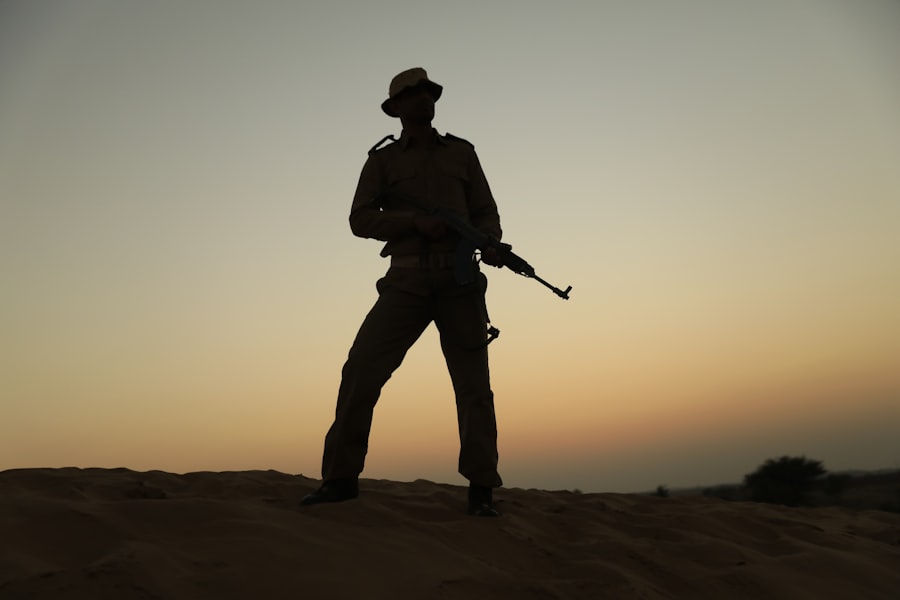
The Kuwaiti desert presented a formidable challenge to even the most seasoned operators. Extreme temperatures, scarce water resources, and the ever-present threat of the elements demanded an unparalleled level of resilience and resourcefulness. The Wild Weasels were not just soldiers; they were survivalists, intimately familiar with the harsh realities of their operational environment.
Mastering the Environment: Water Procurement and Heat Management
Water was the most precious commodity in the desert, and the Wild Weasels were trained in advanced techniques for its procurement and conservation. This included identifying potential sources of water, purifying contaminated water, and utilizing specialized equipment to minimize water loss. Equally important was their ability to manage heat exhaustion and heatstroke, understanding the physiological effects of prolonged exposure to extreme temperatures and employing preventative measures.
Camouflage and Concealment: Becoming One with the Sands
The ability to disappear into the desert landscape was a matter of life and death for the Wild Weasels. They were experts in camouflage and concealment, utilizing natural terrain and specialized gear to blend seamlessly with their surroundings. This extended to their movements, their campsites, and their equipment, all designed to be as inconspicuous as possible. They understood the importance of leaving no trace, minimizing their footprint and evading detection.
Navigating by the Stars: Land Navigation in Extreme Conditions
Traditional navigation methods were often unreliable in the featureless desert. The Wild Weasels relied on a combination of advanced GPS technology and traditional celestial navigation, becoming adept at plotting courses by the stars when electronic systems failed. Their ability to navigate with precision, even in the darkest of nights and during sandstorms, was a testament to their skill and dedication.
During Operation Desert Storm, the Wild Weasels played a crucial role in suppressing enemy air defenses, ensuring the success of coalition air operations. Their specialized tactics and advanced technology allowed them to effectively neutralize threats, paving the way for other aircraft to carry out their missions. For a deeper understanding of the Wild Weasels’ impact during this conflict, you can read more in this insightful article on the subject. The article provides a comprehensive overview of their strategies and challenges faced in the field, highlighting the significance of their contributions. Check it out here: Wild Weasels in Operation Desert Storm.
Legacy of the Wild Weasels: Unsung Heroes of Desert Storm
| Metrics | Wild Weasels during Operation Desert Storm |
|---|---|
| Number of Wild Weasel aircraft deployed | Approximately 48 |
| Number of anti-radiation missiles fired | Over 1,000 |
| Number of enemy air defense sites targeted | More than 600 |
| Percentage of successful suppression of enemy air defenses | Over 90% |
The contributions of the Wild Weasels to the success of Operation Desert Storm were immeasurable, yet often unsung. They operated in the shadows, their bravery and effectiveness measured not in public accolades but in the intelligence they provided, the disruptions they caused, and the lives they saved by paving the way for the main assault. Their story is a testament to the vital role of special operations forces in modern warfare and the extraordinary courage of the individuals who undertake these perilous missions.
The Intelligence Edge: A Crucial Factor in Coalition Victory
The intelligence gathered by the Wild Weasels provided the coalition with a critical battlefield advantage. By accurately identifying enemy positions, strengths, and weaknesses, they enabled commanders to develop more effective strategies, conduct more precise airstrikes, and ultimately achieve a decisive victory with fewer casualties than might otherwise have been expected. Their covert operations directly contributed to the coalition’s overwhelming operational success.
The Psychological Deterrent: Undermining Enemy Morale
The constant threat posed by the Wild Weasels had a significant psychological impact on Iraqi forces. The fear of unseen attacks and the knowledge that their defenses were vulnerable created a pervasive sense of unease, contributing to a decline in morale and an increased focus on internal security. This psychological warfare was an essential component of the overall coalition strategy.
The Quiet Professionals: A Tradition of Excellence
The Wild Weasels, as a part of the Marine Corps’ Reconnaissance Battalions, embodied the tradition of the “quiet professionals.” They performed their duties with exceptional skill, courage, and dedication, often in highly dangerous and demanding conditions, without seeking recognition or fanfare. Their legacy is etched in the annals of military history as an example of the extraordinary capabilities and unwavering commitment of special operations forces.
Lessons Learned and Evolving Tactics: The Future of Reconnaissance
The experiences of the Wild Weasels in Operation Desert Storm provided valuable lessons that shaped the future of military reconnaissance. The effectiveness of small, highly mobile units operating deep behind enemy lines, the importance of advanced intelligence gathering, and the integration of psychological warfare were all reinforced by their actions. These lessons continue to inform training, doctrine, and the development of new technologies for special operations forces around the world. The Wild Weasels of Desert Storm left an indelible mark, proving that even in the vastness of the desert, the smallest, most determined predators could orchestrate the downfall of a formidable enemy.
The Invisible Attack That Crippled Iraq’s Army | Desert Storm Documentary
FAQs
What were Wild Weasels during Operation Desert Storm?
Wild Weasels were specialized aircraft and crews tasked with suppressing enemy air defenses during Operation Desert Storm. Their mission was to locate and destroy enemy surface-to-air missile sites and anti-aircraft artillery to protect other coalition aircraft.
What aircraft were used as Wild Weasels during Operation Desert Storm?
The primary aircraft used as Wild Weasels during Operation Desert Storm were the F-4G Phantom II and the F-16C Fighting Falcon. These aircraft were equipped with advanced radar-seeking missiles and electronic warfare systems to detect and neutralize enemy air defense systems.
What tactics did Wild Weasels use during Operation Desert Storm?
Wild Weasels used a variety of tactics to suppress enemy air defenses, including flying at low altitudes to avoid detection, using radar-seeking missiles to destroy enemy radar sites, and jamming enemy radar and communications systems to disrupt their ability to target coalition aircraft.
What was the impact of Wild Weasels during Operation Desert Storm?
The Wild Weasels played a crucial role in Operation Desert Storm by neutralizing enemy air defenses, allowing other coalition aircraft to operate with reduced risk. Their efforts helped to establish air superiority and contributed to the overall success of the coalition air campaign.
How did Wild Weasels contribute to the overall success of Operation Desert Storm?
By effectively suppressing enemy air defenses, Wild Weasels enabled coalition aircraft to conduct successful strike missions against Iraqi targets, contributing to the overall success of Operation Desert Storm and the liberation of Kuwait. Their efforts saved countless lives and helped to achieve air superiority in the theater of operations.