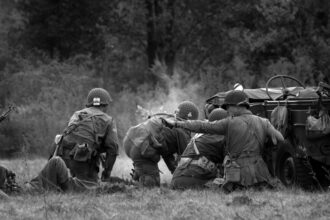
The desert winds of the Gulf War, often depicted as a thunderous ballet of missiles and mechanized infantry, concealed a more insidious struggle. Beneath the dazzling pyrotechnics of conventional warfare, a shadow conflict raged – one fought not with visible steel and explosive force, but with whispers, deception, and unseen hands. This was the realm of covert operations, a hidden dimension of the Gulf War that, while often overshadowed by the more overt displays of military might, played a crucial role in shaping its trajectory and eventual outcome. Uncovering these invisible attacks is not merely an academic exercise; it is an essential step in understanding the multifaceted nature of modern conflict and the complex strategies employed by nations to achieve their objectives.
The decision to engage in covert operations during the Gulf War was not a spontaneous one. It was born from a confluence of strategic imperatives that dictated the need for approaches beyond the conventional battlefield. The sheer scale of the Iraqi invasion of Kuwait, a blatant act of aggression that threatened regional stability and global oil supplies, demanded a swift and decisive response. However, the geographical realities of the theater of operations – vast expanses of desert, limited infrastructure, and the omnipresent threat of Iraqi chemical and biological weapons – presented significant challenges to conventional forces. Moreover, the political landscape, both domestically and internationally, necessitated careful consideration of public opinion and the potential for escalation. In this intricate environment, covert actions offered a path to achieving key objectives with a reduced risk of overt confrontation and a greater potential for influencing enemy decision-making from within.
Pre-Conflict Intelligence Gathering: The Silent Watchers
Long before the first Scud missile arced across the Kuwaiti sky, intelligence agencies were meticulously charting the enemy’s capabilities and intentions. Covert operatives, often disguised as civilians or operating under deep cover, were already embedded within Iraq and occupied Kuwait. Their mission was to gather actionable intelligence on troop movements, weapons systems, command and control structures, and the morale of the Iraqi military. This painstaking work, conducted in the shadows, provided the foundational knowledge that would inform every aspect of the coalition’s war planning, from the initial air campaign to the ground assault. The success of these silent watchers was paramount, as it allowed for the targeting of critical infrastructure and leadership, thereby weakening Iraq’s ability to wage war before the first shot was even fired.
HUMINT Operations: The Human Factor in Espionage
Human Intelligence (HUMINT) formed the bedrock of pre-conflict information gathering. Agents cultivated relationships with individuals within the Iraqi regime, military, and civilian population who possessed valuable insights. These sources, often motivated by a variety of factors including ideology, financial gain, or opposition to Saddam Hussein, provided a vital human dimension to the intelligence picture. The risks associated with HUMINT operations were immense, with capture and severe repercussions being a constant threat. Yet, the information gleaned from these brave individuals was often unparalleled in its detail and immediacy, offering glimpses into the internal workings of the Iraqi state that technical means could not replicate.
SIGINT and IMINT Support: The Electronic and Visual Eyes
While HUMINT provided the personal touch, Signals Intelligence (SIGINT) and Imagery Intelligence (IMINT) offered a broader, more systemic view. Covert electronic surveillance operations aimed to intercept Iraqi communications, providing insights into orders, troop dispositions, and strategic thinking. Simultaneously, covert reconnaissance flights and satellite imagery meticulously documented Iraqi military installations, fortifications, and troop movements. The ability to analyze these vast streams of data, often pieced together by covert analysts working tirelessly behind the scenes, allowed for the identification of critical vulnerabilities and the confirmation of information gathered through other means, further enhancing the precision of subsequent operations.
Sabotage and Disruption: Undermining the Enemy from Within
Beyond intelligence gathering, covert operations during the Gulf War were instrumental in actively disrupting Iraq’s war-fighting capabilities. Sabotage missions, often executed by small, specialized teams, targeted key logistical nodes, communication facilities, and critical infrastructure that supported the Iraqi military. The aim was not necessarily to cause massive destruction in the conventional sense, but rather to sow confusion, impede the flow of supplies, and degrade the enemy’s operational effectiveness without the overt declaration of hostilities.
Targeting Logistics and Supply Lines: The Unseen Arteries
Iraqi forces, accustomed to operating in a desert environment, relied heavily on a robust logistical network to sustain their operations. Covert teams were tasked with identifying and disrupting these vital supply lines. This could involve ambushing fuel convoys, destroying critical bridge infrastructure in remote areas, or contaminating fuel depots. Such actions, while seemingly minor in isolation, could have a cascading effect, leading to shortages, equipment malfunctions, and a significant decrease in the operational readiness of Iraqi units. The psychological impact of not knowing where or when their supplies might be interrupted was also a significant factor in degrading morale.
Disinformation Campaigns: The War of the Mind
In addition to physical sabotage, covert operations also engaged in the war of ideas and perceptions. Disinformation campaigns were strategically employed to mislead the Iraqi leadership and military. This could involve planting false intelligence reports, broadcasting fabricated radio messages, or leaking misleading information through controlled channels. The goal was to create uncertainty, sow discord within the Iraqi command structure, and potentially influence their strategic decisions in favor of the coalition. The effectiveness of such campaigns often hinged on the ability to exploit existing divisions or anxieties within the enemy ranks.
The concept of invisible attacks during the Gulf War has been a topic of extensive analysis, particularly in relation to the psychological and strategic implications of warfare. For a deeper understanding of this phenomenon, you can explore the article titled “The Silent Battlefield: Psychological Warfare in the Gulf War” on In The War Room. This article delves into the tactics used to undermine enemy morale and the long-lasting effects of such strategies. For more insights, visit In The War Room.
The Psychological Dimension: Exploiting Fear and Doubt
Covert operations are not solely about physical action; they also delve deeply into the psychological landscape of warfare. The Gulf War provided fertile ground for exploiting the fear and doubt inherent in any protracted conflict, and the invisible attacks played a significant role in this arena. By creating an atmosphere of unease and unpredictability, covert operatives aimed to erode the enemy’s will to fight and sow disarray within their ranks.
Psychological Warfare (PSYWAR) and Propaganda: Whispers in the Dark
The coalition’s PSYWAR efforts, often amplified by covert intelligence, aimed to demoralize Iraqi troops and the civilian population. This involved broadcasting messages of impending doom, highlighting the futility of resistance, and promising lenient treatment for those who surrendered. Covert operatives could facilitate the dissemination of these messages, ensuring they reached vulnerable audiences and amplified their impact. The use of leaflets, radio broadcasts, and even covertly placed graffiti all contributed to a sustained psychological assault.
Exploiting Dissident Voices: Amplifying Internal Dissent
Covert channels were utilized to identify and, where possible, amplify voices of dissent within Iraq. This could involve providing clandestine support to opposition groups or anonymously disseminating information that highlighted the regime’s failures and brutality. The aim was to encourage internal unrest and further weaken the legitimacy of Saddam Hussein’s government. The potential for these covert efforts to spark broader uprisings was a significant, albeit often unrealized, objective.
Creating Uncertainty and Paranoia: The Unseen Threat
The very nature of covert operations breeds uncertainty. The Iraqi military, aware of the potential for unseen attacks, would have been constantly on edge, unsure of the source of disruptions or the extent of the coalition’s reach. This pervasive sense of paranoia could lead to overreactions, misallocation of resources, and a general decline in operational efficiency. The knowledge that unseen enemies were operating within their midst, capable of striking at any moment, was a potent psychological weapon.
The Post-Conflict Shadow: Maintaining Pressure and Influence
The end of overt hostilities did not signify the complete cessation of covert activities in the Gulf. Even after the cease-fire, invisible attacks continued to play a role in shaping the post-war landscape, maintaining pressure on the Iraqi regime and influencing the complex geopolitical dynamics of the region.
Continued Intelligence Gathering: The Ever-Watchful Eye
Even as the dust settled, the need for intelligence remained paramount. Covert operatives continued their work, monitoring Iraq’s compliance with UN resolutions, tracking its clandestine weapons programs, and assessing the stability of the post-war regime. This ongoing intelligence gathering was crucial for informing future policy decisions and ensuring that Iraq did not re-emerge as a threat.
Monitoring Weapons of Mass Destruction (WMD) Programs: The Persistent Threat
A primary focus of post-conflict covert intelligence was the monitoring of Iraq’s WMD programs. While overt inspections were in place, covert operatives sought to uncover any hidden facilities or ongoing research that might have evaded international scrutiny. The persistent threat of Iraq possessing and potentially using WMDs necessitated a continuous and clandestine watch.
Assessing Political Stability and Internal Threats: The Unseen Undercurrents
The political landscape of Iraq in the aftermath of the war was fragile. Covert operations aimed to assess the internal power dynamics, identify potential threats to the new order, and gather intelligence on any nascent resistance movements. This information was vital for guiding coalition efforts to promote stability and prevent a resurgence of the old regime.
The concept of an invisible attack during the Gulf War has intrigued many historians and military analysts, shedding light on the unconventional tactics employed during the conflict. For those interested in exploring this topic further, a related article provides an in-depth analysis of the psychological and technological strategies that shaped the battlefield dynamics. You can read more about these fascinating aspects of warfare in the article available here.
Covert Support for Opposition Groups: Cultivating Future Alternatives
In some instances, covert channels were used to provide support – financial, logistical, or informational – to Iraqi opposition groups. The aim was to cultivate potential future leaders and foster the development of a more democratic and stable Iraq. These efforts, conducted with extreme discretion, represented a long-term strategy for shaping the future of the region.
The Ethical and Legal Labyrinth: Navigating the Grey Areas
The use of covert operations, by its very nature, exists in a complex ethical and legal landscape. The Gulf War, with its unprecedented scale and the high stakes involved, pushed these boundaries and raised important questions about the conduct of warfare and the accountability of those who operate in the shadows.
The Principle of Necessity and Proportionality: Justifying the Means
The ethical justification for covert operations often rests on the principle of necessity – that such actions are essential to achieve vital strategic objectives that cannot be met through conventional means. Furthermore, proportionality demands that the potential benefits of a covert operation outweigh the risks and potential harms. Navigating these principles in the fog of war, where information is often incomplete and the consequences of miscalculation are severe, presents a significant challenge.
The “Greater Good” Argument: Trade-offs in Warfare
The argument for covert operations often invokes the concept of the “greater good.” The idea is that certain morally questionable actions, when undertaken in secret, can ultimately lead to a more positive outcome, such as preventing a larger conflict or saving lives. However, this justification is fraught with peril, as it can be used to rationalize actions that would be unacceptable in open warfare.
Accountability and Oversight: The Challenge of the Unseen
One of the most significant challenges associated with covert operations is the issue of accountability. Because these actions are conducted in secret, it can be difficult to establish clear lines of responsibility and to ensure that operatives are acting within legal and ethical boundaries. Robust oversight mechanisms are crucial, but they are inherently more challenging to implement when dealing with clandestine activities. The lack of public scrutiny can create a breeding ground for abuse.
The Role of Intelligence Oversight Committees: Ensuring Transparency (Within Limits)
While the very nature of intelligence work demands secrecy, many nations have established intelligence oversight committees to review covert operations. These committees, often composed of elected officials, are tasked with ensuring that operations are authorized, legal, and conducted in accordance with national policy. However, the effectiveness of these committees can be hampered by the classified nature of the information they receive and the inherent difficulty in scrutinizing activities that are designed to remain hidden.
The invisible attack on Iraq during the Gulf War was a testament to the evolving nature of warfare. It demonstrated that victory is not solely achieved through the thunder of artillery or the roar of jets, but also through the subtle machinations of intelligence, deception, and psychological warfare. While the tangible scars of conventional battles are visible, the impact of these covert operations often lingers in the unseen currents of history, a reminder of the complex and often shadowy strategies that shape the destiny of nations. Understanding these invisible attacks is not just about recounting past events; it is about grasping the enduring realities of power projection and the perpetual struggle for influence in the clandestine arenas of global affairs.
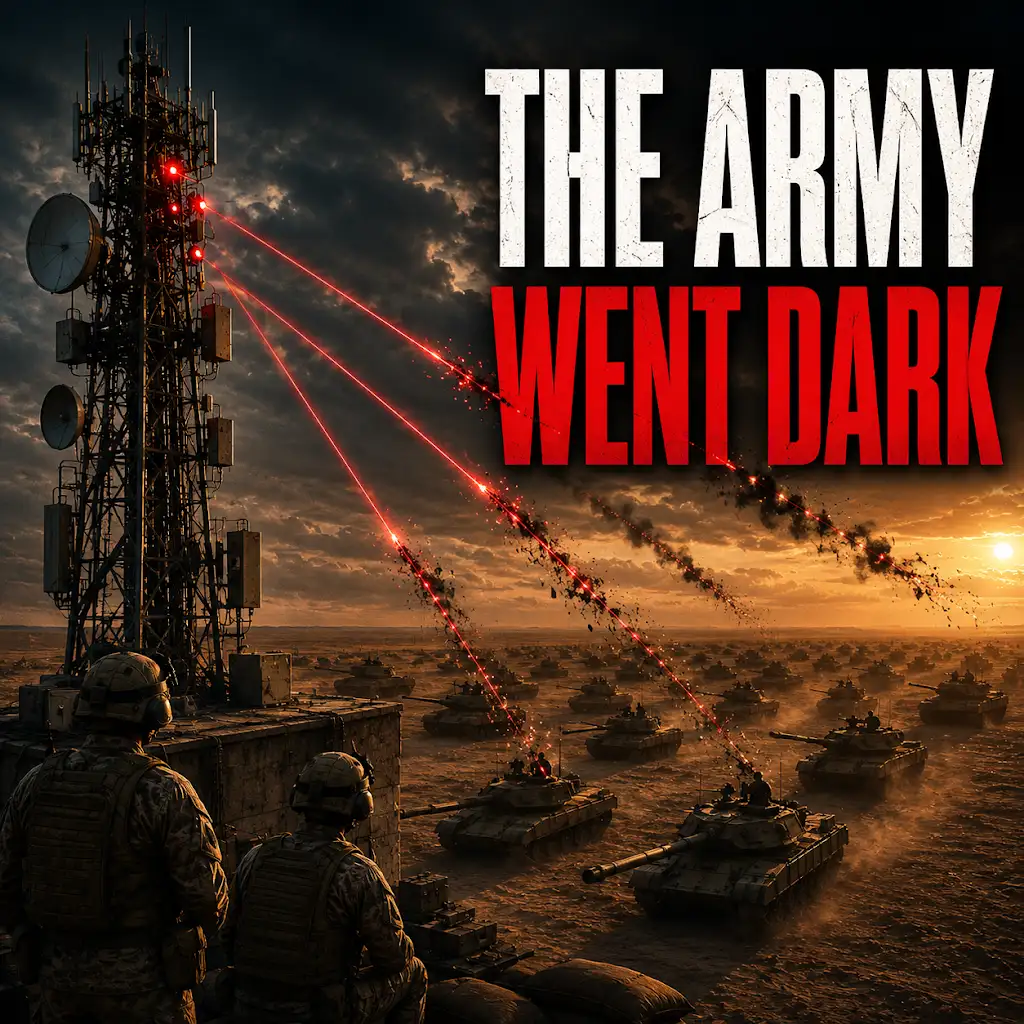
The Invisible Attack That Crippled Iraq’s Army | Desert Storm Documentary
FAQs
What was the “invisible attack” behind the Gulf War?
The “invisible attack” behind the Gulf War refers to the use of chemical weapons by Iraq against both military and civilian targets during the conflict. These chemical weapons included nerve agents such as sarin and mustard gas, which caused widespread suffering and casualties.
How were chemical weapons used during the Gulf War?
Iraqi forces used chemical weapons in the form of artillery shells, rockets, and aerial bombs. These weapons were deployed against both military and civilian targets, causing widespread fear and devastation.
What were the effects of the chemical weapons used during the Gulf War?
The use of chemical weapons during the Gulf War resulted in thousands of casualties, including both immediate deaths and long-term health issues for survivors. The effects of exposure to these chemical agents included respiratory problems, skin burns, and neurological damage.
What actions were taken in response to the use of chemical weapons during the Gulf War?
In response to the use of chemical weapons, the international community condemned Iraq’s actions and imposed sanctions on the country. Additionally, efforts were made to destroy Iraq’s chemical weapons stockpiles and prevent further use of these weapons.
What is the legacy of the “invisible attack” behind the Gulf War?
The use of chemical weapons during the Gulf War has had a lasting impact on the region, with many survivors continuing to suffer from the long-term effects of exposure. The use of these weapons also raised international concerns about the proliferation and use of chemical weapons in conflicts around the world.