The collapse of Saddam Hussein’s formidable military machine was not a sudden, catastrophic implosion, but rather a drawn-out decay fueled by deeply entrenched corruption and staggering incompetence. Decades of Ba’athist rule had systematically hollowed out the once-feared Iraqi armed forces, leaving them vulnerable and ultimately incapable of defending the regime against the 2003 invasion. While the military might of the United States and its allies was a decisive factor, it was the internal rot that rendered the Iraqi army a hollow shell, easily shattered.
Saddam Hussein’s obsession with personal control and the suppression of any potential rivals permeated every level of his regime, and his military was no exception. The traditional hierarchical structures of a professional army were deliberately undermined, replaced by a system that prioritized blind loyalty to the dictator and his family above all else. This approach, while seemingly designed to ensure control, ultimately bred inefficiency, stifled innovation, and created a pervasive atmosphere of fear and sycophancy.
The Rise of the Inner Circle
The highest echelons of the Iraqi military were not populated by the most skilled or experienced officers, but by those who had cultivated the closest ties to Saddam Hussein and his sons, particularly Uday and Qusay. These individuals, often lacking in strategic acumen or genuine military leadership, were rewarded with prestigious commands and significant power. Their primary role was not to command effectively, but to act as Saddam’s eyes and ears, ensuring that no dissent festered within the ranks. This created a dangerous disconnect between leadership and the realities on the ground.
Patronage and Nepotism
The promotion system was heavily skewed towards those with family connections or who could offer personal favors to the ruling elite. Competent officers who lacked these connections found their careers stagnating, while less capable individuals with the right “connections” rose through the ranks. This led to a widespread demoralization within the officer corps and a sense of injustice that undermined morale and esprit de corps. Many capable individuals either left the military or became disengaged, seeing no pathway for advancement based on merit.
The Cult of Personality and its Consequences
Saddam Hussein actively cultivated a cult of personality around himself, and this extended to the military. Soldiers were indoctrinated with propaganda portraying him as an invincible leader and a divinely chosen protector of Iraq. While this might have instilled a sense of initial loyalty, it also fostered a dangerous delusion. The military’s leadership became so accustomed to unquestioning obedience and the belief in Saddam’s infallibility that they were ill-prepared to confront genuine strategic challenges or adapt to evolving circumstances. The focus shifted from tactical and strategic excellence to ideological fervor.
The “Heroic” Narrative and Reality
The regime consistently presented a narrative of overwhelming military strength and unwavering Iraqi resolve. This propaganda, disseminated through state-controlled media, created a distorted picture of the army’s actual capabilities, both for the Iraqi populace and, to some extent, for the regime itself. When confronted with the realities of modern warfare and the technological superiority of the invading coalition, this disconnect between the propagandized image and the stark reality proved devastating.
The collapse of Saddam Hussein’s army during the Iraq War can be attributed to a combination of strategic miscalculations, internal dissent, and overwhelming military pressure from coalition forces. For a deeper understanding of the factors that led to this rapid disintegration, you can explore the article titled “The Fall of the Iraqi Military: An Analysis” available at In the War Room. This article provides insights into the operational failures and the impact of international intervention that ultimately contributed to the downfall of Hussein’s forces.
The Pervasive Reach of Corruption: A Drain on Resources and Morale
Corruption was not an anomaly within Saddam’s army; it was a systemic feature that permeated every level, from the procurement of essential supplies to the payment of soldiers’ meager salaries. This endemic graft siphoned off vast resources, weakened the army’s logistical capabilities, and deeply demoralized the rank and file, who bore the brunt of these corrupt practices.
Looting and Embezzlement
The vast sums of money allocated to the military were a constant temptation for those in positions of power. Commanders often enriched themselves by diverting funds meant for food, equipment, and uniforms. This meant that soldiers often went without basic necessities, leading to widespread discontent and a lack of faith in their leadership. The state’s oil wealth, instead of bolstering the military, became a source of personal enrichment for a select few.
Inadequate Provisions and Equipment
The consequences of this corruption were directly felt by the soldiers on the ground. Rations were often substandard or non-existent, leading to malnutrition and reduced combat effectiveness. Uniforms were threadbare, and essential equipment, from spare parts for vehicles to functioning communication devices, was often missing. This lack of basic provisions created a profound sense of neglect and fueled resentment.
The Black Market and Illicit Trade
A thriving black market developed within the military, where stolen or diverted supplies were sold for personal profit. This further exacerbated shortages and undermined the legitimate supply chains. Soldiers were often forced to buy essential items for themselves, further depleting their already meager pay. The officers responsible for maintaining discipline often turned a blind eye, or were themselves involved in these illicit activities.
The Arms Trade and Counterfeit Goods
The procurement of weapons and ammunition was another fertile ground for corruption. Contracts were awarded to favored individuals and companies, often at inflated prices, and frequently involved the delivery of substandard or counterfeit equipment. This meant that the Iraqi army was often equipped with weaponry that was unreliable, outdated, or simply did not function as intended. The emphasis was on lining pockets, not on ensuring battlefield readiness.
The Burden of Ideology: Political Interference and Ineffective Strategy
The Iraqi military was not a purely professional fighting force; it was deeply entwilled with the Ba’ath Party and its ideology. This political interference, coupled with rigid strategic thinking, severely hampered the army’s ability to adapt and respond effectively to the challenges it faced. The military became a tool of the regime’s political agenda rather than a national defense asset.
The Role of the Ba’ath Party
The Ba’ath Party maintained a pervasive presence within the military, with party cells and committees operating at various levels. Loyalty to the party was often emphasized over military expertise. Political officers, whose primary function was to ensure ideological purity, often wielded significant influence, sometimes even over experienced commanders. This created a culture of fear and discouraged independent thought or strategic initiative.
The “Fedayeen Saddam” and their Unprofessionalism
The establishment of paramilitary groups like the “Fedayeen Saddam,” loyal directly to Saddam and his sons, further complicated the military structure. These groups, often poorly trained and motivated by ideology rather than professional soldiery, were deployed in roles that could have been handled by regular forces. Their presence often created confusion and undermined the chain of command. Their notorious brutality, while intended to instill fear in the populace and the enemy, also served to alienate many Iraqis.
Rigid Strategic Thinking and Lack of Adaptability
The Iraqi military’s strategic doctrine was largely based on conventional warfare principles, often reflecting the experiences of past conflicts, particularly the Iran-Iraq War. This rigid approach failed to account for the advanced technological capabilities and the unconventional tactics employed by the coalition forces in 2003. There was a significant lack of emphasis on air power, sophisticated intelligence gathering, and the rapid response capabilities necessary for modern warfare.
The Illusion of Defensive Strength
The regime believed that its vast military, bolstered by a heavily fortified defense in urban areas, could withstand the initial onslaught. This was a fatal miscalculation. The reliance on static defenses and trench warfare proved ineffective against precision-guided munitions and overwhelming air superiority. The army lacked the mobility and flexibility to engage in effective maneuver warfare or to conduct rapid counter-attacks.
The Psychological Toll: Fear, Demoralization, and Desertion

The combination of corruption, incompetence, and ideological indoctrination had a profound psychological impact on the Iraqi soldiers. The pervasive fear of reprisal, coupled with the lack of basic necessities and the futility of their situation, led to widespread demoralization and a significant increase in desertions, both before and during the invasion.
The Fear of Reprisal
The regime’s brutal methods of maintaining discipline instilled a deep-seated fear among the soldiers. Any perceived disloyalty or failure could result in severe punishment, torture, or even execution. This fear often prevented soldiers from questioning orders, even when those orders seemed illogical or suicidal. It also made them reluctant to surrender or to defect, fearing the consequences should they be recaptured.
The “Loyalty Tests” and their Impact
The frequent “loyalty tests” and purges within the military created an atmosphere of paranoia. Officers and soldiers were constantly under suspicion, and many were purged or imprisoned based on flimsy evidence or personal vendettas. This eroded trust and made it difficult for soldiers to rely on their comrades or their superiors.
The Demoralizing Reality of War
As the invasion commenced, the reality of the coalition’s technological superiority and overwhelming firepower became brutally apparent. The initial bombings and ground assaults quickly exposed the weaknesses of the Iraqi defenses and the futility of resistance. Witnessing the rapid collapse of units, the destruction of equipment, and the inability of their leadership to offer any meaningful resistance had a devastating impact on morale.
Widespread Desertion and Surrender
The demoralization manifested in mass desertions and surrenders. Soldiers, lacking adequate food, ammunition, and leadership, often abandoned their posts. Many surrendered to coalition forces with little resistance, realizing that continued fighting was pointless and suicidal. The once-feared Iraqi army dissolved not through decisive battles, but through a collective loss of will.
The collapse of Saddam Hussein’s army during the Iraq War can be attributed to a combination of factors, including poor leadership, inadequate training, and the overwhelming force of coalition troops. A detailed analysis of these elements can be found in a related article that explores the strategic miscalculations made by Hussein’s regime. For a deeper understanding of the circumstances surrounding the downfall of his military, you can read more in this insightful piece here.
The Legacy of Failure: A Cautionary Tale of Dictatorship
| Reasons for Saddam Hussein’s Army Collapse |
|---|
| 1. Lack of modern equipment and technology |
| 2. Ineffective command and control structure |
| 3. International isolation and sanctions |
| 4. Low morale and desertions among troops |
| 5. Overextension of military resources |
| 6. Coalition forces’ overwhelming firepower and air superiority |
| 7. Lack of support from local population |
The collapse of Saddam Hussein’s army in 2003 stands as a stark and tragic testament to the destructive nature of unchecked corruption and incompetence within a military institution. The regime’s obsession with personal loyalty over meritocracy, its endemic corruption that siphoned off vital resources, and its rigid, ideologically driven strategic thinking all contributed to its ultimate demise.
The Erosion of Professionalism
The systematic politicization of the military, the suppression of independent thought, and the prioritization of loyalty over competence led to a profound erosion of professionalism. The army became a tool of the dictator, incapable of fulfilling its primary duty of national defense. The soldiers, starved of resources and hope, became casualties of a corrupt and misguided regime.
The Cost of Authoritarianism
The Iraqi military’s collapse offers a powerful cautionary tale about the dangers of authoritarian rule. When a state prioritizes the survival of a dictator and his cronies over the well-being and effectiveness of its institutions, the consequences can be catastrophic. The soldiers, who were meant to be the protectors of the nation, became victims of a system that valued their obedience above their lives and their capabilities.
The Long Road to Reconstruction
The aftermath of the collapse left Iraq with a devastated military infrastructure and a deeply fractured society. The process of rebuilding a new, professional, and inclusive Iraqi security force has been a long and arduous one, fraught with challenges. The legacy of Saddam’s failed army continues to cast a long shadow, serving as a constant reminder of the devastating human and national cost of corruption and incompetence. The story of its collapse is not merely a military history lesson; it is a profound indictment of a regime that prioritized its own survival and the enrichment of its elite over the security and prosperity of its people.
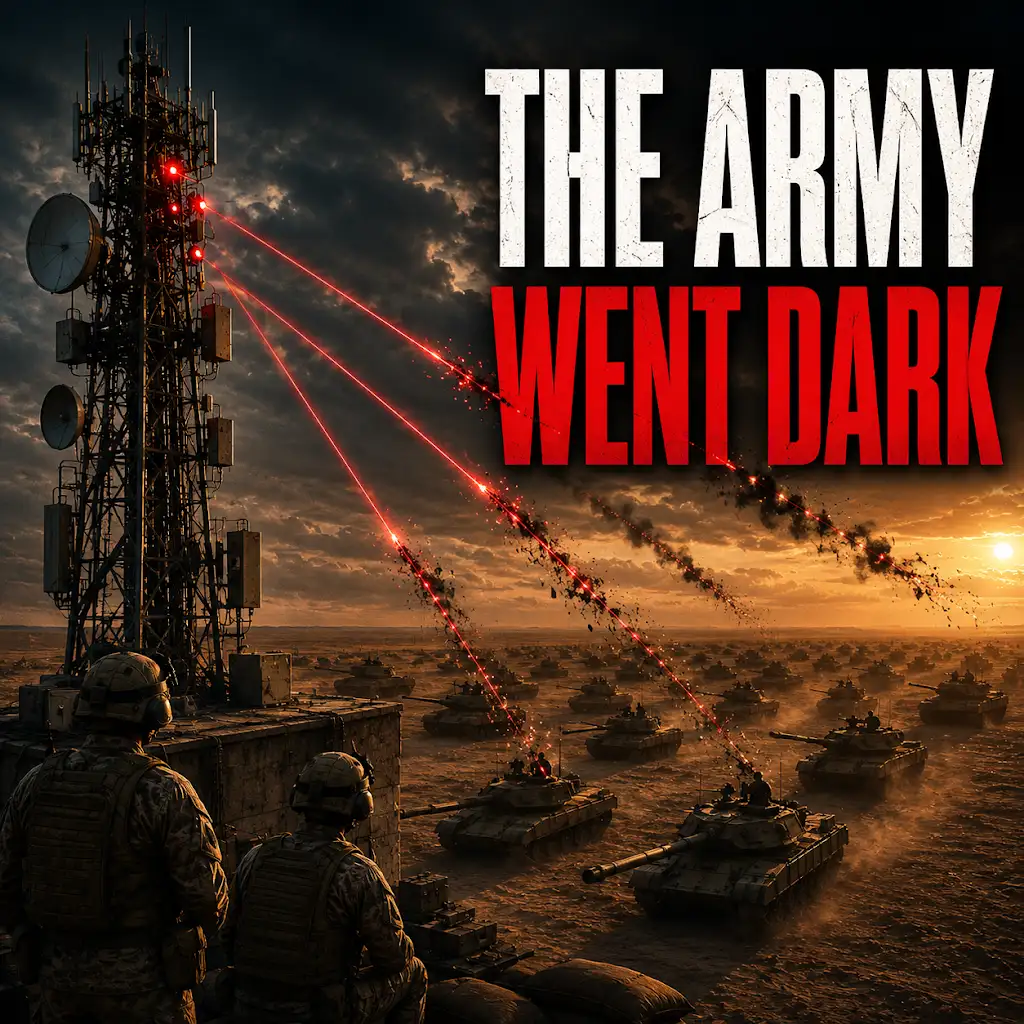
The Invisible Attack That Crippled Iraq’s Army | Desert Storm Documentary
FAQs
1. What were the main reasons for the collapse of Saddam Hussein’s army?
The collapse of Saddam Hussein’s army can be attributed to a combination of factors, including poor leadership, lack of morale, and the overwhelming military power of the United States-led coalition forces.
2. How did the United States-led coalition forces contribute to the collapse of Saddam Hussein’s army?
The coalition forces utilized advanced military technology, overwhelming air power, and superior training to quickly dismantle Saddam Hussein’s army and infrastructure.
3. What role did internal dissent and rebellion play in the collapse of Saddam Hussein’s army?
Internal dissent and rebellion, particularly among the Kurdish and Shia populations, further weakened Saddam Hussein’s army and contributed to its eventual collapse.
4. Were there any specific military tactics or strategies that led to the collapse of Saddam Hussein’s army?
The coalition forces employed a combination of air strikes, ground offensives, and special operations to systematically dismantle Saddam Hussein’s army and infrastructure.
5. What were the long-term consequences of the collapse of Saddam Hussein’s army?
The collapse of Saddam Hussein’s army led to a power vacuum in Iraq, which ultimately resulted in a period of instability, sectarian violence, and the rise of insurgent groups.