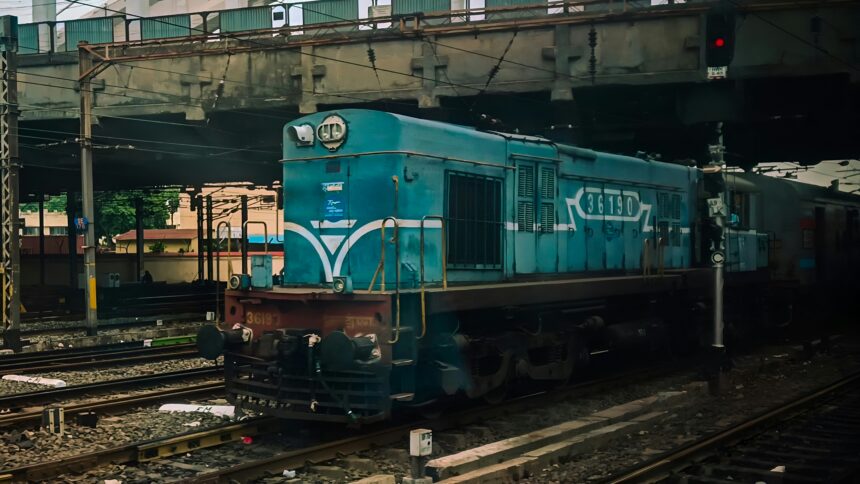
The clatter of steel wheels on steel rails, a sound that had become synonymous with progress and commerce, transformed into a symphony of strategic might during the Second World War. Railroads, often taken for granted in peacetime, proved to be the arteries of nations at war, their extensive networks indispensable for the movement of troops, materiel, and the very sinews of conflict. From the churning industrial heartlands to the distant, embattled fronts, the locomotive’s relentless power was a cornerstone of Allied and Axis victory, a testament to its enduring and vital role.
The sheer scale of World War II demanded an unprecedented logistical undertaking, a feat that would have been utterly impossible without the robust and extensive railway systems that crisscrossed continents. These iron pathways were not merely conduits; they were the lifeblood of the war machine, ensuring that resources flowed precisely where and when they were needed. The inability to effectively transport troops and supplies could cripple even the most well-equipped army, and it was the railways that provided the overwhelming mass and speed necessary to overcome such challenges. The war’s outcome hinged on the ability to mobilize, sustain, and project power, and the railroads were the silent, often unappreciated, engine that made this possible. The development of sophisticated shunting yards, specialized rolling stock, and intricate scheduling systems became critical components of military strategy, blurring the lines between civilian infrastructure and battlefield necessity.
Mobilizing the Masses: The Human Tide on the Move
The dramatic movement of millions of soldiers was one of the most visible and profound impacts of the railway system during the war. Vast armies, once mustered, needed to be transported from training camps to embarkation points, from their home nations to theaters of war across the globe. Trains became temporary homes for these servicemen, carrying them over thousands of miles, from the familiar landscapes of home to the stark realities of combat. These troop trains, often long and packed, were a testament to the human element of warfare, each carriage filled with individuals carrying their hopes, fears, and immense responsibilities. The efficiency of these movements was paramount; delays could have cascading effects on strategic timetables.
The Logistics of Deployment
The deployment of entire divisions, complete with their personnel, vehicles, artillery, and support equipment, presented a colossal logistical puzzle. Railroads were the only means capable of moving such immense concentrations of men and materiel with the necessary speed and capacity. Specialized rolling stock, including flatcars for tanks and artillery, boxcars for ammunition and supplies, and passenger coaches for troops, were marshaled into massive convoys. The coordination of these complex movements involved meticulous planning, often requiring the commandeering of civilian routes and the suspension of non-essential passenger services. The sheer volume of military personnel moved by rail was staggering, a testament to the capacity and importance of this mode of transport.
The Psychological Impact of Troop Movements
Beyond the practicalities of movement, the constant flow of troops by rail had a significant psychological impact. For the soldiers themselves, the journey was often a period of intense anticipation, a mix of camaraderie and apprehension. For the civilian populations through which these trains passed, the sight of endless troop movements served as a constant reminder of the ongoing conflict, fostering a sense of shared sacrifice and national unity. The rhythmic rumble of troop trains became an omnipresent auditory backdrop to the war effort, a persistent indication that the nation was fully engaged in the fight.
During World War II, railroads played a crucial role in the logistics and transportation of troops and supplies, significantly impacting the war’s outcome. For a deeper understanding of this vital aspect of wartime operations, you can read a related article that explores the strategic importance of railroads during this period. Check it out here: Railroads in World War II.
The Arteries of Industry: Fueling the War Machine
The roar of the factory, the clang of hammer on metal, all depended on the steady supply of raw materials and the efficient dispatch of finished goods. Railroads were the indispensable link between the mines, forests, and farms producing these vital resources and the factories that transformed them into instruments of war. Without this ceaseless flow, the war industry would have ground to a halt, rendering even the most advanced weaponry obsolete. The ability to deliver coal to power plants, iron ore to steel mills, and components to assembly lines was a direct contribution to the war effort, enabling the production of aircraft, tanks, ships, and the endless stream of ammunition required to sustain combat operations.
The Iron Ore and Coal Lifeline
The insatiable appetite for steel during wartime made the transport of iron ore and coal a paramount concern. Major railway lines were specifically routed to connect vast mining operations to burgeoning industrial centers. The sheer volume of these commodities moved by rail was immense, often necessitating dedicated freight trains that ran day and night. The disruption of these supply lines, whether through enemy action or operational failure, could have devastating consequences for war production. The efficiency of the rail network in delivering these basic components was a direct measure of a nation’s industrial capacity and its ability to wage prolonged warfare.
The Movement of Manufactured Goods
Once manufactured, the fruits of industrial labor – from aircraft engines and naval guns to uniforms and medical supplies – had to be transported to their destinations. Railroads provided the crucial link for this outbound logistics. The complexity of moving a finished fighter plane, a massive naval gun, or even thousands of individual rifles presented unique challenges that rail transport was uniquely positioned to address. Specialized rolling stock and carefully planned routes ensured that these essential items reached the front lines or crucial staging areas without undue delay. The ability to precisely synchronize the delivery of manufactured goods with the needs of the battlefield was a hallmark of effective wartime logistics.
Strategic Materiel: The Flow of Vital Supplies
Beyond raw materials and manufactured goods, the movement of strategic materiel – encompassing everything from fuel and food to ammunition and medical supplies – was a constant and critical undertaking. The railways facilitated the flow of these vital consumables to armies in the field, ensuring they could continue to fight. The logistics of supplying far-flung theaters of war, often thousands of miles from the industrial heartlands, relied heavily on the long-haul capabilities of the railway network. Without this constant replenishment, armies would have been forced to withdraw, their fighting power eroded by shortages.
Munitions to the Front Lines
Perhaps the most dramatic and impactful use of railway transport was the delivery of ammunition and ordnance to the front lines. The insatiable demand for artillery shells, bombs, and small arms ammunition required a constant and reliable supply chain. Dedicated munitions trains, often heavily guarded, became a common sight. The risk of these trains being targeted by enemy air raids or sabotage was significant, highlighting the precariousness of this vital supply line. The ability to keep the guns firing was directly dependent on the timely and secure delivery of their fuel – the ammunition.
Fueling the Engines of War
The internal combustion engine, central to modern warfare, was powered by vast quantities of fuel. Railroads were instrumental in transporting this fuel from refineries and depots to operational areas, both for tanks, trucks, and aircraft. The logistics of fuel delivery were particularly complex in remote or contested territories, where rail lines often extended into areas of active conflict. The constant flow of fuel was as critical as the flow of ammunition, as it powered the very machines that delivered firepower and maneuverability.
Sustaining the Troops: Food and Medical Supplies
The well-being of soldiers was also directly impacted by the railway system. The delivery of food, clothing, and essential medical supplies ensured that troops remained healthy, equipped, and able to fight. Even seemingly mundane items like fresh produce or clean bandages, when moved efficiently by rail, contributed directly to troop morale and fighting effectiveness. Hospitals and casualty clearing stations relied on the rail network for the timely evacuation of wounded soldiers and the delivery of life-saving medical provisions.
Disrupting the Enemy: The Target and the Tool
The very importance of railways in wartime also made them a prime target for enemy action. Allied and Axis powers alike recognized that crippling an opponent’s railway network could severely hamper their ability to wage war. Bombers, saboteurs, and artillery were all employed to disrupt, destroy, or delay the movement of crucial resources. Conversely, allied forces often used railways as a direct tool for military action, employing armored trains and using rail lines to rapidly deploy troops and equipment for offensive operations.
Bombing and Sabotage: The Weaponization of Railway Infrastructure
The strategic bombing campaigns of World War II frequently targeted railway hubs, marshalling yards, bridges, and tunnels. The objective was clear: to disrupt the enemy’s ability to move troops and supplies. These attacks were often devastating, causing significant delays and forcing extensive repairs. Alongside aerial bombardment, commando raids and partisan activity focused on sabotage, destroying tracks, derailing trains, and damaging vital infrastructure. The resilience and rapid repair capabilities of railway engineers became as important as the offensive capabilities of the military itself.
Armored Trains and Operational Deployment
In certain theaters of war, particularly where rapid troop deployment was critical and vulnerable to partisan activity, armored trains played a significant role. These heavily armed and protected locomotives could patrol vulnerable stretches of track, providing mobile fire support and transporting troops and supplies with a degree of security. Furthermore, the ability to quickly shunt and deploy troops and equipment along railway lines was a tactical advantage, allowing for rapid flanking maneuvers and surprise attacks. The railway lines themselves, therefore, transformed into lines of offensive maneuver.
During World War II, railroads played a crucial role in the logistics and transportation of troops and supplies, significantly impacting the war’s outcome. For a deeper understanding of how these rail networks were utilized and their strategic importance, you can read a related article that explores the intricate relationship between railroads and military operations. This resource provides valuable insights into the challenges and innovations that arose during this tumultuous period. To learn more, check out this informative piece on the topic at In the War Room.
The Enduring Legacy: Lessons Learned and Infrastructure Built
The Second World War left an indelible mark on the world’s railway infrastructure. In many nations, the war effort spurred significant investment in expanding and modernizing railway networks. The lessons learned in wartime logistics and the importance of efficient transportation systems continued to influence post-war planning and development. The strategic significance of railways, once starkly illuminated by the brutal realities of global conflict, underscored their ongoing importance in national defense, economic development, and the interconnectedness of the modern world.
Post-War Reconstruction and Modernization
The devastation wrought by the war necessitated massive reconstruction efforts, and railways often formed a core part of these endeavors. Rebuilding damaged lines and bridges was a priority, enabling the resumption of trade and the transport of vital reconstruction materials. Furthermore, the wartime emphasis on efficiency and speed led to significant technological advancements and modernization efforts in civilian railway systems. New signaling technologies, more powerful locomotives, and improved track construction techniques, often developed or refined during the war, found their way into post-war railway networks.
The Continued Strategic Importance of Rail
Even with the advent of air and road transport, the strategic importance of railways persisted. Their ability to move vast quantities of goods and personnel efficiently and cost-effectively, particularly over long distances, ensured their relevance. For many nations, particularly those with extensive landmasses, railways remained a critical component of their national defense infrastructure, capable of rapidly mobilizing reserves and delivering essential supplies in times of crisis. The lessons of World War II reinforced the understanding that while technology advances, the fundamental principles of efficient and robust transportation remain paramount to national security and economic prosperity.

Why Hitler Lost Because of Fuel
FAQs

1. How did railroads contribute to World War II?
During World War II, railroads played a crucial role in transporting troops, equipment, and supplies to the front lines. They were essential for the mobilization and logistics of the war effort, allowing for the rapid movement of resources across vast distances.
2. What impact did the railroads have on the war effort?
The efficient operation of railroads was vital for the success of military campaigns during World War II. They facilitated the movement of troops and supplies, enabling armies to be resupplied and reinforced, and ensuring that the war effort could be sustained over long periods of time.
3. Were railroads targeted as strategic assets during the war?
Yes, railroads were often targeted by enemy forces as part of strategic bombing campaigns. Disrupting the enemy’s rail infrastructure was a key objective in limiting their ability to transport troops and supplies, and to hinder their overall war effort.
4. How did railroads impact the home front during World War II?
Railroads played a significant role in supporting the home front during World War II by transporting goods and resources for civilian use. They also facilitated the movement of workers to industrial centers, contributing to the war production effort.
5. What technological advancements were made in railroads during World War II?
During World War II, there were significant advancements in railroad technology, including the development of more powerful locomotives, improved signaling systems, and the use of standardized rail gauges to facilitate interoperability between different rail networks. These advancements helped to enhance the efficiency and capacity of rail transportation during the war.