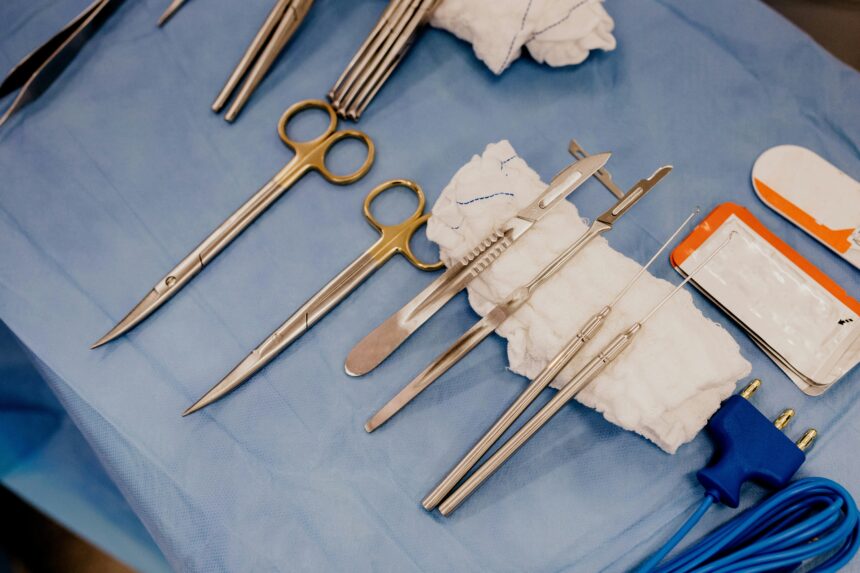
The medical supply chain – it sounds a bit like a secret society, doesn’t it? In reality, it’s the complex, often unseen network that gets everything from bandages and syringes to MRI machines and life-saving medications from their point of origin to the patient who needs them. So, does it work? Well, it’s a testament to human ingenuity and constant adaptation, but it’s also a system with its quirks and challenges. In short, the medical supply chain is a vital, intricate dance of manufacturing, logistics, and distribution, crucial for patient care but also constantly being refined and sometimes, unfortunately, stressed.
The Players: Who’s Involved in the Medical Supply Chain?
Think of the medical supply chain as a massive team effort with many different roles to play. It’s not just about one big company sending things out; it’s a whole ecosystem.
Manufacturers: The Foundation of Everything
These are the folks actually making the medical products. This can range from the big pharmaceutical giants producing complex drugs to smaller workshops crafting specialized surgical instruments. Their job is to produce high-quality, safe, and effective products that meet rigorous standards.
Pharmaceuticals and Biologics
This is a massive segment, dealing with everything from over-the-counter pain relievers to complex biopharmaceutical treatments requiring precise temperature controls. The research and development alone for these can take years and cost billions.
Medical Devices and Equipment
This covers a vast spectrum, from a simple tongue depressor to an intricate robotic surgery system. Think about the precision and sterile conditions required to produce any medical device, from a sterile needle to a sophisticated imaging machine.
Consumables and Disposables
These are the everyday items used in healthcare settings – gloves, masks, gowns, bandages, syringes, IV bags. While seemingly simple, their consistent availability and sterility are paramount.
Distributors and Wholesalers: The Connectors
These entities act as the bridges between manufacturers and healthcare providers. They buy in bulk from manufacturers and then break it down into smaller quantities to sell to hospitals, clinics, pharmacies, and other care facilities. They are the backbone of logistics.
National Distributors
These are large companies operating across vast geographical areas, managing a huge inventory of diverse medical products. They have extensive warehouse networks and complex transportation systems.
Regional and Local Distributors
These cater to specific geographic areas, offering more personalized service and faster delivery times to local healthcare providers. They often have deeper relationships with the facilities they serve.
Healthcare Providers: The End Users
This is where the supplies ultimately go. Hospitals, clinics, doctor’s offices, pharmacies, nursing homes – all of these rely on the supply chain to function. Their needs are diverse and often urgent.
Hospitals and Health Systems
These are major consumers of medical supplies, requiring a constant flow of everything from basic consumables to specialized equipment and critical medications. Their inventory management is a significant undertaking.
Pharmacies (Retail and Hospital)
Pharmacies are central to dispensing medications to the public. They need reliable access to a wide range of pharmaceuticals, often with strict storage and handling requirements.
Clinics and Physician Practices
These smaller facilities have more focused needs, but still depend on timely deliveries of essential medical supplies and medications.
Group Purchasing Organizations (GPOs): The Bargaining Power
GPOs are organizations that negotiate prices and contracts on behalf of their member healthcare providers. They leverage the collective purchasing power of many institutions to get better deals from manufacturers and distributors.
Contract Negotiation
This is their primary function – securing favorable pricing and terms for a wide range of medical products and services.
Supply Chain Optimization Consulting
Many GPOs also offer advice and support to their members on improving their own internal supply chain processes.
In exploring the complexities of the medical supply chain, a related article that provides valuable insights is available at this link: In the War Room. This article delves into the challenges and innovations within the medical supply chain, highlighting the critical role it plays in ensuring timely access to essential medical supplies, especially during crises. Understanding these dynamics is crucial for healthcare professionals and policymakers alike as they navigate the intricacies of supply chain management in the medical field.
The Journey: How Do Supplies Get From A to B?
The movement of medical supplies is a carefully orchestrated process involving numerous steps and specialized infrastructure. It’s not like ordering a pizza; there are critical factors like temperature control, regulatory compliance, and urgency involved.
Manufacturing and Production
This is where it all begins. Products are made under strict quality control conditions. Think about the sterile environments needed for pharmaceuticals and surgical instruments.
Quality Control and Assurance
Every step in manufacturing is scrutinized to ensure that products are safe, effective, and meet all regulatory requirements. This involves rigorous testing and documentation.
Regulatory Compliance
This is huge. Products must meet the standards set by bodies like the FDA in the US, or EMA in Europe. This applies to everything from the materials used to the labeling and packaging.
Warehousing and Storage
Once manufactured, supplies need to be stored safely and efficiently. This requires specialized facilities.
Temperature-Controlled Storage (Cold Chain)
Many medications and biological products must be kept within specific temperature ranges to remain viable. This is known as the cold chain, and it’s a critical and complex part of the supply chain. Any breach can render the product useless or even dangerous.
Inventory Management
Keeping track of vast quantities of diverse items is a monumental task. Sophisticated inventory management systems are essential to prevent stockouts and minimize waste.
Transportation and Logistics
Getting products from point A to point B is a massive undertaking that requires specialized transportation.
Specialized Shipping (Refrigerated Trucks, Air Freight)
Depending on the product and urgency, different modes of transport are used. Refrigerated trucks, temperature-controlled air cargo, and even specialized couriers are employed.
Tracking and Tracing
Knowing where a shipment is at all times is crucial, especially for high-value or critical items. Advanced tracking technologies are employed to monitor progress and ensure security.
Distribution to Healthcare Facilities
The final leg of the journey involves delivering supplies to the actual places where they will be used.
Just-In-Time (JIT) Delivery
Many facilities aim for JIT delivery to minimize their own storage needs and reduce the risk of obsolescence. This puts immense pressure on the distribution network to be highly responsive.
Emergency and STAT Orders
Healthcare providers often have urgent, unexpected needs. The supply chain must have mechanisms in place to handle these STAT (immediately) orders, often involving expedited shipping and dedicated resources.
Challenges and Bottlenecks: Where Things Can Go Wrong
Even the most well-oiled machine can encounter problems, and the medical supply chain is no exception. Numerous factors can disrupt the flow of essential products.
Geopolitical Events and Natural Disasters
Global events, from trade wars to earthquakes and pandemics, can have a profound impact on manufacturing and transportation.
Border Closures and Trade Restrictions
When borders close or trade becomes restricted, the movement of goods, especially internationally manufactured ones, can grind to a halt.
Infrastructure Damage
Natural disasters can destroy roads, ports, and warehouses, severing critical supply lines.
Manufacturing Issues and Quality Control Failures
Problems at the source can have ripple effects throughout the entire chain.
Production Shortages
Equipment failures, raw material shortages, or labor issues can lead to reduced production capacity.
Recalls and Product Defects
If a safety or quality issue is discovered, products may need to be recalled, creating a scramble to replace them.
Logistics and Transportation Disruptions
The movement of goods is susceptible to a wide range of problems.
Port Congestion and Shipping Delays
Global shipping networks can become overwhelmed, leading to significant delays in getting products where they need to be.
Fuel Price Volatility and Driver Shortages
Rising fuel costs can increase transportation expenses, and a shortage of truck drivers can create significant bottlenecks.
Regulatory Hurdles and Compliance Demands
Navigating the complex web of regulations can be a significant challenge.
Changing Regulations and Import/Export Controls
Keeping up with evolving regulations in different countries can be incredibly complex and time-consuming for manufacturers and distributors.
Documentation and Traceability Requirements
Detailed records and traceability are often mandated, which adds administrative burden and complexity.
Innovation and Solutions: How the Chain is Improving
The medical supply chain is not static. There’s a constant drive to make it more resilient, efficient, and responsive.
Technology Adoption
New technologies are playing a crucial role in enhancing various aspects of the supply chain.
Blockchain for Traceability and Transparency
Blockchain technology offers the potential for a secure, immutable record of a product’s journey through the supply chain, improving traceability and combating counterfeiting.
Artificial Intelligence (AI) and Machine Learning (ML) for Demand Forecasting
AI and ML can analyze vast amounts of data to predict demand more accurately, helping to prevent stockouts and reduce waste.
Automation in Warehousing and Logistics
Robotics and automated systems are being used to improve efficiency and reduce errors in warehouses and distribution centers.
Diversification and Reshoring
Reducing reliance on single sources or geographic regions is a growing trend.
Nearshoring and Reshoring Manufacturing
Bringing production closer to home, or to a more stable region, can reduce transit times and mitigate risks associated with distant supply chains.
Multi-Sourcing Strategies
Working with multiple manufacturers for critical products reduces the risk of a single point of failure.
Enhanced Collaboration and Data Sharing
Breaking down silos between different parts of the supply chain is key.
Real-time Data Platforms
Platforms that allow for seamless sharing of real-time data between manufacturers, distributors, and healthcare providers can improve visibility and responsiveness.
Risk Management and Scenario Planning
Proactive identification and planning for potential disruptions are becoming more important.
Understanding the complexities of the medical supply chain is crucial for ensuring that healthcare providers have the necessary resources to deliver effective patient care. For those interested in a deeper exploration of this topic, a related article can be found that delves into the various challenges and innovations within the industry. You can read more about it in this insightful piece on the medical supply chain by following this link. This article provides valuable insights that can enhance your understanding of how medical supplies are managed and distributed.
The Future: What’s Next for the Medical Supply Chain?
The medical supply chain is in a constant state of evolution, driven by technological advancements, global events, and the ever-present need to ensure patient care.
Increased Agility and Resilience
The focus is shifting towards building a supply chain that can quickly adapt to unexpected events. Think about how the COVID-19 pandemic highlighted vulnerabilities. The goal is to be less brittle.
Predictive Analytics for Proactive Management
Using sophisticated data analysis to anticipate problems before they occur. This could involve flagging potential raw material shortages or predicting spikes in demand due to seasonal illnesses.
Decentralized Supply Networks
Moving away from highly centralized models to more distributed networks that can continue to function even if one part is disrupted.
Greater Emphasis on Sustainability
The environmental impact of the supply chain is becoming a more significant consideration.
Reducing Waste and Optimizing Packaging
Exploring ways to minimize packaging materials, use sustainable options, and reduce product obsolescence that leads to waste.
Lowering Carbon Footprint in Transportation
Investigating more fuel-efficient shipping methods and exploring alternative logistics routes.
Integration of Digital Health and Supply Chain
As healthcare becomes more digital, the supply chain needs to keep pace.
Demand Driven by Connected Devices and Telehealth
As more patients are monitored remotely and telehealth expands, the need for timely delivery of medications and supplies to homes will increase.
Real-time Inventory Tracking from Patient Bedside
Imagine a system where the need for a supply item is automatically flagged from a patient’s bedside, triggering an immediate replenishment order. This level of integration is on the horizon.

Why Modern Medicine Can’t Store Tomorrow
FAQs
What is the medical supply chain?
The medical supply chain refers to the network of organizations, resources, and activities involved in the production, distribution, and delivery of medical supplies and equipment to healthcare facilities and patients.
What are the key components of the medical supply chain?
The key components of the medical supply chain include manufacturers, distributors, wholesalers, healthcare facilities, pharmacies, and transportation and logistics providers. These entities work together to ensure the availability and timely delivery of medical supplies.
How does the medical supply chain impact healthcare delivery?
A well-functioning medical supply chain is essential for ensuring that healthcare facilities have access to the necessary medical supplies and equipment to provide quality care to patients. Disruptions in the supply chain can lead to shortages and impact patient care.
What are some challenges in the medical supply chain?
Challenges in the medical supply chain include demand variability, supply shortages, regulatory requirements, quality control, and the need for efficient inventory management and distribution processes.
How can the medical supply chain be improved?
Improvements in the medical supply chain can be achieved through better collaboration and communication among stakeholders, leveraging technology for inventory management and tracking, implementing supply chain resilience strategies, and investing in infrastructure and capacity building.