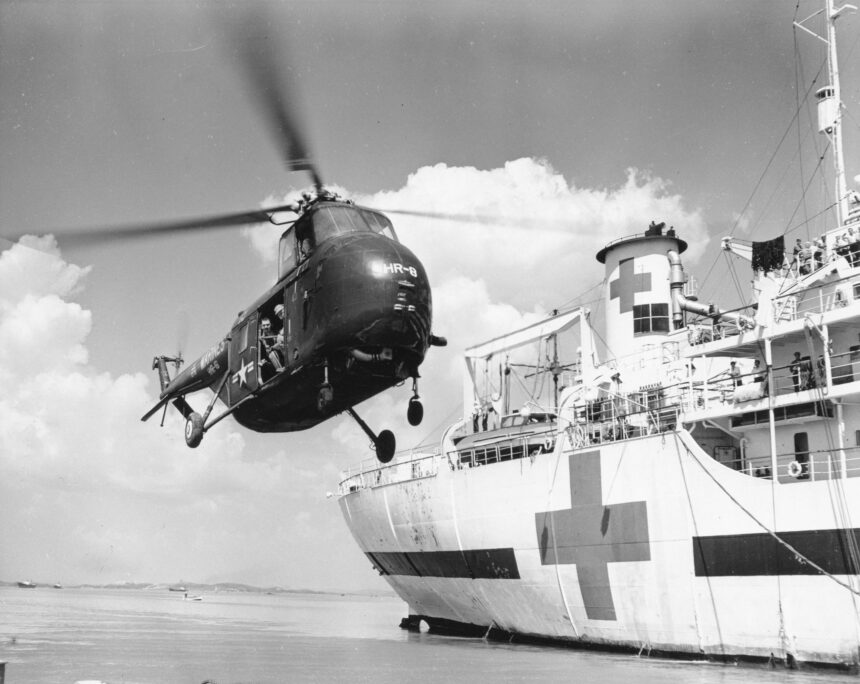
Getting crucial medical supplies where they need to be, on time, all over the world, is a massive undertaking. It’s the backbone of global health, really, and when it works well, it means people get the treatments and medicines they need, even in the most remote or challenging places. This piece dives into how we make that happen efficiently, focusing on what actually makes a difference in ensuring everyone has access to the healthcare they deserve.
Think of a global healthcare supply chain as a complex network of roads, rivers, and airways, but instead of delivering groceries or gadgets, it’s delivering life-saving medications, vaccines, and equipment. Making this network efficient isn’t just about speed; it’s about resilience, accuracy, and cost-effectiveness.
Understanding the Scope and Complexity
The sheer scale of global healthcare logistics is staggering. We’re talking about getting everything from specialized cancer drugs that require ultra-cold storage to basic bandages and diagnostic kits to every corner of the planet. This involves:
- Diverse Product Needs: Different medicines and medical devices have wildly varying storage requirements and shelf lives. A vaccine might need to be kept at -80°C, while a blood sample needs constant temperature monitoring.
- Varying Geographies and Infrastructure: Delivering to a major city hospital is one thing; getting supplies to a rural clinic in a country with unpaved roads and limited power is another challenge entirely.
- Regulatory Hurdles: Each country has its own import/export regulations, customs procedures, and quality control standards that must be navigated. This can be a source of significant delays and costs if not managed proactively.
- Demand Fluctuations: Outbreaks, seasonal illnesses, and unexpected health crises can lead to sudden spikes in demand for specific supplies, putting immense pressure on existing logistics.
Key Components of an Efficient System
An efficient system relies on several interconnected elements working in harmony.
Strategic Sourcing and Procurement
Getting the right products at the right price is the first step. This isn’t just about finding the cheapest supplier.
Supplier Vetting and Reliability
Choosing manufacturers and suppliers who have a proven track record of quality and reliability is paramount. This involves deep due diligence, including site audits and ethical sourcing checks.
Volume Forecasting and Bulk Purchasing
Accurate forecasting of demand is crucial for enabling bulk purchases, which can significantly reduce per-unit costs. This requires sophisticated data analysis and collaboration with healthcare providers and governments.
Storage and Warehousing
Where supplies are kept is just as important as how they get there. Global storage needs to be secure, temperature-controlled, and strategically located.
Cold Chain Management
This is non-negotiable for many vaccines and biologics. Maintaining precise temperature ranges from manufacturing to patient administration is a monumental task that requires specialized equipment and vigilant monitoring.
- Types of Cold Chain: Understanding the different temperature requirements (e.g., refrigerated, frozen, ultra-low temperature) and having appropriate facilities and transport for each.
- Monitoring Technologies: Utilizing real-time temperature loggers, GPS tracking, and alarm systems to ensure the integrity of the cold chain at all stages.
- Contingency Planning: What happens if a freezer breaks down? Having backup power systems and emergency transfer protocols is essential.
Secure and Compliant Facilities
Warehouses must adhere to stringent security protocols to prevent theft and tampering. They also need to comply with local and international regulations regarding the storage of pharmaceuticals and medical devices.
Transportation and Distribution Networks
Moving goods across borders and within countries presents a unique set of challenges.
Multi-Modal Transportation Strategies
Leveraging a mix of air, sea, road, and sometimes even rail or inland waterways, depending on the urgency, cost, and destination. For time-sensitive items like emergency medications, air freight is often the only option, despite its higher cost.
- Air Freight: Used for high-value, time-sensitive shipments, especially vaccines and critical emergency supplies.
- Sea Freight: Suitable for bulk shipments of less time-critical items, like medical equipment or consumables when lead times allow.
- Road Transport: Essential for the “last mile” delivery to hospitals, clinics, and pharmacies. This often involves specialized vehicles for temperature-controlled transport.
Last-Mile Delivery Innovations
Reaching remote or hard-to-access areas requires creative solutions. This is often the most challenging and expensive part of the supply chain.
- Drones: Increasingly being explored for delivering medications to very remote villages or during disaster relief efforts where traditional transport is impossible.
- Motorbikes and Local Networks: Utilizing local knowledge and existing infrastructure, even if basic, can be surprisingly effective for reaching isolated communities.
- Mobile Clinics and Outreach Programs: Integrating supply delivery with health service provision to areas that lack fixed facilities.
In the realm of global healthcare logistics, understanding the complexities of supply chain management is crucial for ensuring that medical supplies reach those in need efficiently. A related article that delves deeper into this topic can be found at this link, where it discusses innovative strategies and technologies that are transforming the logistics landscape in healthcare.
Technology’s Role in Streamlining Operations
Technology isn’t just a nice-to-have; it’s become an indispensable tool for making global healthcare logistics efficient and transparent.
Data Analytics and Predictive Modeling
Knowing what’s needed, where, and when is the holy grail of logistics. Advanced data analysis helps achieve this.
Demand Forecasting
Using historical data, epidemiological trends, and real-time health surveillance to predict future needs for various supplies. This allows for proactive procurement and stocking.
- Machine Learning Applications: Algorithms can identify patterns and predict demand with greater accuracy than traditional methods, especially for unusual events like pandemics.
- Impact of Public Health Campaigns: Incorporating data on vaccination drives or disease prevention efforts to adjust supply needs.
Inventory Management
Optimizing stock levels to avoid both shortages and costly overstocking.
- Just-In-Time (JIT) Principles: Applying JIT where feasible to reduce warehousing costs and waste, though with healthcare needs, a certain buffer is always necessary.
- Automated Reordering Systems: Setting up systems that trigger reorders automatically when inventory drops below a predetermined threshold, reducing human error and delays.
Tracking and Traceability Solutions
Knowing the exact location and status of a shipment at any given moment provides crucial visibility and security.
Global Positioning Systems (GPS) and RFID
These technologies allow for real-time tracking of goods, providing invaluable information for managing unexpected delays or re-routing shipments.
- End-to-End Visibility: From the moment a product leaves the manufacturer to when it reaches its final destination, complete visibility is essential for accountability and preventing loss or diversion.
- Authentication and Counterfeit Prevention: Unique identifiers and blockchain technologies are being explored to ensure the authenticity of medical supplies and combat the growing problem of counterfeit drugs.
Blockchain in Healthcare Supply Chains
While still evolving, blockchain offers immense potential for creating immutable records of transactions and movements, enhancing trust and transparency.
- Immutable Audit Trails: Every step of a product’s journey can be recorded on a blockchain, making it incredibly hard to tamper with and providing irrefutable proof of origin and handling.
- Smart Contracts: Automating processes like payments upon delivery or compliance checks.
Overcoming Obstacles: Challenges and Solutions

The path to efficient global healthcare logistics is fraught with challenges. Addressing these head-on is key to success.
Regulatory and Bureaucratic Hurdles
Navigating the labyrinth of international regulations can be a significant bottleneck.
Harmonization of Standards
Efforts to standardize regulations across different countries can simplify import/export processes and reduce delays. International organizations play a key role here.
- WHO Guidelines and Recommendations: Adhering to World Health Organization guidelines on Good Manufacturing Practice (GMP) and Good Distribution Practice (GDP) can facilitate smoother international trade.
- Trade Agreements: Understanding and leveraging bilateral and multilateral trade agreements that may expedite the movement of essential medical goods.
Customs Clearance and Documentation
Ensuring all necessary paperwork is in order and that customs procedures are efficient is vital.
- Dedicated Customs Brokers: Employing experienced brokers who specialize in healthcare products can significantly speed up clearance times.
- Digital Documentation: Moving towards electronic submission of customs forms and supporting documents to reduce paper-based delays.
Infrastructure Deficiencies
The lack of adequate infrastructure in many parts of the world poses a persistent problem.
Investing in Local Infrastructure
Long-term solutions involve collaborative investments in roads, power grids, and communication networks in underserved regions.
- Public-Private Partnerships: Governments and international organizations can partner with private sector logistics companies to build and improve essential infrastructure.
- Resilient Infrastructure Design: Developing transportation and storage solutions that can withstand local environmental challenges like extreme weather or poor road conditions.
Adaptive Logistics Strategies
When infrastructure is lacking, logistics needs to adapt.
- Mobile Storage Units: Deploying prefabricated, temperature-controlled units that can be set up in areas with limited permanent facilities.
- Leveraging Local Expertise: Working with local communities and logistics providers who understand the unique challenges and opportunities of their region.
Quality Control and Counterfeit Prevention
Ensuring that the supplies reaching patients are genuine and have maintained their integrity throughout the journey is critical for patient safety.
Stringent Verification Processes
Implementing multi-layered checks to verify the authenticity and quality of products at various points in the supply chain.
- Serialization and Track-and-Trace: Assigning unique serial numbers to individual product units that can be tracked from manufacturer to consumer, making it easier to identify counterfeit items.
- Tamper-Evident Packaging: Using packaging that clearly shows if it has been opened or tampered with.
Collaboration with Law Enforcement and Regulatory Bodies
Working with authorities to intercept and prevent the circulation of counterfeit medical supplies.
- Information Sharing: Establishing channels for sharing intelligence about potential counterfeit operations.
- Joint Operations: Participating in coordinated efforts to seize illicit products.
Building Resilience: Preparing for the Unexpected
The COVID-19 pandemic highlighted the critical need for resilient global healthcare supply chains, capable of withstanding unprecedented shocks.
Diversifying Supply Sources
Relying on a single source or region for critical supplies creates vulnerability.
Geographic Diversification
Spreading manufacturing and sourcing across multiple countries and continents to mitigate risks associated with geopolitical instability, natural disasters, or trade disputes.
- Regional Hubs: Establishing regional manufacturing and warehousing hubs to reduce reliance on long-distance, single-source supply lines.
- Scenario Planning: Regularly conducting “what-if” scenarios to identify potential supply chain disruptions and develop contingency plans.
Multiple Supplier Relationships
Cultivating relationships with several qualified suppliers for key products ensures that if one supplier faces issues, others can step in.
- Preferred Supplier Agreements: Negotiating terms with multiple suppliers in advance to expedite ordering during emergencies.
- Supplier Audits: Regularly auditing all suppliers, not just primary ones, to ensure ongoing compliance and quality.
Strategic Stockpiling and Reserve Capacity
Maintaining adequate buffer stocks of essential medicines and supplies is a crucial safety net.
Government and Institutional Stockpiles
Governments and international health organizations maintaining strategic reserves of critical items like vaccines, personal protective equipment (PPE), and essential medicines.
- Dynamic Stockpile Management: Regularly reviewing and rotating stockpile items to ensure they are not expired and that the inventory reflects current health needs.
- Interoperable Stockpiling: Coordinating stockpiling efforts between different countries and organizations to avoid duplication and ensure broader coverage.
Private Sector Reserves
Encouraging pharmaceutical companies and logistics providers to maintain flexible production capacities and inventory levels that can be rapidly scaled up during emergencies.
- Manufacturing Flexibility: Investing in manufacturing facilities that can be quickly repurposed to produce different essential products.
- Pre-positioned Inventory: Strategically placing inventory in key locations globally to allow for rapid deployment.
In the ever-evolving field of global healthcare logistics, understanding the complexities of supply chain management is crucial for ensuring timely delivery of medical supplies and equipment. A related article that delves into innovative strategies for optimizing these logistics can be found at In the War Room. This resource provides valuable insights into the challenges faced by healthcare providers and the solutions that can enhance efficiency and reliability in the distribution of essential healthcare products worldwide.
The Human Element: People at the Core of Logistics
| Metrics | Data |
|---|---|
| Healthcare Logistics Spending | 1.4 trillion |
| Global Pharmaceutical Market Size | 1.27 trillion |
| Healthcare Logistics Market Growth | 5.8% annually |
| Global Healthcare Expenditure | 8.45 trillion |
While technology and infrastructure are vital, it’s the people involved who truly make global healthcare logistics work.
Skilled Workforce and Training
A well-trained and dedicated workforce is essential at every stage, from procurement officers to warehouse staff to delivery drivers.
Specialized Training Programs
Developing and implementing training programs that focus on specific needs of healthcare logistics, such as cold chain handling, regulatory compliance, and emergency preparedness.
- Continuous Professional Development: Providing ongoing training to keep staff updated on new technologies, regulations, and best practices.
- Cross-Cultural Competency: Training for personnel working across different countries and cultures to ensure effective communication and collaboration.
Collaboration and Partnerships
No single entity can manage global healthcare logistics alone. Collaboration is key.
Public-Private Partnerships (PPPs)
These collaborations bring together the strengths of governments (regulatory oversight, funding, public health mandates) and private sector companies (efficiency, innovation, global reach).
- Joint Planning and Strategy: Working together on long-term supply chain resilience and emergency response planning.
- Shared Risk and Reward: Structuring partnerships to ensure mutual benefit and commitment.
International Cooperation and Information Sharing
Health crises and supply chain challenges are global phenomena. Sharing information and coordinating efforts across borders is essential.
- Data Exchange Platforms: Developing secure platforms for sharing real-time data on supply availability, demand, and potential disruptions.
- Joint Procurement Initiatives: Collaborating on purchasing large quantities of essential items to leverage economies of scale and ensure equitable access.
The Ultimate Goal: Patient Access
At the heart of all these efforts lies a singular, crucial objective: ensuring that every person, regardless of where they live or their economic circumstances, has access to the medical supplies they need to stay healthy and recover from illness. Efficient global healthcare logistics is not just about moving boxes; it’s about delivering hope, health, and well-being.

Why Modern Medicine Can’t Store Tomorrow
FAQs
What is global healthcare logistics?
Global healthcare logistics refers to the planning, coordination, and management of the supply chain and distribution of healthcare products, equipment, and pharmaceuticals on a global scale. This includes ensuring the timely and efficient delivery of medical supplies to healthcare facilities and patients worldwide.
What are the key challenges in global healthcare logistics?
Some of the key challenges in global healthcare logistics include regulatory compliance, temperature control for sensitive medical products, transportation and infrastructure limitations in certain regions, security and risk management, and the need for efficient inventory management and tracking systems.
How does global healthcare logistics impact patient care?
Effective global healthcare logistics is crucial for ensuring that patients have access to the medical supplies and medications they need, regardless of their location. Timely and reliable delivery of healthcare products is essential for providing quality patient care and improving health outcomes.
What are some important considerations in global healthcare logistics?
Important considerations in global healthcare logistics include the need for strict adherence to regulatory requirements, the use of specialized packaging and transportation methods for temperature-sensitive products, the establishment of robust supply chain networks, and the implementation of advanced tracking and monitoring technologies.
What are the future trends in global healthcare logistics?
Future trends in global healthcare logistics include the increasing use of data analytics and artificial intelligence for supply chain optimization, the adoption of blockchain technology for enhanced transparency and security, the expansion of telemedicine and remote healthcare services, and the development of sustainable and environmentally friendly logistics practices.