Here’s a look at how modern technology is shaking things up in healthcare, making things more efficient, personalized, and ultimately, better for all of us.
The Big Picture: Why Healthcare Needs a Tech Upgrade
Let’s be honest, healthcare can sometimes feel like it’s moving at a snail’s pace. Dealing with appointments, getting test results, and understanding your treatment plan can be a hassle. That’s where modern technology comes in. It’s not just about shiny new gadgets; it’s about fundamentally changing how we access, manage, and receive care. Think of it as upgrading from a flip phone to a smartphone – suddenly, a whole world of possibilities opens up. This isn’t about replacing the human touch, which is absolutely crucial, but about augmenting it, making healthcare more streamlined, accessible, and tailored to each individual. The goal is simpler: better health outcomes, less friction in the process, and a more empowered patient.
One of the most exciting areas where technology is making a difference is in how we diagnose illnesses. Traditionally, diagnosing can involve a lot of waiting, multiple appointments, and sometimes, it’s not as precise as we’d like. Technology is changing that by bringing us faster, more accurate, and less invasive methods.
AI-Powered Image Analysis
This is a game-changer. Artificial intelligence (AI) is becoming incredibly good at spotting subtle anomalies in medical images, like X-rays, CT scans, and MRIs. For example, AI algorithms can be trained on vast datasets of images to identify early signs of cancer, diabetic retinopathy, or even neurological conditions that might be missed by the human eye, especially in the early stages.
Faster Identification of Diseases
Imagine getting a scan and having an AI flag a potential issue within minutes, rather than days. This allows doctors to act much quicker, which is critical for diseases where early intervention means a much higher chance of successful treatment.
Improved Accuracy and Reduced Error
Human interpretation of medical images, while highly skilled, can be subject to fatigue or subjective interpretation. AI provides a consistent, objective analysis, acting as a second set of eyes to help physicians make more accurate diagnoses.
Advanced Genetic Sequencing
Our DNA holds a wealth of information about our predisposition to certain diseases and how we might respond to specific treatments. Modern gene sequencing technology is becoming faster and more affordable, opening up new avenues for personalized medicine.
Predicting Risk Factors
By analyzing your genetic makeup, doctors can better understand your risk of developing conditions like heart disease, certain cancers, or Alzheimer’s. This allows for proactive lifestyle changes and targeted screening.
Tailoring Treatments
Understanding your genetic profile can also inform treatment decisions. For instance, some people metabolize certain drugs differently, and genetic testing can help predict which medications will be most effective and have the fewest side effects for you.
For those interested in the latest developments in healthcare policy and management, a related article can be found on Inside Modern Healthcare, which discusses the impact of telehealth on patient care. This insightful piece highlights how virtual consultations have transformed the healthcare landscape, especially in the wake of the COVID-19 pandemic. To read more about this topic, visit Inside Modern Healthcare.
The Rise of Telemedicine: Care from Anywhere
The idea of seeing a doctor without leaving your home might have sounded like science fiction a decade ago, but telemedicine is now a vital part of healthcare. It’s about using technology to deliver healthcare services remotely.
Convenience and Accessibility
Telemedicine breaks down geographical barriers. If you live in a rural area, have mobility issues, or simply have a busy schedule, you can still access medical advice and consultations without the stress of travel and waiting rooms.
Virtual Consultations
You can have video calls with your doctor for routine check-ups, follow-up appointments, or to discuss minor health concerns. This is particularly useful for managing chronic conditions.
Remote Monitoring
For patients with ongoing health issues like diabetes or heart failure, wearable devices and remote monitoring systems can transmit vital signs to healthcare providers in real-time. This allows for early detection of problems and timely intervention, often preventing hospitalizations.
Increased Efficiency for Providers
Telemedicine isn’t just good for patients. It can also help healthcare providers manage their time more effectively, see more patients, and potentially reduce overhead costs associated with physical clinic spaces.
Streamlined Follow-ups
Instead of scheduling an in-person appointment for a quick follow-up, a brief video call can suffice, freeing up valuable appointment slots for those who need them most.
Reduced No-Shows
When appointments are easier to attend (virtually), patients are less likely to miss them. This means better continuity of care and less wasted provider time.
Personalized Medicine: Treatment Just for You
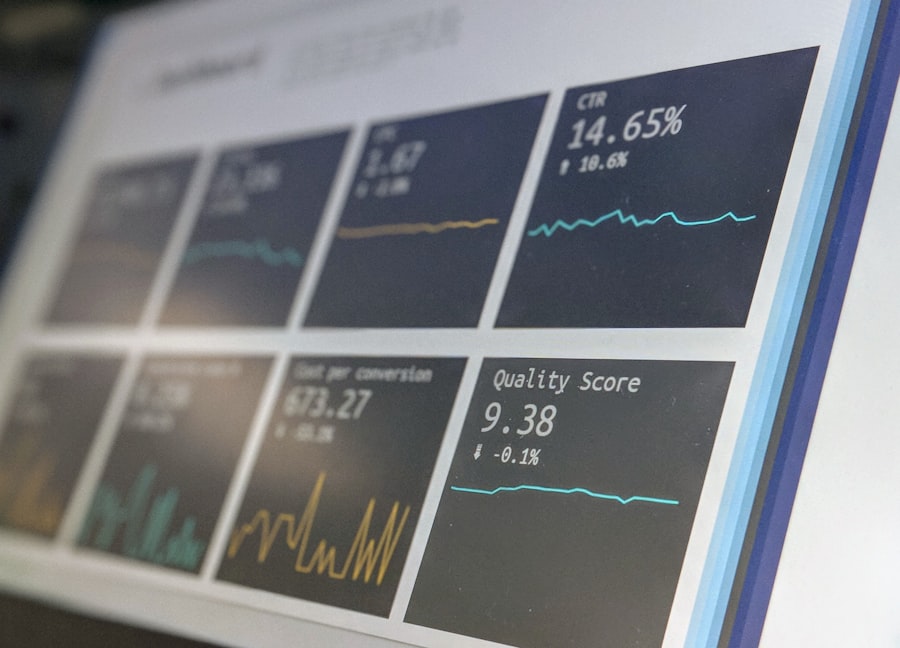
Gone are the days of a one-size-fits-all approach to medicine. Technology is empowering us to understand individual health needs at a much deeper level, leading to treatments that are specifically designed for each person.
Wearable Technology and Health Trackers
These devices, from smartwatches to fitness bands, are no longer just for tracking steps. They are collecting a wealth of physiological data that can be invaluable for managing health.
Continuous Health Monitoring
Beyond basic activity tracking, wearables can now monitor heart rate variability, sleep patterns, blood oxygen levels, and even detect irregular heart rhythms like atrial fibrillation. This continuous stream of data can provide early warnings of health issues.
Data for Better Treatment Plans
The data from wearables can be shared (with your consent, of course) with your healthcare provider. This gives them a much clearer picture of your daily health patterns, allowing them to fine-tune treatment plans and recommend personalized lifestyle interventions.
Electronic Health Records (EHRs) and Data Integration
EHRs are digital versions of patients’ paper charts. When implemented effectively and integrated across different healthcare systems, they can revolutionize how information is shared and used.
Comprehensive Patient History
An EHR provides a complete, up-to-date overview of a patient’s medical history, including diagnoses, medications, allergies, lab results, and past treatments. This reduces the risk of errors and ensures all healthcare providers involved have the necessary information.
Informed Decision-Making
With all relevant data in one place, doctors can make more informed decisions about diagnosis and treatment, avoiding duplicate tests and ensuring continuity of care, especially when a patient sees multiple specialists.
Research and Public Health Insights
Aggregated, anonymized EHR data can be a goldmine for medical research, helping to identify disease trends, evaluate treatment effectiveness, and advance our understanding of public health.
Enhancing Patient Engagement and Management
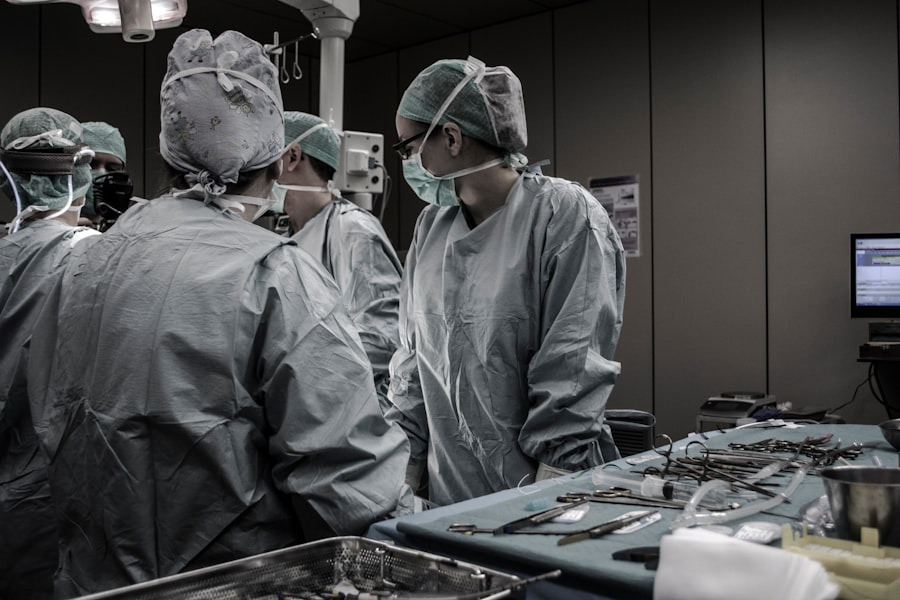
Technology is not just for doctors and hospitals; it’s also putting more power into the hands of patients, allowing them to be more active participants in their own health journeys.
Patient Portals and Mobile Health Apps
These platforms provide patients with direct access to their health information and tools to manage their care.
Access to Medical Records
You can often view your lab results, doctor’s notes, appointment summaries, and prescription history through secure online patient portals. This transparency can be incredibly empowering.
Appointment Scheduling and Communication
Many portals allow you to schedule appointments, request prescription refills, and securely message your doctor’s office, streamlining communication and reducing phone tag.
Health Education and Support
Numerous apps offer personalized health coaching, medication reminders, symptom trackers, and educational resources tailored to specific conditions, helping you stay on track with your health goals.
Remote Patient Monitoring (RPM) Devices
As mentioned in telemedicine, RPM is a key component of patient engagement. It allows individuals to manage their conditions from home with ongoing oversight.
Empowering Chronic Disease Management
Patients with chronic conditions can use RPM devices to monitor their vital signs, and this data can be sent to their care team. This proactive management can lead to fewer hospital visits and a better quality of life.
Increased Patient Independence
By being able to manage their health effectively at home, patients can maintain a greater sense of independence and control over their lives.
In the ever-evolving landscape of healthcare, understanding the latest trends and innovations is crucial for professionals in the field. A recent article discusses the impact of technology on patient care, highlighting how telemedicine is reshaping the way healthcare providers interact with patients. For more insights on this topic, you can read the full article here. Staying informed about such developments is essential for adapting to the challenges and opportunities that modern healthcare presents.
The Future is Now: Emerging Technologies Shaping Healthcare
| Metrics | Data |
|---|---|
| Number of Hospitals | 6,146 |
| Number of Physicians | 1,106,000 |
| Number of Registered Nurses | 3,096,700 |
| Healthcare Expenditure | 3.8 trillion |
The pace of technological advancement isn’t slowing down. Several emerging technologies are poised to make even bigger waves in healthcare in the coming years.
Robotics in Surgery and Care
Robots are increasingly being used in surgical procedures to enhance precision and minimally invasive techniques.
Minimally Invasive Surgery
Robotic-assisted surgery allows surgeons to perform complex procedures with greater dexterity and control, often leading to smaller incisions, less pain, reduced recovery time, and fewer complications for patients.
Rehabilitation and Assistive Devices
Robots are also being developed to assist in physical therapy and provide support for individuals with disabilities, aiding in recovery and improving daily living.
Virtual Reality (VR) and Augmented Reality (AR)
Once primarily associated with gaming, VR and AR are finding serious applications in healthcare.
Training and Education
Medical students and surgeons can use VR simulations to practice complex procedures in a safe, controlled environment, honing their skills without risk to patients.
Pain Management and Therapy
VR can be used as a distraction technique during painful medical procedures, or for therapeutic purposes like exposure therapy for phobias or PTSD, creating immersive environments that aid in healing.
The Internet of Medical Things (IoMT)
This extends the concept of the Internet of Things (IoT) to the medical field, connecting devices, sensors, and software to collect and exchange health data.
Smart Hospitals and Connected Devices
From smart beds that monitor patient movement to connected infusion pumps that ensure accurate medication delivery, IoMT is creating a more integrated and efficient healthcare environment.
Predictive Maintenance for Medical Equipment
IoMT can also be used to monitor the performance of medical equipment, identifying potential issues before they lead to breakdowns and ensuring critical devices are always operational.
Implications for Data Security and Ethics
As we embrace these technological advancements, it’s crucial to address the ethical considerations and ensure the security of sensitive patient data. Robust cybersecurity measures and clear ethical guidelines are paramount to building trust and ensuring technology serves humanity.
In conclusion, modern technology isn’t just a buzzword in healthcare; it’s a powerful engine driving significant improvements. From earlier and more accurate diagnoses to personalized treatments and more accessible care, these innovations are fundamentally reshaping how we experience health and wellness. While challenges remain, the trajectory is clear: technology is making healthcare smarter, more efficient, and ultimately, more human-centered.

Why Modern Medicine Can’t Store Tomorrow
FAQs
What is modern healthcare?
Modern healthcare refers to the current state of the healthcare industry, which includes advanced medical technologies, innovative treatment methods, and a focus on patient-centered care.
What are some key components of modern healthcare?
Key components of modern healthcare include electronic health records, telemedicine, personalized medicine, advanced medical devices, and data-driven decision-making.
How has modern healthcare improved patient care?
Modern healthcare has improved patient care by providing more accurate diagnoses, personalized treatment plans, improved access to healthcare services, and better communication between patients and healthcare providers.
What are some challenges facing modern healthcare?
Challenges facing modern healthcare include rising healthcare costs, disparities in access to care, data security and privacy concerns, and the need to adapt to rapidly evolving technologies.
What are some future trends in modern healthcare?
Future trends in modern healthcare include the use of artificial intelligence and machine learning, precision medicine, virtual reality in healthcare, and a greater emphasis on preventive care and wellness.