
Ever wondered what it really takes to get that new gadget, that essential medication, or even your morning coffee from its origin all the way to your doorstep? If you’ve ever found yourself curious about the intricate dance of moving goods around the globe, then an engineering documentary focused on supply chains might just be your next favorite watch. These aren’t your typical dry lectures; they’re often engaging journeys that peel back the layers of complexity, revealing the clever engineering and logistical wizardry that makes it all happen. So, to answer your question directly: yes, engineering documentaries can provide a fascinating and genuinely informative look into supply chain secrets, offering practical insights into a system that impacts our daily lives more than we might realize.
Supply chains. The term itself can sound a bit abstract, maybe even a little dull. But in reality, they’re the invisible threads that hold our modern world together. Think about it: from the raw materials mined from the earth to the finished products in your hands, there’s a colossal system working behind the scenes. Engineering documentaries that dive into this realm aren’t just about showing you trucks and ships; they’re about understanding the fundamental principles of efficiency, optimization, and sheer human ingenuity that power these global networks. They highlight how engineers and logistics experts tackle real-world problems, often on a scale that’s mind-boggling.
What Exactly Is a Supply Chain?
Before we get too deep, let’s clarify. A supply chain isn’t just a single company’s process. It’s the entire network of organizations, people, activities, information, and resources involved in moving a product or service from supplier to customer. This includes everything from sourcing raw materials, manufacturing components, assembling products, warehousing, transportation, and finally, distribution and delivery. It’s a complex web, and as documentaries reveal, one that’s constantly being refined and challenged.
Why Engineering Matters in the Supply Chain
This is where the “engineering” part comes in. Every stage of a supply chain involves engineering principles. This could be the design of efficient factories, the engineering of robust packaging that can withstand rough handling, the development of sophisticated tracking systems, or the optimization of transportation routes to minimize cost and environmental impact. Engineers are the problem-solvers, the innovators who ensure that goods move reliably, affordably, and as sustainably as possible. Documentaries often showcase the specific engineering disciplines – mechanical, industrial, civil, software – that contribute to this vast undertaking.
For those interested in the intricate world of engineering and the complexities of supply chains, a fascinating article can be found that delves into the challenges and innovations within this field. The article provides a comprehensive overview of how modern engineering practices are reshaping supply chain management, highlighting case studies and expert insights. To explore this topic further, you can read the article here: Engineering and Supply Chain Innovations.
From Mine to Machine: The Journey of a Component
One of the most compelling aspects of these documentaries is how they demystify the origins of everyday items. Often, we take for granted the components that make up our electronics, our cars, or even our clothing. An engineering documentary can follow a single component, like the microchip in your phone or the steel in a car frame, tracing its journey from its raw material source, through various manufacturing processes, and finally to its integration into the final product. This provides a visceral understanding of the global nature of manufacturing and the intricate dependencies involved.
The Raw Material Extraction Challenge
The documentary might start at a mine, showcasing the engineering feats involved in extracting minerals like lithium, cobalt, or rare earth elements. It wouldn’t shy away from the challenges: the environmental impact, the safety protocols, and the sheer scale of excavation required. You’d see the specialized machinery, the geological surveys, and the innovative techniques used to recover these crucial resources.
Mining Engineering in Action
This isn’t just about digging holes. It involves understanding rock mechanics, fluid dynamics for ore processing, and advanced surveying techniques. Documentaries can highlight how mining engineers develop solutions for challenging environments, optimize extraction rates, and implement strategies for responsible resource management.
Precision Manufacturing: The Heart of the Process
Once raw materials are secured, they move to factories for processing and component manufacturing. This is where precision engineering truly shines. Whether it’s a semiconductor fabrication plant operating in a sterile environment or a high-volume automotive assembly line, documentaries can illustrate the incredible accuracy and efficiency required.
The Role of Industrial Engineers
Industrial engineers are often at the forefront of optimizing these manufacturing processes. They design efficient factory layouts, implement lean manufacturing principles, and develop quality control systems to ensure that every part meets strict specifications. You might see them analyzing workflows, designing robotic automation, and troubleshooting bottlenecks in real-time.
Advanced Materials Engineering
The documentary might also touch upon materials science. How are new alloys developed for lighter yet stronger vehicles? How are sustainable materials engineered to reduce environmental footprints? This aspect often reveals cutting-edge research and development that underpins many modern products.
The Art of Movement: Transportation and Logistics
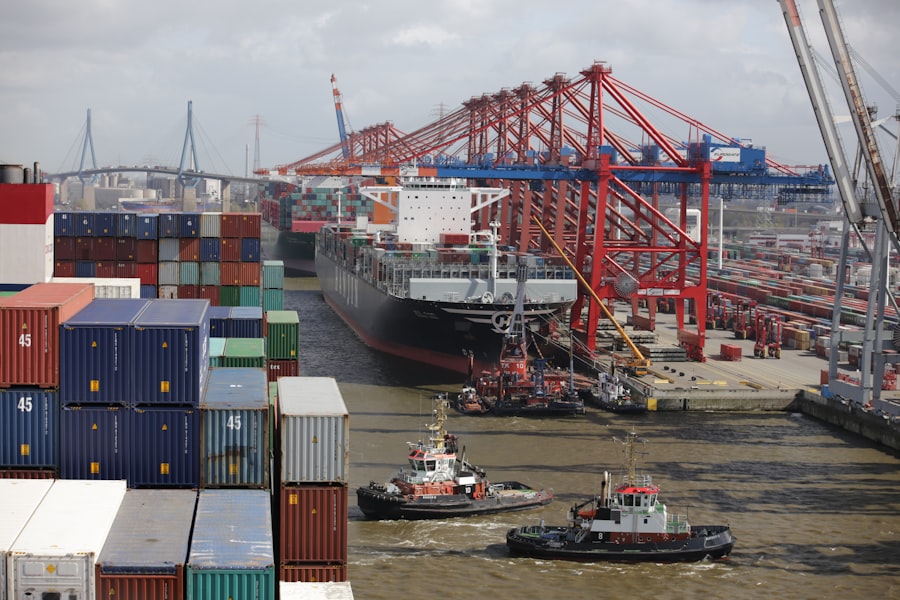
This is arguably the most visually striking part of any supply chain documentary. The sheer scale of global transportation is awe-inspiring. From colossal container ships traversing oceans to intricate networks of trucks and trains crisscrossing continents, the documentary will explore the engineering marvels that facilitate this movement.
The Mighty Container Ship Revealed
You’ll likely see the engineering behind the design and operation of massive cargo ships. This includes their hull design for stability, their propulsion systems, and the intricate cranes that load and unload thousands of containers with remarkable speed and precision. The logistics of managing a fleet of these behemoths, coordinating schedules, and navigating complex port operations are also often highlighted.
Naval Architecture and Marine Engineering
These disciplines are crucial for designing ships that are not only efficient but also safe and environmentally responsible. Features like ballast water systems, fuel efficiency technologies, and advanced navigation systems are often discussed.
The Ubiquitous Truck and Train Network
The documentary will also delve into the terrestrial leg of the journey. This involves the engineering of powerful trucks, the maintenance of vast railway infrastructure, and the complex scheduling required to keep goods moving inland. You might see the technology behind real-time tracking and fleet management systems.
Civil Engineering’s Role in Infrastructure
The roads, bridges, tunnels, and railway lines themselves are feats of civil engineering. Documentaries might subtly touch upon how their design and maintenance directly impact the flow of goods, and how disruptions can have cascading effects on the entire supply chain.
The Rise of Automation in Warehousing and Distribution
Modern warehouses are no longer just dusty storage facilities. They are highly automated hubs, utilizing robots, conveyor systems, and sophisticated software to sort, pick, and pack goods. Documentaries often showcase these cutting-edge facilities, demonstrating how technology is revolutionizing logistics.
Robotics and Automation Engineering
This is where you see robots on the warehouse floor, autonomously moving pallets or picking individual items. The engineering behind these machines, their navigation systems, and their ability to work collaboratively with humans is a key highlight.
Software Engineering for Optimization
Behind the physical movement of goods is a complex layer of software. Supply chain management systems, route optimization algorithms, and inventory management software are all products of diligent software engineering. Documentaries might show how these systems predict demand, manage stock levels, and dynamically adjust delivery routes.
Fortifying the Chain: Risk, Resilience, and Technology

No discussion of supply chains is complete without addressing the inherent risks and the ongoing efforts to build resilience. From natural disasters and geopolitical instability to cyberattacks and pandemics, supply chains are constantly tested. Engineering plays a vital role in developing solutions to mitigate these risks and ensure continuity.
From Just-In-Time to Just-In-Case
The documentary might contrast traditional “just-in-time” inventory models with the more resilient “just-in-case” approaches that have become popular, especially after recent global disruptions. This often involves discussions about strategic warehousing, diversified sourcing, and maintaining buffer stocks – all decisions with a significant engineering and cost implication.
The Role of Data and Analytics
Data is king in modern supply chains. Documentaries will likely showcase how engineers and logistics professionals use vast amounts of data to monitor performance, identify potential issues, and predict future trends. This includes sensors on goods, GPS tracking, and advanced analytics platforms.
Statistical Modeling and Operations Research
These are the mathematical disciplines that underpin much of supply chain optimization. Documentaries might simplify concepts like predictive analytics and simulation modeling, showing how engineers use them to forecast demand, manage inventory, and plan for disruptions.
Blockchain and Traceability: Enhancing Transparency
Emerging technologies like blockchain are being explored to enhance transparency and traceability within supply chains. A documentary might explain how blockchain can create an immutable record of every transaction, making it easier to track goods from origin to destination and verify their authenticity. This has implications for combating counterfeiting and ensuring ethical sourcing.
Cybersecurity Engineering
As supply chains become more digitized, cybersecurity becomes paramount. Documentaries might touch upon the efforts to protect sensitive data and operational systems from cyber threats, ensuring that the flow of goods is not imperiled by malicious actors.
In the realm of engineering documentaries, the exploration of supply chains has become increasingly significant, shedding light on the intricate networks that support modern industries. A fascinating article that delves deeper into this topic can be found at In The War Room, where the complexities and challenges of supply chain management are examined in detail. This resource not only highlights the importance of efficient logistics but also discusses the impact of global events on engineering practices, making it a valuable read for anyone interested in the intersection of engineering and supply chain dynamics.
The Future of the Engineered Supply Chain
| Documentary Supply Chain Metrics | 2019 | 2020 | 2021 |
|---|---|---|---|
| Number of Engineering Documents | 500 | 550 | 600 |
| Document Processing Time (in hours) | 1000 | 950 | 900 |
| Document Accuracy Rate (%) | 95% | 96% | 97% |
Finally, these documentaries often look forward, exploring how engineering is shaping the future of supply chains. From sustainable logistics and the circular economy to the increasing role of artificial intelligence and autonomous systems, the innovations on the horizon are often as impressive as those we see today.
Sustainability: A Growing Engineering Imperative
The environmental impact of global supply chains is a major concern. Documentaries will likely highlight the engineering innovations aimed at reducing carbon emissions, minimizing waste, and promoting sustainable practices. This could include electric vehicles for last-mile delivery, optimized route planning to reduce fuel consumption, and the development of eco-friendly packaging.
Green Engineering Principles
This involves applying engineering solutions that minimize environmental harm throughout the product lifecycle. It’s about designing for efficiency, using renewable resources, and reducing pollution.
AI and the Autonomous Supply Chain
Artificial intelligence is poised to revolutionize supply chains. Documentaries might showcase how AI is being used to optimize inventory management, predict demand with greater accuracy, automate decision-making, and even power autonomous vehicles and delivery drones.
Machine Learning and AI Engineering
This is the field that develops the algorithms and systems that enable AI to learn from data and make intelligent decisions. It’s about building the brains behind the increasingly automated supply chain.
The Circular Economy: Engineering for Reuse and Recycling
The concept of a circular economy – where products are designed for longevity, repair, and recycling – is gaining traction. Documentaries could explore how engineering is enabling this shift, from designing products that are easier to disassemble to developing efficient recycling processes.
Design for Disassembly and Reuse
This is about engineers consciously designing products so their components can be easily separated for repair, refurbishment, or recycling, creating closed-loop systems for materials.
In conclusion, an engineering documentary focused on supply chains offers a compelling and deeply informative experience. It goes beyond the superficial, revealing the complex interplay of human ingenuity, technological advancement, and sheer logistical prowess that keeps our world running. It’s a practical education in the unseen infrastructure of modern life, and often, it’s a surprisingly gripping watch.

Why Modern Medicine Can’t Store Tomorrow
FAQs
What is a supply chain in the context of engineering documentaries?
A supply chain in the context of engineering documentaries refers to the network of individuals, organizations, resources, and activities involved in the production and distribution of the documentary. This includes sourcing raw materials, manufacturing equipment, transportation, and distribution to the audience.
What are the key components of a supply chain in engineering documentaries?
The key components of a supply chain in engineering documentaries include sourcing raw materials for filming, production equipment, post-production services, distribution channels, and marketing efforts to reach the target audience. Additionally, logistics and transportation play a crucial role in ensuring the smooth flow of materials and finished products.
How does a well-managed supply chain impact the production of engineering documentaries?
A well-managed supply chain can positively impact the production of engineering documentaries by ensuring timely access to resources, efficient production processes, cost-effective sourcing, and reliable distribution channels. This can lead to higher quality documentaries, on-time delivery, and better cost control.
What are the challenges faced in managing supply chains for engineering documentaries?
Challenges in managing supply chains for engineering documentaries include sourcing specialized equipment, coordinating with multiple vendors and service providers, ensuring quality control throughout the production process, managing inventory, and navigating the complexities of global distribution.
How can technology and innovation improve supply chain management for engineering documentaries?
Technology and innovation can improve supply chain management for engineering documentaries by enabling better tracking and visibility of resources, streamlining production processes, optimizing inventory management, and enhancing communication and collaboration among stakeholders. Additionally, advancements in digital distribution platforms can expand the reach of engineering documentaries to global audiences.