Ever wondered how that cheap t-shirt or your smartphone ends up in your hands? It’s a journey that’s far more intricate than most of us realize. Global supply chains are the hidden arteries of our modern world, silently pumping goods across continents. Documentaries exploring this topic aim to pull back the curtain, revealing the vast networks, the human stories, and the inherent complexities involved. They’re not just about logistics; they delve into the socio-economic and environmental impacts, giving us a clearer picture of what it truly takes to get products from A to B.
The Invisible Engine: What Exactly is a Supply Chain?
Before diving into documentaries, it’s helpful to have a basic understanding of what we’re talking about. A supply chain isn’t a single entity; it’s a chain of operations that brings a product from its raw material stage all the way to the end consumer.
From Raw Material to Finished Product
Think of a simple product like a cotton t-shirt. The supply chain starts with cotton farmers growing the raw material. This cotton is then harvested, cleaned, and spun into yarn. The yarn is woven or knitted into fabric, which is then dyed and processed. After that, the fabric is cut and sewn into t-shirts, usually in factories. These finished garments are then shipped to warehouses, distributed to retailers, and finally purchased by you. Each of these steps, and many more in between, represents a link in the chain.
The Global Network
What makes it “global” is that these steps often happen in different countries, each chosen for specific advantages like lower labor costs, access to raw materials, or specialized manufacturing expertise. This international movement of goods is where the real complexity begins, and where documentaries often find their most compelling narratives.
In the context of understanding the complexities of global supply chains, the documentary “The Supply Chain Crisis” offers valuable insights into the challenges faced by industries worldwide. For a deeper exploration of related topics, you can check out this informative article that discusses the impact of geopolitical tensions on supply chain dynamics. To read more, visit this article.
Documentaries: Shining a Light on the Shadows
Documentaries serve as vital educational tools, offering a visual and narrative exploration of these often-unseen processes. They can transform abstract concepts into relatable stories, highlighting the people and systems that work tirelessly behind the scenes.
Beyond the Production Line
Many documentaries go far beyond simply showing manufacturing. They investigate:
- The sourcing of raw materials: Where do the minerals for your electronics come from? What are the environmental consequences of certain agricultural practices?
- Labor conditions: Are the people making our goods working in safe and fair environments?
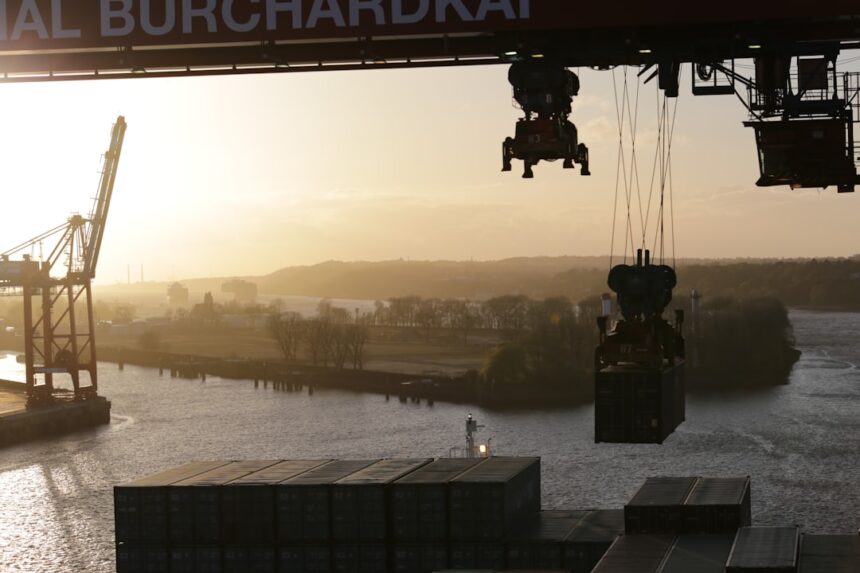
- Transportation and logistics: The massive ships, planes, and trucks involved in moving goods are a spectacle in themselves, but also a source of environmental concern.
- The role of technology: How are companies using data and innovation to optimize their supply chains?
- Geopolitical influences: How do trade agreements, political instability, and international relations affect the flow of goods?
The Power of Storytelling
By focusing on individual workers, communities, or specific industries, these films humanize the often-impersonal mechanics of global trade. They can evoke empathy, spark curiosity, and encourage critical thinking about our own consumption habits.
Navigating the Perilous Seas: The Risks and Vulnerabilities
Global supply chains, while incredibly efficient in normal times, are inherently susceptible to disruption. Documentaries often highlight these vulnerabilities, revealing how fragile these complex systems can be.
The Ripple Effect of Disasters
Natural disasters, like earthquakes or floods, can devastate production facilities or cripple transportation routes, causing widespread shortages and price hikes.
- Extreme weather events: Increased frequency and intensity of storms can halt shipping and damage infrastructure.
- Pandemics: The COVID-19 pandemic offered a stark, real-world example of how a global health crisis can bring supply chains to a grinding halt, highlighting our dependence on distant manufacturing hubs and creating widespread shortages of essential goods.
Economic and Political Shocks
Beyond natural events, economic downturns, trade wars, and political instability can also throw supply chains into disarray.
- Trade disputes: Tariffs and sanctions can reroute goods and increase costs.
- Geopolitical tensions: Conflicts in key production regions can lead to immediate disruptions.
- Labor strikes: Major port strikes or factory walkouts can have significant downstream effects.
The Human Cost of Disruption
When supply chains falter, it’s not just about empty shelves. It impacts livelihoods, economies, and can even have humanitarian consequences, particularly in developing nations heavily reliant on export industries. Documentaries often explore these human dimensions, showing what happens when the flow of goods stops.
The Environmental Footprint: A Heavy Burden on the Planet
The sheer scale of global supply chains means a significant environmental impact. Documentaries keen on a comprehensive view don’t shy away from this aspect.
Emissions from Transit
The transportation of goods across vast distances is a major contributor to greenhouse gas emissions.
- Shipping: Giant cargo ships, while economical per unit, are significant polluters, releasing sulfur oxides and other harmful substances.
- Air freight: While faster, air cargo has a much larger carbon footprint per ton-mile compared to sea freight.
- Land transport: The network of trucks and trains also contributes to emissions.
Resource Depletion and Waste
The extraction of raw materials and the manufacturing processes themselves can lead to resource depletion and significant waste generation.
- Water usage: Many industries, especially agriculture and textiles, are incredibly water-intensive.
- Deforestation and habitat loss: Sourcing materials like timber or agricultural land can lead to the destruction of natural habitats.
- Plastic pollution: The packaging used for products, often made of plastic, contributes to global pollution crises.
Seeking Sustainable Alternatives
Some documentaries explore the growing movement towards more sustainable supply chain practices, including the use of renewable energy, circular economy models, and ethical sourcing.
The global supply chain has become a focal point of discussion, especially in light of recent disruptions that have highlighted its vulnerabilities. A related article that delves deeper into these issues can be found at In The War Room, where experts analyze the complexities and challenges faced by industries worldwide. This documentary sheds light on how interconnected our economies are and the implications of supply chain failures on everyday life.
The Human Element: Faces in the Chain
Perhaps what makes supply chain documentaries most compelling are the human stories they uncover. Behind every product is a network of individuals whose lives are intricately woven into the global economy.
The Workers on the Front Lines
Documentaries often spotlight the experiences of factory workers, farmers, truck drivers, and port laborers. These individuals are the engine of the supply chain, and their stories can range from tales of exploitation to those of resilience and innovation.
- Fair wages and working conditions: Many films critically examine the often-difficult realities faced by workers in low-wage economies, questioning whether the pursuit of cheap goods comes at too high a human cost.
- Skill and craftsmanship: Despite the industrial nature of many supply chains, there are still highly skilled individuals whose craftsmanship is essential.
The Architects of the System
Beyond the manual labor, documentaries also sometimes delve into the roles of managers, logistics experts, and corporate decision-makers who design and manage these complex networks.
- Decision-making impacts: How do choices made in boardrooms, often thousands of miles away, affect the lives of people on the ground?
- The drive for efficiency: What are the ethical considerations when the primary goal is often cost reduction and speed?
Community Impacts
The presence or absence of supply chain operations can profoundly affect entire communities. Documentaries might explore how factories bring jobs but also raise environmental concerns, or how the decline of a particular industry can lead to economic hardship.
The Future of Supply Chains: Resilience and Responsibility
As we learn more about the intricacies and vulnerabilities of global supply chains, there’s a growing emphasis on making them more resilient, sustainable, and ethical. Documentaries often conclude by looking towards this future.
Building Resilience
The disruptions experienced in recent years have spurred a greater focus on building more robust supply chains.
- Diversification: Relying on a single source or region for goods is increasingly seen as a risk. Companies are exploring diversifying their manufacturing bases and supplier networks.
- Onshoring and Nearshoring: Bringing production back to domestic markets or closer to them is gaining traction as a way to reduce lead times and risks associated with long-distance transport.
- Inventory management: Rethinking “just-in-time” strategies to hold more strategic buffer stock can help weather short-term disruptions.
The Push for Sustainability and Ethics
Beyond resilience, there’s a strong ethical and environmental imperative to overhaul supply chains.
- Traceability: Consumers and regulators are demanding greater transparency about where products come from and how they are made. Blockchain technology is being explored to enhance this.
- Circular economy principles: Shifting from a linear “take-make-dispose” model to one where resources are reused and recycled is a major goal.
- Ethical sourcing certifications: Standards and certifications are emerging to help guide companies and consumers towards more responsible practices.
The Consumer’s Role
Ultimately, documentaries on supply chains often encourage viewers to become more conscious consumers. Understanding the journey of products can influence purchasing decisions, leading to demand for more ethically produced and sustainable goods. This collective shift in consumer behavior can, in turn, push industries to adapt and improve their practices.

Why Modern Medicine Can’t Store Tomorrow
FAQs
What is a global supply chain documentary?
A global supply chain documentary is a film or video production that explores the complexities and dynamics of the global supply chain, including the movement of goods, logistics, manufacturing processes, and the impact on various industries and economies around the world.
What are the key themes typically covered in global supply chain documentaries?
Global supply chain documentaries often cover themes such as globalization, trade, sustainability, technology, labor practices, ethical considerations, and the interconnectedness of various stakeholders within the supply chain.
Why are global supply chain documentaries important?
Global supply chain documentaries are important as they provide insight into the inner workings of the global economy, shed light on the challenges and opportunities within the supply chain, and raise awareness about the impact of supply chain decisions on people, businesses, and the environment.
Where can one watch global supply chain documentaries?
Global supply chain documentaries can be found on various streaming platforms, such as Netflix, Amazon Prime Video, and YouTube. They may also be available for purchase or rental on platforms like iTunes or Google Play.
What are some popular global supply chain documentaries?
Some popular global supply chain documentaries include “The True Cost,” “Inside Job,” “Life and Debt,” “Wal-Mart: The High Cost of Low Price,” and “The Corporation.” These documentaries offer in-depth explorations of different aspects of the global supply chain.