Getting radioactive isotopes to hospitals when they’re needed for diagnosis and treatment is a surprisingly complex, but incredibly important, logistical dance. Think of it as a high-stakes, time-sensitive delivery service. These isotopes are quite literally lifesavers, used in everything from pinpointing cancerous tumors to managing chronic pain. The process isn’t as simple as ordering a pizza; it involves specialized production, secure handling, and a network of people working together to ensure these vital materials reach patients safely and on schedule.
Radioactive isotopes, often called radiopharmaceuticals, don’t just appear out of thin air. Their journey begins with highly specialized production facilities. These aren’t your average factories. They’re equipped with powerful equipment, like cyclotrons or nuclear reactors, to create the specific radioactive elements used in medicine. The production itself is a precise science, ensuring the correct isotope is generated with the right level of radioactivity, or ‘activity.’
Cyclotrons: Accelerating the Process
Cyclotrons are a common tool for producing shorter-lived isotopes. These machines use magnetic fields to accelerate charged particles, like protons, to high speeds. When these particles collide with a target material, they transmute into the desired radioactive isotope. The whole process is incredibly fast, but also means the isotopes produced have a limited shelf life.
Nuclear Reactors: A Different Approach to Creation
For isotopes with longer half-lives, nuclear reactors are often employed. These facilities use nuclear fission to generate neutrons. When these neutrons bombard specific materials, they can create a wide range of radioactive isotopes used in different medical applications. The reactor environment is highly controlled and requires extensive safety protocols.
The Criticality of Half-Life
Understanding the “half-life” of an isotope is absolutely crucial. This is the time it takes for half of the radioactive atoms in a sample to decay. Some isotopes, like Technetium-99m (Tc-99m), have very short half-lives (about six hours), meaning they decay rapidly. This is ideal for diagnostic imaging because it allows doctors to get clear pictures quickly without exposing patients to unnecessary long-term radiation. However, it also means these isotopes must be produced locally or transported very quickly. Other isotopes, used for therapy, might have longer half-lives, allowing for a more flexible delivery schedule.
Hospitals rely on a complex supply chain to receive isotopes essential for various medical procedures, including cancer treatment and diagnostic imaging. A related article that delves into the intricacies of this process can be found at In the War Room, where it discusses the challenges and innovations in the production and distribution of medical isotopes. This resource provides valuable insights into how hospitals ensure a steady supply of these critical materials for patient care.
The Bottlenecks and Challenges of Radiopharmaceutical Supply
The supply chain for radiopharmaceuticals is inherently fragile. Unlike a common drug that can be stockpiled for months, the short half-lives of many diagnostic isotopes mean that production must be carefully scheduled to coincide with demand. This creates “supply chain bottlenecks” that, if not managed meticulously, can lead to shortages.
Short Half-Lives, Big Problems
The most significant challenge is indeed the short half-life. If a cyclotron or reactor experiences an unexpected downtime, or if a delivery is delayed for any reason, an entire region relying on that supply could be left without critical diagnostic tools. This is why backup systems and diversified production sites are so important, though not always readily available or economically feasible.
The Cold Chain Factor
Alongside radioactivity, many radiopharmaceuticals require specific temperature controls during transport. This “cold chain” is essential to maintain their efficacy and safety. The specialized packaging and refrigerated vehicles add another layer of complexity and cost to the delivery process. Imagine trying to keep a highly sensitive material at a precise temperature while it’s traveling across the country.
Regulatory Hurdles and Security Concerns
Because these materials are radioactive, they are subject to stringent regulations regarding their production, handling, transport, and disposal. Obtaining the necessary licenses and adhering to all safety protocols adds time and complexity to the entire process. Furthermore, the potential for misuse of radioactive materials necessitates very tight security measures at every stage of the supply chain.
How Radiopharmaceuticals Actually Get to Hospitals
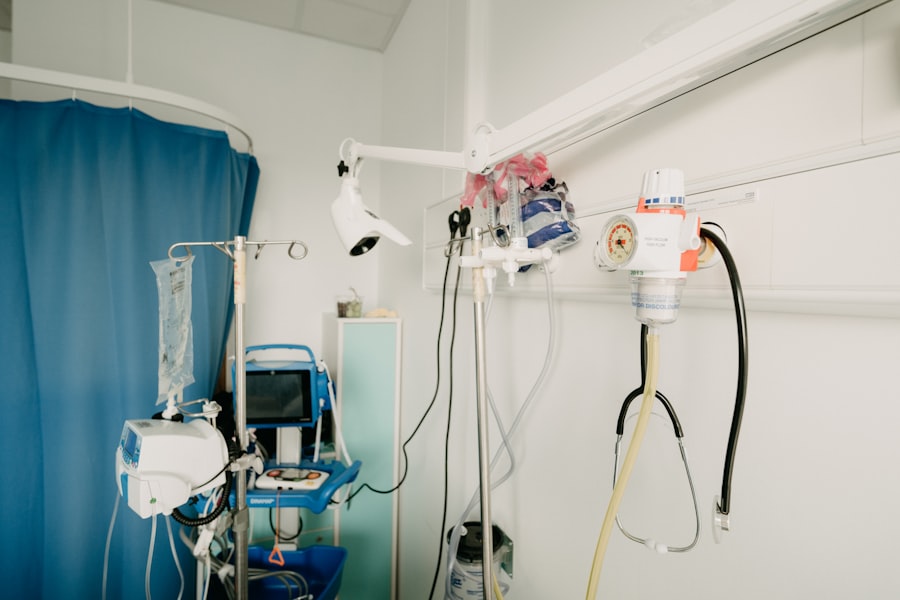
Once produced, the clock starts ticking. Radiopharmaceuticals are shipped in specially designed, shielded containers to minimize radiation exposure to handlers and the public. These deliveries are not typical courier services; they involve specialized logistics companies with trained personnel.
Dedicated Couriers and Trained Personnel
The people involved in transporting radiopharmaceuticals are not your average delivery drivers. They undergo specific training in radiation safety, emergency response, and the handling of hazardous materials. They understand the critical nature of their cargo and the urgency required. These are often dedicated teams or specialized logistics providers.
Shielded Packaging: The Silent Protectors
The containers used for transporting radioactive isotopes are far from ordinary. They are meticulously engineered with layers of lead or other radiation-absorbing materials to ensure that radiation levels outside the package remain well within safe limits. These containers are also designed to be robust and secure, preventing any accidental spills or leaks.
Just-in-Time Delivery: Minimizing Decay
The overarching principle for many isotopes is “just-in-time” delivery. This means the isotopes are produced and shipped to arrive at the hospital right when they are needed, maximizing their radioactivity upon arrival. This minimizes waste due to decay and ensures patients receive the most effective dose. It’s a delicate balancing act between efficient production cycles and timely delivery.
Tracking and Monitoring: Eyes on the Prize
Throughout their journey, radiopharmaceuticals are often tracked and monitored closely. This can involve GPS tracking of vehicles, as well as real-time radiation monitoring to ensure the integrity of the shipment. Knowing exactly where the package is and that it’s remaining safe is paramount.
The Importance of Local Production and Regional Hubs
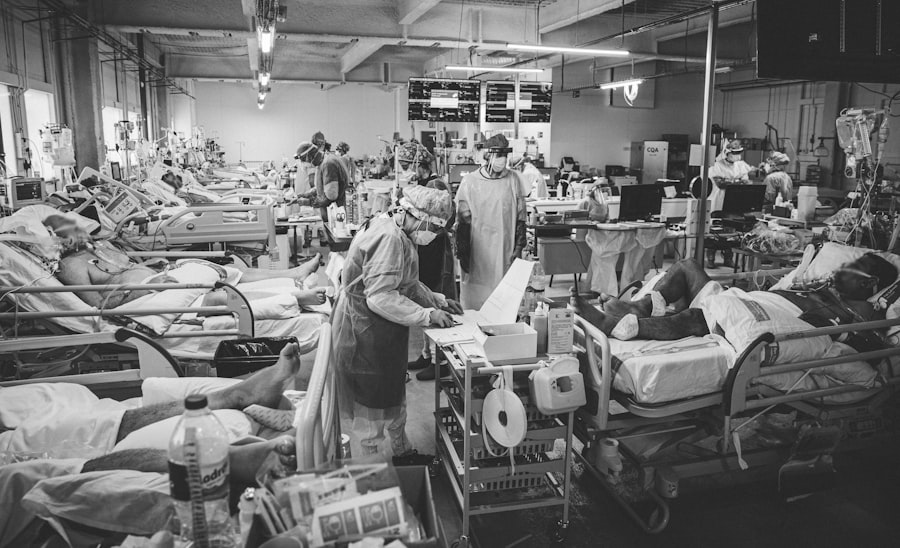
Given the challenges of long-distance transport for short-lived isotopes, the trend is increasingly towards more localized production or the establishment of regional hubs. This can significantly reduce delivery times and improve reliability.
Reducing Travel Time, Increasing Efficacy
When isotopes are produced closer to the hospitals that need them, the travel time is dramatically reduced. This means a higher percentage of the original radioactivity is still present when it reaches the patient, leading to better diagnostic images or more effective treatments. It’s a simple equation: less travel time equals less decay.
Enhancing Supply Chain Resilience
Having multiple production facilities or distribution hubs within a region can create a more resilient supply chain. If one facility experiences an outage, others can potentially pick up the slack, preventing widespread shortages. This redundancy is key to ensuring consistent access to these vital medical materials.
Collaboration is Key
Developing effective regional supply chains often requires close collaboration between research institutions, production facilities, hospitals, and logistics providers. This integrated approach allows for better forecasting of demand and more efficient allocation of resources. It’s a team effort.
The Role of Technetium-99m Generators
A prime example of a localized solution is the use of Technetium-99m (Tc-99m) generators. These generators contain a longer-lived Molybdenum-99 (Mo-99) parent isotope, which decays into Tc-99m. Hospitals can have these generators on-site and “milk” the Tc-99m as needed, effectively producing it locally. This bypasses the need for daily deliveries of very short-lived Tc-99m.
Hospitals rely on a complex supply chain to receive isotopes used for various medical procedures, ensuring that patients receive timely and effective treatments. Understanding this process is essential for healthcare professionals and patients alike. For a deeper insight into the logistics and challenges involved in the distribution of these critical materials, you can read a related article that explores the intricacies of isotope supply chains in detail. This resource can be found here.
Future Trends and Innovations in Isotope Delivery
“`html
| Hospital Name | Isotope Supplier | Delivery Frequency | Storage Facilities |
|---|---|---|---|
| ABC Hospital | Isotope Co. | Weekly | Specialized Isotope Storage |
| XYZ Medical Center | Radiopharmaceuticals Ltd. | Bi-weekly | Lead-lined Storage Room |
| 123 Clinic | Nuclear Medicine Supplies Inc. | Monthly | Isotope Storage Refrigerator |
“`
The field of nuclear medicine is constantly evolving, and so are the methods for delivering these critical isotopes. Researchers and industry professionals are always looking for ways to improve efficiency, reduce costs, and enhance the reliability of the supply chain.
Advances in Production Technology
New and improved cyclotrons and other production technologies are being developed, offering greater efficiency and the ability to produce a wider range of isotopes. These advancements aim to make production more accessible and cost-effective.
Novel Isotope Development
There’s ongoing research into new radioactive isotopes that may offer improved diagnostic or therapeutic properties, or perhaps possess more favorable half-lives that simplify delivery. This innovative research could open up new avenues for treatment.
Streamlined Logistics and Automation
The integration of advanced logistics software, automation, and potentially even drone technology for remote areas could further optimize delivery routes and reduce transit times. Imagine a future where critical isotopes are flown directly to a hospital rooftop.
Digitalization of Supply Chain Management
Implementing digital platforms for tracking inventory, managing orders, and forecasting demand can create a more transparent and responsive supply chain. This allows for better decision-making and quicker responses to any disruptions.
Increased Focus on Sustainability
As with many industries, there’s a growing emphasis on developing more sustainable practices in radiopharmaceutical production and distribution, including waste reduction and energy efficiency.

Why Modern Medicine Can’t Store Tomorrow
FAQs
What are isotopes and why are they important for hospitals?
Isotopes are variants of a particular chemical element which have the same number of protons, but a different number of neutrons. They are important for hospitals as they are used in medical imaging and radiation therapy to diagnose and treat various medical conditions.
How do hospitals receive isotopes?
Hospitals receive isotopes through a process called nuclear medicine. Isotopes are produced in nuclear reactors or cyclotrons and then transported to hospitals in specialized containers. Once at the hospital, the isotopes are stored and handled according to strict safety regulations.
What are the safety considerations for handling isotopes in hospitals?
Handling isotopes in hospitals requires strict adherence to safety protocols to minimize radiation exposure to staff and patients. This includes proper storage, handling, and disposal of isotopes, as well as regular monitoring of radiation levels in the hospital environment.
What are the common medical uses of isotopes in hospitals?
Isotopes are commonly used in hospitals for medical imaging procedures such as PET scans, SPECT scans, and bone scans. They are also used in radiation therapy to treat conditions such as cancer.
Are there any challenges or limitations in the use of isotopes in hospitals?
One challenge in the use of isotopes in hospitals is the short half-life of some isotopes, which requires careful coordination of delivery and usage. Additionally, there are regulatory and safety considerations that must be carefully managed to ensure the safe and effective use of isotopes in medical settings.