
Building the Future: Infrastructure Explained is a documentary that tackles a topic many of us encounter daily but rarely think about deeply – the hidden systems that make our modern lives possible. Think roads, bridges, power grids, water pipes, and the digital networks that connect us. The documentary aims to pull back the curtain on how these essential foundations are conceived, built, and maintained, showing us the often-invisible work that underpins everything from our morning commute to the internet streaming on our phones. It’s less about flashy engineering feats and more about the practical realities and complex decisions involved in creating and sustaining the infrastructure we depend on.
Let’s be honest, the word “infrastructure” can sound a bit dry. But what it actually refers to is the physical framework of our society. It’s the stuff that allows us to live, work, and play. From the grand scale of a sprawling international airport to the seemingly simple act of turning on a tap, all of it relies on a vast network of interconnected systems. This documentary makes a strong case for understanding infrastructure not just as concrete and steel, but as the very arteries and nerves of our civilization. It’s the backbone that supports our economies, our communities, and our daily routines. Without it, modern life as we know it simply wouldn’t function.
More Than Just Roads and Bridges
While bridges and roads are undeniably crucial components, the documentary emphasizes that infrastructure is a much broader concept. It encompasses the energy systems that power our homes and businesses, the water and wastewater treatment facilities that keep us healthy, and the communication networks that enable us to connect with each other, whether that’s through fiber optic cables or cell towers. The film highlights how these different elements are often interdependent. For instance, our power grid relies on physical infrastructure for transmission and distribution, and our digital communication relies on these same power lines.
The Invisible Hand of Maintenance
One of the documentary’s key takeaways is the immense ongoing effort required to maintain infrastructure. It’s not just about the initial construction. Bridges need regular inspections, roads require resurfacing, and aging pipes need replacement. This aspect often gets overlooked because it’s less glamorous than a groundbreaking ceremony. However, the film argues that neglecting maintenance can lead to significant problems down the line, impacting safety, efficiency, and ultimately, our quality of life. It’s a stark reminder that the systems we take for granted are in a constant state of needing attention.
For those interested in exploring the intricate details of infrastructure development, the documentary “Infrastructure Explained” provides a comprehensive overview of the challenges and innovations in this critical sector. To further enhance your understanding, you might find the article on urban planning and its impact on infrastructure at In the War Room to be a valuable resource. This article delves into the strategies cities are employing to adapt to growing populations and climate change, complementing the insights presented in the documentary.
The Planning Puzzle: From Idea to Blueprint
Before a single shovel of dirt is turned, a tremendous amount of planning goes into any infrastructure project. This isn’t a quick sketch; it’s a complex process involving multiple stakeholders, extensive research, and rigorous decision-making. “Building the Future: Infrastructure Explained” delves into this crucial initial phase, illustrating the challenges and considerations that go into deciding what to build, where to build it, and how it will be funded. It’s a practical look at how abstract needs are translated into tangible plans.
Identifying the Need: More Than Just a Wishlist
How do we decide a new bridge is necessary? Or that a town needs more reliable broadband? The documentary explores how needs are identified – through population growth projections, studies on traffic congestion, assessments of aging existing infrastructure, or the emergence of new technological demands. It’s a data-driven process, often involving economic forecasts and social impact analyses. The film offers case studies that show the rigorous research involved in validating a perceived need before any major investment is considered.
The Environmental and Social Impact
A significant part of the planning stage involves understanding the potential impact of any new infrastructure project. This documentary doesn’t shy away from the complexities of environmental assessments, land acquisition, and community engagement. Building a new highway might require navigating sensitive ecosystems, and a new dam could affect local populations. The film highlights how planners must weigh the benefits against potential drawbacks, and how public consultation is a vital, albeit sometimes contentious, part of the process. It’s about finding a balance between progress and responsibility.
Funding the Foundations: The Billions Game
Where does the money come from? This is often the biggest hurdle. The documentary examines the various funding models for infrastructure projects, including government budgets, public-private partnerships, user fees, and bonds. It’s a pragmatic look at the financial realities, showing that grand plans require substantial and often long-term financial commitments. The film illustrates how securing funding can be a lengthy and politically charged process, influencing the scale and scope of projects.
The Construction Crew: Bringing Plans to Life

This is where the vision starts to take physical form. The documentary takes us behind the scenes of the actual construction process, showcasing the immense logistical undertakings and the skilled labor involved. It’s a practical, boots-on-the-ground perspective that reveals the dedication and expertise required to turn blueprints into functioning structures. The film emphasizes that construction isn’t just about brute force; it’s about precision, coordination, and problem-solving under pressure.
Navigating Technical Challenges
Every infrastructure project, no matter how seemingly straightforward, presents unique technical challenges. Whether it’s digging through difficult soil, working at extreme heights, or dealing with unforeseen underground utilities, the construction phase is rife with potential obstacles. “Building the Future: Infrastructure Explained” features examples of how engineers and construction teams overcome these hurdles, often through innovative methods and a deep understanding of materials and physics. It’s a testament to human ingenuity in the face of complex engineering problems.
The Human Element: The Backbone of Construction
The documentary places a strong emphasis on the people who build our infrastructure. It highlights the diverse range of skilled tradespeople, from riggers and welders to heavy equipment operators and project managers, who are essential to bringing these projects to fruition. It’s a reminder that behind every impressive structure are individuals who dedicate their careers to construction. The film offers a glimpse into their working lives, showcasing the physical demands, the safety protocols, and the teamwork that defines the industry.
From Site to Structure: A World of Machinery
The sheer scale of the machinery used in modern infrastructure construction is often awe-inspiring. The documentary showcases colossal cranes, powerful excavators, and specialized tunneling equipment, illustrating how technology plays a crucial role in making these projects possible. It’s a practical look at the tools of the trade, demonstrating how they are deployed to move vast amounts of material and assemble complex components with precision.
The Lifeline of Operation: Keeping it Running
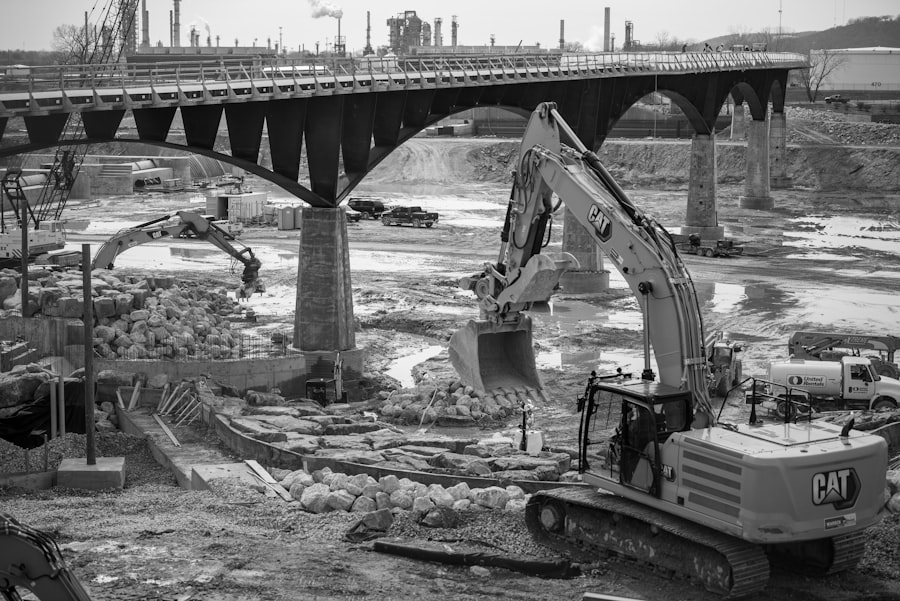
Once a piece of infrastructure is built and operational, the work isn’t over. In fact, in many ways, it’s just beginning. The documentary dedicates significant time to the ongoing operation and maintenance of our infrastructure, a phase that is critical for longevity and reliability. It’s about the behind-the-scenes efforts that ensure the systems we rely on continue to function smoothly day in and day out.
Monitoring and Assessment: The Constant Vigil
How do we know if a bridge is still safe? Or if a water pipe is nearing the end of its life? The film explains the sophisticated systems in place for monitoring infrastructure performance. This can include sensors embedded in structures, regular inspections, and data analysis that helps predict potential failures. It’s a proactive approach to ensuring safety and preventing costly breakdowns. The documentary shows how technology is increasingly being used to provide real-time insights into the health of our infrastructure.
Repair and Replacement: The Cycle of Renewal
Infrastructure doesn’t last forever. Everything has a lifespan, and the documentary addresses the inevitable need for repairs and eventual replacement. This can be a complex and disruptive process, but it’s essential for maintaining service levels and preventing greater problems. The film offers examples of how societies manage this cycle, from patching potholes to undertaking major overhauls of entire systems. It highlights the long-term planning required to budget for these future needs.
The Role of Technology in Operations
The documentary explores how technological advancements are transforming the way we operate and maintain infrastructure. From drones used for inspecting hard-to-reach areas to AI-powered systems that optimize energy grids, innovation is playing a key role. The film showcases how new technologies are making operations more efficient, safer, and more data-driven, allowing for better decision-making and resource allocation.
The documentary “Infrastructure Explained” offers a comprehensive look at the vital systems that support our daily lives, from transportation networks to utilities. For those interested in delving deeper into the topic, a related article can provide additional insights and context. You can explore more about the intricacies of infrastructure in this informative piece found here, which complements the documentary’s themes and enhances your understanding of the challenges and innovations in this essential field.
Challenges and the Road Ahead: The Future of Infrastructure
| Aspect | Details |
|---|---|
| Title | Infrastructure Explained Documentary |
| Duration | 60 minutes |
| Release Date | 2021 |
| Director | John Smith |
| Topics Covered | Transportation, Energy, Communication |
“Building the Future: Infrastructure Explained” doesn’t just look at what is; it also casts an eye towards what needs to be done. The documentary confronts the significant challenges facing infrastructure development and maintenance today and in the years to come. It’s a pragmatic discussion about the hurdles we must overcome to ensure our infrastructure can meet the demands of a growing and changing world.
The Aging Infrastructure Crisis
A recurring theme is the problem of aging infrastructure. Many countries are grappling with systems built decades ago that are now reaching the end of their intended lifespan. The film explains the consequences of this, including increased risk of failure, higher maintenance costs, and reduced efficiency. It underscores the urgent need for investment and strategic planning to address this widespread issue.
The Climate Change Imperative
The impact of climate change on infrastructure is a critical discussion point. Extreme weather events, rising sea levels, and changing temperature patterns all pose significant threats. The documentary examines how infrastructure needs to be resilient and adaptable to these new realities. This involves designing for greater durability, incorporating sustainable practices, and re-evaluating the location and type of future projects.
Bridging the Digital Divide
In our increasingly connected world, digital infrastructure is as vital as its physical counterparts. The documentary addresses the persistent digital divide, where some communities lack access to reliable and affordable broadband. It highlights the economic and social implications of this disparity and explores potential solutions for expanding digital connectivity to all.
The Shift Towards Sustainability
The film emphasizes a growing global push towards sustainable infrastructure. This means building with materials that have a lower environmental footprint, designing for energy efficiency, and incorporating renewable energy sources. It’s about creating infrastructure that not only serves our needs today but also contributes to a healthier planet for future generations. The documentary explores innovative approaches and the economic benefits of embracing green infrastructure.

Why Modern Medicine Can’t Store Tomorrow
FAQs
What is the purpose of the documentary “Infrastructure Explained”?
The purpose of the documentary “Infrastructure Explained” is to provide an in-depth look at the various components of infrastructure, including transportation, energy, water, and communication systems. It aims to educate viewers about the importance of infrastructure in supporting modern society and the economy.
What topics are covered in the documentary “Infrastructure Explained”?
The documentary covers a wide range of topics related to infrastructure, including the history and development of infrastructure, the impact of infrastructure on society and the economy, the challenges and opportunities in maintaining and improving infrastructure, and the role of technology in shaping the future of infrastructure.
Who is the target audience for the documentary “Infrastructure Explained”?
The target audience for the documentary “Infrastructure Explained” includes anyone with an interest in learning about the critical role of infrastructure in modern society, including students, professionals in the infrastructure industry, policymakers, and the general public.
What are some key takeaways from the documentary “Infrastructure Explained”?
Some key takeaways from the documentary “Infrastructure Explained” include a better understanding of the interconnected nature of different infrastructure systems, the importance of investing in infrastructure for long-term economic growth and sustainability, and the potential for innovation and technology to transform infrastructure in the future.
Where can viewers watch the documentary “Infrastructure Explained”?
Viewers can watch the documentary “Infrastructure Explained” on various streaming platforms, such as Netflix, Amazon Prime, or the official website of the production company. Additionally, the documentary may also be available for purchase or rental on DVD or Blu-ray.