What’s New in Making Medical Isotopes? It’s Getting Faster, Cheaper, and More Accessible.
Think of medical isotopes as tiny helpers that light up different parts of your body to help doctors see what’s going on and treat diseases. While we’ve been using them for a while, the way we make and process them is actually pretty dynamic. It’s not just about churning out the same old stuff; there’s a lot of innovation happening to make these crucial tools better, more available, and even more useful. This article dives into some of the key advancements that are shaping the future of medical isotope production.
Traditionally, a lot of medical isotopes have been produced in large, powerful facilities called cyclotrons. These are essentially particle accelerators that smash protons into target materials, creating the isotopes we need. While effective, these behemoths have their limitations – they’re expensive to build and run, and often located in a few centralized places, which can make getting isotopes to where they’re needed a logistical puzzle.
Smaller, Smarter Accelerators
The biggest trend here is the development of smaller, more compact cyclotrons. Think of it like moving from a massive industrial printer to a high-quality desktop one. These new cyclotrons are designed to be more affordable, require less space, and are easier to operate. This means we’re seeing them being installed in more hospitals and research centers, bringing production much closer to the patient.
Benefits of Miniaturization
- Decentralized Production: This is a game-changer. Instead of relying on a few big facilities, isotopes can be produced locally, reducing transport times and costs. This is especially critical for short-lived isotopes that degrade quickly.
- Cost-Effectiveness: Lower upfront costs and operational expenses make these technologies more accessible to a wider range of institutions, including smaller hospitals and clinics.
- Increased Availability: By distributing production, we can ensure a more reliable supply of isotopes, reducing the risk of shortages that can impact patient care.
Enhanced Beam Energy and Targeting
Even with smaller cyclotrons, researchers are finding ways to optimize the beams of particles. This involves fine-tuning the energy of the particles and improving how they are directed at the target material. The goal is to maximize the yield of desired isotopes and minimize unwanted byproducts.
Precision in Particle Delivery
- Optimized Energy: Precisely controlling the energy of the accelerated particles can lead to higher production rates of specific isotopes.
- Advanced Target Design: Innovative target designs, materials, and cooling systems are being developed to withstand higher beam currents and improve isotope extraction efficiency.
Medical isotope processing plays a crucial role in the field of nuclear medicine, providing essential isotopes for diagnostic imaging and therapeutic procedures. For a deeper understanding of the advancements and challenges in this area, you can refer to a related article that discusses the latest innovations and regulatory considerations in the industry. To explore this topic further, visit the following link: related article on medical isotope processing.
Beyond the Cyclotron: Novel Production Methods
While cyclotrons remain a staple, the world of isotope production isn’t standing still. Researchers are exploring and refining alternative methods that offer unique advantages, particularly for isotopes that are difficult or inefficient to produce using traditional cyclotrons.
Linear Accelerators (Linacs) for Specific Needs
Linear accelerators, or linacs, are another type of particle accelerator. While they differ in design from cyclotrons, they are increasingly being adapted for medical isotope production. Linacs can be particularly adept at producing certain isotopes that are less suited to cyclotron methods.
Versatility of Linacs
- Photonuclear Reactions: Linacs excel at producing neutrons, which can then be used to bombard target materials. This “photonuclear” process is a key method for producing isotopes like Molybdenum-99 (the parent of Technetium-99m, one of the most used medical isotopes).
- Isotope Specificity: Certain isotopic pathways are more effectively accessed using the energy characteristics of linacs.
Sub-Critical Assemblies and Fission Reactors
For a long time, nuclear fission reactors have been the primary source for many widely used medical isotopes, particularly those produced from the fission of Uranium. While large-scale reactors are well-established, there’s a push towards more efficient and potentially safer methods within this realm.
Innovations in Reactor-Based Production
- Microreactors: The concept of smaller, modular, and potentially safer microreactors is gaining traction. These could offer a more localized and controlled way to produce isotopes, especially for regions currently underserved.
- Target Material Optimization: Ongoing research focuses on developing better target materials and irradiation strategies within existing reactors to increase yields and reduce waste.
The Art and Science of Purification
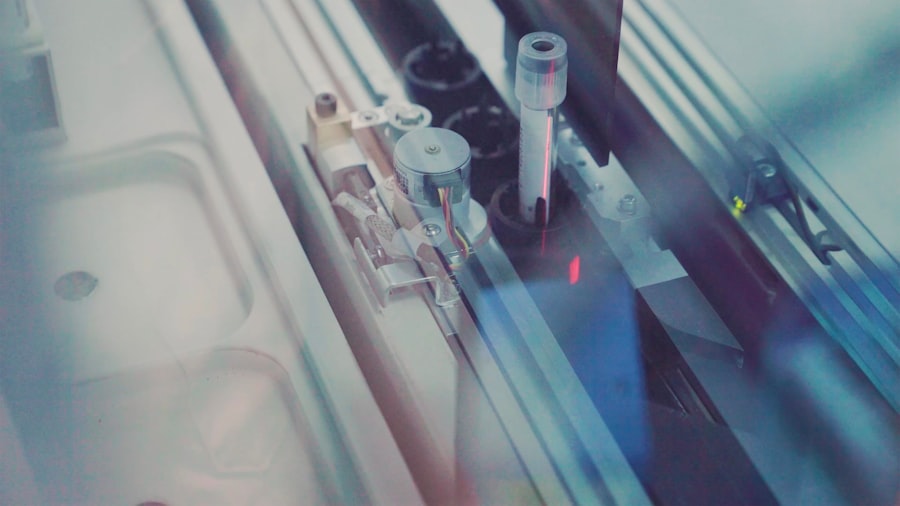
Producing an isotope is only part of the story. Once it’s created, it needs to be separated from the original target material and any unwanted byproducts. This purification process is crucial to ensure the safety and effectiveness of the final medical product.
Automated Radiochemistry Platforms
The trend here is towards automation. Manual purification processes can be time-consuming, expose staff to radiation, and are prone to human error. Automated platforms are designed to handle these steps with precision and speed.
Streamlined and Safer Purification
- Robotic Systems: Robots are being programmed to perform complex chemical separations, significantly reducing radiation exposure for technicians.
- Closed Systems: Automated systems often operate within sealed environments, minimizing airborne contamination and ensuring a higher level of sterility.
- Real-time Monitoring: Integrated sensors and analytical tools allow for continuous monitoring of the purification process, ensuring quality control at every step.
Novel Separation Techniques
Beyond automation, new chemical and physical separation methods are being developed. These aim to be more efficient, more selective for the desired isotope, and generate less chemical waste.
Enhancing Purity
- Chromatographic Advances: Improved chromatographic resins and techniques offer greater separation power for complex mixtures of isotopes.
- Solid-Phase Extraction: This method is becoming more sophisticated, allowing for the efficient capture and elution of specific isotopes from a solution.
- Membrane Technologies: Emerging membrane technologies are being explored for their potential to selectively filter and concentrate isotopes.
Readying for the Patient: Hot Cells and Quality Control
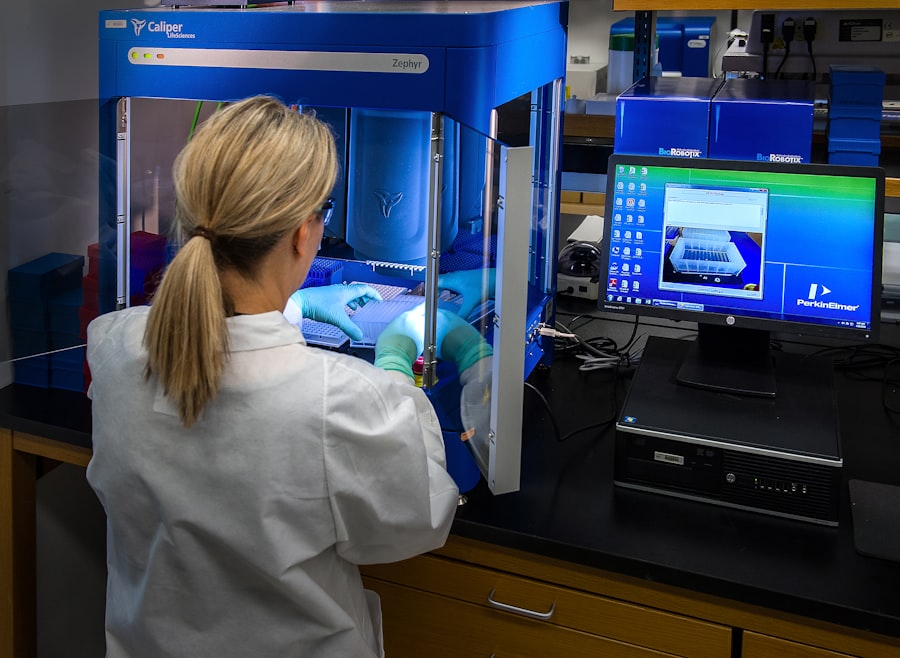
After production and purification, isotopes are typically handled within specialized shielded rooms called “hot cells” due to the radiation they emit. These are essential for radiation protection. The final steps involve packaging the isotope in its usable form and rigorous quality control to ensure it’s safe and at the correct concentration.
Advanced Hot Cell Design
Hot cells are becoming more sophisticated, incorporating features that improve efficiency and safety. This includes better shielding, robotic manipulators for precise handling, and integrated imaging systems.
Optimizing the Workspace
- Modular and Flexible Designs: Hot cells are now often designed to be modular, allowing for easier upgrades, maintenance, and adaptation to different production needs.
- Improved Ergonomics for Robotics: As automation increases, the design of robotic arms and manipulators is being refined for greater dexterity and precision within the confined space of a hot cell.
- Integrated Vision Systems: High-definition cameras and advanced imaging allow operators to remotely monitor and control processes with greater accuracy.
Sophisticated Quality Assurance (QA) and Quality Control (QC)
Ensuring the purity, radioactivity, and sterility of medical isotopes is paramount. The QA/QC processes are thus becoming more advanced, incorporating cutting-edge analytical techniques.
Guaranteeing Safety and Efficacy
- High-Resolution Gamma Spectroscopy: This is a standard but continually refined technique for identifying and quantifying isotopes.
- Mass Spectrometry Advancements: More sensitive mass spectrometry methods are being used to detect even minute impurities.
- Automated Dose Calibrators: These instruments are crucial for verifying the activity of the radioactive dose before it is administered to a patient.
- Sterility and Endotoxin Testing: Rigorous testing for microbial contamination and pyrogens is always a critical step.
Medical isotope processing plays a crucial role in the field of nuclear medicine, providing essential materials for diagnostic imaging and treatment. For those interested in exploring the latest advancements and challenges in this area, a related article can be found at In the War Room, which discusses innovative techniques and the future of isotope production. This resource offers valuable insights into how these developments can enhance patient care and improve the efficiency of medical procedures.
The Future is Now: Emerging Isotopes and Personalized Medicine
| Isotope | Processing Method | Half-life |
|---|---|---|
| Technetium-99m | Mo-99 production and extraction | 6 hours |
| Iodine-131 | Uranium fission | 8 days |
| Gallium-67 | Neutron activation | 3.26 days |
The advancements in processing aren’t just making existing isotopes better; they’re also opening doors to entirely new possibilities, particularly in the realm of personalized medicine and novel therapeutic approaches.
Alpha-Emitting Isotopes for Targeted Therapies
While beta-emitters have been the workhorse for many treatments, alpha-emitters are gaining significant attention. These particles are much more potent but have a very short range, making them ideal for precisely targeting cancerous cells while sparing healthy tissue.
The Promise of Alpha Therapy
- Targeted Delivery: Alpha-emitters are often attached to molecules that specifically bind to cancer cells. When the alpha particle is emitted, it delivers a highly localized dose of radiation precisely where it’s needed.
- Reduced Side Effects: Because of their short range, alpha therapies have the potential for fewer systemic side effects compared to conventional treatments.
- Production Challenges: Producing alpha-emitters often requires specialized techniques due to their unique nuclear properties, and advancements in processing are crucial here. Isotopes like Actinium-225 and Radium-223 are prime examples.
Gallium-68 and the Rise of PET Imaging
Positron Emission Tomography (PET) is a powerful imaging technique used to diagnose and monitor diseases. Gallium-68 (Ga-68) is a radioisotope that is increasingly used as a PET imaging agent. Its short half-life makes it ideal for producing and using in a distributed manner.
Decentralized PET Imaging
- The Generator Advantage: Ga-68 is typically produced using a generator system, where a parent isotope (Germanium-68) decays to produce the desired Gallium-68. This allows hospitals without cyclotrons to generate their own Ga-68 on-site for immediate use.
- Improved Diagnostic Capabilities: Ga-68 attached to specific targeting molecules allows for the visualization of various cancers and other conditions with remarkable detail.
Isotope Production as a Service
With the increasing complexity and cost of setting up and running isotope production facilities, the concept of “isotope production as a service” is emerging. This model allows institutions that may not have the resources or expertise to access isotopes directly from specialized production centers.
Outsourcing to Experts
- Focus on Application: This allows healthcare providers to focus on the clinical application of isotopes rather than the intricacies of their production.
- Economies of Scale: Centralized production facilities can achieve economies of scale, potentially lowering costs for a wider range of users.
- Streamlined Supply Chains: This model aims to create more robust and reliable supply chains.
The pace of innovation in medical isotope processing is truly remarkable. From smaller, more accessible accelerators to sophisticated purification and novel therapeutic applications, these advancements are working together to make these vital tools more available, more effective, and ultimately, to contribute to better patient outcomes. It’s a field that quietly but powerfully impacts modern medicine.

Why Modern Medicine Can’t Store Tomorrow
FAQs
What are medical isotopes?
Medical isotopes are radioactive substances used in medical imaging and therapy. They are used to diagnose and treat various medical conditions, including cancer, heart disease, and neurological disorders.
How are medical isotopes processed?
Medical isotopes are typically produced in nuclear reactors or particle accelerators. Once produced, they undergo a series of processing steps to purify and package them for medical use. This may include filtration, distillation, and sterilization processes.
What are the benefits of medical isotope processing?
Medical isotope processing allows for the production of high-quality, pure isotopes that can be used for accurate medical imaging and targeted therapy. This helps healthcare professionals diagnose and treat patients more effectively, leading to better patient outcomes.
What are the challenges of medical isotope processing?
One of the main challenges of medical isotope processing is ensuring a stable and reliable supply of isotopes. Additionally, the handling and disposal of radioactive materials present safety and environmental concerns that must be carefully managed.
How are medical isotopes used in medicine?
Medical isotopes are used in a variety of medical procedures, including PET scans, SPECT scans, and targeted radiation therapy. They are also used to study biological processes and develop new treatments for diseases.