Keeping medical imaging running smoothly relies on a steady stream of specialized materials called medical imaging isotopes. Think of them as the tiny, invisible keys that unlock detailed pictures of what’s happening inside your body for things like cancer detection or heart condition diagnosis. When the supply of these isotopes is interrupted, it can create real headaches for doctors and patients alike. This article will walk you through some of the key ways we work to ensure these vital materials are always available when and where they’re needed.
Medical imaging isotopes are essentially radioactive forms of elements. They’re chosen because they emit specific types of radiation that can be detected by special cameras, like PET (Positron Emission Tomography) or SPECT (Single-Photon Emission Computed Tomography) scanners.
How They Work in Your Body
When a patient receives these isotopes, usually through an injection, they travel through the bloodstream and accumulate in specific organs or tissues. For example, a common isotope used in cancer imaging will concentrate in cancerous cells.
Detecting the Signal
As the isotope decays, it releases radiation. The imaging equipment then picks up this radiation and translates it into detailed 2D or 3D images that doctors can use to identify abnormalities, assess organ function, or track disease progression. The shorter the half-life of the isotope, the faster it decays and the sooner the image needs to be taken. This is why the supply chain is so critical – these isotopes have a very short useful lifespan.
The supply chain for medical imaging isotopes has become increasingly critical in recent years, especially as demand for diagnostic imaging continues to rise. A related article that delves into the complexities and challenges of this supply chain can be found at In the War Room, where experts discuss the geopolitical factors, production issues, and potential solutions to ensure a stable supply of these essential isotopes for healthcare providers.
Why a Stable Supply Matters So Much
The availability of medical imaging isotopes isn’t just a logistical nicety; it’s a critical component of modern healthcare. Disruptions can have significant ripple effects.
Impact on Patient Care
When an isotope is unavailable, scheduled diagnostic imaging procedures might have to be postponed. This delay can cause anxiety for patients and, in some cases, could even lead to a delayed diagnosis, which can be detrimental to treatment outcomes.
Operational Hurdles for Hospitals
Hospitals and imaging centers rely on a consistent flow of these isotopes. Without them, their imaging equipment sits idle, impacting their ability to provide services and manage patient throughput. This also affects the scheduling of medical professionals who depend on these procedures being available.
Economic Considerations
The cost of an interrupted supply chain extends beyond just the inconvenience. Rescheduling appointments, managing staff time, and potentially needing to find alternative, less ideal diagnostic methods all add to the financial burden on healthcare systems.
The Complex Journey: Production and Distribution

Getting medical imaging isotopes from their point of creation to the patient’s bedside is a multi-step, highly regulated, and time-sensitive process.
The Role of Nuclear Reactors and Cyclotrons
Many essential isotopes are produced in specialized nuclear research reactors. These reactors bombard specific target materials with neutrons, transforming them into the desired radioactive isotopes. Alternatively, cyclotrons, which are particle accelerators, can be used to create certain isotopes by bombarding target materials with protons.
Processing and Purification Challenges
Once produced, the isotopes are often in a crude form and need to be carefully processed and purified to remove any unwanted byproducts. This is a highly specialized and often complex chemical process that ensures the isotope is safe and effective for medical use.
The Cold Chain and Short Shelf Lifes
A critical aspect of isotope distribution is maintaining what’s known as the “cold chain.” This means keeping the isotopes at specific, often very low, temperatures during transport to preserve their integrity and radioactivity. Because most medical imaging isotopes have very short half-lives – some lasting only a few hours – they must be transported quickly from the production site to the hospital or imaging center. This requires a robust and efficient logistics network.
Regulatory Oversight
The production, handling, and distribution of radioactive materials are subject to stringent regulations by government bodies worldwide. These regulations are in place to ensure safety for both the public and healthcare professionals, and to guarantee the quality and efficacy of the isotopes. Navigating these regulations is a significant part of maintaining a stable supply.
Strategies for Ensuring a Reliable Supply
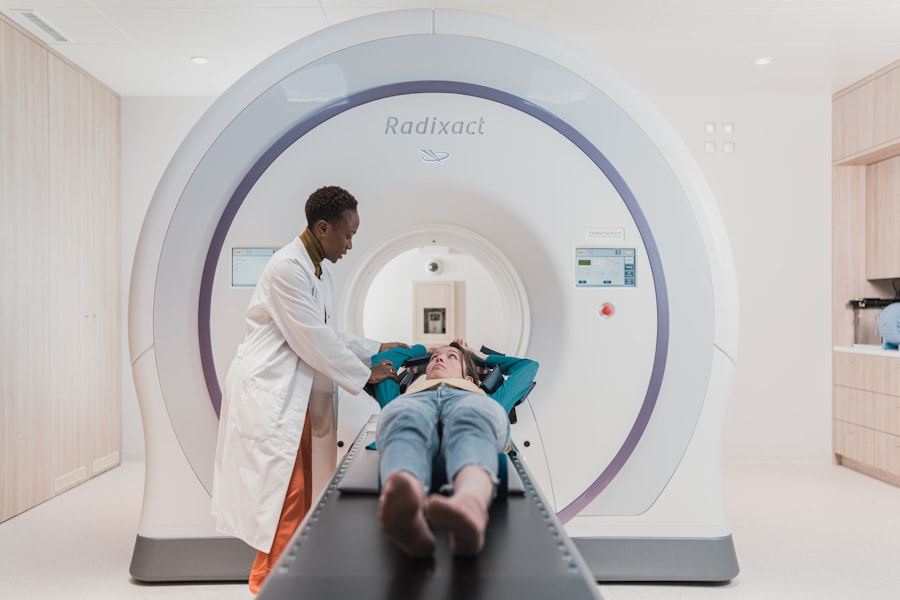
The challenges in isotope production and distribution have led to the development of various strategies aimed at bolstering supply chain resilience.
Diversifying Production Sources
Relying on a single production facility for a critical isotope is a significant vulnerability. Therefore, efforts are underway to diversify the geographical locations and types of facilities that produce key medical isotopes. This might involve supporting existing reactor facilities, encouraging the development of new ones, or exploring alternative production methods.
Investing in New Technologies
Advancements in technology are constantly being explored to improve isotope production and delivery. This includes developing more efficient ways to produce isotopes, exploring smaller, more accessible production units like tabletop cyclotrons for hospitals, and enhancing the methods for quality control and testing.
Building Strategic Reserves
For isotopes with particularly short half-lives or those with a history of supply disruptions, creating strategic reserves can be a valuable tool. This involves having a stockpile of isotopes, often stored under specific conditions, ready to be deployed in case of unexpected production issues or surges in demand. However, due to their short shelf life, this is a complex logistical challenge and only feasible for certain isotopes.
International Collaboration and Information Sharing
The production and distribution of isotopes often cross international borders. Strong global collaboration between countries, regulatory bodies, and isotope producers is essential. This includes sharing information about production capacities, potential disruptions, and best practices to ensure a coordinated global response when needed.
Fostering a Skilled Workforce
The specialized nature of isotope production and handling requires a highly skilled workforce. Investing in education and training programs to develop and retain nuclear pharmacists, radiochemists, physicists, and technicians is crucial for the long-term stability of the supply chain.
The supply chain for medical imaging isotopes has become increasingly critical in recent years, especially as demand for diagnostic imaging continues to rise. A recent article discusses the challenges faced by the industry, including regulatory hurdles and the need for more sustainable production methods. For a deeper understanding of these issues and their implications for healthcare, you can read more in this insightful piece found here.
Addressing Bottlenecks and Future Challenges
| Stage | Metrics |
|---|---|
| Production | Isotope production capacity |
| Transportation | Delivery time to medical facilities |
| Storage | Isotope storage capacity |
| Quality Control | Percentage of isotope batches meeting quality standards |
| Regulatory Compliance | Number of regulatory violations |
The medical imaging isotope supply chain is not without its ongoing challenges and areas that require continued attention.
The Age and Maintenance of Production Facilities
Many of the world’s primary isotope production facilities are aging. Maintaining and upgrading these facilities, or building new ones, represents a significant capital investment and requires careful planning. The lifespan of these facilities directly impacts the long-term availability of certain isotopes.
Geopolitical and Trade Considerations
The global nature of isotope production means that geopolitical events, trade disputes, or export controls can disrupt the flow of these essential materials. Building resilience often involves looking at ways to reduce reliance on single import sources for critical isotopes.
The Rise of New Imaging Modalities and Isotopes
As medical imaging technology advances, new isotopes and imaging techniques emerge. The supply chain needs to be adaptable to incorporate the production and distribution of these novel materials, which may have different production requirements and logistical challenges.
Public Perception and Acceptance
While crucial for healthcare, the use of radioactive materials can sometimes raise public concern. Clear communication about the safety and benefits of medical imaging isotopes, as well as the rigorous regulatory framework governing their use, is important for maintaining public trust and support for these technologies.
Economic Viability of Production
Producing specialized medical isotopes is a niche and often costly endeavor. Ensuring the economic viability of production facilities, sometimes through a combination of medical isotope sales and other research uses, is important for their continued operation. Government support or incentives can play a role in this.
Conclusion: A Collaborative Effort for Health
Ensuring a stable supply of medical imaging isotopes is a complex, multifaceted challenge that requires ongoing commitment and collaboration from diverse stakeholders. It’s a testament to the intricate workings of modern science and logistics that these essential materials are generally available, enabling countless medical diagnoses and treatments every day.
The Interconnectedness of the Supply Chain
What becomes clear is that this isn’t just about one company or one process. It’s a global network involving researchers, engineers, regulators, manufacturers, distributors, and healthcare providers. Every link in this chain plays a vital role.
The Importance of Proactive Planning
The focus is increasingly shifting from simply reacting to shortages to proactively building a more robust and resilient supply chain. This involves anticipating future needs, investing in innovation, and fostering strong partnerships.
A Continuous Commitment
The quest for reliable access to medical imaging isotopes is an ongoing one. As technology evolves and global circumstances change, so too will the strategies employed to safeguard this critical component of healthcare, ultimately benefiting patients worldwide.

Why Modern Medicine Can’t Store Tomorrow
FAQs
What is a medical imaging isotope supply chain?
A medical imaging isotope supply chain refers to the process of producing, distributing, and delivering radioactive isotopes used in medical imaging procedures, such as PET scans and SPECT scans.
What are the key components of a medical imaging isotope supply chain?
The key components of a medical imaging isotope supply chain include isotope production facilities, transportation and logistics networks, regulatory agencies, healthcare facilities, and waste management systems.
Why is the medical imaging isotope supply chain important?
The medical imaging isotope supply chain is important because it ensures a reliable and consistent supply of radioactive isotopes for use in diagnostic imaging procedures, which are essential for diagnosing and monitoring various medical conditions.
What are the challenges in the medical imaging isotope supply chain?
Challenges in the medical imaging isotope supply chain include the short half-life of some isotopes, transportation and storage requirements, regulatory compliance, and the need for continuous investment in isotope production facilities.
How is the medical imaging isotope supply chain regulated?
The medical imaging isotope supply chain is regulated by government agencies, such as the Nuclear Regulatory Commission (NRC) in the United States, which oversee the production, transportation, and use of radioactive isotopes to ensure safety and security.