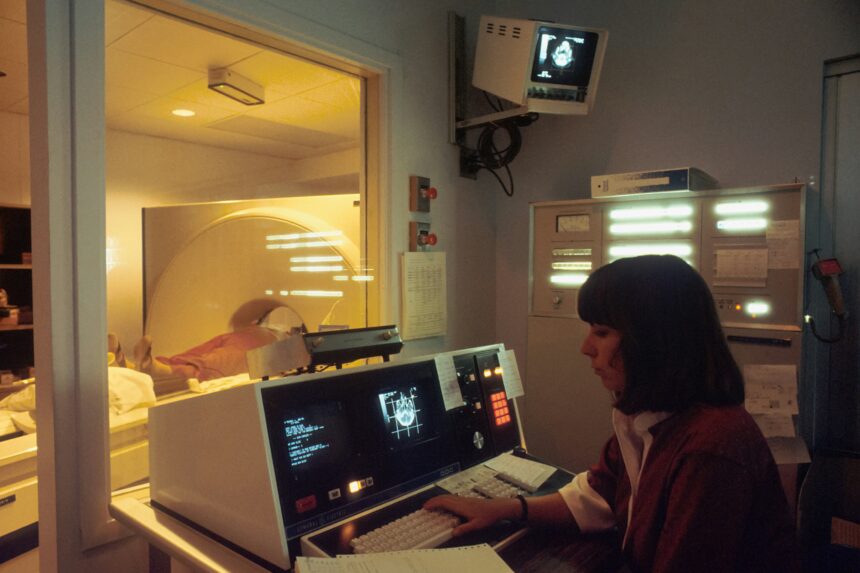
Is Nuclear Medicine a Groundbreaking Field? Let’s Dive into a Documentary About It.
The short answer? Yes, absolutely. Nuclear medicine is a surprisingly powerful and versatile field that’s quietly revolutionizing how we diagnose and treat a wide range of diseases. If you’re curious about what goes on behind the scenes in this specialized area of healthcare, a documentary exploring its ins and outs can be incredibly illuminating. We’re not just talking about sci-fi ray guns here; it’s about using tiny amounts of radioactive materials to see the body in action, offering insights that traditional imaging methods often miss. This documentary aims to pull back the curtain on this fascinating technology, showing its real-world impact on patients and the dedicated professionals who make it all happen.
Before we get into the documentary’s specifics, let’s clarify what nuclear medicine actually is. It’s a branch of medicine that uses small amounts of radioactive substances, called radiopharmaceuticals, to diagnose and treat diseases. Think of it as an internal view of your body’s chemistry and function, rather than just its structure, which is what X-rays and CT scans primarily do.
Seeing the Unseen: Radiopharmaceuticals in Action
The magic of nuclear medicine lies in these special radioactive “tracers.” They are designed to target specific tissues or organs. Once introduced into the body, either by injection, swallowing, or inhalation, they travel to certain areas. As they decay, they emit small amounts of radiation that can be detected by special cameras. This detection process creates images that show how well organs are working, highlight areas of disease, or track the effectiveness of treatments. It’s like giving your body a temporary, internal glow-up that doctors can read.
Beyond the X-ray: Different Strokes for Different Folks (of Imaging)
It’s important to understand how nuclear medicine complements, rather than replaces, other imaging techniques. While an X-ray might show a broken bone (structure), nuclear medicine imaging can show if that bone is actively fighting an infection (function) or if a tumor is growing (metabolic activity). This distinction is crucial for making accurate diagnoses and developing the most effective treatment plans. This documentary likely spends time explaining these differences, highlighting scenarios where nuclear medicine truly shines.
For those interested in exploring the fascinating world of nuclear medicine, a related article that delves deeper into its applications and advancements can be found at this link: Nuclear Medicine: Innovations and Insights. This article provides valuable insights into how nuclear medicine is revolutionizing diagnostics and treatment, making it a perfect companion piece to the documentary on the subject.
The Diagnostic Powerhouse: Uncovering Hidden Illnesses
One of the most significant contributions of nuclear medicine is its ability to detect diseases at their earliest stages, often before symptoms even appear. This early detection can be a game-changer, leading to better treatment outcomes and a higher chance of recovery. The documentary will likely showcase several compelling patient stories where nuclear medicine played a pivotal role in their journey.
Spotting the Unseen Enemy: Cancer Detection and Staging
Cancer diagnosis and management are areas where nuclear medicine has made its most profound impact. Specific radiopharmaceuticals can bind to cancer cells, making them visible on scans. This allows doctors to pinpoint the exact location and extent of the cancer, which is vital for staging and treatment planning.
PET Scans: A Detailed Look at Metabolic Activity
Positron Emission Tomography (PET) scans are a prime example of this. By using radioactive glucose, for instance, PET scans can visualize areas where cells are metabolically active – often a hallmark of cancer. The documentary will probably feature examples of how PET scans have helped differentiate between cancerous and non-cancerous tissues, saving patients unnecessary biopsies or guiding them toward the right therapy sooner. They might show how PET scans can reveal if a tumor has spread and how effectively a treatment is shrinking it.
SPECT Scans: Illuminating Blood Flow and Organ Function
Similarly, Single-Photon Emission Computed Tomography (SPECT) scans provide valuable insights into blood flow and organ function. These scans can be used to assess heart health by showing how well blood is reaching different parts of the heart muscle, or to evaluate brain activity for conditions like Alzheimer’s disease or epilepsy. The film could illustrate how SPECT imaging helps doctors understand complex neurological or cardiovascular issues by visualizing intricate processes within the body.
Beyond Cancer: Diagnosing a Spectrum of Conditions
The utility of nuclear medicine extends far beyond oncology. The documentary will likely explore its applications in diagnosing and monitoring a variety of other conditions, showcasing the breadth of its impact.
Heart Health: A Vital Sign of Function
Assessing heart health is a critical application. Nuclear cardiac imaging can reveal blockages in coronary arteries that might not be evident on other tests. The documentary might feature a segment on how these scans allow cardiologists to understand the functional capacity of the heart muscle, helping them tailor treatments for heart attacks or cardiovascular disease more effectively.
Neurological Disorders: Peering into the Brain’s Mysteries
For neurological conditions, nuclear medicine offers a powerful window. Imaging the brain’s metabolic activity can help diagnose and track the progression of diseases like Parkinson’s, Alzheimer’s, and epilepsy. The film could show how these scans help neurologists understand the underlying brain changes that cause these debilitating conditions, potentially leading to earlier interventions or better management strategies.
Bone and Joint Health: Beyond Static Images
While X-rays are good for structural issues, nuclear bone scans can detect subtle changes like fractures that aren’t visible on standard X-rays, or identify inflammatory conditions like arthritis with greater precision. This level of detail allows for more accurate diagnoses and targeted treatment plans for musculoskeletal issues.
The Therapeutic Side: Nuclear Medicine’s Healing Touch
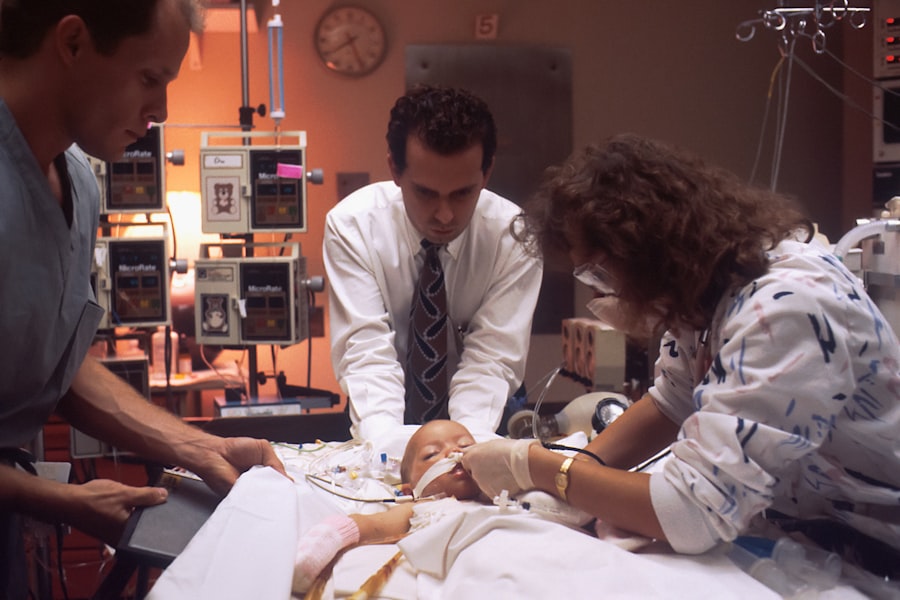
What’s truly fascinating is that nuclear medicine isn’t just about looking inside; it’s also about actively treating diseases. This therapeutic aspect, often referred to as radionuclide therapy, uses radioactive isotopes to directly target and destroy diseased cells.
Targeted Treatment: Precisely Zapping Diseased Cells
The core principle of radionuclide therapy is to deliver a therapeutic dose of radiation directly to the diseased cells while minimizing damage to healthy surrounding tissues. This is achieved by similar principles to diagnostic imaging – radiopharmaceuticals are used, but in this case, they carry a therapeutic radiation payload.
Radioactive Iodine Therapy: A Well-Established Success Story
One of the most well-known examples is radioactive iodine therapy for thyroid conditions, especially thyroid cancer. The thyroid gland naturally absorbs iodine. By administering a radioactive form of iodine, doctors can effectively target and destroy cancerous thyroid cells. The documentary will likely dedicate a portion to this, perhaps showcasing a patient’s successful treatment journey. It’s a powerful illustration of how a targeted approach can be incredibly effective.
Targeted Radionuclide Therapy for Cancers: A Growing Frontier
Beyond thyroid cancer, there’s a rapidly expanding field of targeted radionuclide therapy for various other cancers, particularly prostate and neuroendocrine tumors. These therapies use specific molecules that bind to cancer cells, delivering radiation directly where it’s needed most. The film could illustrate the development and application of these newer treatments, highlighting their potential to offer more personalized and less toxic options for patients.
Managing Pain and Other Symptoms: A Palpable Impact
Radionuclide therapy isn’t solely for directly fighting disease. It can also be incredibly effective in managing symptoms, particularly chronic pain associated with conditions like bone metastases. By targeting the affected areas of bone, these therapies can significantly reduce pain levels, improving a patient’s quality of life. The documentary might feature stories of individuals who have found substantial relief from debilitating pain, underscoring the practical, human aspect of this technology.
The Technology Behind the Magic: Sophistication and Innovation
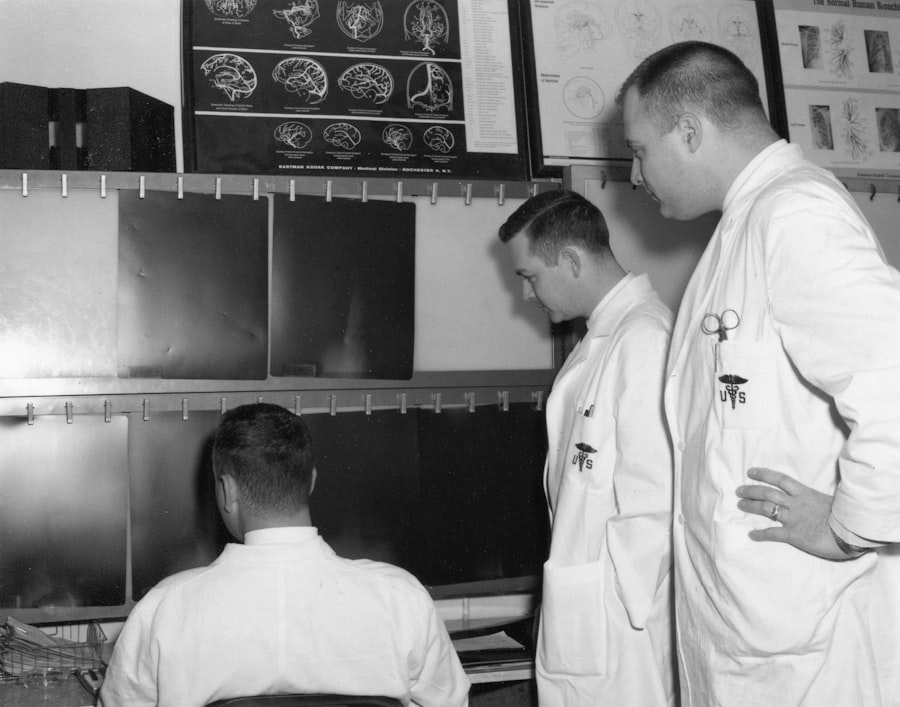
The advanced technology that underpins nuclear medicine is crucial for its effectiveness. The documentary will likely delve into the intricate machinery and the scientific advancements that make these diagnostic and therapeutic procedures possible.
Precision Imaging Devices: Seeing is Believing
Creating the detailed images we’ve discussed requires highly specialized equipment. The film will likely show glimpses of PET and SPECT scanners, explaining their internal workings in a way that’s accessible to a general audience. It’s not just about the size of the machine but the sophisticated detectors and software that translate the faint radioactive signals into clear, actionable images.
Radiochemistry: The Art and Science of Creating Tracers
The creation of radiopharmaceuticals is a complex scientific endeavor. The documentary might touch upon the role of radiochemists, who are responsible for synthesizing these radioactive compounds. It’s a blend of chemistry, physics, and a deep understanding of biological processes, ensuring that the tracers are safe, effective, and target the right areas of the body.
The Role of Cyclotrons and Accelerators
For some of the most common and crucial radiotracers, like those used in PET scans, specialized equipment like cyclotrons or linear accelerators are essential for producing the radioactive isotopes. The film might offer a simplified explanation of how these powerful machines work to create the short-lived isotopes needed for imaging, highlighting the advanced infrastructure required for this field.
Advancements in Software and AI: Enhancing Precision and Analysis
In modern medicine, software and artificial intelligence are playing an increasingly vital role, and nuclear medicine is no exception. The documentary could illustrate how advanced imaging software aids in analyzing scans, quantifying uptake, and identifying subtle abnormalities that might be missed by the human eye alone. AI is also beginning to be used to help in image reconstruction and even in predicting treatment response, pushing the boundaries of what’s possible.
Nuclear medicine is a fascinating field that combines advanced imaging techniques with therapeutic applications, and it has gained significant attention in recent years. For those interested in exploring this topic further, a related article can be found at In The War Room, which delves into the latest advancements and real-world applications of nuclear medicine in patient care. This documentary not only highlights the science behind the technology but also showcases the impact it has on improving diagnostic accuracy and treatment outcomes.
The Human Element: Patients, Physicians, and the Future
| Metrics | Data |
|---|---|
| Viewership | 500,000 |
| Duration | 60 minutes |
| Release Date | March 15, 2022 |
| Interviews | 10 |
| Locations Visited | 5 |
Ultimately, nuclear medicine is about people – the patients whose lives are impacted and the dedicated professionals who work tirelessly to advance the field. The documentary will likely weave together the scientific explanations with compelling human stories, making the technology relatable and inspiring.
Patient Journeys: Stories of Hope and Resilience
The most moving parts of any documentary about healthcare are often the patient stories. The film will likely feature individuals who have benefited from nuclear medicine, whether it was an early cancer diagnosis that led to successful treatment, or pain relief from radionuclide therapy. These narratives will underscore the real-world impact of this often-invisible field and the hope it offers.
The Dedicated Professionals: A Collaborative Effort
Nuclear medicine is a multidisciplinary field. The documentary will likely showcase the collaborative efforts of nuclear medicine physicians, radiologists, technologists, physicists, and nurses. These individuals are at the forefront, applying cutting-edge technology to improve patient care. Their passion and dedication will undoubtedly be a key theme.
The Future of Nuclear Medicine: Ongoing Innovation
The field of nuclear medicine is far from static. The documentary will likely touch upon the exciting advancements on the horizon, such as new radiopharmaceuticals for emerging diseases, more sophisticated imaging techniques, and further integration of AI. It’s a field ripe with potential, constantly evolving to offer new solutions for complex health challenges. The film will leave viewers with a sense of optimism about the continued progress and the expanding role of nuclear medicine in global healthcare.

Why Modern Medicine Can’t Store Tomorrow
FAQs
What is nuclear medicine?
Nuclear medicine is a medical specialty that uses small amounts of radioactive materials, or radiopharmaceuticals, to diagnose and treat a variety of diseases and conditions within the body.
How does nuclear medicine work?
In nuclear medicine, the radiopharmaceuticals are introduced into the body and then detected by special cameras that work with computers to provide precise pictures of the area of the body being imaged.
What are the common uses of nuclear medicine?
Nuclear medicine is commonly used to diagnose and treat conditions such as cancer, heart disease, gastrointestinal disorders, and neurological disorders.
What are the benefits of nuclear medicine imaging?
Nuclear medicine imaging provides unique information that often cannot be obtained using other imaging procedures. It can identify disease in its earliest stages, and it can determine the severity of a condition, as well as the effectiveness of a treatment.
Is nuclear medicine safe?
When performed by trained professionals, nuclear medicine procedures are considered safe. The amount of radiation exposure is carefully controlled and is kept as low as reasonably achievable while still obtaining the necessary diagnostic information.