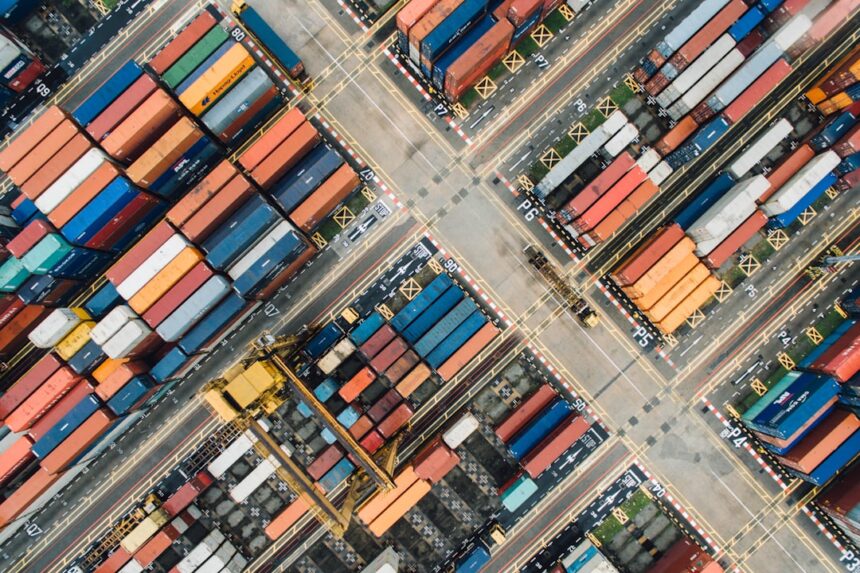
You rely on medicines for your health, but have you ever stopped to think about how they actually get to you? It’s a complex journey, far more intricate than most people realize. Think of it as an “invisible supply chain” – a vast, global network working constantly to ensure that when you need a medication, it’s there. This isn’t just about putting pills in boxes; it’s a sophisticated dance of science, logistics, regulation, and a whole lot of people working behind the scenes. Let’s pull back the curtain and explore what makes this vital system tick.
The Seed of a Solution: From Lab to Lab Bench
Every medicine begins its life not in a factory, but in a laboratory. This initial phase is a world of meticulous research and painstaking development. Scientists are looking for ways to address diseases, reduce suffering, and improve lives. It’s a long shot, often involving years and years of dedicated work.
Discovering the Active Ingredient
This is where the magic, or rather, the science, truly starts.
- Identifying Targets: Researchers first pinpoint specific biological targets in the body that are related to a disease. This could be a faulty protein, a malfunctioning cell pathway, or even a virus or bacteria.
- Screening and Synthesis: Once a target is identified, the hunt is on for a molecule that can interact with it in a beneficial way. This involves screening vast libraries of existing compounds or designing new ones from scratch. It’s a bit like trying to find the perfect key for a very specific lock.
- Pre-clinical Testing: Before a substance can even be considered for human use, it undergoes rigorous testing in labs and on animals. This is crucial for understanding its basic safety profile and how it behaves in a biological system. Side effects, potential toxicity, and how the body processes it are all closely examined.
The Long Road to Viability
It’s rare for a potential drug to make it all the way.
- Failure is Common: The vast majority of compounds that show promise in early stages will never become a marketed medicine. They might be ineffective, too toxic, or simply not feasible to produce. The failure rate from initial discovery to approved drug is staggering.
- Iterative Refinement: Even if a compound shows promise, it’s rarely perfect from the start. Scientists will spend countless hours modifying its chemical structure to improve its effectiveness, reduce side effects, and make it more stable. This is a process of continuous improvement and fine-tuning.
The invisible supply chain behind medicine plays a crucial role in ensuring that pharmaceuticals reach patients efficiently and safely. For a deeper understanding of this complex network, you can explore the article titled “The Hidden Logistics of Healthcare” available at this link. This article delves into the various components of the supply chain, highlighting the challenges and innovations that shape the delivery of medical products.
Manufacturing the Medicine: From Bulk to Bottle
Once a promising drug candidate has successfully navigated the early research and development phases and shown its potential in clinical trials, the focus shifts to producing it on a scale that can meet patient needs. This is a massive undertaking, requiring specialized facilities and stringent controls.
Producing the Active Pharmaceutical Ingredient (API)
This is the core component of any medicine, the part that actually does the work.
- Complex Chemical Synthesis: The API is often produced through intricate chemical processes. These can involve multiple steps, requiring precise control of temperature, pressure, and chemical reactions. Think of it as a highly sophisticated chemical recipe.
- Sourcing Raw Materials: The ingredients needed for API production come from all over the world. These raw materials themselves have their own supply chains, with quality control and sourcing being paramount to ensure the final product is safe.
- Quality Control at Every Step: From the moment raw materials arrive at a manufacturing site to the final API, every batch is tested rigorously. This ensures purity, potency, and the absence of harmful contaminants. Analytical chemists are constantly on the job, verifying that the API meets strict specifications.
Formulating the Final Dosage Form
The API rarely goes directly into a pill or injection.
- Adding Excipients: To turn the API into a usable medicine, it needs to be combined with inactive ingredients called excipients. These can include fillers to give a tablet bulk, binders to hold it together, disintegrants to help it break down in the body, and coatings for taste masking or controlled release.
- Creating Different Forms: Medicines come in many forms: tablets, capsules, liquids, injectables, creams, inhalers, and more. Each form requires a different manufacturing process. For example, making sterile injectables demands incredibly clean environments to prevent contamination.
- Ensuring Stability and Bioavailability: The formulation process is critical for ensuring the medicine remains stable over time and that the API is released into the body in a way that it can be absorbed and work effectively (bioavailability). This involves understanding how the API interacts with the excipients and the environment.
The Global Network: Moving the Medicine Around the World
Once the medicine is manufactured, it’s not just sitting in a warehouse. It embarks on a journey that spans continents, navigating a complex web of logistics, transportation, and storage. This is where the “invisible” aspect of the supply chain truly comes into play.
Warehousing and Distribution Centers
Think of these as vital hubs in the global pharmaceutical network.
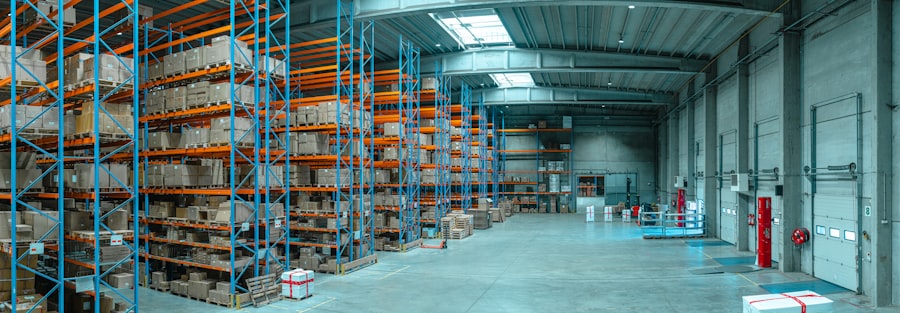
- Specialized Storage: Pharmaceutical warehouses are not your average storage units. They often require strict temperature and humidity controls, especially for sensitive medications like vaccines or biologics that need to be kept refrigerated or frozen.
- Inventory Management: Sophisticated systems are in place to track vast quantities of medicines, ensuring that stock levels are maintained, and products are rotated appropriately to prevent them from expiring.
- Security: Given the value and importance of the products, these facilities are heavily secured to prevent theft or tampering.
Transportation: The Arteries of the Supply Chain
Getting medicines from manufacturing sites to distribution centers, and then to pharmacies and hospitals, requires a robust transportation network.
- Modes of Transport: This can involve trucks, cargo planes, ships, and even specialized cold-chain transport for temperature-sensitive items.
- Cold Chain Management: For a significant number of modern medicines, especially biologics and vaccines, maintaining a constant, unbroken temperature range from production to administration is non-negotiable. This requires specialized refrigerated vehicles, insulated containers, and continuous monitoring.
- Just-in-Time Delivery: In many cases, especially for hospital pharmacies or critical medications, deliveries are made on a “just-in-time” basis to minimize storage needs and ensure availability.
Navigating the Regulatory Maze: Ensuring Safety and Efficacy
The journey of a medicine from discovery to your medicine cabinet is heavily regulated. This meticulous oversight is what ensures the medications you take are safe, effective, and of high quality. It’s a complex, multi-layered system involving national and international bodies.
National Regulatory Agencies
These are the gatekeepers for medicines in each country.
- Drug Approval Process: Agencies like the U.S. Food and Drug Administration (FDA) or the European Medicines Agency (EMA) oversee the entire lifecycle of a drug, from initial testing to post-market surveillance. They review vast amounts of data from clinical trials to determine if a drug is safe and effective for its intended use.
- Manufacturing Standards (GMP): These agencies set and enforce Good Manufacturing Practices (GMP). GMP guidelines dictate how drugs must be made, tested, and controlled to ensure quality and consistency. They cover everything from facility design to personnel training.
- Post-Market Surveillance: Once a drug is approved, regulatory agencies continue to monitor its performance in the real world. This involves collecting and analyzing reports of adverse events and taking action if safety concerns arise.
International Harmonization and Standards
While each country has its own regulations, there’s a global effort to harmonize standards.
- ICH Guidelines: The International Council for Harmonisation of Technical Requirements for Pharmaceuticals for Human Use (ICH) develops guidelines that are adopted by regulatory authorities worldwide. This helps to streamline the development and approval process, making it easier for medicines to reach patients in different regions.
- Pharmacopoeias: Organizations like the United States Pharmacopeia (USP) and the European Pharmacopoeia (Ph. Eur.) establish official standards for the quality, purity, and strength of medicines and their ingredients. These are legally recognized standards that manufacturers must meet.
The invisible supply chain behind medicine plays a crucial role in ensuring that essential drugs and medical supplies reach those in need, often without the public being aware of the complex processes involved. For a deeper understanding of this intricate system, you can explore an insightful article that delves into the various components and challenges faced by the pharmaceutical industry. This piece highlights how logistics, manufacturing, and distribution work together seamlessly to deliver life-saving medications. To read more about this fascinating topic, visit this article for an in-depth analysis.
The Final Leg: From Pharmacy Shelf to Patient
The last mile of the pharmaceutical supply chain is often the most visible, but it still involves an intricate network designed for efficiency and patient safety. This is where the manufactured and regulated medicine finally reaches its intended recipient.
Wholesalers and Distributors
These companies act as the intermediaries between manufacturers and healthcare providers.
- Consolidating Orders: Wholesalers buy medicines in large quantities from manufacturers and then break them down into smaller orders for pharmacies, hospitals, and clinics.
- Efficient Delivery Networks: They operate sophisticated distribution networks to ensure timely delivery, often with multiple daily deliveries to pharmacies to keep shelves stocked.
- Record Keeping: Wholesalers maintain detailed records of every transaction, which is crucial for tracking the movement of drugs and for any potential recalls.
Pharmacies and Hospitals: The Front Lines
This is where you, the patient, interact with the supply chain.
- Inventory Management and Ordering: Pharmacists meticulously manage their inventory, ordering medications based on patient demand and prescription trends. They work closely with wholesalers to ensure they have the necessary stock.
- Dispensing and Counseling: Beyond simply handing over a prescription, pharmacists play a critical role in ensuring patients receive the correct medication and understand how to take it, including potential side effects and interactions. This is a vital human checkpoint.
- Cold Chain Maintenance: Hospital pharmacies and some retail pharmacies also have specialized refrigeration units to maintain the cold chain for temperature-sensitive medications, just like the larger distribution centers.
The Evolving Threat of Counterfeits
This is a significant challenge that the supply chain constantly works to combat.
- The Dangers: Counterfeit medicines can contain no active ingredient, the wrong dosage, or harmful substances. They pose a serious risk to public health.
- Track-and-Trace Systems: Many countries are implementing “track-and-trace” systems, which involve unique identifiers on drug packaging that allow for verification of authenticity at each point in the supply chain. This helps to identify and intercept counterfeit products before they reach patients.
- Regulatory Vigilance: Regulatory agencies and law enforcement are continually working to identify and dismantle networks involved in the production and distribution of counterfeit drugs.
The Future of the Invisible Supply Chain
The pharmaceutical supply chain is not static; it’s constantly evolving to meet new challenges and embrace new technologies. The goal is always to deliver safe, effective medications to patients as efficiently and reliably as possible.
Embracing Technology
Innovation is key to improving the system.
- Data Analytics and AI: The use of data analytics and artificial intelligence is growing, helping to predict demand, optimize routes, identify potential disruptions, and improve quality control.
- Blockchain Technology: Blockchain is being explored for its potential to enhance transparency and security, creating an immutable record of a drug’s journey from manufacturing to patient.
- Advanced Manufacturing: Technologies like continuous manufacturing are being developed to make drug production more efficient and adaptable.
Resilience and Agility
Recent global events have highlighted the need for a more resilient supply chain.
- Diversification of Sourcing: Relying on single sources for raw materials or manufacturing can be a vulnerability. Companies are looking to diversify their supply chains to mitigate risks.
- Preparedness for Disruptions: Building in flexibility and redundancy is crucial for responding to natural disasters, geopolitical events, or public health emergencies. This might involve maintaining strategic stockpiles of critical medicines or essential ingredients.
- Collaboration: Increased collaboration between manufacturers, distributors, regulators, and healthcare providers is essential for sharing information and coordinating responses to challenges. This transparency helps to identify and address vulnerabilities before they become major issues.
The invisible supply chain behind your medicine is a testament to human ingenuity and global cooperation. It’s a system that works tirelessly, often unseen, to ensure that when you need relief, it’s there. Understanding this intricate network gives us a deeper appreciation for the journey that every pill, injection, or inhaler takes before it reaches your hands.

Why Modern Medicine Can’t Store Tomorrow
FAQs
What is the invisible supply chain behind medicine?
The invisible supply chain behind medicine refers to the complex network of processes and systems involved in the production, distribution, and delivery of pharmaceutical products to patients. This includes sourcing raw materials, manufacturing drugs, packaging, transportation, and regulatory compliance.
Why is the invisible supply chain important in the pharmaceutical industry?
The invisible supply chain is crucial in ensuring that patients have access to safe and effective medications. It involves stringent quality control measures, regulatory oversight, and coordination among various stakeholders to ensure the timely and reliable delivery of medicines.
What are some key components of the invisible supply chain in medicine?
Key components of the invisible supply chain in medicine include raw material sourcing, manufacturing facilities, quality control processes, packaging and labeling, distribution networks, transportation logistics, regulatory compliance, and pharmacovigilance.
How does the invisible supply chain impact the availability of medicine to patients?
The invisible supply chain plays a critical role in determining the availability of medicine to patients. Disruptions in the supply chain, such as raw material shortages, manufacturing issues, transportation delays, or regulatory challenges, can lead to shortages and impact patients’ access to essential medications.
What are some challenges in managing the invisible supply chain behind medicine?
Challenges in managing the invisible supply chain behind medicine include ensuring product quality and safety, navigating complex regulatory requirements, managing global sourcing and distribution networks, addressing supply chain vulnerabilities, and responding to unexpected events such as natural disasters or public health emergencies.