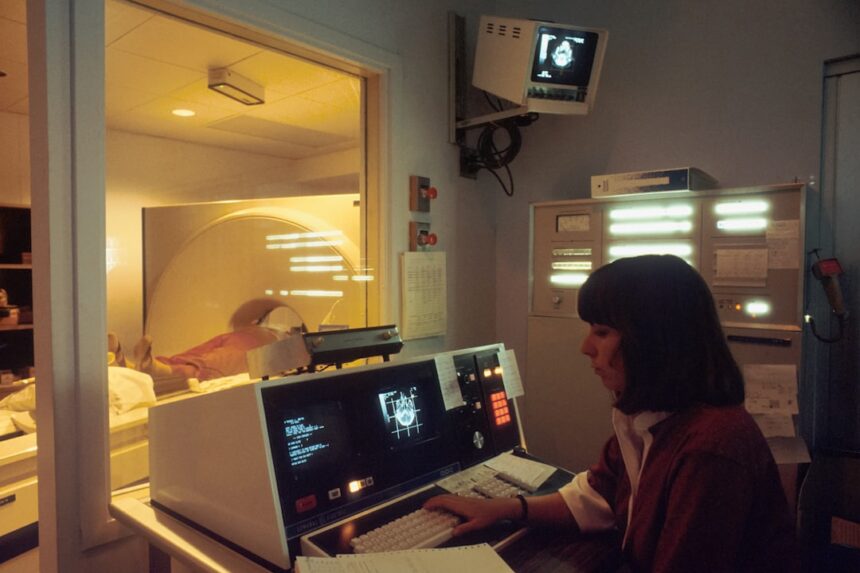
Nuclear medicine, a field that uses tiny radioactive traces to diagnose and treat diseases, isn’t just some abstract concept. It’s a very real and vital part of healthcare, and its backbone relies heavily on a specific kind of industrial powerhouse: nuclear reactors. Wondering how these massive machines tie into the pills and scans that help doctors see inside us? It all comes down to the creation of radioactive isotopes – the key ingredients for nuclear medicine.
Think of nuclear reactors as sophisticated factories for making special kinds of atoms. These aren’t your everyday elements; we’re talking about radioactive isotopes. These isotopes have the remarkable property of emitting radiation. This radiation, while needing careful handling, can be precisely controlled and detected, making it incredibly useful for medical purposes. Without the controlled environments and powerful neutron fluxes that reactors provide, producing many of the isotopes essential for modern medicine would be incredibly difficult, if not impossible. Reactor-produced isotopes are the workhorses of diagnostic imaging and a growing number of therapeutic interventions.
Why Reactors are Necessary for Many Isotopes
Not all radioactive isotopes are created equal, and their production methods vary. Some can be made in cyclotrons (particle accelerators), but for a significant portion of the isotopes used in nuclear medicine, the sheer volume and specific properties required necessitate the intense neutron environment found within a nuclear reactor. These isotopes are often generated through nuclear reactions, where a stable atom absorbs a neutron (or undergoes other transformations) inside the reactor core and becomes radioactive. This process requires the sustained and high-flux neutron environment that only a reactor can reliably provide over extended periods.
Not All Isotopes Come From Reactors
It’s important to clarify that this dependence isn’t absolute. As mentioned, particle accelerators like cyclotrons are also crucial for producing certain medical isotopes, particularly those with shorter half-lives that are best produced “on-demand” closer to the point of use. For example, Technetium-99m, the most widely used medical isotope worldwide, is a daughter product of Molybdenum-99, which is reactor-produced. However, other isotopes, like Fluorine-18 (used in PET scans), are primarily produced in cyclotrons. The dependency is on reactors for specific, high-demand isotopes and the infrastructure they represent.
The Global Supply Chain: A Reactor-Centric Network
The production of these vital medical isotopes is often concentrated in a few countries with the necessary reactor infrastructure. This creates a global supply chain where dedicated research reactors are used to irradiate target materials, which are then processed into the final medical isotopes. These isotopes are then shipped worldwide to hospitals and clinics. This reliance on a limited number of production sites makes the availability of isotopes sensitive to reactor operations, maintenance schedules, and even geopolitical factors. Disruptions at these key facilities can have ripple effects on the availability of critical diagnostic and therapeutic tools.
Nuclear medicine plays a crucial role in diagnosing and treating various medical conditions, and its effectiveness largely depends on the availability of radioisotopes produced in nuclear reactors. These reactors provide the necessary isotopes that are essential for imaging techniques such as PET scans and for therapeutic applications. For a deeper understanding of the relationship between nuclear reactors and the field of nuclear medicine, you can read more in this related article: Nuclear Medicine and Reactor Dependence.
The Technetium-99m Story: A Prime Example
If there’s one isotope that truly embodies the dependence of nuclear medicine on reactors, it’s Technetium-99m (Tc-99m). It’s the star of the show in countless diagnostic procedures, from heart imaging to bone scans. Its almost perfect characteristics – a short half-life of six hours (meaning it’s radioactive for a practical time before decaying) and the emission of gamma rays at an ideal energy for detection with scanners – make it indispensable. However, Tc-99m itself isn’t produced directly. It’s a decay product of Molybdenum-99 (Mo-99), and Mo-99 is almost exclusively produced in nuclear reactors.
Molybdenum-99 Production: The Reactor’s Core Task
The journey of Tc-99m begins with Mo-99. This is typically produced by irradiating natural or enriched molybdenum targets with neutrons in a nuclear reactor. The neutron bombardment transforms the molybdenum atoms into radioactive Mo-99. After irradiation, the Mo-99 is chemically separated and purified. This purified Mo-99 is then shipped to nuclear pharmacies, where it’s used to create “molybdenum-technetium generators.” These generators are essentially shielded containers holding the Mo-99. As the Mo-99 decays, it produces Tc-99m, which can then be eluted (washed out) using a saline solution for administration to patients.
The Impact of Reactor Downtime
Because Mo-99 production is so concentrated in a few specialized reactors, any unscheduled shutdown or maintenance period at these facilities can create significant shortages of Tc-99m. This isn’t just an inconvenience; it means that diagnostic procedures that rely on Tc-99m might have to be postponed or canceled, impacting patient care. The industry has faced such shortages in the past, highlighting the vulnerability of the medical isotope supply chain to disruptions in reactor operations. This has spurred efforts to diversify production and develop alternative isotope sources, but for now, the reactor remains central.
Developing Alternatives and Diversification
The recurring challenges with Mo-99 supply have driven significant research and development into alternative production methods. This includes exploring non-reactor-based production of Mo-99, such as using electron beams or linacs, and developing alternative imaging agents that can replace Tc-99m in certain applications. The goal is to build a more resilient and secure supply chain for these critical medical isotopes, lessening the over-reliance on a small number of aging research reactors.
Other Essential Reactor-Produced Isotopes
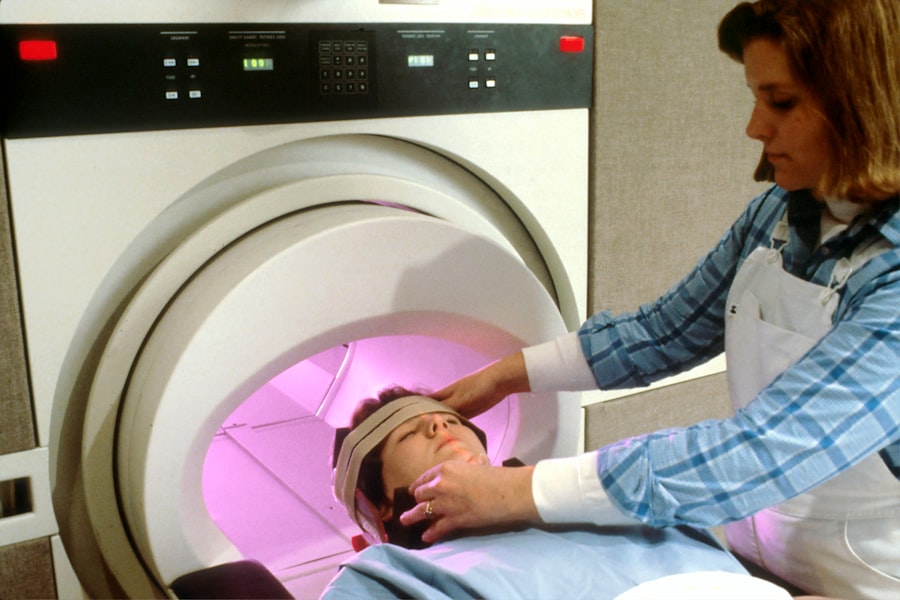
While Tc-99m often steals the spotlight, several other crucial radioactive isotopes for nuclear medicine are also the product of nuclear reactors. These isotopes play significant roles in both diagnosis and therapy, underscoring the broad impact of reactor technology on medical practice.
Iodine Isotopes: From Diagnosis to Thyroid Cancer Treatment
Iodine isotopes, particularly Iodine-131 (I-131), have a long history in nuclear medicine. I-131 is produced in reactors by irradiating stable iodine. It’s used in several ways: for diagnostic imaging of the thyroid gland, to treat hyperthyroidism (an overactive thyroid), and most significantly, to treat thyroid cancer. Patients ingest or are injected with I-131, which the thyroid gland readily absorbs. The emitted radiation then targets and destroys cancerous thyroid cells. Reactors are the primary source for the large quantities of I-131 needed for these treatments.
The Role of Iodine-123 in Imaging
Another important iodine isotope, Iodine-123 (I-123), is also reactor-produced and serves a crucial diagnostic role. Unlike I-131, I-123 emits gamma rays but does not emit beta particles (which are responsible for the therapeutic effect of I-131). This makes I-123 ideal for imaging without delivering a significant radiation dose to the patient. It’s used to assess thyroid function and to image the brain for conditions like Parkinson’s disease. Its production requires the specific neutron flux and target materials available in research reactors.
Lutetium-177: A Growing Star in Radiotherapy
In the realm of targeted radionuclide therapy, Lutetium-177 (Lu-177) has emerged as a powerful agent. This reactor-produced isotope is attached to molecules that specifically target cancer cells. Once at the tumor site, the Lu-177 emits beta particles, delivering a therapeutic dose of radiation directly to the cancer cells while minimizing damage to surrounding healthy tissues. Treatments for neuroendocrine tumors and prostate cancer using Lu-177 have shown remarkable success, driving a significant increase in demand for this isotope, all of which is currently met by reactor production.
The Production Route for Lutetium-177
The production of Lu-177 typically involves irradiating Lutetium-176 (Lu-176) targets with neutrons in a reactor. This neutron capture reaction transforms Lu-176 into Lu-177. Similar to other isotopes, the irradiated material undergoes chemical processing and purification to isolate the Lu-177. The increasing clinical success and adoption of Lu-177-based therapies place a growing reliance on reactor capacity for its continued availability.
Other Notable Reactor-Produced Isotopes
Beyond these prominent examples, reactors are also responsible for producing a spectrum of other radioisotopes used in medicine. These include isotopes like Phosphorus-32 (P-32) for certain eye cancers and bone metastases, and various isotopes of noble gases used in lung imaging. While perhaps less widely known than Tc-99m or Lu-177, their availability is equally crucial for specific medical applications, and their production is tied to reactor capabilities.
The Reactor Infrastructure: More Than Just a Machine
The dependence of nuclear medicine on reactors isn’t just about the physical act of neutron irradiation. It’s about the entire ecosystem that surrounds reactor operation for isotope production. This includes the specialized facilities for handling radioactive materials, the highly trained personnel, the stringent safety protocols, and the regulatory frameworks that govern their use.
Research Reactors vs. Power Reactors
It’s important to distinguish between the types of reactors involved. While power reactors generate electricity, the isotopes primarily used in nuclear medicine are produced in dedicated research reactors. These reactors are designed with specific features that facilitate isotope production, such as higher neutron fluxes, specialized irradiation positions, and capabilities for handling and processing radioactive targets. While some power reactors can produce certain isotopes, research reactors are optimized for this purpose.
The Importance of Dedicated Facilities
The production of medical isotopes requires very specific and secure facilities. These include hot cells for remote handling of highly radioactive materials, sophisticated chemical processing equipment, and quality control laboratories to ensure the purity and activity of the final product. Building and maintaining these specialized infrastructure elements is a significant undertaking, often requiring substantial government investment and expertise. The existence of these dedicated facilities is a direct consequence of the need for reactor-produced isotopes.
Personnel and Expertise
Operating reactors for isotope production requires a highly specialized and trained workforce. This includes nuclear engineers, physicists, radiochemists, radiation safety officers, and technicians. The knowledge and experience of these individuals are paramount for ensuring safe and efficient operation, as well as for developing and refining production processes. This human capital is a critical component of the reactor-dependent supply chain.
Nuclear medicine plays a crucial role in modern healthcare, relying heavily on reactors for the production of essential radioisotopes used in diagnostic imaging and therapeutic procedures. The process of generating these isotopes is intricately linked to the operation of nuclear reactors, which provide the necessary neutron activation and fission reactions. For a deeper understanding of this relationship, you can explore a related article that discusses the significance of reactors in the field of nuclear medicine. This article highlights how advancements in reactor technology can enhance the availability and quality of medical isotopes, ultimately improving patient outcomes. To learn more, visit this informative resource.
Challenges and the Future of Isotope Supply
| Reasons | Explanation |
|---|---|
| Production of Radioisotopes | Reactor-produced radioisotopes are essential for medical imaging and therapy in nuclear medicine. |
| Reliable Supply | Nuclear reactors provide a consistent and reliable source of radioisotopes for medical use. |
| High Energy Neutrons | Reactors produce high energy neutrons that are used to create radioisotopes through nuclear reactions. |
| Quality Control | Reactor-produced radioisotopes undergo strict quality control measures to ensure their safety and effectiveness in medical applications. |
The reliance on nuclear reactors for a significant portion of medical isotopes presents both opportunities and challenges. Ensuring a consistent and reliable supply while navigating the complexities of aging infrastructure and evolving global demands is a continuous effort.
Aging Infrastructure and Reliability Concerns
Many of the research reactors that currently produce key medical isotopes are decades old. While well-maintained, their age raises concerns about long-term reliability and the potential for unexpected shutdowns. The gradual phasing out of some of these older facilities, coupled with the significant investment and time required to build new ones, creates a challenge for maintaining adequate production capacity.
The Need for Global Cooperation and Investment
Securing a stable supply of medical isotopes necessitates international collaboration. Sharing best practices, coordinating production schedules, and investing in new or upgraded facilities are all crucial steps. Governments and private entities are increasingly recognizing this need to ensure that patients worldwide have access to essential diagnostic and therapeutic tools.
Advancements in Production Technology
The pursuit of more efficient and reliable isotope production is ongoing. Research into new reactor designs, innovative irradiation techniques, and alternative production pathways (including non-reactor methods where feasible) continues to advance. The goal is to create a more diversified and resilient global supply chain that can better withstand disruptions and meet the growing demand for nuclear medicine applications.
The Evolving Landscape: Cyclotrons vs. Reactors
While this article focuses on the dependence on reactors, it’s important to reiterate the growing role of cyclotrons, particularly for isotopes like F-18. The trend towards decentralized, on-site cyclotron production for certain short-lived isotopes offers a complementary approach and can reduce reliance on long-distance transport of radioactive materials. However, for many of the longer-lived and higher-activity isotopes, reactors remain the indispensable production hubs. The future of medical isotope supply likely involves a hybrid approach, leveraging the strengths of both reactor-based and cyclotron-based production.

Why Modern Medicine Can’t Store Tomorrow
FAQs
What is nuclear medicine?
Nuclear medicine is a medical specialty that uses small amounts of radioactive materials, or radiopharmaceuticals, to diagnose and treat a variety of diseases and conditions.
How do reactors contribute to nuclear medicine?
Reactors are essential for producing the radioactive isotopes used in nuclear medicine. These isotopes are created through the process of nuclear fission within the reactor.
What are some common medical procedures that rely on nuclear medicine?
Common procedures that rely on nuclear medicine include bone scans, thyroid scans, cardiac stress tests, and PET scans for cancer detection.
Why are reactors crucial for the production of radioactive isotopes?
Reactors are crucial for the production of radioactive isotopes because they provide a controlled environment for the nuclear reactions necessary to create these isotopes.
Are there any alternative methods for producing radioactive isotopes for nuclear medicine?
While there are alternative methods for producing radioactive isotopes, such as cyclotrons, reactors remain the primary source for many of the isotopes used in nuclear medicine due to their efficiency and cost-effectiveness.