In the relentless crucible of Modern Warfare, where milliseconds can separate victory from annihilation, the concept of “shared timing” emerges not as a mere suggestion, but as the bedrock of cohesive and effective gameplay. It is the silent language spoken between teammates, the unspoken agreement of when to push, when to hold, and when to execute a synchronized maneuver that cleaves through enemy defenses. This article delves into the intricate art of mastering shared timing, dissecting its multifaceted components and offering practical strategies for its cultivation.
At the heart of any successful shared timing strategy lies robust and efficient communication. Modern Warfare, with its fast-paced engagements and intricate map designs, demands more than just shouted callouts. It requires a nuanced understanding of how to convey critical information quickly, accurately, and in a way that can be readily processed by teammates.
The Art of the Concise Callout
The battlefield is a cacophony of gunfire, explosions, and the frantic cries of digital combatants. In this environment, every word spoken must carry weight. Mastering the art of the concise callout is paramount. This means stripping away unnecessary verbiage, focusing on actionable intelligence, and delivering it with clarity. Instead of a rambling description of enemy positions, a simple “Two, B flag, coming from alley” is far more effective.
Enemy Type and Count
Knowing who you’re facing and how many of them are present is crucial for coordinated pushes and defensive stands. A lone sniper is a different threat than a full squad pushing a objective. A quick, accurate count allows for appropriate threat assessment and resource allocation.
Direction and Location
Precise location data is non-negotiable. While general callouts like “they’re at A” are helpful, specifying further details like “A, behind the crates, pushing left” or “on the roof, looking towards B” provides clearer situational awareness. Using compass degrees or landmark names, when appropriate and understood by the team, further refines this information.
Enemy Actions and Intent
Beyond just static positions, understanding what the enemy is doing is equally vital. Are they planting a bomb? Fortifying a position? Repositioning for a flank? Communicating these actions allows teammates to anticipate enemy movements and react accordingly. “They’re planting at B!” triggers an immediate response to retake the objective.
Voice Chat Etiquette and Best Practices
Effective communication extends beyond just what is said; it also encompasses how it is said. Establishing clear voice chat etiquette can prevent confusion and foster a more productive team environment.
Designated Roles (Optional, but Recommended)
In some teams, assigning specific communication roles can be beneficial. A designated “point man” might focus on relaying enemy positions encountered, while a “support player” could monitor flanks and provide intel on enemy rotations. This isn’t about restricting communication but rather ensuring key information is filtered and relayed efficiently.
Minimizing Chit-Chat During Engagements
While camaraderie is important, prolonged banter during intense firefights can be detrimental. Encourage teammates to reserve non-essential conversation for downtime between rounds or matches. The focus during active engagements should be on tactical information.
Active Listening and Acknowledgment
Communication is a two-way street. Teammates must actively listen to callouts and acknowledge them to confirm they have been heard and understood. A simple “got it” or “copy” can go a long way in building confidence and ensuring everyone is on the same page.
Avoiding “I’m Going To…” Statements
Phrases like “I’m going to push B” can be problematic. Instead, consider statements that indicate intent and seek coordination, such as “Let’s push B on three” or “I’m going to flank left, cover me.” This encourages synchronized actions rather than independent solo plays.
In the context of shared timing in modern warfare, the article “The Synchronization of Forces: A New Era in Military Operations” on In The War Room provides an in-depth analysis of how real-time data sharing and coordinated timing among different military branches can enhance operational effectiveness. This piece explores the technological advancements that facilitate seamless communication and the strategic implications of synchronized actions on the battlefield. For further insights, you can read the article here: The Synchronization of Forces: A New Era in Military Operations.
Synchronization in Motion: The Art of the Coordinated Push
Shared timing truly shines during offensive maneuvers. A well-timed, synchronized push can overwhelm enemy defenses, break stalemates, and secure critical objectives. This requires not only communication but also a shared understanding of rhythm and tempo.
The “On My Mark” Mentality
The most basic form of synchronized movement revolves around a clear starting signal. Whether it’s a voice command like “Pushing in three, two, one, go!” or a visual cue through gameplay, achieving a unified advance is the first step.
Establishing a Clear Trigger
This trigger needs to be unambiguous and understood by all. It could be a specific sound cue, a countdown, or a visual indicator on the minimap. The key is that everyone initiates their action simultaneously.
Understanding the Tempo of the Game
Different game modes and situations call for different tempos. A fast-paced objective capture might require a rapid, aggressive push, while a slower, more methodical advance might be necessary for clearing a heavily fortified area. The team needs to be able to adapt to the prevailing rhythm.
Utilizing “Soft” and “Hard” Pushes
Not all pushes are created equal. A “soft” push might involve a probing advance to gather intel or draw out enemy fire, while a “hard” push is a full-scale, committed assault. Understanding when to employ each type of push is crucial for effective timing.
Flanking and Diversionary Tactics
Coordinated pushes are often amplified by intelligent flanking maneuvers and diversions. This creates multiple threats that the enemy struggles to defend against, increasing the likelihood of success.
The “Two-Pronged” Approach
This classic tactic involves splitting the team to attack from two different angles simultaneously. This forces the enemy to divide their attention and resources, making them vulnerable to either assault.
Utilizing Smoke and Flashbangs for Entry
Tactical equipment plays a vital role in enabling synchronized entry. Smoke grenades can obscure enemy vision, allowing teammates to advance under cover. Flashbangs can disorient defenders, creating openings for immediate entry. The timing of these deployments is critical.
The Role of the “Bait”
One or two players can act as a “bait,” drawing enemy attention to one area while the main assault team moves in from another. This requires excellent communication and understanding of the bait’s role and survival.
Defensive Prowess: Holding Ground in Unison
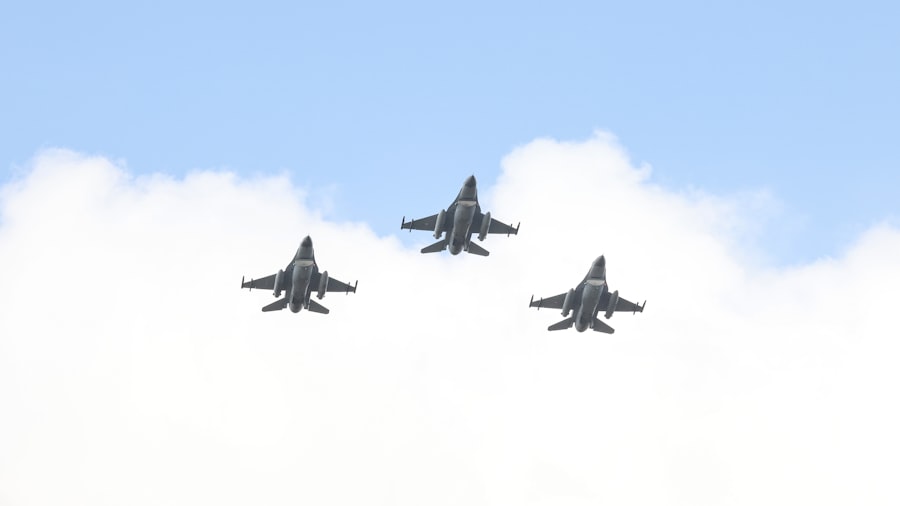
Shared timing is not just about aggression; it is equally critical for effective defense. Holding objectives, repelling enemy advances, and preventing flanks all require a synchronized effort to maintain a cohesive defensive line.
Establishing Strong Defensive Positions
The foundation of any strong defense lies in choosing and fortifying strategic positions that offer advantageous sightlines and cover. This needs to be a collective decision, rather than an individual player’s choice.
Overwatch and Covering Angles
Teammates must coordinate to cover all possible angles of approach. If one player is watching the main entrance, another should be covering a potential flank or alternative entry point. This creates overlapping fields of fire.
Rotations and Reinforcements
When an objective is under heavy assault, timely rotations and reinforcements are essential. Players must understand when to fall back to reinforce a threatened area and how to do so without leaving other positions vulnerable.
Information Relay for Enemy Pushes
As soon as an enemy push is identified, clear communication must alert the entire defensive unit. This allows for pre-emptive positioning and the activation of defensive strategies.
The “Hold the Line” Mentality
In many defensive scenarios, the goal is to prevent the enemy from advancing or achieving their objective. This requires disciplined adherence to defensive positions and a collective understanding of when and how to engage.
Managing Engagements and Avoiding Over-Extension
A common defensive mistake is for individual players to overextend and get picked off. A shared timing strategy emphasizes controlled engagements where players support each other and avoid individual heroics that compromise the overall defense.
The Importance of “Holding” and not Just “Killing”
While eliminating enemies is part of defense, the primary objective is to prevent the enemy from achieving their goal. This might mean holding a choke point even if it means taking damage, knowing that teammates are in a position to trade kills or reinforce.
Knowing When to Fall Back or Reset
There are times when a defensive position becomes untenable. Knowing when to tactically fall back to a more advantageous position or reset the defense is a sign of mature teamwork and effective shared timing.
The Art of the Read: Anticipating and Adapting

Mastering shared timing is not solely about executing pre-planned strategies; it also involves the ability to read the flow of the game and adapt to unforeseen circumstances. This requires a deep understanding of enemy behavior and team capabilities.
Reading Enemy Patterns and Tendencies
Experienced players can often anticipate enemy movements based on their past actions and general tendencies. This predictive ability, when communicated and acted upon by the team, is a powerful advantage.
Common Routes and Flank Points
Recognizing frequently used enemy routes and common flanking opportunities allows defenders to be in the right place at the right time.
Reaction Times to Objectives
Understanding how the enemy typically reacts to objective captures or losses can inform offensive and defensive strategies. For example, if the enemy consistently rushes a contested objective, the team can exploit this predictable behavior.
The “Third Man” Callout
This advanced callout involves predicting where a third enemy player might be located based on the known positions of two others and their likely movement patterns. It’s a testament to understanding spatial awareness and enemy intent.
Adapting to the Flow of the Match
No two matches are identical. The ability to deviate from initial plans and adapt to changing circumstances is a hallmark of a team that has truly mastered shared timing.
Recognizing When a Strategy Isn’t Working
If a coordinated push is consistently failing, the team needs to recognize this and be willing to switch tactics. Sticking to a failing strategy due to stubbornness is a recipe for defeat.
Capitalizing on Enemy Mistakes
Conversely, when the enemy makes a mistake, the team needs to be able to quickly recognize and exploit it. This might involve a sudden, uncoordinated push to capitalize on an enemy’s overextension or a lapse in communication.
Shifting Focus Based on the Score and Timer
As a match progresses, the strategic priorities may shift. A team that is behind might need to take more risks, while a leading team might opt for a more conservative approach. The team needs to be aligned on these strategic adjustments.
In the context of shared timing in modern warfare, the integration of technology and real-time communication has become crucial for operational success. A recent article explores how these advancements are reshaping military strategies and enhancing coordination among forces. For a deeper understanding of this topic, you can read more in this insightful piece on modern warfare. The ability to synchronize actions across various units not only improves efficiency but also significantly increases the chances of mission success in complex environments.
Building the Shared Timing Muscle: Practice and Synergy
| Aspect | Metrics |
|---|---|
| Response Time | Milliseconds |
| Latency | Seconds |
| Network Delay | Milliseconds |
| Server Processing Time | Milliseconds |
Like any skill, mastering shared timing requires consistent effort, deliberate practice, and the development of true synergy between teammates. It’s not something that happens overnight but rather a process of continuous improvement.
Deliberate Practice Drills
Beyond simply playing matches, dedicated practice can significantly improve shared timing. These drills can focus on specific aspects of team coordination.
“Mirror” Drills
In custom lobbies, teams can practice mirror engagements where both sides attempt to execute the same coordinated attack or defense. This allows for identifying weaknesses and refining strategies against an equally skilled opponent.
Objective-Based Scenarios
Focusing practice around specific objective types (e.g., Hardpoint, Domination, Search & Destroy) helps teams develop synchronized plays tailored to those modes.
Communication Drills
Setting aside time to practice specific callouts, acknowledge them, and ensure everyone understands the desired information flow can be incredibly beneficial.
Fostering Team Synergy and Trust
True shared timing is built on a foundation of trust and mutual understanding between teammates. This synergy allows for more intuitive play and a deeper connection on the battlefield.
Consistent Teammate Groupings
Playing with the same group of players consistently allows for the development of unconscious communication and a shared understanding of individual playstyles.
Post-Match Analysis and Feedback
Reviewing gameplay footage, discussing what went right and wrong, and offering constructive feedback are vital for improvement. This should be an open and honest discussion, focusing on collective growth.
Building Rapport Off the Battlefield
While in-game communication is crucial, the bonds formed outside of the game can translate to stronger teamwork on the battlefield. Understanding your teammates’ personalities and learning to work together off-screen can foster a deeper sense of camaraderie.
In conclusion, mastering shared timing in Modern Warfare is an ongoing journey, a testament to the power of collective effort. It is the difference between a group of individuals playing a game and a cohesive unit operating as a finely tuned engine of destruction. By focusing on clear communication, synchronized execution, adaptable strategies, and persistent practice, any team can elevate their gameplay from the chaotic to the calculated, and ultimately, from the ordinary to the exceptional. The battlefield rewards those who move as one, those who speak in unison, and those who understand that in the heart of Modern Warfare, timing is not just a skill – it is survival.

The Hidden Weakness Behind Modern Warfare
FAQs
What is shared timing in modern warfare?
Shared timing in modern warfare refers to the synchronization of military operations and activities among different units, branches, or even allied forces. It involves coordinating the timing of various actions, such as attacks, movements, and support activities, to achieve a common objective.
Why is shared timing important in modern warfare?
Shared timing is crucial in modern warfare because it allows military forces to operate cohesively and effectively. By coordinating their actions and timing, forces can maximize their impact, minimize the risk of friendly fire, and maintain the element of surprise.
How is shared timing achieved in modern warfare?
Shared timing in modern warfare is achieved through advanced communication and coordination systems, such as secure radio networks, satellite communication, and digital command and control systems. These technologies enable military units to share real-time information and synchronize their actions.
What are the challenges of implementing shared timing in modern warfare?
Challenges in implementing shared timing in modern warfare include the need for interoperability among different military units and allied forces, as well as the potential for communication disruptions or cyber threats. Additionally, coordinating timing across different time zones and environments can be complex.
What are the benefits of shared timing in modern warfare?
The benefits of shared timing in modern warfare include improved operational effectiveness, reduced risk of friendly fire incidents, enhanced situational awareness, and the ability to conduct synchronized and decisive military operations. Overall, shared timing contributes to mission success and the protection of military personnel.